UAE vs Oman for Families: Which to Pick?

Choosing between the United Arab Emirates and Oman for a family holiday means weighing two Arabian Peninsula neighbours with very different personalities. The UAE delivers polished theme parks, air-conditioned mega-malls and iconic skylines that children instantly recognise, while Oman offers rugged wadis, centuries-old forts and a slower pace that suits families craving adventure without the glitz. Both share a desert climate and Arabian Gulf coastline, yet their seasonal rhythms, crowd patterns and family appeal diverge in ways that matter when travelling with children. This head-to-head comparison draws on ten years of climate records to help families decide which destination fits their calendar, budget and holiday style.
Quick Verdict: Who Suits Whom?
Families seeking world-class theme parks, predictable infrastructure and a wide choice of international-brand resorts will find the UAE hard to beat. Those who want outdoor exploration - snorkelling in fjords, hiking mountain villages, camping under stars - and a taste of traditional Arabian culture will lean toward Oman. If children thrive on structured activities and indoor entertainment, the UAE's portfolio of attractions provides year-round options. If they prefer rock pools, turtle beaches and scrambling up ancient fortresses, Oman's natural playgrounds and quieter tempo deliver memorable hands-on experiences. Budget-conscious families often find Oman offers better value outside the capital, though both countries can be expensive during peak season.
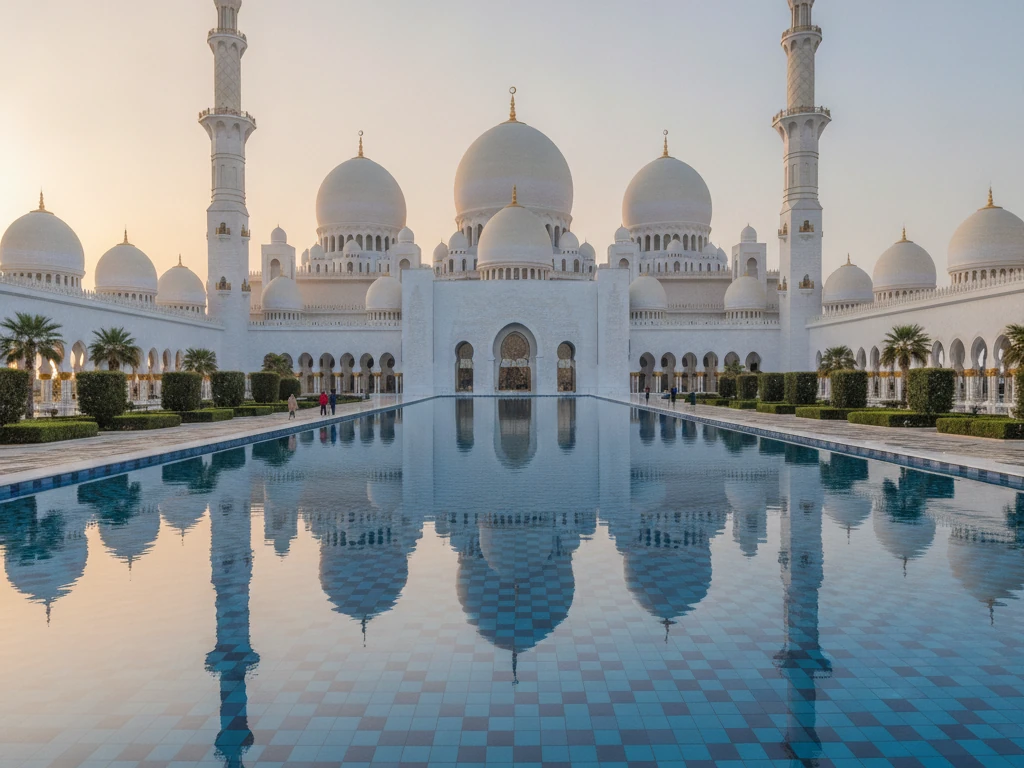
Weather Compared: Heat, Humidity and the Narrow Comfort Window
Both destinations share the Arabian Peninsula's arid climate, with scorching summers and mild winters punctuated by minimal rainfall. The data reveal a brief window of comfortable weather flanked by months too hot for extended outdoor family time.
| Month | Avg high | Avg low | Rainfall | Rainy days |
|---|---|---|---|---|
| January | 23.9°C | 14.8°C | 23.9 mm | 2.6 |
| February | 25.2°C | 15.8°C | 7.8 mm | 1.5 |
| March | 28.6°C | 18.5°C | 13.1 mm | 2.3 |
| April | 33.0°C | 21.5°C | 3.1 mm | 0.7 |
| May | 37.0°C | 25.0°C | 0.1 mm | 0.0 |
| June | 39.7°C | 27.9°C | 0.0 mm | 0.0 |
| July | 41.2°C | 30.4°C | 2.8 mm | 0.3 |
| August | 41.2°C | 29.9°C | 0.3 mm | 0.2 |
| September | 39.2°C | 27.6°C | 0.5 mm | 0.3 |
| October | 35.4°C | 24.5°C | 2.4 mm | 0.5 |
| November | 30.5°C | 20.7°C | 5.7 mm | 1.2 |
| December | 26.4°C | 16.9°C | 7.0 mm | 1.1 |
| Month | Avg high | Avg low | Rainfall | Rainy days |
|---|---|---|---|---|
| January | 24.1°C | 16.8°C | 12.7 mm | 2.7 |
| February | 25.6°C | 18.1°C | 4.8 mm | 0.9 |
| March | 29.0°C | 21.3°C | 12.8 mm | 2.0 |
| April | 33.9°C | 25.5°C | 2.9 mm | 0.6 |
| May | 38.0°C | 29.1°C | 0.7 mm | 0.2 |
| June | 38.5°C | 30.4°C | 0.5 mm | 0.2 |
| July | 37.5°C | 30.6°C | 8.0 mm | 0.8 |
| August | 36.6°C | 28.9°C | 0.0 mm | 0.0 |
| September | 35.6°C | 27.5°C | 0.0 mm | 0.0 |
| October | 33.4°C | 25.4°C | 12.3 mm | 1.1 |
| November | 29.1°C | 21.7°C | 7.0 mm | 1.4 |
| December | 25.6°C | 18.6°C | 12.4 mm | 1.3 |
From November through March, daytime highs in Dubai range from 23.9°C in January to 30.5°C in November, while Muscat tracks slightly warmer at 24.1°C to 29.1°C over the same span. Night-time temperatures remain pleasant - Dubai's January low of 14.8°C and Muscat's 16.8°C mean families can enjoy evening strolls without heavy layers. Rainfall stays negligible: Dubai records its highest monthly total in January at 23.9 mm over roughly three rainy days, while Muscat sees 12.7 mm the same month. By April, both destinations heat up sharply - Dubai reaches 33.0°C and Muscat 33.9°C - and from May through September the mercury climbs to punishing levels. Dubai peaks at 41.2°C in July and August with lows above 29°C, while Muscat hits 38.5°C in June with July rainfall (8.0 mm) offering little relief from humidity. October marks the gradual descent: Dubai at 35.4°C and Muscat at 33.4°C signal the return toward comfortable touring weather, though families with young children often wait until November for truly pleasant conditions.

Best Time for UAE Families
The ideal UAE family window runs from mid-November to early March, when daytime highs stay below 30°C and evenings cool enough for outdoor dining and beach play. December and January deliver the most comfortable temperatures - highs around 26°C, lows near 15°C - perfect for theme-park marathons, desert safaris and beach days without the risk of heat exhaustion in small children. February extends the sweet spot with minimal rain (7.8 mm) and warming days that suit water parks and poolside schedules. Families locked into school holidays should target December or February half-term; the Easter break in late March or April often catches the leading edge of oppressive heat, with April highs at 33.0°C pushing outdoor activities to early morning or late afternoon slots. Summer months from June through August see many expatriate families depart, leaving attractions quieter but weather brutal - highs above 40°C and humidity that makes even the walk from car park to mall entrance uncomfortable for young children.
Best Time for Oman Families
Oman's family-friendly season mirrors the UAE's temperate months but rewards those seeking outdoor adventure with slightly broader options. November through February offers the core window: highs from 25.6°C to 29.1°C and lows between 16.8°C and 21.7°C create excellent conditions for wadi hikes, fort exploration and mountain drives where air conditioning takes a back seat. January and December bring the year's modest rainfall - 12.7 mm and 12.4 mm respectively - occasionally greening the desert and filling seasonal watercourses that delight children hunting for tadpoles and crabs. March remains pleasant at 29.0°C, and October at 33.4°C sits on the warm edge of tolerable, especially in the interior mountains where elevation lowers temperatures. The khareef, Oman's summer monsoon affecting the southern Dhofar region from June to September, provides a unique micro-season: while the rest of the country bakes, Salalah receives cloud cover and drizzle that turns hillsides green, though July's 37.5°C in Muscat and August's 36.6°C keep the north off-limits for active families. For most visitors, the November-to-March corridor balances weather, daylight hours and the outdoor access that defines an Oman family trip.
Crowds and Cost: Peak, Shoulder and Low Season
Both destinations experience pronounced peak seasons around Western school holidays, though their crowd dynamics differ. The UAE sees its busiest period from mid-December through early January, when European and North American families flood Dubai's theme parks and beach resorts during winter break. February half-term and the Easter window bring secondary surges, while October half-term attracts families gambling on shoulder-season weather. Summer months turn the tables: resident expatriate families leave, but regional visitors from hotter Gulf countries arrive, keeping some attractions busy despite the heat. Accommodation and flight prices rise steeply during Christmas and New Year, while availability tightens across popular family properties. Oman's peak falls along the same December-February arc but remains less pronounced; the country's smaller tourism infrastructure means fewer visitors overall, though the choicest family-friendly beach resorts and mountain lodges fill early for winter half-term. Spring and autumn shoulder periods offer better value and thinner crowds in both countries, with the caveat that weather becomes a gamble outside the core cool months. Summer qualifies as low season for international family tourism in both nations, with cheaper rates offset by punishing heat that confines children indoors.
Beaches and Activities for Kids: Theme Parks vs Natural Wonders
The UAE's family appeal rests on built attractions that function regardless of season. Dubai alone offers multiple theme parks - high-speed rides, water slides, LEGO play zones, cinema-themed experiences - alongside aquariums, indoor ski slopes and trampoline parks that keep children entertained when outdoor temperatures soar. Beach clubs provide manicured sand, shallow pools and lifeguards, ideal for families wanting resort-style predictability. Abu Dhabi adds Ferrari-branded thrills and Louvre outposts that blend education with spectacle. The infrastructure caters to strollers, car seats and dietary restrictions, with international chains providing familiar meals for fussy eaters. Oman counters with nature-driven activities that engage older children and adventurous families: snorkelling over coral in the Daymaniyat Islands, wading through waist-deep wadi pools, watching green turtles nest on Ras al Jinz beaches, camping in the Wahiba Sands and exploring mountain villages where goats outnumber tourists. Beaches tend toward natural rather than manicured, with rockier entries and fewer facilities but also fewer crowds. The trade-off is clear - the UAE automates and air-conditions the family experience, while Oman hands families a map and expects them to explore.
Which Family Should Pick Which?
Families with children under eight, first-time visitors to the region, or those who prioritise convenience and variety will find the UAE's infrastructure hard to fault. The concentration of attractions within short distances, English-language ubiquity and resort amenities tailored to small children reduce logistical friction. Toddlers and early-primary pupils respond well to the spectacle - dancing fountains, indoor snow, cartoon characters - and parents appreciate the medical facilities, familiar brands and ease of navigating a city built for cars and strollers. Oman appeals more to families with children over eight who can hike a kilometre, snorkel confidently and appreciate cultural sites beyond their Instagram potential. The driving distances between highlights - Muscat to Nizwa, Nizwa to Jebel Shams, the coast to the desert - demand patience and a tolerance for winding mountain roads. Families who camp, pack picnics and treat navigation as part of the adventure will relish Oman's authenticity and the sense that tourism has not yet sanded down every edge. Budget-conscious families can stretch further in Oman outside Muscat, though both countries reward advance booking and off-peak timing.
FAQ
Is it too hot to visit UAE or Oman with young children in April?
April sits on the threshold of uncomfortably hot in both countries. Dubai averages 33.0°C and Muscat 33.9°C, with minimal rainfall and climbing humidity. Families can manage by scheduling outdoor activities for early morning or late afternoon, relying on air-conditioned transport and choosing hotels with robust pools and indoor play areas. Children under five may struggle with midday heat, and beach time requires constant sun protection. November through March remains the safer bet for active family itineraries.
Which destination offers better value for a family of four on a moderate budget?
Oman generally delivers better value outside peak season, especially when families self-cater, stay in mid-range properties and prioritise free or low-cost natural attractions like wadis, beaches and forts. The UAE's appeal hinges on paid attractions - theme parks, water parks, premium brunches - that add up quickly, though savvy families can offset costs by booking apartments with kitchens and hunting discount tickets. Both countries feature expensive peak-season accommodation, so timing matters more than destination when controlling costs.
Can families with teenagers find enough adventure activities in Oman compared to the UAE?
Teenagers seeking active outdoor experiences will find Oman significantly richer in options. Wadi hiking, rock scrambling, snorkelling over reefs, dune bashing, mountain biking and overnight desert camps provide the physical challenge and Instagram moments that engage older children. The UAE offers curated adrenaline - skydiving, theme-park coasters, Formula 1 experiences - but less unstructured exploration. Families with teens who crave authenticity over spectacle often prefer Oman's mix of adventure and cultural immersion.
How do the two countries compare for families wanting to combine beach time with cultural experiences?
Oman integrates culture and nature more seamlessly: families can snorkel in the morning, tour a 400-year-old fort after lunch and watch the sunset from a mountain village, all within a day's drive. The UAE separates its experiences more distinctly - beach resorts in one zone, heritage districts in another, theme parks in a third - requiring more deliberate planning and longer transfers. Families prioritising cultural depth and outdoor variety will favour Oman, while those wanting world-class beaches alongside modern entertainment will appreciate the UAE's curated options and polished infrastructure.
Weather data: open-meteo (ERA5 reanalysis, 2014-2023 averages). Reviewed and updated periodically.