Best Time to Visit Costa Rica with Kids
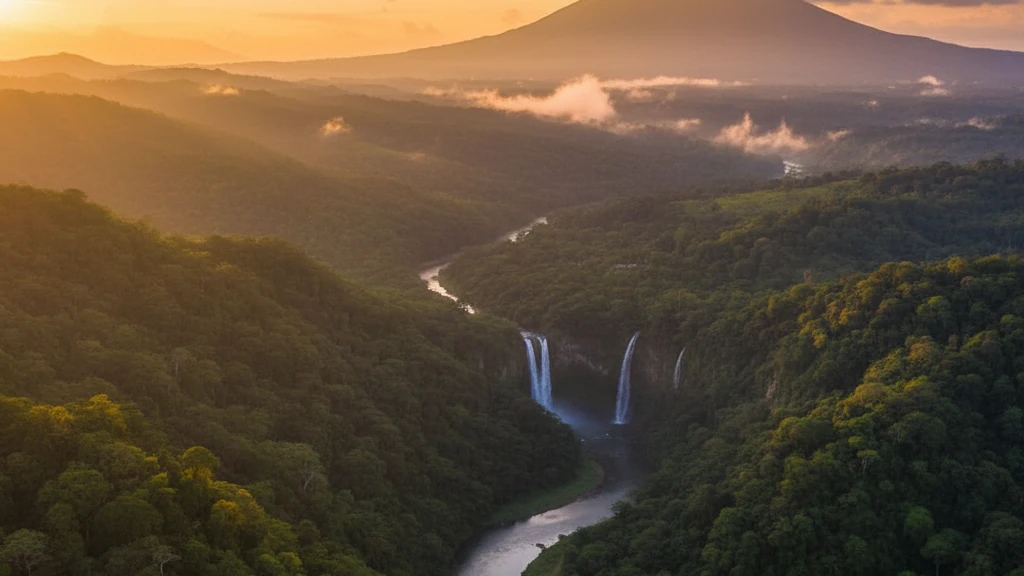
Costa Rica offers families an irresistible combination of wildlife encounters, beach adventures, and rainforest exploration year-round. Understanding the country's distinct dry and rainy seasons helps families choose the right window for their priorities, whether that means guaranteed sunshine for beach days or fewer crowds and lusher landscapes during the greener months. This guide breaks down Costa Rica's climate patterns, school holiday trade-offs, and what each season brings for travelling families.
| Month | Avg high | Avg low | Rainfall | Rainy days |
|---|---|---|---|---|
| January | 24.6°C | 16.0°C | 53.2 mm | 8.9 |
| February | 25.9°C | 15.9°C | 33.7 mm | 6.1 |
| March | 26.7°C | 16.4°C | 33.9 mm | 8.4 |
| April | 26.7°C | 17.1°C | 110.8 mm | 17.5 |
| May | 25.2°C | 17.4°C | 381.0 mm | 27.2 |
| June | 24.4°C | 17.3°C | 339.5 mm | 28.3 |
| July | 24.5°C | 17.3°C | 285.7 mm | 24.6 |
| August | 24.6°C | 17.1°C | 379.6 mm | 26.8 |
| September | 24.7°C | 16.8°C | 420.7 mm | 28.9 |
| October | 24.0°C | 16.6°C | 520.3 mm | 29.4 |
| November | 23.7°C | 16.8°C | 309.3 mm | 24.5 |
| December | 24.1°C | 16.4°C | 109.3 mm | 13.3 |
Best Overall Months for Families
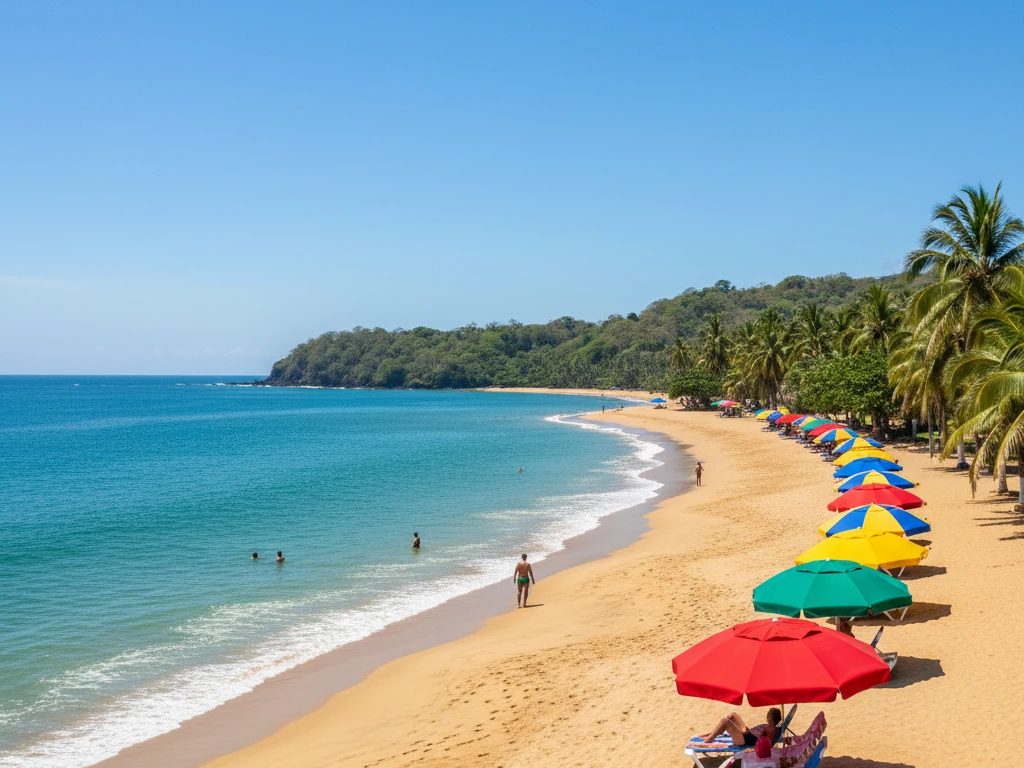
December through April represents Costa Rica's dry season, when rainfall drops significantly and temperatures remain comfortable for outdoor family activities. January sees just 53.2 mm of rain across 8.9 days, while February records even less at 33.7 mm over 6.1 days, making these two months particularly reliable for beach time and wildlife tours. March maintains similar dry conditions with 33.9 mm of rainfall, though temperatures climb slightly to 26.7°C highs. February strikes an excellent balance for families seeking sunshine without the peak holiday crowds, offering warm days around 25.9°C and minimal rain interruptions for zip-lining, volcano visits, and coastal exploration.
Month-by-Month Breakdown
Each month in Costa Rica brings distinct advantages and considerations for family travel, with clear patterns emerging across the calendar year.
January kicks off the year as peak family season, with comfortable highs of 24.6°C and lows around 16.0°C in the Central Valley. Rainfall remains modest at 53.2 mm, though slightly higher than February or March. Beaches buzz with activity, and popular family destinations see their highest visitor numbers.
February delivers the driest conditions of the year at 33.7 mm across just 6.1 rainy days. Temperatures reach 25.9°C during the day, ideal for beach play and canopy tours. This month offers excellent wildlife viewing as animals congregate near water sources.
March continues the dry pattern with 33.9 mm of rain and highs reaching 26.7°C, the warmest average of the dry season. Heat builds toward the end of the month as the landscape turns golden-brown in areas without irrigation, though coastal regions remain lush.
April marks the transition period when rainfall begins climbing to 110.8 mm across 17.5 days. Temperatures stay warm at 26.7°C, and afternoon showers become more common. Crowds thin as Easter holidays end, creating a useful shoulder season window.
May ushers in the green season dramatically, with rainfall jumping to 381.0 mm over 27.2 days. Temperatures moderate to 25.2°C highs. While mornings often remain clear, afternoon downpours become the norm, requiring flexible scheduling for activities.
June continues wet patterns with 339.5 mm of rain across 28.3 days, though temperatures hold steady around 24.4°C. The landscape transforms into brilliant green, and waterfalls reach peak flow - spectacular for families who embrace rain gear.
July brings a brief respite known locally as "veranillo" or little summer, when rainfall dips to 285.7 mm over 24.6 days. This mid-rainy-season window at 24.5°C creates opportunities for families willing to work around occasional showers.
August sees rain return with 379.6 mm across 26.8 days and temperatures around 24.6°C. Wildlife activity intensifies as sea turtle nesting season peaks on both coasts, offering memorable family experiences.
September records heavy rainfall at 420.7 mm over 28.9 days, with temperatures at 24.7°C. This represents one of the wettest periods, though mornings can still offer activity windows before afternoon deluges.
October reaches peak wetness with 520.3 mm across 29.4 days - nearly every day sees rain. Temperatures dip slightly to 24.0°C. Some family-oriented lodges close for maintenance, and road conditions require attention.
November begins the transition back toward drier weather, though 309.3 mm still falls across 24.5 days. Temperatures sit around 23.7°C, and the landscape remains vibrant green. Late November marks the start of improving conditions.
December sees rainfall decrease to 109.3 mm over 13.3 days as the dry season takes hold. Temperatures reach 24.1°C, and holiday crowds build through the month. Early December offers better availability before Christmas and New Year peak travel.

School Holidays vs Shoulder Season Trade-Offs
Families with school-age children face a familiar dilemma in Costa Rica: peak dry season coincides with winter breaks when travel costs rise and popular sites fill with visitors. December through March delivers guaranteed sunshine and calm seas for kayaking and snorkelling, but expect bustling national parks and fully booked canopy tours without advance reservations. Beach towns like Tamarindo and Manuel Antonio see particular congestion during North American and European school holidays.
Shoulder season windows - late November and early December on one end, April on the other - offer compelling alternatives. April brings more rainfall at 110.8 mm but fewer crowds as spring breaks conclude, with temperatures still warm at 26.7°C. Late November transitions toward drier weather while maintaining the green season's lush scenery and less congested attractions. Families gain breathing room at cloud forest reserves and easier wildlife spotting when fewer tour groups compete for space. The "veranillo" window in July also deserves consideration for families constrained to summer travel, delivering partially cleared skies despite the green season calendar.
Weather Patterns by Season
Costa Rica's weather divides cleanly into dry season (December-April) and green season (May-November), though regional variations add complexity. The Central Valley around San José experiences year-round spring-like conditions, with dry season highs around 24-27°C and minimal rainfall between January and March totalling just 33.7-53.2 mm monthly. The Caribbean coast follows its own pattern, staying wetter year-round but seeing relatively drier windows in February-March and September-October.
Green season deserves reframing beyond "rainy season" for families. Mornings typically dawn clear and warm around 24-25°C, providing 4-6 hours for activities before afternoon showers arrive. These downpours, while intense, often pass within 1-2 hours, leaving refreshed evenings. The pattern holds most reliably during May, June, and November when rainfall sits between 309.3-381.0 mm monthly. September and October bring the heaviest precipitation at 420.7-520.3 mm, with afternoon storms sometimes lasting longer and occasional all-day rain events.
Pacific coastal regions stay driest during the official dry season, with rainfall in areas like Guanacaste dropping near zero in February and March. Caribbean regions never fully dry out but remain accessible and beautiful year-round, with temperatures steady around 24-25°C and lush vegetation that thrives on consistent moisture.
What to Pack for Family Travel
Dry season packing (December-April) centres on sun protection and light layers. Families need broad-spectrum sunscreen, wide-brimmed hats, and UV-protective rash guards for beach days when temperatures reach 24.6-26.7°C. Lightweight long sleeves help prevent sunburn during midday hours, while a light jacket serves for air-conditioned restaurants and cooler mountain elevations where overnight temperatures can drop to 15.9-17.1°C. Closed-toe water shoes protect small feet on rocky beaches and river crossings.
Green season travel (May-November) requires rain preparation alongside warm-weather gear. Quick-dry clothing becomes essential when afternoon showers arrive, and a packable rain jacket for each family member saves the day during unexpected downpours. Waterproof bags protect phones and cameras during boat tours, while an umbrella doubles as sun and rain protection. The same sun safety items remain critical, as cloud cover provides false security - UV penetrates clouds effectively. Temperatures stay warm at 23.7-25.2°C, so avoid heavy rain gear that traps heat. Instead, embrace getting damp and prioritize quick-drying fabrics.
Year-round essentials include insect repellent with DEET or picaridin, a basic first-aid kit with children's pain relievers, and any prescription medications in original packaging. Binoculars enhance wildlife viewing for older children, while a headlamp helps during early-morning birding excursions. Reusable water bottles reduce plastic waste, and Costa Rica's tap water is safe to drink in most areas.
Crowd and Price Seasonality
Peak season spans mid-December through Easter when North American and European families escape winter. This window brings the busiest beaches, longest waits for popular attractions like hanging bridges and hot springs, and maximum demand for family-friendly lodging. Advance booking becomes essential rather than optional, particularly for Christmas, New Year, and February school breaks. Accommodations fill earliest near Manuel Antonio, Arenal Volcano, and Monteverde Cloud Forest.
Shoulder seasons in April, November, and early December present value opportunities without sacrificing too much weather reliability. April sees visitor numbers drop after Easter despite continued warmth at 26.7°C, while November offers improving conditions as rainfall decreases from October's 520.3 mm to 309.3 mm. Early December through mid-month provides dry-season weather before holiday premiums take effect.
Green season months from May through October deliver the lowest rates and emptiest trails, though September and October require the most flexibility due to 420.7-520.3 mm monthly rainfall. Families willing to plan activities around morning weather windows find exceptional value and more authentic interactions with locals when tourism pressure eases. July's brief drier spell creates a green season sweet spot for summer-constrained families, combining relative weather reliability with off-peak atmosphere.
FAQ
What is the best month to visit Costa Rica with kids to avoid rain but miss peak crowds?
February offers the ideal combination with just 33.7 mm of rain across 6.1 days, the driest conditions of the year and comfortable temperatures around 25.9°C. Holiday crowds thin after January while weather remains reliably sunny for beach activities, canopy tours, and wildlife viewing. Late November through early December provides a secondary option as rainfall decreases to 109.3 mm and dry season begins before Christmas crowds arrive.
Can families visit Costa Rica during rainy season with young children?
Families successfully visit during green season (May-November) by adjusting expectations and schedules. Mornings typically stay clear for 4-6 hours of activities before afternoon showers, with temperatures comfortable around 24-25°C. May, June, July, and November work best with rainfall between 285.7-381.0 mm monthly, while September and October's heavier precipitation at 420.7-520.3 mm demands more flexibility. The landscape's vibrant green, fewer crowds, and lower costs appeal to adaptable families with quality rain gear.
What should families pack for visiting Costa Rica in the dry season versus the rainy season?
Dry season (December-April) requires sun protection including hats, reef-safe sunscreen, and UV-protective swimwear for temperatures reaching 24.6-26.7°C, plus a light jacket for cool mountain evenings around 15.9-17.1°C. Green season adds quick-dry clothing, packable rain jackets, waterproof bags for electronics, and closed-toe water shoes that handle wet conditions. Both seasons demand insect repellent, reusable water bottles, and sturdy walking shoes for trail exploration.
When is the cheapest time to visit Costa Rica with a family without terrible weather?
Late November and early December balance value with improving weather as rainfall drops from October's 520.3 mm to 109.3 mm in December, with temperatures around 23.7-24.1°C. April also delivers shoulder-season pricing after Easter while maintaining 26.7°C warmth, though afternoon showers become more frequent at 110.8 mm monthly rainfall. July's mid-rainy-season dry spell offers another budget window during summer break constraints, with reduced precipitation at 285.7 mm compared to surrounding months.
Weather data: open-meteo (ERA5 reanalysis, 2014-2023 averages). Reviewed and updated periodically.