Best Baby Stroller Travel Bags for Flying (2026): Honest Reviews
Air travel with young children requires protective gear for expensive strollers. A quality stroller travel bag shields lightweight and full-size strollers from scratches, dirt, and mishandling during gate check or cargo hold transport. Airlines classify strollers as special items that travel free, but damage responsibility falls on passengers without proper protection. A dedicated travel bag transforms a vulnerable piece of baby equipment into a secure package that withstands baggage conveyor systems and airport handling.
Stroller travel bags serve multiple protective functions beyond basic coverage. The right bag prevents wheel damage, fabric tears, and frame bending that occur when strollers move through airport infrastructure unprotected. Families who fly regularly find that investing in proper protection extends stroller lifespan significantly and eliminates costly replacements. The bag category includes options for umbrella strollers, jogging strollers, and full-featured travel systems, with designs addressing specific airline requirements and parental convenience needs.
What Makes a Good Stroller Travel Bag for Air Travel
Effective stroller travel bags balance durability, portability, and ease of use in airport environments. The bag material determines protection level - padded options with thick polyester or ballistic nylon offer superior cushioning against impacts, while lightweight single-layer bags provide basic coverage for shorter trips. Size compatibility stands as the primary consideration, as bags must accommodate folded stroller dimensions without excessive bulk that complicates carrying. Closure systems need secure functionality, with heavy-duty zippers and drawstring combinations preventing accidental openings during transport.

Carrying methods significantly affect usability during travel connections. Backpack-style shoulder straps distribute weight evenly and keep hands free for children and carry-ons. Bags with reinforced handles allow quick gate-check handoffs to airline staff. Additional features like identification pockets, storage pouches for removed accessories, and visibility colors help families locate bags quickly on carousels. Water-resistant coatings protect against rain exposure during tarmac transfers and airport weather conditions.
Budget-Friendly Stroller Bags Under Forty Dollars
Affordable stroller travel bags meet basic protection needs without premium features. Standard gate check bags in this category typically offer single-layer construction with drawstring closures and minimal padding. These bags work well for families who fly occasionally or own lightweight umbrella strollers that fold compactly. The material consists of tear-resistant polyester or nylon that handles normal baggage system wear.
Entry-level options often include basic carrying straps rather than ergonomic backpack systems. Storage capacity accommodates standard-width strollers up to specific dimension limits marked by manufacturers. Many budget bags lack water resistance, making them suitable primarily for indoor airport use and checked baggage rather than outdoor exposure. Families find these bags adequate for protecting against surface scratches and keeping stroller components together during transport, though they provide limited cushioning against heavy impacts or compression.
Mid-Range Padded Bags With Enhanced Protection
Padded stroller travel bags in moderate price ranges offer substantially better protection than basic models. These bags feature foam padding or quilted layers that cushion strollers against handling impacts and stacking pressure in cargo holds. The construction typically includes reinforced stitching at stress points and heavy-duty zippers that withstand repeated use across multiple trips.
Mid-range bags accommodate larger stroller types including jogging models and double strollers with wider wheelbases. Adjustable straps and compression systems allow families to customize fit for different stroller sizes within capacity ranges. Many designs incorporate backpack carrying systems with padded shoulder straps that make airport navigation more manageable when carrying children simultaneously. Internal pockets provide space for storing removed wheels, cup holders, and other detachable accessories. Water-resistant outer shells protect against spills and weather exposure during outdoor portions of travel.
Premium Travel Bags for Frequent Flyers
High-end stroller travel bags combine maximum protection with convenience features for families who travel extensively. Premium models use ballistic nylon or heavy canvas materials that resist tears and punctures even under aggressive handling conditions. Thick foam padding surrounds stroller frames completely, preventing damage from drops or heavy items placed on top during cargo transport.
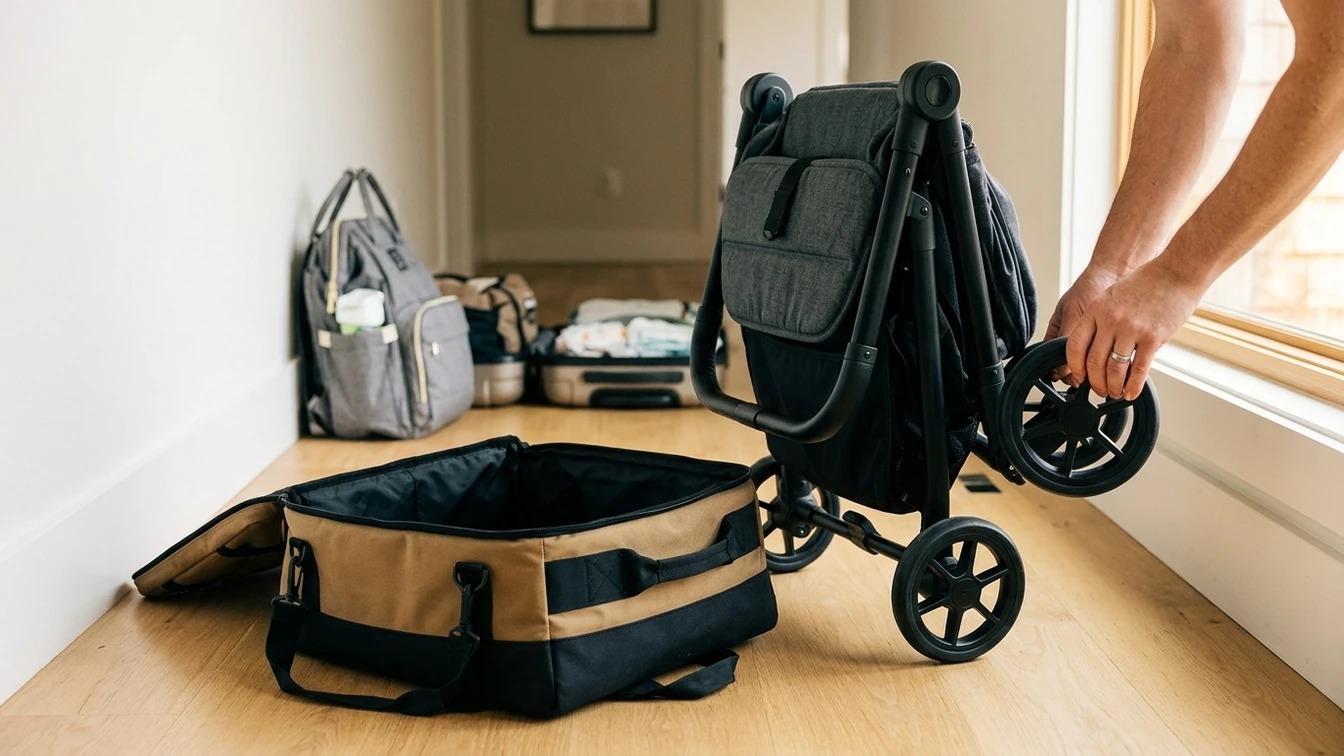
Advanced carrying systems characterize premium options, with ergonomic backpack designs featuring chest and waist straps that distribute weight effectively during long terminal walks. Some models include wheels and telescoping handles that convert bags into rolling luggage, eliminating the need to carry weight entirely. Organization features expand to include multiple external pockets for storing travel documents, identification tags, and stroller accessories separately. Bright color options or reflective strips improve visibility for quick identification. Compression straps cinch bags tightly around strollers, reducing overall package size for easier maneuvering through crowded spaces.
Choosing the Right Size for Your Stroller Type
Stroller travel bag sizing requires matching bag dimensions to folded stroller measurements precisely. Umbrella strollers typically need bags measuring approximately 45 inches in length with narrower width profiles, while full-size travel systems require 50-inch or longer bags with wider openings. Jogging strollers with large wheels demand bags specifically designed for bulkier profiles and greater wheel diameter accommodation.
Measurement verification prevents purchasing errors - families should fold strollers completely and measure length, width, and height before selecting bags. Universal-fit bags claim accommodation of multiple stroller types but may leave gaps or prove too tight for specific models. Brand-specific bags designed for particular stroller manufacturers guarantee proper fit but limit flexibility if families change stroller models. Adjustable bags with compression systems offer versatility across different stroller sizes while maintaining secure fits.
Gate Check Versus Checked Baggage Considerations
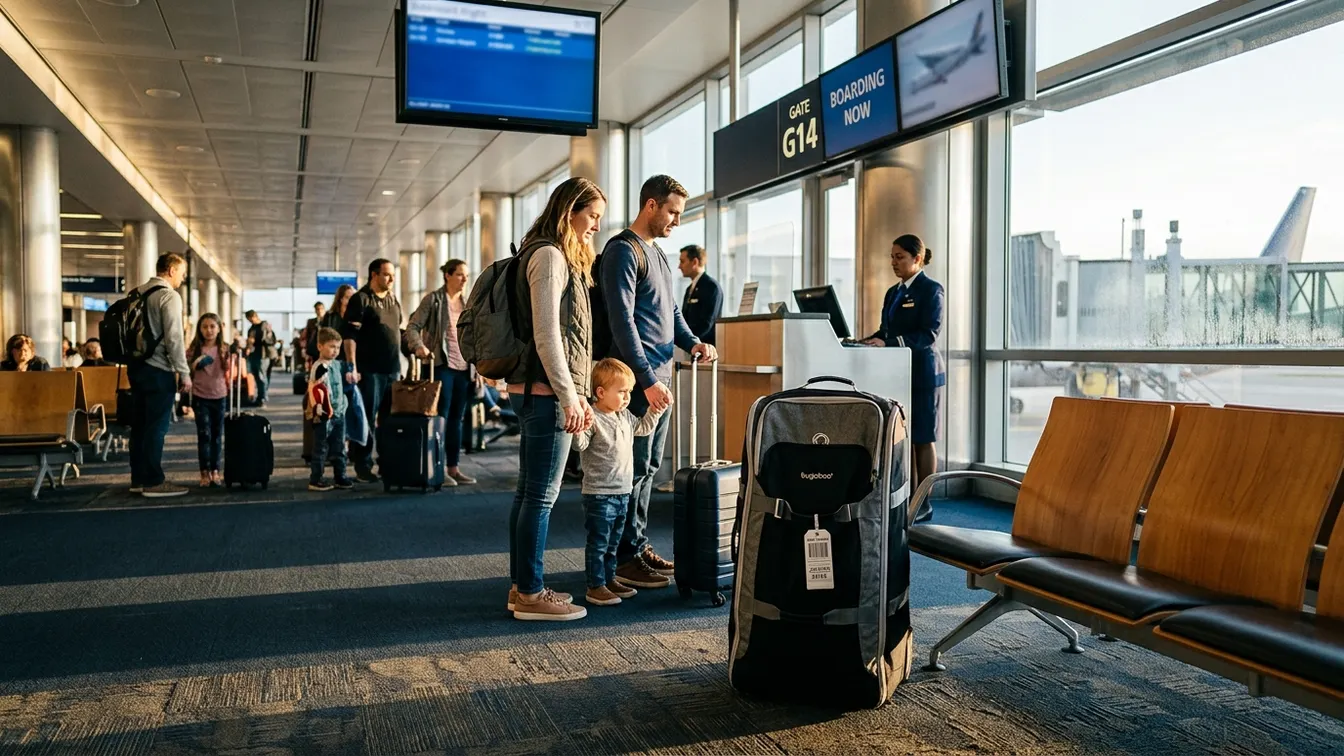
Gate checking allows families to use strollers through airports until boarding, then hand them to staff at the aircraft door for storage in cargo holds. This convenience requires bags that fold compactly and deploy quickly during boarding transitions. Lightweight bags with simple closure systems work best for gate check situations where speed matters. The protection level needs to guard against cargo hold handling but families can inspect strollers immediately upon landing for any issues.
Checked baggage stroller transport occurs when families pack strollers with main luggage at ticket counters. This approach demands maximum protection since strollers travel through complete baggage systems and endure more handling stages. Heavily padded bags suit checked baggage better, as strollers face greater impact risks and longer periods without supervision. Checked strollers gain protection from airport crowds and eliminate carrying needs, but families lose stroller access during layovers and airport navigation.
Maintenance and Care for Stroller Travel Bags
Proper maintenance extends stroller travel bag lifespan across multiple trips. Cleaning bags after each use removes dirt and debris that accumulate during baggage system transport. Most bags accept spot cleaning with mild detergent and water, though some models allow machine washing on gentle cycles. Thorough drying prevents mold growth in humid storage environments. Checking zippers and straps regularly identifies wear before failures occur during travel.
Storage practices affect bag condition between trips. Bags should remain in dry locations away from direct sunlight that degrades materials over time. Folding bags loosely rather than cramming them into tight spaces preserves shape and prevents permanent creases in padding. Inspecting bags before each trip allows time for repairs or replacements if damage appears. Keeping bags clean and ready ensures protection availability whenever travel plans develop.
FAQ
What size stroller travel bag do I need for a standard lightweight stroller that folds compactly?
Lightweight strollers that fold compactly typically require travel bags measuring between 42 and 48 inches in length with width dimensions around 12 to 15 inches. Families should measure their specific stroller when fully folded, including handlebar height and wheel width, then add two to three inches to each dimension for comfortable bag fit. Universal lightweight stroller bags accommodate most umbrella-style and compact-fold models, but checking manufacturer specifications confirms compatibility before purchase. Bags that prove too large allow strollers to shift during transport, while undersized bags stress zippers and seams.
Can I use the same travel bag for both my single stroller and my double stroller?
Single strollers and double strollers require different bag sizes due to width and weight differences. Double strollers feature wider wheelbases and longer frames that exceed standard single-stroller bag capacities. Some adjustable bags claim compatibility with both types, but fit quality often suffers - single strollers move excessively in double-sized bags, while double strollers barely fit or fail to zip completely in single bags. Families who own both stroller types benefit from purchasing separate bags sized appropriately for each model. The investment in proper-fitting bags prevents damage that occurs when strollers lack adequate protection or when bags tear from overstuffing.
Do airlines require stroller travel bags or can I gate check my stroller without one?
Airlines permit gate checking strollers without travel bags as standard practice, treating strollers as complimentary special items separate from regular baggage allowances. However, airlines typically disclaim responsibility for damage to uncovered strollers during handling and transport. Strollers checked without protective bags risk scratches, bent frames, torn fabric, and damaged wheels from contact with other cargo and baggage system machinery. Travel bags serve as passenger-provided protection rather than airline requirements. Families who use strollers without bags should document stroller condition before checking and report any damage immediately upon landing, though reimbursement claims without protective measures often face denial.
How much protection do I really need for a basic umbrella stroller versus an expensive travel system?
Protection needs scale with stroller value and construction complexity. Basic umbrella strollers with simple frames and minimal features tolerate minor handling impacts better than elaborate travel systems with electronic components, adjustable suspension, and premium fabrics. Expensive strollers justify investment in heavily padded bags with reinforced corners and impact-resistant materials that prevent costly damage. Budget umbrella strollers may require only basic coverage to prevent scratches and keep components together, making lightweight single-layer bags sufficient. Travel systems with multiple adjustment points, delicate fabric panels, and integrated accessories need comprehensive padding that cushions against compression and impacts. Frame replacement costs and fabric repair expenses should guide protection level decisions.