Best Time to Visit Montenegro with Kids
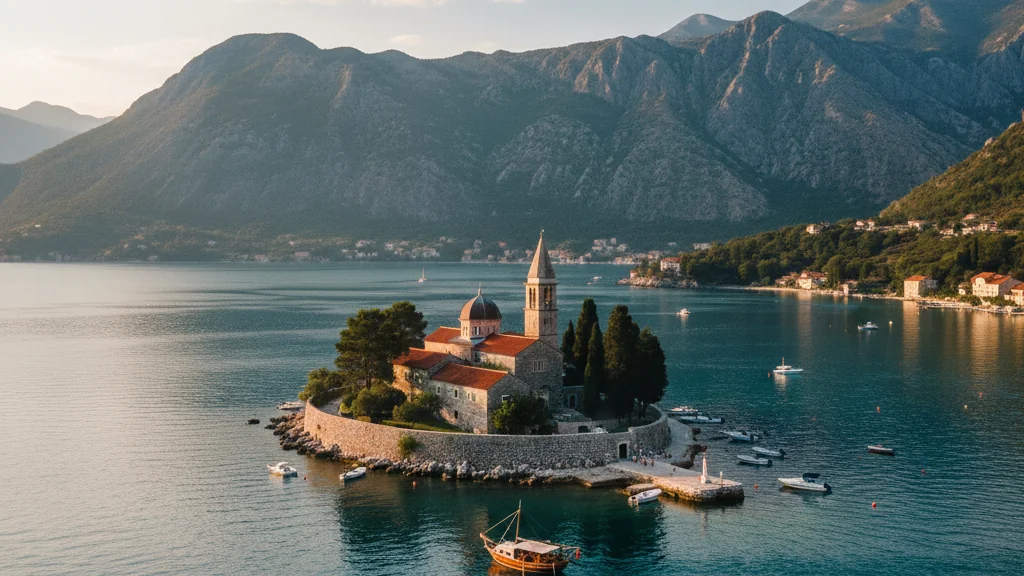
Montenegro offers families a compelling mix of Adriatic beaches, medieval towns, dramatic mountains, and outdoor adventure - all in a compact, affordable package. Choosing the right time to visit can make the difference between battling summer crowds on the coast or enjoying shoulder-season sunshine with room to breathe. This guide breaks down Montenegro's climate, crowd patterns, and family-friendly windows to help families plan a trip that balances weather, budget, and school schedules.
Some links may earn us a small commission, at no cost to you.
| Month | Avg high | Avg low | Rainfall | Rainy days |
|---|---|---|---|---|
| January | 9.4°C | 1.4°C | 237.3 mm | 13.4 |
| February | 12.0°C | 3.6°C | 198.7 mm | 11.5 |
| March | 14.8°C | 5.4°C | 166.1 mm | 11.4 |
| April | 18.6°C | 8.9°C | 119.2 mm | 11.0 |
| May | 22.8°C | 13.2°C | 132.1 mm | 11.5 |
| June | 28.3°C | 17.9°C | 67.5 mm | 8.2 |
| July | 32.2°C | 20.6°C | 33.6 mm | 4.3 |
| August | 32.3°C | 20.9°C | 31.9 mm | 4.1 |
| September | 26.5°C | 16.6°C | 140.4 mm | 7.9 |
| October | 20.8°C | 11.6°C | 175.8 mm | 8.9 |
| November | 15.8°C | 7.8°C | 312.5 mm | 12.7 |
| December | 11.3°C | 3.3°C | 232.9 mm | 10.7 |
Best Overall Months for Families
Late May through mid-June and September stand out as the sweet spots for visiting Montenegro with children. During these windows, daytime temperatures hover in the comfortable low-to-mid 20s°C (70s°F), the Adriatic is swimmable, and tourist infrastructure runs at full capacity without the peak-season crush. May sees average highs around 22.8°C with moderate rainfall (132.1 mm over about 11.5 days), while June warms to 28.3°C with significantly less rain (67.5 mm across 8.2 days). September offers similar appeal with highs around 26.5°C, though rainfall picks up again to 140.4 mm. These shoulder periods deliver excellent value, shorter queues at attractions like Kotor's city walls, and a relaxed pace that suits family travel.
Month-by-Month Breakdown
Understanding Montenegro's monthly rhythm helps families align their visit with specific priorities, whether that's guaranteed beach weather, festival access, or budget considerations.
January-February: Winter months are cool and wet, with January averaging 9.4°C highs and 237.3 mm of rain across 13.4 days. February improves slightly (12.0°C, 198.7 mm rainfall), but coastal resorts largely shutter and mountain roads can be challenging. These months suit families interested in skiing at Kolašin or budget-conscious city exploration in Podgorica, but most family-focused activities remain closed.
March-April: Spring awakens gradually. March sees 14.8°C highs with 166.1 mm of rain, while April warms to 18.6°C with reduced precipitation (119.2 mm). Coastal towns begin reopening, wildflowers blanket the countryside, and Easter holidays bring some crowds. Families can explore without overwhelming heat, though sea temperatures remain too cool for comfortable swimming and occasional rain showers require flexible planning.
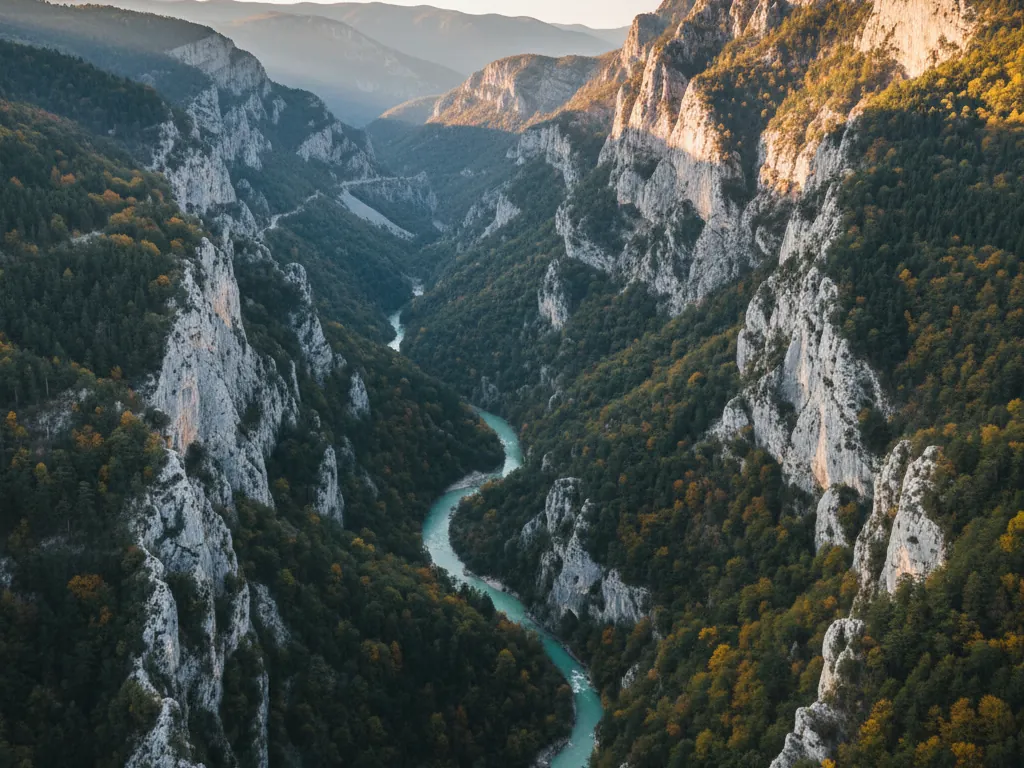
May: This transitional month marks the start of family-friendly conditions. At 22.8°C average highs and 132.1 mm of rainfall spread over 11.5 days, May offers warm days for hiking Durmitor National Park or exploring Kotor's Old Town, with the Adriatic warming enough for hardy swimmers by month's end. Tourist numbers remain manageable, accommodation costs stay reasonable, and most seasonal businesses have opened.
June: Early summer delivers excellent family conditions with 28.3°C highs and notably drier weather (67.5 mm rain over 8.2 days). Beach resorts hit their stride, outdoor restaurants open fully, and the sea becomes genuinely inviting for children. The first half of June offers particularly good value before peak season pricing takes effect and European school holidays bring larger crowds.
July-August: Peak summer months are hot and dry, with July averaging 32.2°C and just 33.6 mm of rain (4.3 rainy days), and August nearly identical at 32.3°C and 31.9 mm (4.1 days). These months guarantee beach weather and buzzing coastal energy, but bring intense heat that can challenge young children, maximum crowds at popular sites, fully booked accommodation, and premium pricing. Coastal areas like Budva and Kotor feel packed, though mountain retreats offer cooler refuge.
September: Early autumn remains warm at 26.5°C but sees rainfall increase to 140.4 mm over 7.9 days. The Adriatic retains summer warmth, crowds thin noticeably after mid-month when European schools resume, and prices drop. Families gain elbow room at beaches and attractions while still enjoying excellent swimming and outdoor conditions - a prime window for those with scheduling flexibility.
October-December: Autumn and early winter grow progressively cooler and wetter. October averages 20.8°C with 175.8 mm of rain, November drops to 15.8°C with heavy rainfall (312.5 mm - the wettest month), and December cools further to 11.3°C with 232.9 mm. Most coastal tourism infrastructure closes, ferry schedules reduce, and conditions favour cultural city breaks rather than outdoor family activities.
School Holidays vs Shoulder Season Trade-offs
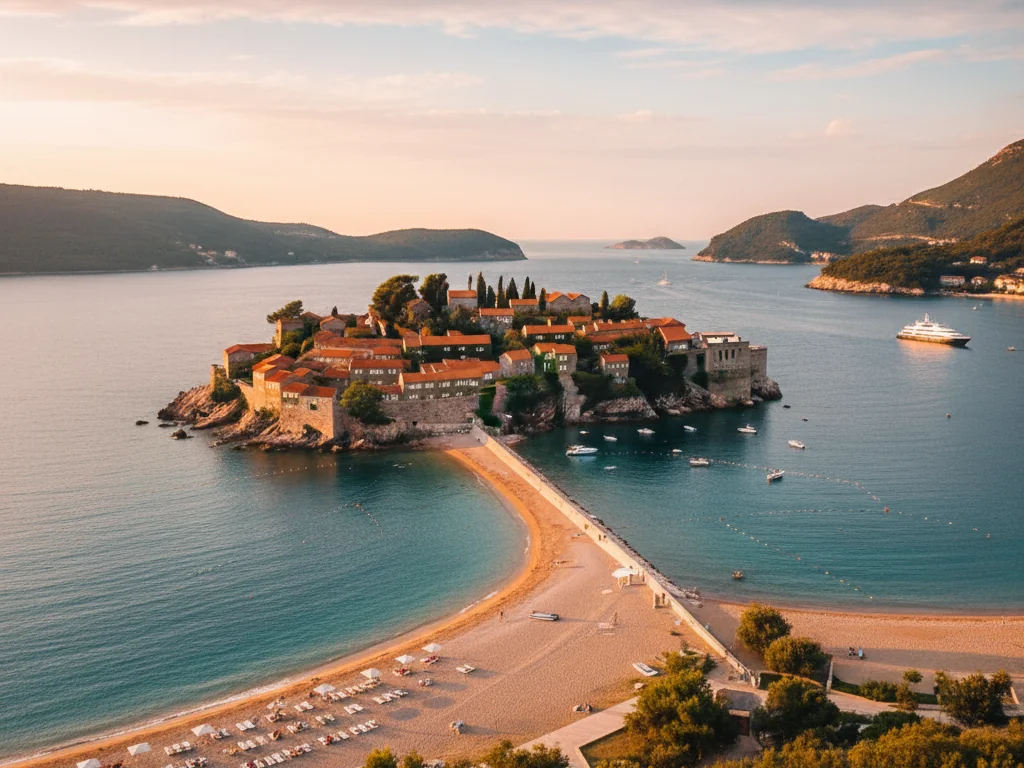
Families constrained by school calendars face clear compromises. Summer holidays (late June through August) guarantee sunshine and full resort amenities but come with heat stress for younger children, packed attractions, and inflated costs. The July-August period particularly demands advance booking and patience with crowds at must-see spots like the Bay of Kotor or Sveti Stefan viewpoints.
Easter breaks (March-April) offer moderate temperatures and spring beauty but risk rain and cooler conditions that limit beach activities. October half-term can work for hardy families comfortable with occasional showers and closing seasonal venues.
Families able to travel outside school terms gain significant advantages in May, early June, or September - comfortable weather, manageable crowds, better accommodation value, and locals with more time and patience for visitors. The trade-off is pulling children from school, but the experience quality often justifies the arrangement for families prioritising meaningful travel.
Weather by Season
Montenegro's Mediterranean coast and mountainous interior create distinct seasonal patterns that shape family activities.
Spring (March-May): The season transitions from cool and wet to warm and pleasant. Temperatures climb from 14.8°C to 22.8°C, rainfall gradually decreases from 166.1 mm to 132.1 mm, and the landscape explodes with greenery. Coastal swimming remains marginal until late May, but hiking, cycling, and cultural exploration become increasingly comfortable. Pack layers for variable conditions and be prepared to adjust plans around rain showers.
Summer (June-August): Hot, dry, and reliably sunny, summer averages above 28°C with minimal rainfall (under 70 mm monthly from June onwards, dropping to around 32 mm in peak summer). The Adriatic reaches ideal swimming temperatures, outdoor dining dominates, and long daylight hours maximise activity time. Intense heat during July-August afternoons (regularly exceeding 32°C) necessitates midday breaks, abundant sunscreen, and hydration vigilance with children.
Autumn (September-November): Early autumn extends summer's appeal with September maintaining 26.5°C and swimmable seas, but rainfall increases steadily from 140.4 mm in September to 312.5 mm by November (the wettest month). October offers pleasant 20.8°C temperatures for active families, though coastal facilities progressively close. By November, wet and cool conditions suit only urban cultural visits.
Winter (December-February): Cool and damp on the coast, with highs between 9.4°C and 12.0°C and substantial rainfall (around 200-240 mm monthly). Mountain areas see snow and support modest skiing operations. Few family-oriented activities run, though bargain hunters can explore cities cheaply and ski resorts offer Alpine experiences at approachable prices.
What to Pack
Strategic packing varies significantly by season. For summer visits (June-August), prioritise sun protection: high-SPF sunscreen, wide-brimmed hats, UV-protective swimwear, and lightweight long-sleeve cover-ups for intense midday sun. Light cotton or linen clothing, comfortable walking sandals, reef shoes for rocky beaches, and reusable water bottles for every family member prove essential. Evening temperatures remain pleasant but bring one light layer for air-conditioned restaurants.
Shoulder season trips (May, September) require more versatility: pack layers including light fleeces or cardigans, a waterproof jacket for each family member, and both sandals and closed walking shoes. Sun protection remains important but add a compact umbrella and quick-dry clothing for potential rain showers.
Spring and autumn (March-April, October) demand proper rain gear, warmer layers, and waterproof footwear alongside sunglasses for bright days. Winter visits need genuine cold-weather clothing, especially for mountain areas.
Year-round essentials include sturdy walking shoes for cobbled old towns like Kotor, day packs for excursions, basic first-aid supplies, and any specific medications (pharmacies are well-stocked but familiar brands vary). Families planning mountain hikes should pack appropriate footwear regardless of season.
Crowd and Price Seasonality
Montenegro's tourism follows a pronounced seasonal curve. Peak season spans July and August when coastal towns swell with European holidaymakers, popular attractions require early arrival or advance tickets, and accommodation rates reach their annual high. Restaurants and beaches in Budva, Kotor, and Sveti Stefan operate at capacity, and traffic along the coastal road becomes frustratingly slow.
Shoulder seasons (late May through June, September into early October) offer the best balance - most facilities operate fully, weather remains highly suitable for family activities, but visitor numbers stay manageable and pricing sits comfortably below peak rates. Booking a week or two ahead typically suffices rather than months in advance.
Low season (November through April, excluding Easter) sees dramatic reductions in both crowds and costs. Many coastal hotels, restaurants, and tour operators close entirely, but families focused on cities, cultural sites, or winter sports find excellent value and personal attention. This period suits budget-conscious families comfortable with limited tourist infrastructure and accepting of weather uncertainty.
FAQ
What is the best month to visit Montenegro with young children for beach holidays?
June and September offer ideal conditions for beach-focused family trips. June delivers warm 28.3°C temperatures, low rainfall (67.5 mm), and comfortable sea temperatures without July-August's intense heat and maximum crowds. September maintains similar warmth at 26.5°C with the Adriatic at its annual warmest, though rainfall increases slightly to 140.4 mm. Both months provide manageable tourist numbers, reasonable accommodation rates, and heat levels that won't overwhelm younger children during midday hours.
Is Montenegro too hot for toddlers and babies during summer?
July and August can be challenging for very young children, with average highs exceeding 32°C and minimal rainfall. Infants and toddlers struggle with heat regulation, requiring diligent sun protection, frequent breaks in air-conditioned spaces, constant hydration, and activity restriction to early mornings and late afternoons. Families with babies under two often find May-June or September more manageable, offering warm beach weather (22-28°C) without the extreme heat that demands such intensive precautions.
When is the cheapest time to visit Montenegro with family outside of winter?
May and late September through early October deliver the best value outside winter months. Tourism infrastructure operates near-fully, weather remains generally favourable (May: 22.8°C; October: 20.8°C), but accommodation rates sit well below peak season levels and advance booking pressure eases considerably. October particularly rewards flexible families willing to pack rain gear and accept occasional showers (175.8 mm rainfall) in exchange for substantial savings and uncrowded attractions, though some coastal businesses begin closing mid-month.
Can families visit Montenegro during spring break and still enjoy outdoor activities?
April offers workable conditions for active families, with average highs around 18.6°C and moderate rainfall (119.2 mm over 11 days). Hiking in national parks, exploring medieval towns, and cycling become comfortable as spring progresses, though the Adriatic remains too cool for extended swimming. Families should pack layers and waterproofs, maintain flexible daily plans to work around showers, and focus on cultural sites, mountain scenery, and outdoor activities beyond beach time. Late April proves more reliable than early spring for consistent weather.
Weather data: open-meteo (ERA5 reanalysis, 2014-2023 averages). Reviewed and updated periodically.