Best Time to Visit Austria with Kids
Austria offers families a diverse range of experiences year-round, from exploring imperial palaces and charming alpine villages to skiing snowy peaks and swimming in mountain lakes. Choosing the best time to visit depends on whether families prioritize outdoor adventure, cultural exploration, or seasonal festivities. The country experiences distinct seasons, with warm summers ideal for hiking and sightseeing, colorful spring and autumn shoulder periods offering comfortable temperatures and fewer crowds, and snowy winters perfect for skiing and Christmas markets. Understanding Austria's climate patterns, school holiday schedules, and seasonal crowd dynamics helps families plan a trip that balances favorable weather, manageable tourist numbers, and age-appropriate activities.
Some links may earn us a small commission, at no cost to you.
| Month | Avg high | Avg low | Rainfall | Rainy days |
|---|---|---|---|---|
| January | 4.2°C | -1.4°C | 37.7 mm | 9.7 |
| February | 7.4°C | 0.1°C | 34.8 mm | 8.2 |
| March | 11.3°C | 1.9°C | 25.8 mm | 6.3 |
| April | 15.8°C | 5.9°C | 51.2 mm | 10.0 |
| May | 19.5°C | 10.5°C | 82.7 mm | 13.2 |
| June | 25.4°C | 15.4°C | 68.1 mm | 11.0 |
| July | 27.2°C | 17.3°C | 69.4 mm | 10.7 |
| August | 26.5°C | 16.9°C | 68.6 mm | 10.0 |
| September | 21.6°C | 12.8°C | 75.3 mm | 9.8 |
| October | 15.9°C | 8.4°C | 55.9 mm | 9.6 |
| November | 9.7°C | 3.7°C | 47.0 mm | 8.6 |
| December | 5.5°C | 0.1°C | 47.2 mm | 10.6 |
Best Overall Months for Families
May, June, and September stand out as the most family-friendly months for visiting Austria. May in Austria brings pleasant temperatures averaging 19.5°C highs and 10.5°C lows, with spring blooms transforming alpine meadows into colorful displays that captivate children. June offers warmer conditions with 25.4°C highs and 15.4°C lows, perfect for outdoor activities without the peak summer crowds. September delivers comfortable 21.6°C highs and 12.8°C lows, ideal for sightseeing in cities like Vienna and Salzburg when the summer rush subsides. These months provide the sweet spot of good weather, manageable tourist numbers, and school schedules that allow flexibility for families able to travel outside major holiday periods. Attractions remain fully operational, outdoor cafes and parks buzz with activity, and the moderate temperatures suit both energetic hikes and leisurely city walks with children of all ages.
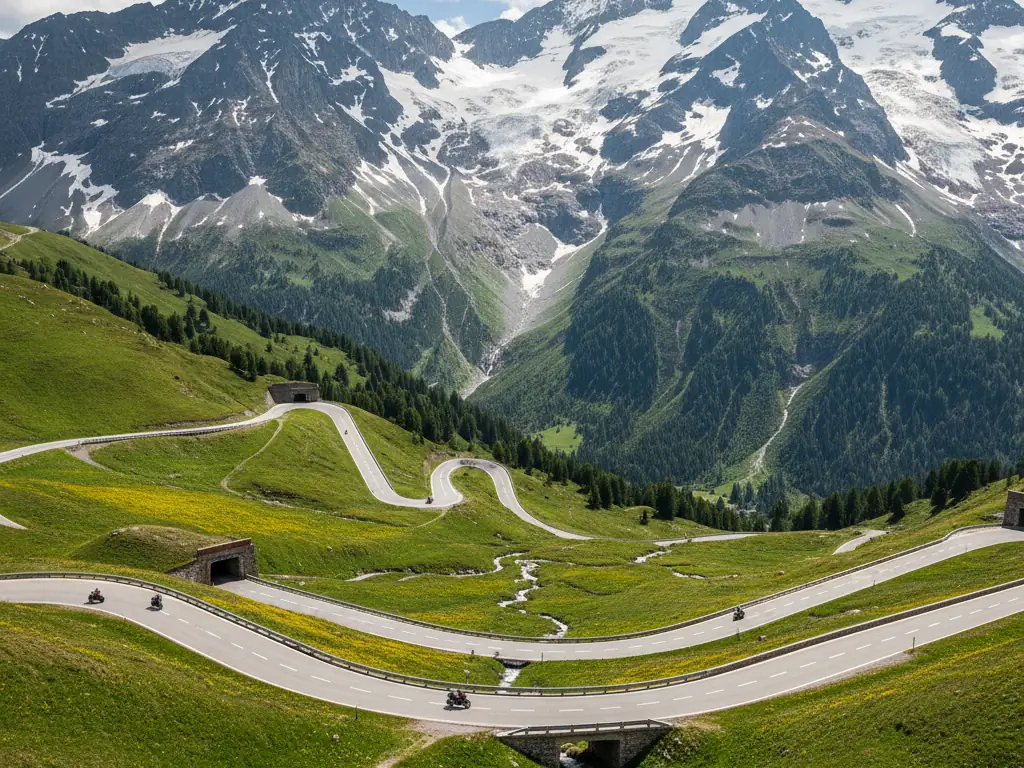
Month-by-Month Breakdown
Each month in Austria offers distinct advantages and challenges for family travel, shaped by temperature, rainfall patterns, and seasonal activities.
January and February bring cold conditions, with January averaging 4.2°C highs and -1.4°C lows, while February warms slightly to 7.4°C and 0.1°C. Rainfall remains moderate at 37.7mm and 34.8mm respectively, often falling as snow in alpine regions. These months excel for families interested in winter sports, with ski resorts in full operation and Christmas market atmospheres lingering into early January. The cold requires substantial winter gear but rewards families with magical snowy landscapes and excellent skiing conditions.
March marks the transition toward spring, with 11.3°C highs and 1.9°C lows. Rainfall drops to 25.8mm across 6.3 days, making it the driest month. Ski season continues in higher elevations while lower areas begin thawing. This shoulder month offers quieter attractions and the first hints of spring, though unpredictable weather means packing for both winter and milder conditions.
April delivers genuine spring warmth with 15.8°C highs and 5.9°C lows, though rainfall increases to 51.2mm over 10.0 days. Gardens and parks burst into bloom, Easter celebrations add festive atmosphere, and outdoor sightseeing becomes comfortable. The occasional shower requires flexible planning but rarely disrupts entire days.
May experiences the highest rainfall of the year at 82.7mm across 13.2 days, despite pleasant 19.5°C highs and 10.5°C lows. The frequent light showers keep landscapes lush and green, and temperatures suit active exploration. Packing rain jackets and planning indoor alternatives ensures families make the most of this beautiful month.
June, July, and August constitute peak summer, with July reaching the warmest temperatures of 27.2°C highs and 17.3°C lows. June averages 25.4°C and 15.4°C, while August sees 26.5°C and 16.9°C. Rainfall remains consistent around 68-69mm per month. These months deliver ideal conditions for swimming in alpine lakes, hiking mountain trails, and enjoying long daylight hours. However, major attractions experience their heaviest crowds, and accommodation becomes more difficult to secure without advance booking. The warm evenings make outdoor dining with children pleasant and extend daily sightseeing possibilities.
September offers superb family travel conditions with 21.6°C highs and 12.8°C lows, though rainfall reaches 75.3mm over 9.8 days. Schools restart in many countries, thinning tourist numbers while weather remains warm enough for outdoor activities. Autumn colors begin appearing in forests, and harvest festivals showcase regional traditions that engage curious children.
October brings cooler 15.9°C highs and 8.4°C lows with 55.9mm rainfall. Early autumn colors peak, making scenic drives and cable car rides especially photogenic. Families should pack layers as temperatures can fluctuate, and some mountain attractions begin closing for the season.
November and December turn decidedly cold, with November averaging 9.7°C and 3.7°C and December dropping to 5.5°C and 0.1°C. Rainfall sits around 47mm each month. December becomes magical for families as Christmas markets transform cities into winter wonderlands with festive lights, traditional crafts, and seasonal treats. The cold demands warm clothing but creates an enchanting atmosphere children remember for years.
School Holidays vs Shoulder Season Trade-offs
Families bound by school calendars face the classic dilemma between convenient timing and optimal conditions. Summer holidays in July and August align with Austria's warmest weather at 27.2°C and 26.5°C highs respectively, but coincide with peak tourist season when crowds swell at major attractions like Schönbrunn Palace and Hallstatt village. Popular sites require advance tickets, accommodation prices reach their highest points, and queues test children's patience. Christmas and Easter breaks offer the charm of seasonal celebrations - Christmas markets in December despite 5.5°C highs, or Easter egg hunts in April's 15.8°C warmth - but similarly attract significant visitor numbers and seasonal pricing.
Shoulder season travel in May, early June, or September provides compelling alternatives for families with scheduling flexibility. May's 19.5°C temperatures and blooming landscapes rival summer's appeal without the congestion, though the 82.7mm rainfall requires rain-ready planning. September's 21.6°C highs deliver comfortable sightseeing after European schools resume, substantially reducing crowds while maintaining warm conditions for outdoor activities. Early June, before schools break for summer, offers the sweet spot of 25.4°C warmth with manageable tourist numbers. The trade-off involves potentially pulling children from school for a week, which some families find worthwhile for the enhanced experience and better value that shoulder periods provide.
Weather by Season
Austria's four distinct seasons each create different opportunities for family activities and require specific preparation.
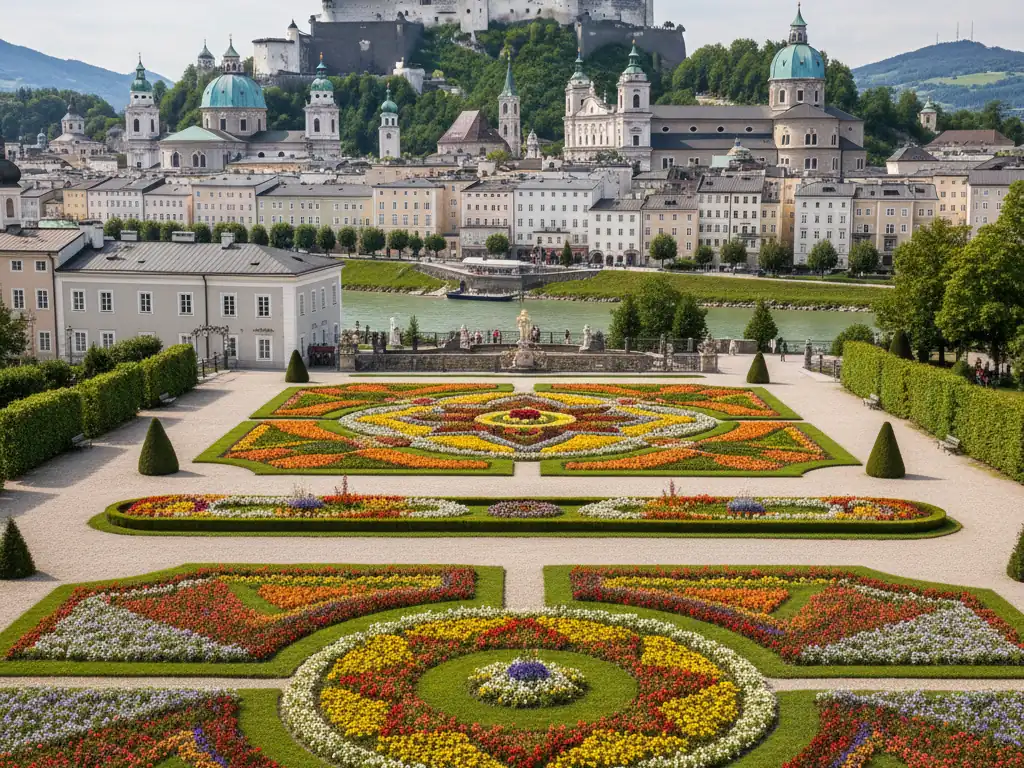
Spring (March-May) sees temperatures climb from 11.3°C in March to 19.5°C in May, with lows rising from 1.9°C to 10.5°C. Rainfall varies considerably, with March's dry 25.8mm contrasting sharply with May's wet 82.7mm. This season suits families who enjoy watching nature awaken, exploring gardens as flowers bloom, and experiencing Easter traditions. The changeable weather demands versatile packing and backup indoor plans, but rewards with fewer crowds and competitive pricing.
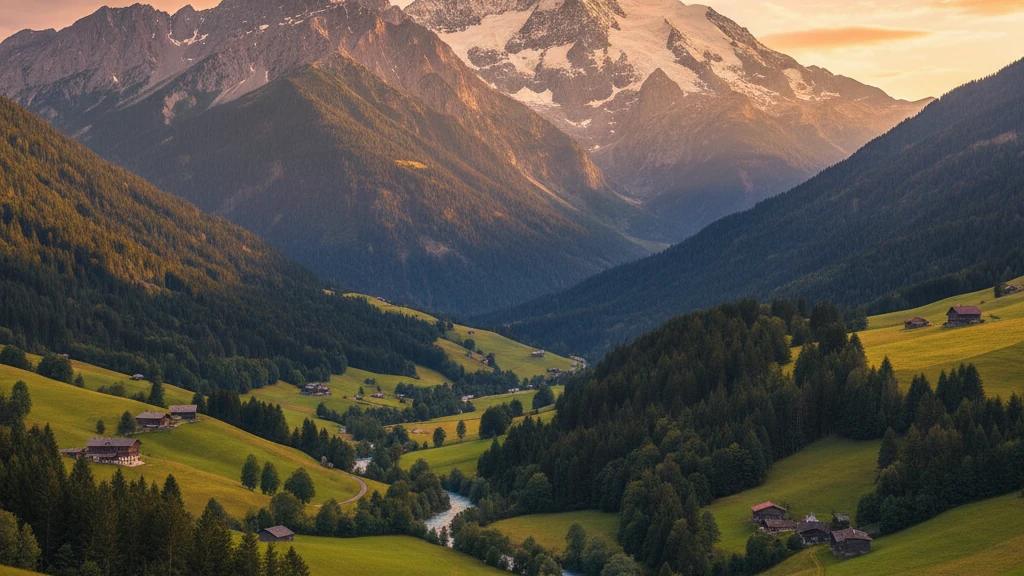
Summer (June-August) delivers consistently warm conditions ranging from 25.4°C to 27.2°C highs, with comfortable nighttime lows between 15.4°C and 17.3°C. Rainfall remains moderate around 68-69mm monthly. This season excels for active families seeking hiking, lake swimming, mountain cable car rides, and extended outdoor time. The reliable weather means less stress about activity cancellations, and long daylight hours maximize sightseeing. Alpine meadows reach peak bloom, outdoor festivals proliferate, and all attractions operate full schedules.
Autumn (September-November) transitions from September's pleasant 21.6°C to November's cool 9.7°C, with lows dropping from 12.8°C to 3.7°C. September's 75.3mm rainfall gradually decreases through autumn. This season appeals to families who appreciate fall foliage, harvest celebrations, and quieter attractions as tourist numbers decline. Cultural activities like museum visits and concert attendance become more central as outdoor time decreases, and the changing colors provide spectacular backdrops for family photos.
Winter (December-February) brings cold temperatures ranging from 4.2°C to 7.4°C highs and -1.4°C to 0.1°C lows, with moderate rainfall of 34.8mm to 47.2mm that often falls as snow in mountains. This season transforms Austria into a winter sports paradise for families with skiing or snowboarding interests, while Christmas markets add cultural richness and festive atmosphere. The short daylight hours and cold temperatures require careful planning around children's stamina and warmth needs, but create memorable experiences of hot chocolate stops, snowy landscapes, and cozy Austrian hospitality.
What to Pack for Austria with Kids
Packing for Austria requires adapting to significant temperature variations across seasons and between cities and alpine regions. Summer visitors should bring light layers for 25.4°C to 27.2°C daytime heat, but include sweaters for cool mountain evenings around 15-17°C and sudden weather changes. Rain jackets prove essential year-round given monthly rainfall between 25.8mm and 82.7mm, with May's frequent showers particularly demanding waterproof protection. Comfortable walking shoes with good support suit cobblestone streets in Vienna and Salzburg as well as moderate hiking trails, while sandals work for summer lake visits.
Winter travel demands substantial cold-weather gear for temperatures between -1.4°C and 7.4°C, including insulated coats, thermal layers, hats, gloves, and scarves for the entire family. Ski families need purpose-specific equipment or should plan to rent at resorts. Spring and autumn visits require the most versatile packing, with layers spanning winter items for chilly 1.9°C March mornings to light clothing for warm 19.5°C May afternoons. A small daypack helps carry shed layers, snacks, and water bottles as temperatures fluctuate throughout the day. For families with young children, a compact stroller suitable for cobblestones and a baby carrier for hiking trails expand exploration options. Sun protection including hats and sunscreen becomes important at higher elevations even in cooler months, as alpine sunshine intensifies with altitude regardless of temperature.
Crowd and Price Seasonality
Tourist patterns in Austria follow predictable cycles that significantly impact the family travel experience. Peak season spans July and August when warm 26.5-27.2°C temperatures attract maximum visitors, plus the Christmas market period in December despite cold 5.5°C weather. During these windows, major attractions like Vienna's Hofburg Palace, Salzburg's old town, and the picturesque village of Hallstatt experience heavy crowds that mean longer waits and advance booking requirements. Accommodation availability tightens and pricing reaches its highest levels, particularly in popular destinations and near ski resorts during winter holidays.
Shoulder seasons in May, June, and September offer substantially lighter crowds despite favorable weather conditions ranging from 19.5°C to 25.4°C. Tourist numbers decrease noticeably once European schools resume in September, and before summer holidays begin in late June, making attractions more accessible and creating a more relaxed atmosphere for families. Pricing moderates during these periods, with better availability and negotiating room. Low season from November through March (excluding Christmas weeks) sees the quietest conditions and most economical pricing, though winter sports areas maintain high prices during peak skiing weeks. April and October represent transitional months with variable crowds depending on holiday schedules, but generally remain manageable for families seeking quieter experiences. Strategic timing around these patterns allows families to balance budget considerations with crowd tolerance and weather preferences.
FAQ
What is the best month to visit Austria with young children who tire easily in heat?
September offers ideal conditions for families with young children, combining comfortable 21.6°C highs and 12.8°C lows that avoid summer's peak heat while remaining warm enough for outdoor activities. The moderate temperatures prevent overheating during walks and sightseeing, and the post-summer crowd reduction means shorter queues and less overwhelming environments for little ones. Attractions remain fully operational, and the pleasant weather suits flexible schedules that accommodate nap times and frequent breaks without battling extreme temperatures.
When should families visit Austria for the best combination of good weather and fewer tourists?
Early June before European summer holidays begin and September after schools resume provide the optimal balance of favorable weather and manageable crowds. Early June delivers warm 25.4°C temperatures perfect for outdoor exploration with substantially lighter tourist numbers than later summer months. September maintains pleasant 21.6°C conditions while experiencing a noticeable drop in visitors once school terms restart across Europe. Both months offer fully operational attractions, comfortable temperatures for active families, and better accommodation availability than peak summer weeks.
Is Austria worth visiting with kids during the rainy month of May?
May remains highly worthwhile for family visits despite the year's highest rainfall of 82.7mm, as the precipitation typically falls in short showers rather than all-day downpours. The 19.5°C temperatures create comfortable conditions, and the frequent rain keeps landscapes brilliantly green and gardens in spectacular bloom. Families who pack quality rain jackets, plan indoor alternatives like museums and palaces for wet spells, and maintain flexible schedules find May's combination of spring beauty, lighter crowds, and pleasant temperatures outweighs the shower inconvenience. The rain rarely prevents entire days of sightseeing when approached with appropriate preparation.
What time of year offers the best weather for families wanting to experience both Austrian cities and mountain areas?
Late spring in May and early summer in June provide the most versatile conditions for combining urban sightseeing with alpine adventures. May's 19.5°C city temperatures suit comfortable walking through Vienna and Salzburg, while higher elevations remain cool and snow-free enough for family-friendly hiking with spectacular wildflower displays. June's warmer 25.4°C conditions extend the range of mountain activities including cable car rides and moderate trails while keeping cities pleasant rather than hot. Both months see attractions in all regions fully operational, offering families genuine choice between cultural and outdoor pursuits without weather limitations that constrain other seasons.
Weather data: open-meteo (ERA5 reanalysis, 2014-2023 averages). Reviewed and updated periodically.