Best Time to Visit Slovenia with Kids
Slovenia offers families a compact European adventure combining alpine scenery, Adriatic coastline, and medieval castles, all within a country smaller than New Jersey. The best time to visit Slovenia with kids depends on balancing weather, crowd levels, and school schedules, with late spring and early autumn emerging as sweet spots for family travel. Summer delivers reliably warm conditions ideal for outdoor activities, though popular sites fill with tourists and prices climb. Understanding Slovenia's seasonal patterns - from snowy January in Ljubljana to warm July peaks - helps families choose dates that match their priorities, whether that means chasing sunshine for lake swimming or avoiding the busiest weeks at Bled and Postojna Cave.
| Month | Avg high | Avg low | Rainfall | Rainy days |
|---|---|---|---|---|
| January | 5.2°C | -2.7°C | 83.5 mm | 9.0 |
| February | 7.6°C | -1.4°C | 100.0 mm | 10.1 |
| March | 11.8°C | 0.8°C | 63.6 mm | 9.3 |
| April | 15.9°C | 4.6°C | 84.8 mm | 9.7 |
| May | 19.2°C | 9.2°C | 133.9 mm | 15.6 |
| June | 25.1°C | 14.1°C | 90.0 mm | 12.2 |
| July | 27.1°C | 16.0°C | 101.0 mm | 11.9 |
| August | 26.4°C | 15.7°C | 100.3 mm | 10.2 |
| September | 21.2°C | 11.5°C | 143.0 mm | 12.3 |
| October | 16.6°C | 7.4°C | 110.3 mm | 9.8 |
| November | 10.4°C | 3.3°C | 140.0 mm | 11.0 |
| December | 5.8°C | -1.2°C | 98.0 mm | 8.8 |
Best Overall Months for Families
June and September stand out as the top months for visiting Slovenia with kids, offering a practical balance of pleasant weather and manageable tourist volumes. June in Slovenia brings average highs of 25.1°C and lows of 14.1°C in Ljubljana, with 90.0 mm of rainfall across 12.2 rainy days - warm enough for outdoor exploration without the intense heat that can exhaust younger children. September offers similar advantages with highs of 21.2°C and lows of 11.5°C, though rainfall increases to 143.0 mm over 12.3 rainy days, making waterproof layers essential. Both months fall outside peak summer crowds, meaning shorter queues at Predjama Castle and more availability at family-friendly hotels near Lake Bled. May presents another strong option for families with flexible schedules, delivering highs of 19.2°C and lows of 9.2°C, though the 133.9 mm of rain across 15.6 days makes it the wettest month of the warmer season and requires packing accordingly.
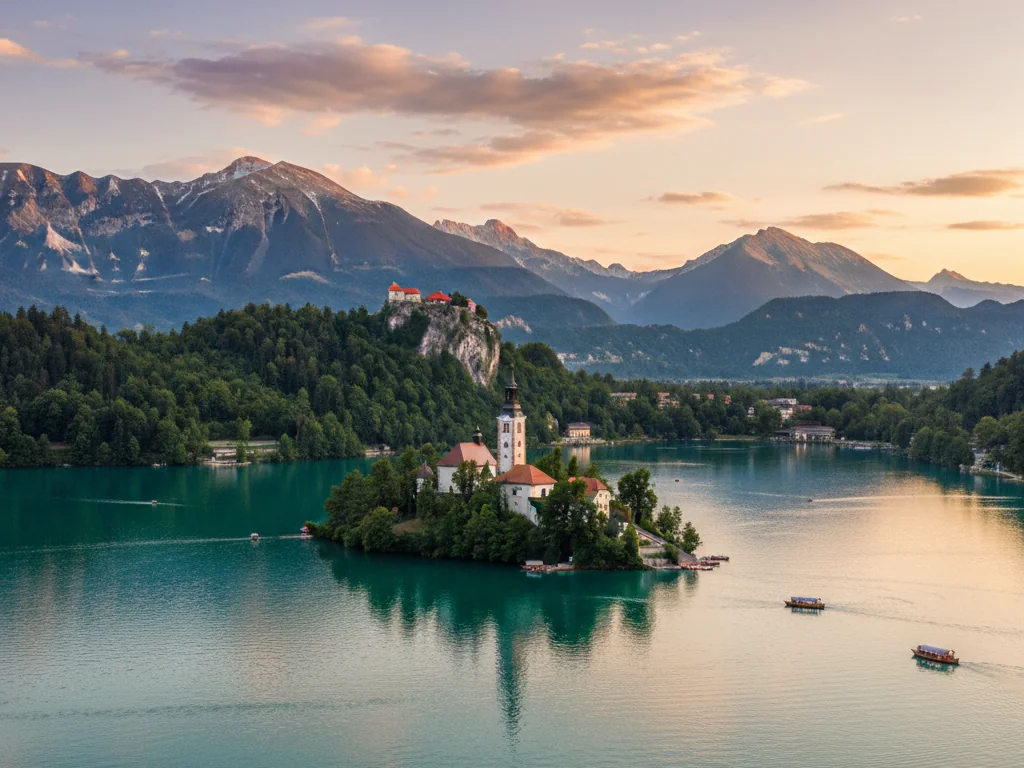
Month-by-Month Breakdown for Family Travel
Each month in Slovenia presents distinct conditions that affect family activities differently, from winter sports to coastal holidays.
- January and February: Winter months bring cold temperatures with January averaging 5.2°C highs and -2.7°C lows, while February warms slightly to 7.6°C and -1.4°C. Snowfall makes this ideal for families targeting ski resorts in the Julian Alps, though Ljubljana and lowland castles require warm layers and waterproof boots. January receives 83.5 mm precipitation over 9.0 days, February 100.0 mm over 10.1 days.
- March and April: Spring arrives gradually with March reaching 11.8°C highs and 0.8°C lows, warming to 15.9°C and 4.6°C in April. These shoulder months suit families seeking fewer crowds at major attractions, though weather remains unpredictable - March sees 63.6 mm rain over 9.3 days, April 84.8 mm over 9.7 days. Pack layers for fluctuating temperatures.
- May: Late spring brings comfortable 19.2°C highs and 9.2°C lows, perfect for hiking Triglav National Park trails and exploring Škocjan Caves. The 133.9 mm of rainfall over 15.6 rainy days means frequent showers, so plan indoor museum visits and cave tours as backup activities.
- June, July, and August: Summer delivers peak conditions with July reaching 27.1°C highs and 16.0°C lows, June at 25.1°C and 14.1°C, and August at 26.4°C and 15.7°C. These months suit beach days on the Slovenian Riviera and swimming in Lake Bled's warmer waters. Rainfall remains moderate - June sees 90.0 mm over 12.2 days, July 101.0 mm over 11.9 days, August 100.3 mm over 10.2 days - but afternoon thunderstorms can disrupt outdoor plans.
- September and October: Early autumn offers pleasant conditions with September at 21.2°C highs and 11.5°C lows, cooling to 16.6°C and 7.4°C in October. September brings Slovenia's highest rainfall at 143.0 mm over 12.3 days, while October sees 110.3 mm over 9.8 days. These months reward families with autumn colors in the countryside and thinner crowds at tourist sites.
- November and December: Late autumn and early winter turn cold with November averaging 10.4°C highs and 3.3°C lows, December dropping to 5.8°C and -1.2°C. November records 140.0 mm precipitation over 11.0 days, December 98.0 mm over 8.8 days. These months suit families targeting Christmas markets in Ljubljana but require full winter clothing.
School Holidays vs. Shoulder Season Trade-offs
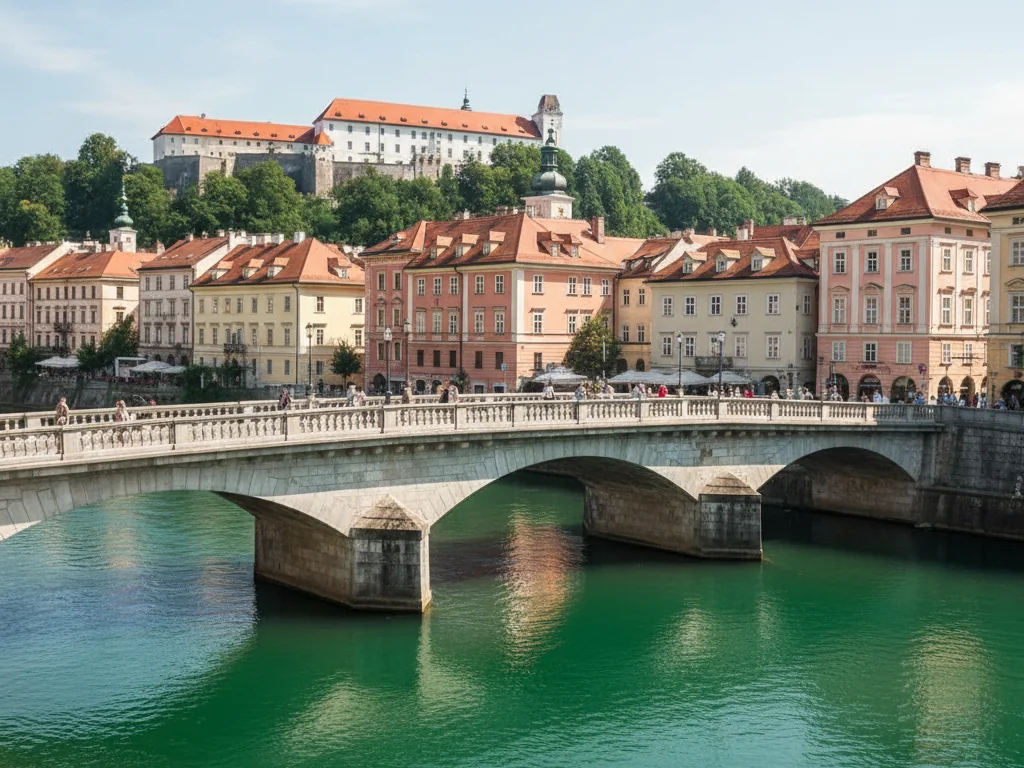
Families tied to school vacation schedules face a trade-off between optimal weather during summer holidays and the practical advantages of shoulder-season travel. July and August in Slovenia deliver the warmest, most reliable conditions - July averages 27.1°C highs with 101.0 mm rainfall over 11.9 days, August 26.4°C with 100.3 mm over 10.2 days - making them ideal for lake swimming, coastal visits, and outdoor activities without worrying about cold snaps. However, these summer months also coincide with European vacation periods, resulting in crowded attractions, fully booked family accommodations, and higher prices across hotels and rental apartments. Popular sites like Lake Bled, Postojna Cave, and Ljubljana's Old Town see their longest queues and most congested walkways during these weeks. Families able to travel during shoulder season - particularly June before schools close or September after term begins - benefit from nearly comparable weather with significantly fewer crowds. June offers 25.1°C highs and only 90.0 mm rain over 12.2 days, warm enough for most outdoor activities, while September delivers 21.2°C highs suitable for hiking and sightseeing, though the 143.0 mm rainfall across 12.3 days requires flexible daily planning. Extended weekends during May half-term or October breaks provide compromise options, though accommodation prices often spike during these shorter holiday windows.
Weather Patterns by Season
Slovenia experiences four distinct seasons that shape family activities throughout the year, with weather varying significantly between the alpine north, central lowlands, and coastal southwest. Spring from March through May brings steadily warming temperatures, starting at 11.8°C average highs in March and climbing to 19.2°C by May, though lows remain cool at 0.8°C to 9.2°C. Rainfall peaks in May at 133.9 mm over 15.6 rainy days, making spring the wettest season for family travel. Summer from June through August delivers the warmest, most stable conditions with highs between 25.1°C and 27.1°C and comfortable overnight lows of 14.1°C to 16.0°C. Rainfall remains moderate across summer months - June sees 90.0 mm over 12.2 days, July 101.0 mm over 11.9 days, August 100.3 mm over 10.2 days - with afternoon thunderstorms common in alpine regions but brief enough not to derail daily plans. Autumn from September through November brings cooling temperatures from 21.2°C in September down to 10.4°C in November, with September recording the year's highest rainfall at 143.0 mm over 12.3 days. Winter from December through February turns cold with highs between 5.2°C and 7.6°C and lows dropping below freezing, particularly in January at -2.7°C and December at -1.2°C. Precipitation during winter months ranges from 83.5 mm to 100.0 mm, often falling as snow in alpine areas and creating opportunities for family skiing.
What to Pack for Slovenia with Kids
Packing for Slovenia requires layering options and rain protection regardless of season, given the country's variable mountain weather and frequent precipitation throughout the year. For summer visits from June through August when highs reach 25.1°C to 27.1°C, bring lightweight clothing, sun hats, and sunscreen for outdoor activities, but pack a waterproof jacket and umbrella for each family member since rainfall totals 90.0 mm to 101.0 mm monthly. Comfortable walking shoes with good grip suit cobblestone streets in Ljubljana and uneven castle paths, while sandals or water shoes work for Lake Bled swimming. Spring and autumn travel from April through May and September through October demands more substantial layering - pack long-sleeve shirts, light sweaters, and warmer jackets for morning and evening temperatures that range from 4.6°C to 11.5°C, even as afternoon highs climb to 15.9°C to 21.2°C. Waterproof trousers help keep children comfortable during May and September when rainfall reaches 133.9 mm and 143.0 mm respectively. Winter visits from December through February require full cold-weather gear including insulated coats, thermal layers, warm hats, gloves, and waterproof boots, as temperatures drop to -2.7°C to -1.2°C overnight and hover around 5.2°C to 7.6°C during the day. Families planning ski trips need appropriate snow gear, though most can be rented at Slovenian resorts. Throughout the year, bring a small daypack for each child to carry water bottles, snacks, and extra layers during day trips, plus a basic first-aid kit and any prescription medications, as pharmacies outside Ljubljana may have limited hours.
Crowd Levels and Price Seasonality
Tourist crowds and accommodation prices in Slovenia follow a predictable seasonal pattern that significantly impacts family travel experiences. Peak season runs from July through August when European summer holidays bring maximum visitor numbers to Ljubljana, Lake Bled, Postojna Cave, and the short Adriatic coastline near Piran. During these weeks, families encounter long queues at major attractions, crowded restaurant patios, and fully booked hotels at family-friendly properties near top sites. Accommodation prices reach their annual high, and advance booking becomes essential for securing rooms that accommodate families with multiple children. Shoulder season encompasses late May through June and September through early October, offering substantially reduced crowds while weather remains generally favorable - June delivers 25.1°C highs with 90.0 mm rainfall, September 21.2°C with 143.0 mm. Families traveling during shoulder months find shorter wait times at attractions, easier restaurant reservations, and better accommodation availability at more competitive rates than peak summer. Low season from November through March sees minimal tourist activity outside ski resorts and Ljubljana's Christmas market period in December. While winter weather limits outdoor activities with temperatures between 5.2°C and 11.8°C and lows often below freezing, families targeting alpine skiing or city sightseeing benefit from the year's lowest accommodation prices and virtually empty major attractions. Mid-week travel during any season typically costs less than weekend stays and encounters fewer crowds than Friday through Sunday periods.
FAQ
What is the best month to visit Slovenia with young children who get tired in hot weather?
June and September offer the best balance for families with heat-sensitive young children, providing comfortable temperatures without summer's peak warmth. June in Ljubljana averages 25.1°C highs and 14.1°C lows with 90.0 mm rainfall over 12.2 days, warm enough for outdoor activities but not exhausting for smaller children. September delivers slightly cooler 21.2°C highs and 11.5°C lows, ideal for hiking and castle exploring, though the 143.0 mm of rain over 12.3 days requires packing waterproof gear and building flexible schedules with indoor backup options.
When does it rain most in Slovenia and how does this affect family travel plans?
May and September record Slovenia's highest rainfall, with May seeing 133.9 mm over 15.6 rainy days and September 143.0 mm over 12.3 rainy days in Ljubljana. These wet periods require families to plan indoor activities like visiting Postojna Cave, Ljubljana Castle's museum sections, and the National Museum as alternatives when outdoor plans face interruption. However, rain rarely falls continuously all day - showers tend to be intermittent - so flexible scheduling and waterproof clothing allow families to continue sightseeing between downpours rather than canceling entire days.
Is Slovenia warm enough for swimming in Lake Bled with kids during summer vacation?
Yes, July and August provide the warmest conditions for Lake Bled swimming, with July averaging 27.1°C highs and 16.0°C lows, and August 26.4°C highs and 15.7°C lows. These summer months warm the lake sufficiently for comfortable family swimming, though water temperatures remain cooler than Mediterranean beaches. June at 25.1°C highs also works for hardier children, while September at 21.2°C becomes too cool for most young swimmers despite pleasant air temperatures for other outdoor activities.
What time of year should families visit Slovenia to avoid the biggest crowds but still have decent weather?
Early June and late September through early October deliver the best combination of manageable crowds and acceptable weather for family sightseeing. June offers 25.1°C highs and 14.1°C lows with moderate 90.0 mm rainfall before peak summer crowds arrive, while late September maintains 21.2°C temperatures after most tourists depart. Early October cools to 16.6°C highs and 7.4°C lows with 110.3 mm rain over 9.8 days - still workable for families with proper layering - while major attractions return to off-season tranquility and accommodation prices drop from summer peaks.
Weather data: open-meteo (ERA5 reanalysis, 2014-2023 averages). Reviewed and updated periodically.