Visiting Egypt with Kids in the School Holidays
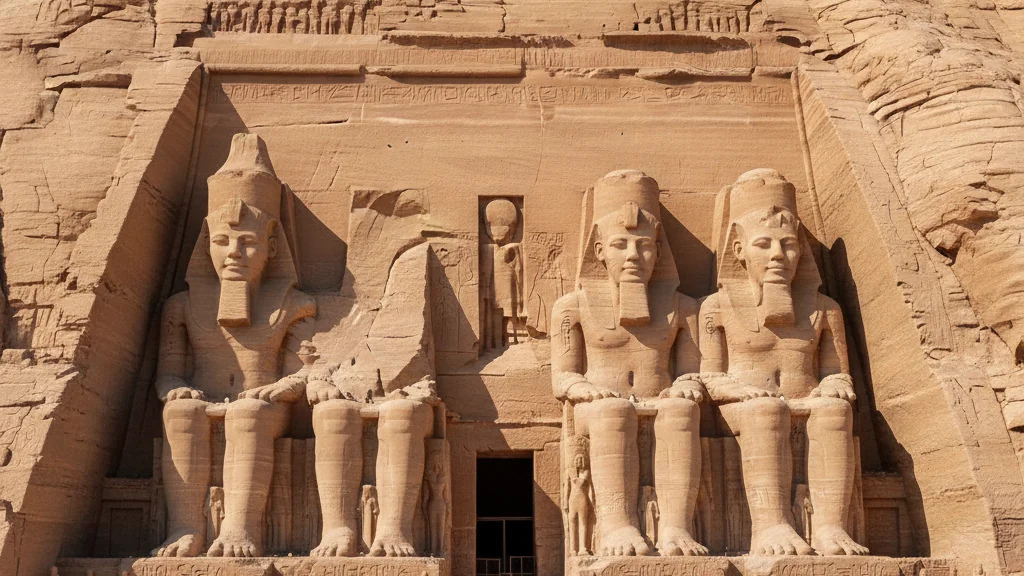
Egypt offers families an extraordinary blend of ancient wonders, Red Sea beaches and desert adventures - but school holidays dictate when most families can travel. The main UK holiday periods fall at different times of year, each bringing distinct weather conditions and crowd levels. Understanding what July, August, Easter and October half-term actually deliver in terms of temperature, rainfall and tourist numbers helps families prepare properly and choose the least challenging window for their circumstances.
| Month | Avg high | Avg low | Rainfall | Rainy days |
|---|---|---|---|---|
| January | 20.6°C | 13.3°C | 1.4 mm | 0.4 |
| February | 21.7°C | 14.4°C | 1.0 mm | 0.4 |
| March | 24.2°C | 16.7°C | 4.9 mm | 0.4 |
| April | 27.4°C | 19.9°C | 0.5 mm | 0.1 |
| May | 30.9°C | 23.6°C | 0.4 mm | 0.2 |
| June | 33.3°C | 26.3°C | 0.0 mm | 0.0 |
| July | 34.5°C | 28.1°C | 0.0 mm | 0.0 |
| August | 35.0°C | 28.4°C | 0.0 mm | 0.0 |
| September | 33.2°C | 26.6°C | 0.1 mm | 0.0 |
| October | 29.9°C | 23.5°C | 4.5 mm | 0.2 |
| November | 26.2°C | 19.6°C | 0.3 mm | 0.1 |
| December | 22.6°C | 15.7°C | 0.3 mm | 0.1 |
The Summer Holidays Reality: July and August Heat
July and August represent the most challenging conditions for families visiting Egypt. Temperatures in Hurghada reach 34.5°C in July and 35.0°C in August, with overnight lows around 28°C offering little relief. These months see zero rainfall and no rainy days, meaning relentless sunshine and intense heat throughout the day. For families planning temple visits in Luxor or exploring the Pyramids near Cairo, temperatures climb even higher inland - often exceeding what young children can comfortably manage during midday hours. These summer months do coincide with European peak season, bringing substantial crowds to major archaeological sites and popular Red Sea resorts, though European visitor numbers tend to moderate slightly as locals avoid the extreme heat.

Easter: The Goldilocks Window
Easter holidays typically fall in late March or April, when Egypt's weather sits in a more moderate zone. April sees average highs of 27.4°C and lows of 19.9°C, with minimal rainfall (0.5mm across the month and just 0.1 rainy days). Late March brings slightly cooler conditions with highs around 24.2°C and lows of 16.7°C. These temperatures allow families to explore archaeological sites comfortably throughout most of the day, though midday sun still requires sun protection and hydration breaks. Easter represents peak season in Egypt, attracting significant visitor numbers to major attractions, but the comfortable conditions often make the crowds worth managing. Beach activities along the Red Sea remain pleasant, with water temperatures warm enough for snorkeling and swimming without the punishing heat that develops later in summer.
October Half-Term: Pleasant and Popular
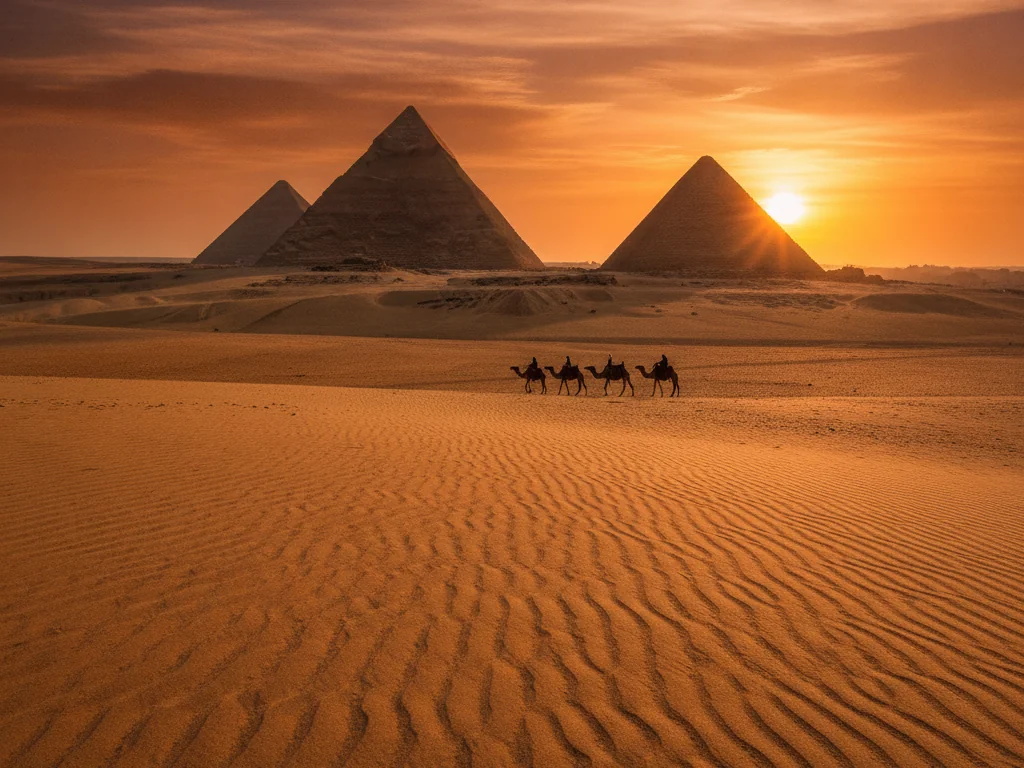
The October half-term week delivers some of Egypt's most family-friendly weather conditions. Average temperatures reach 29.9°C during the day and drop to 23.5°C overnight, offering comfortable warmth without the exhausting intensity of summer. The month records 4.5mm of rainfall across approximately 0.2 rainy days - essentially dry conditions with an extremely small chance of a brief shower. This pleasant weather makes October half-term increasingly popular with families, creating busy conditions at major sites and resorts. The Red Sea remains warm and inviting for water activities, while desert excursions and historical site visits become genuinely enjoyable rather than endurance tests. Many families consider this the optimal school holiday period for Egypt, if circumstances allow choosing between different breaks.
Managing the Heat with Young Children
Families travelling during July and August need strategic planning to keep children safe and comfortable in extreme heat. Early morning starts become essential - reaching the Pyramids, Valley of the Kings or other exposed sites by 7-8am allows exploration before temperatures peak. Midday hours suit pool time, air-conditioned museum visits or returning to accommodation for rest. Evening activities work well, with many sites offering extended hours or night-time sound and light shows. Constant hydration matters more than in typical holidays - children need water offered regularly, not just when they request it. Lightweight, long-sleeved UV-protective clothing often works better than repeated sunscreen application on wriggling children. For July and August travel, beach-focused itineraries with minimal inland touring prove less stressful than history-heavy schedules that require extensive outdoor time during the hottest hours.
Beating the School Holiday Crowds
All UK school holiday periods bring increased visitor numbers to Egypt's major attractions, but advance planning reduces the impact. Pre-booking skip-the-line tickets for popular sites like the Pyramids of Giza, Karnak Temple and Tutankhamun's tomb eliminates standing in ticket queues with tired children. Visiting major sites very early or during the late afternoon window means encountering fewer tour groups, which typically arrive mid-morning and depart mid-afternoon. Red Sea resorts show distinct patterns - properties catering specifically to Russian and European package tourists tend toward full capacity during peak periods, while hotels focusing on the domestic Egyptian market may show different seasonal peaks. Researching which visitor demographics a resort primarily serves helps identify potentially quieter options. River Nile cruises often fill completely during school holidays, making booking several months ahead essential for families wanting specific cabin categories or departure dates.
Booking Strategy for Peak Times
School holiday travel to Egypt requires earlier booking than shoulder season trips. Flights from UK airports to Cairo, Hurghada and Sharm el-Sheikh see increased demand during holiday weeks, with seat availability tightening and costs rising as departure dates approach. Booking four to six months ahead typically secures better flight options and accommodation rates than last-minute searches. Resort hotels popular with families - those featuring kids' clubs, multiple pools and family room configurations - fill earliest during July, August, Easter and October breaks. Package holidays occasionally offer better value than independent bookings during peak periods, as tour operators secure hotel inventory in advance. Travel insurance becomes particularly important for school holiday bookings, as changing plans typically means forfeiting deposits or paying substantial amendment fees rather than simply rebooking to different dates.
Which Peak Holiday Creates the Least Pain
For families constrained to school holiday travel, Easter and October half-term emerge as the most manageable options based on weather data. Easter's average April temperatures of 27.4°C highs and 19.9°C lows allow comfortable all-day activity, while October's 29.9°C highs and 23.5°C lows remain pleasant without reaching the exhausting intensity of summer. Both periods see virtually no rainfall, eliminating weather disruption concerns. July and August temperatures of 34.5-35.0°C require significant schedule adjustments and limit comfortable outdoor time, making these months substantially more challenging for families with younger children or those planning history-focused itineraries rather than pure beach holidays. October half-term's specific week often experiences slightly lower crowds than the longer Easter break, as it represents a shorter window for UK families. However, individual family circumstances - children's heat tolerance, planned activities and budget constraints - ultimately determine which peak period works best for each group.
FAQ
Is Egypt too hot for young children during the summer school holidays in July and August?
July and August bring extreme heat with temperatures reaching 35.0°C and overnight lows around 28°C in coastal areas, climbing higher inland. This level of heat proves challenging for young children during midday hours and requires careful management through early starts, midday breaks in air conditioning and constant hydration. Beach-focused holidays work better than extensive sightseeing during these months. Families with children under five or those planning intensive touring may find Easter or October half-term less stressful.
What should families pack for Egypt during Easter holidays when temperatures are more moderate?
Easter typically falls in late March or April when daytime temperatures reach 24-27°C with cooler evenings around 17-20°C. Pack layers including light long-sleeved shirts for sun protection, a light jacket for air-conditioned spaces and evening outings, broad-brimmed hats, high-SPF sunscreen and closed walking shoes for archaeological sites. Rainfall remains minimal with just 0.5mm in April, making rain gear unnecessary. Modest clothing covering shoulders and knees suits both cultural respect and sun protection at religious and historical sites.
How crowded are the Pyramids and Luxor temples during October half-term week with school holiday families?
October half-term brings significant visitor numbers to major Egyptian attractions as families capitalize on the pleasant 29.9°C temperatures and virtually rain-free conditions. The Pyramids, Valley of the Kings and popular Luxor temples see busy periods, particularly mid-morning through mid-afternoon when tour groups concentrate their visits. Arriving at opening time or during the final two hours before closing encounters noticeably fewer crowds. Pre-booking skip-the-line tickets and considering guided tours that access sites during quieter windows helps manage the peak season visitor levels.
Can families still do Nile cruises and desert activities during the intense summer heat of July and August?
Nile cruises continue operating throughout July and August, though the 34.5-35.0°C temperatures make shore excursions to temples challenging during midday. Ships offer air-conditioned comfort between stops, and many families manage by visiting sites very early, returning to the boat during peak heat, then venturing out again late afternoon. Desert activities like quad biking or camel rides need scheduling for early morning or sunset hours rather than midday. Families should assess their children's heat tolerance honestly - some cope well with proper precautions, while others find the extreme temperatures overwhelming regardless of schedule adjustments.
Weather data: open-meteo (ERA5 reanalysis, 2014-2023 averages). Reviewed and updated periodically.