Visiting Iceland with Kids in the School Holidays
Iceland sits at the top of many families' bucket lists, but school calendars often dictate when travel is possible. The reality of visiting during peak holidays means navigating the trade-offs between weather conditions, daylight hours, and the sheer volume of other tourists. Understanding what each school break brings helps families plan realistic itineraries and pack appropriately for a country where conditions can shift dramatically within hours.
| Month | Avg high | Avg low | Rainfall | Rainy days |
|---|---|---|---|---|
| January | 1.6°C | -2.9°C | 144.6 mm | 17.7 |
| February | 2.0°C | -2.3°C | 145.5 mm | 16.3 |
| March | 3.0°C | -1.5°C | 136.3 mm | 17.5 |
| April | 6.4°C | 1.3°C | 134.6 mm | 17.5 |
| May | 8.9°C | 3.7°C | 117.9 mm | 18.3 |
| June | 11.9°C | 7.1°C | 96.0 mm | 16.6 |
| July | 13.6°C | 8.7°C | 84.8 mm | 15.6 |
| August | 13.3°C | 8.4°C | 96.2 mm | 13.8 |
| September | 10.5°C | 6.1°C | 146.4 mm | 18.4 |
| October | 6.8°C | 2.9°C | 153.1 mm | 17.7 |
| November | 4.2°C | 0.5°C | 121.4 mm | 16.0 |
| December | 1.5°C | -2.7°C | 130.6 mm | 17.1 |
Summer Holidays: July and August
The main summer break brings families to Iceland when conditions are at their mildest. July sees average highs of 13.6°C and lows of 8.7°C, with 84.8 mm of rainfall spread across 15.6 days. August is marginally cooler at 13.3°C high and 8.4°C low, with 96.2 mm of rain over 13.8 days. These are Iceland's warmest and driest months, making them the most comfortable for outdoor activities with children. Daylight extends nearly around the clock - the sun barely dips below the horizon, offering flexibility for sightseeing schedules and reducing the pressure to cram activities into short days. However, this window also attracts the highest number of visitors. Popular sites like the Golden Circle, Blue Lagoon, and South Coast waterfalls become congested with tour buses and rental cars. Accommodation prices peak, and families booking last-minute may find limited options in desirable locations. The midnight sun can also disrupt children's sleep routines, requiring blackout arrangements and patience during bedtime.
Easter Break Realities
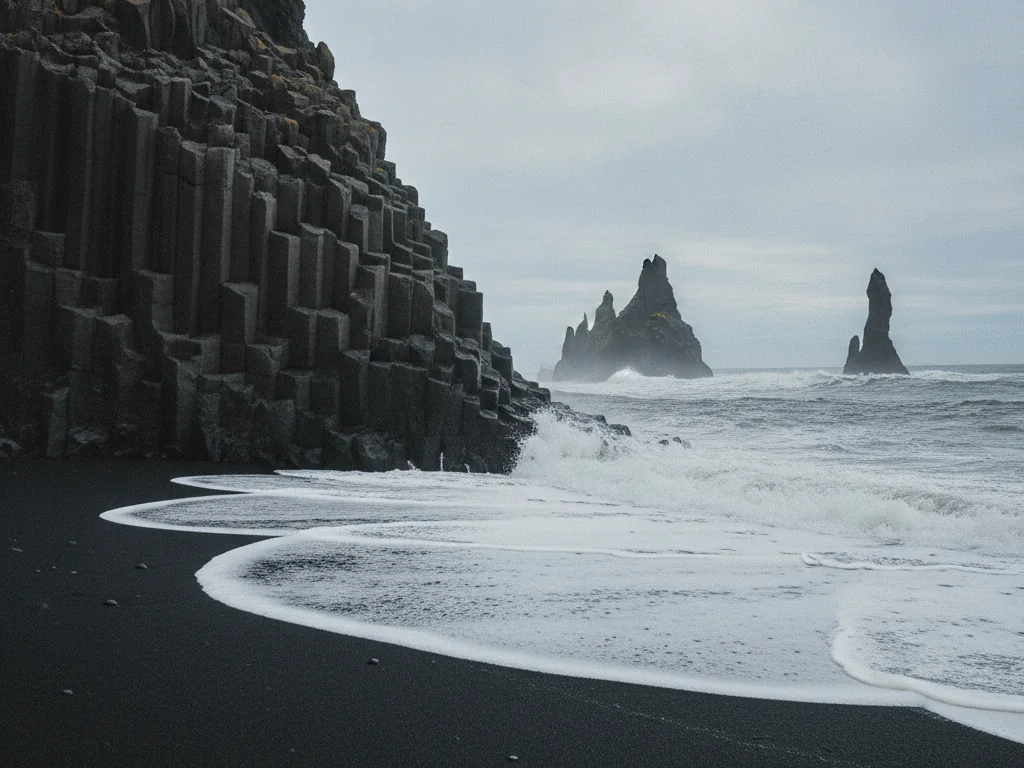
Easter typically falls in late March or April, bridging winter and spring conditions. March averages 3.0°C high and -1.5°C low with 136.3 mm of rain across 17.5 days, while April warms slightly to 6.4°C and 1.3°C with 134.6 mm over 17.5 days. Snow remains possible, particularly in higher elevations and the north, though coastal areas may see a mix of rain and sleet. Daylight hours increase rapidly during this period, providing reasonable time for activities, but conditions remain highly variable. Families visiting at Easter face unpredictable weather that can shift from clear skies to driving wind and precipitation within the same afternoon. The tourist numbers are lower than summer but still elevated during the break itself. This period sits firmly in shoulder season pricing, making it more accessible than July and August. For families willing to embrace layered clothing and flexible itineraries, Easter offers a chance to see Iceland without the peak summer crowds, though winter activities like ice caves may be ending just as whale watching begins.
October Half-Term: Autumn Conditions
The October school break brings families into Iceland's autumn, with average highs of 6.8°C and lows of 2.9°C. Rainfall reaches 153.1 mm across 17.7 days, making it the wettest month in the data. Daylight diminishes rapidly, with sunset arriving increasingly earlier as the month progresses. The landscape transitions into autumn colours in sheltered valleys, and the first aurora sightings become possible as darkness returns. However, the combination of cold temperatures, frequent rain, and limited daylight presents challenges for families with young children. Outdoor activities require full waterproof gear, and indoor backup plans become essential. Tourist numbers drop compared to summer, and prices reflect shoulder season rates. This half-term suits families seeking Northern Lights opportunities and fewer crowds, but requires realistic expectations about weather-dependent activities. Many highland roads close by October, limiting access to interior destinations and focusing itineraries on the Ring Road and accessible coastal areas.
Managing Cool Temperatures with Children
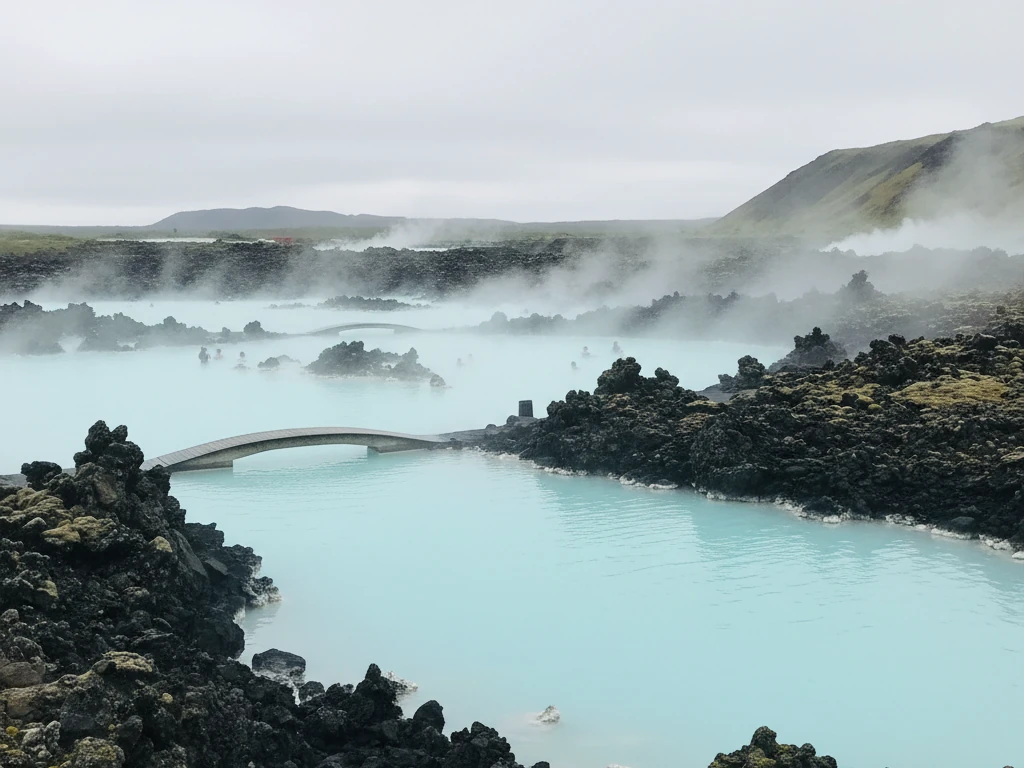
Even in July and August, Iceland's temperatures rarely exceed moderate levels, and wind chill frequently makes conditions feel colder than the thermometer suggests. Layering becomes the essential strategy: thermal base layers, fleece mid-layers, and waterproof outer shells allow children to adjust as they move between heated vehicles, outdoor sites, and geothermal pools. Families should pack gloves and hats even for summer visits, as temperatures in exposed coastal areas and near glaciers can feel much colder than the averages suggest. Frequent warm-up breaks at cafes or visitor centres help maintain morale during long days of outdoor exploration. The country's abundant geothermal pools offer natural respite - warm water attractions allow children to enjoy outdoor time comfortably even when air temperatures hover in single digits. Planning shorter activity windows and building in indoor experiences like museums, aquariums, and swimming pools prevents fatigue and cold-related complaints from derailing family harmony.
Beating the School Holiday Crowds
Popular attractions operate on predictable rhythms during peak periods. Tour buses typically arrive at major sites between 10:00 and 15:00, creating congestion at waterfalls, geysers, and beaches during midday hours. Families willing to visit early in the morning or later in the evening - easy during the extended summer daylight - encounter far fewer people. Booking accommodation outside Reykjavik and along the South Coast reduces competition for rooms and provides proximity to attractions before day-trippers arrive. Pre-booking activities like glacier hikes, whale watching tours, and specialty excursions weeks or months in advance secures spots and often locks in better rates. Lesser-known alternatives to famous sites offer similar experiences without the crowds: visiting Seljalandsfoss early in the morning rather than at midday, or exploring Westfjords peninsulas instead of the heavily trafficked Golden Circle. Families staying flexible with dining times can more easily secure restaurant tables, while those carrying picnic supplies gain independence from crowded cafeterias at tourist hubs.
Booking Strategy for Peak Periods
School holiday visits to Iceland require advance planning, particularly for July and August when demand peaks. Accommodation, rental vehicles, and popular tours fill months ahead, leaving late bookers with limited and expensive options. Families should secure flights and cars as soon as school calendars are confirmed, then layer in accommodation and activities progressively. Self-catering apartments and guesthouses outside main tourist zones often retain availability longer than hotels in Reykjavik or Vik. Package deals occasionally offer value, but independent booking provides more control over itinerary pacing - essential when travelling with children who need downtime between activities. Travel insurance becomes particularly valuable during school holiday trips, as illness or school schedule changes can derail plans made months in advance. Families should also consider the trade-off between pre-booking everything for certainty versus leaving some flexibility for weather-dependent decisions, particularly during shoulder seasons when conditions can force itinerary adjustments.
Which Peak Holiday Period Offers the Best Compromise
For families locked into school holiday travel, July and August present the most straightforward conditions despite the crowds and cost. The warmest temperatures, lowest rainfall, and extended daylight create the most comfortable environment for children and reduce weather-related complications. The midnight sun particularly benefits families, as there's no rush to complete activities before darkness, and children can enjoy outdoor play late into the evening. Easter and October half-term offer budget advantages and fewer tourists, but weather variability and limited daylight hours demand more flexibility and lower expectations for completing planned activities. Families with older children who can handle unpredictable conditions and appreciate aurora hunting may find October rewarding. Those with younger children, first-time visitors, or less tolerance for weather disruption will find summer holidays deliver the most reliable experience despite the compromises of sharing Iceland with thousands of other families navigating the same school-calendar constraints.
FAQ
What should families pack for visiting Iceland during July and August with children?
Even during summer, families need full waterproof gear including jackets and trousers, layers from thermal base to fleece mid-layer, waterproof hiking boots, hats, and gloves. The 13-14°C average highs feel colder in wind and rain, and conditions change rapidly. Swimwear is essential for geothermal pools. Blackout blinds or eye masks help children sleep during the midnight sun period.
How much more expensive is Iceland during school summer holidays compared to other times?
July and August represent peak pricing for accommodation, tours, and rental vehicles throughout Iceland. Shoulder seasons like April and October offer lower rates, though exact figures vary by provider and booking timing. Families should expect premium costs during summer and book well in advance to secure any remaining value options.
Can families see the Northern Lights during October half-term in Iceland with kids?
October marks the return of aurora possibilities as darkness increases, particularly in the latter part of the month. However, the 153.1 mm rainfall across 17.7 days means cloud cover frequently obscures viewing opportunities. Families should plan multi-night stays to improve odds and maintain realistic expectations, as sightings are never guaranteed regardless of season.
Is the weather in Iceland too unpredictable for planning activities with young children during Easter?
April brings transitional conditions with 6.4°C highs, 1.3°C lows, and 134.6 mm of rain across 17.5 days. Families need flexible itineraries with indoor backup options and appropriate gear. The weather is manageable with preparation but demands more adaptation than summer months. Those comfortable with uncertainty can find rewarding experiences with fewer crowds and shoulder-season pricing.
Weather data: open-meteo (ERA5 reanalysis, 2014-2023 averages). Reviewed and updated periodically.