Greece vs Turkey for Families: Which to Pick?
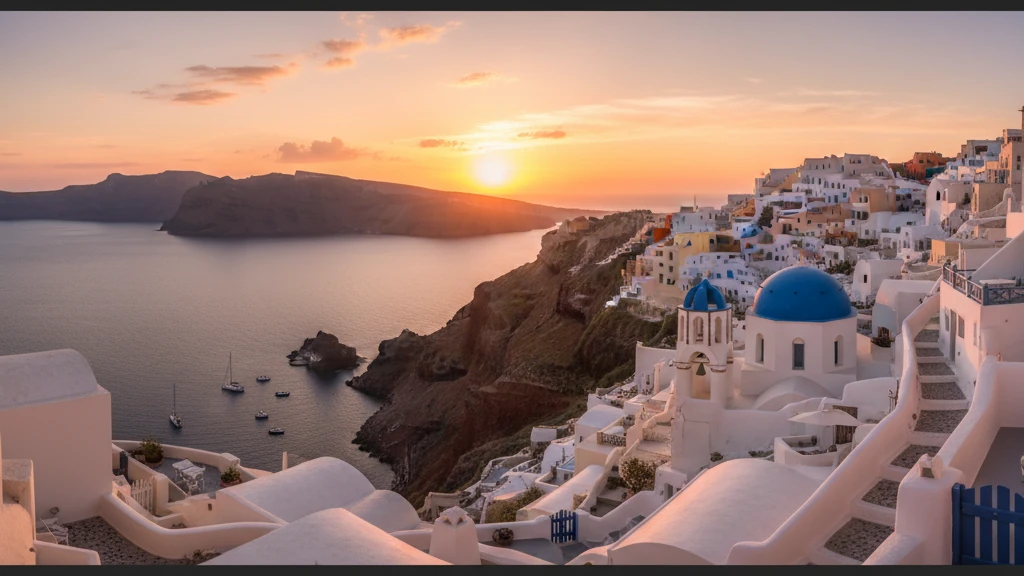
Choosing between Greece and Turkey for a family holiday means weighing ancient ruins against turquoise coastlines, taverna culture against bustling bazaars, and island-hopping against all-inclusive resorts. Both Mediterranean neighbours offer warm summers, family-friendly beaches, and rich history, yet their climates, peak seasons, and travel styles differ in ways that matter when travelling with children. This head-to-head comparison uses ten years of climate data to help families decide which destination suits their needs, budget, and ideal travel window.
Quick Verdict: Who Should Pick Which?
Families seeking island variety, shorter flights from Western Europe, and a May-to-September beach season will find Greece matches their plans. The country's predictable dry summers and manageable July temperatures around 33.2°C make it ideal for multi-island itineraries with young children. Turkey appeals to families wanting better value, larger resort complexes with kids' clubs, and a slightly longer shoulder season - April and October remain warm enough for swimming. Budget-conscious families and those travelling outside peak summer will often find Turkey delivers more facilities and space for less money, while Greece rewards those prioritising ease of island access and a compact travel zone.
Weather Head-to-Head: Greece vs Turkey
Understanding the climate differences between Athens (representing Greece's mainland and island climate patterns) and Antalya (Turkey's prime family resort region) reveals why timing matters. Greece enjoys a classic Mediterranean climate with hot, dry summers and mild, wetter winters. Turkey's southern coast shares those broad patterns but shows higher winter rainfall and slightly hotter summer peaks.
| Month | Avg high | Avg low | Rainfall | Rainy days |
|---|---|---|---|---|
| January | 12.3°C | 5.4°C | 73.5 mm | 8.9 |
| February | 13.7°C | 6.5°C | 47.4 mm | 7.0 |
| March | 15.6°C | 7.9°C | 52.1 mm | 7.1 |
| April | 20.0°C | 11.0°C | 29.8 mm | 5.6 |
| May | 25.0°C | 15.8°C | 29.6 mm | 4.9 |
| June | 29.5°C | 19.9°C | 33.4 mm | 5.8 |
| July | 33.2°C | 22.9°C | 7.7 mm | 1.8 |
| August | 32.9°C | 22.8°C | 8.8 mm | 2.0 |
| September | 28.5°C | 19.5°C | 28.2 mm | 3.2 |
| October | 23.1°C | 15.1°C | 30.8 mm | 3.5 |
| November | 18.5°C | 11.4°C | 62.0 mm | 7.5 |
| December | 14.1°C | 7.6°C | 82.9 mm | 8.0 |
Greece's summer months from June through August deliver consistent warmth, with highs between 29.5°C and 33.2°C and minimal rainfall - July sees just 7.7 mm across 1.8 rainy days. Spring arrives gradually, with April reaching 20.0°C and May warming to 25.0°C. Autumn remains pleasant through September at 28.5°C, though October cools to 23.1°C. Winter months from November to March bring most of the year's rain, particularly December's 82.9 mm across 8.0 days, making this period less suitable for beach-focused family trips.
| Month | Avg high | Avg low | Rainfall | Rainy days |
|---|---|---|---|---|
| January | 13.7°C | 5.8°C | 235.9 mm | 11.4 |
| February | 15.5°C | 6.5°C | 105.6 mm | 9.1 |
| March | 17.5°C | 8.0°C | 116.8 mm | 10.1 |
| April | 21.5°C | 10.6°C | 53.0 mm | 6.7 |
| May | 26.2°C | 15.1°C | 65.0 mm | 7.2 |
| June | 30.3°C | 19.2°C | 27.3 mm | 5.3 |
| July | 35.8°C | 23.7°C | 4.5 mm | 1.1 |
| August | 34.8°C | 23.9°C | 7.7 mm | 1.9 |
| September | 32.0°C | 20.7°C | 23.8 mm | 2.4 |
| October | 26.8°C | 16.0°C | 100.7 mm | 5.8 |
| November | 21.0°C | 11.3°C | 105.4 mm | 7.7 |
| December | 16.1°C | 7.9°C | 200.7 mm | 11.6 |
Turkey's Antalya coast runs warmer in high summer - July peaks at 35.8°C and August at 34.8°C - which some families with very young children may find intense during midday hours. The shoulder months offer compelling conditions: April reaches 21.5°C, May 26.2°C, September 32.0°C, and October still achieves 26.8°C. Winter rainfall proves substantially heavier than Greece, with January recording 235.9 mm across 11.4 rainy days and December 200.7 mm over 11.6 days. Spring months from March through May also see more rain than their Greek equivalents, though June through September remain reliably dry with July recording just 4.5 mm.
Best Time to Visit Greece with Kids
The prime family window for Greece runs from late May through early October, when sea temperatures support comfortable swimming and rain rarely disrupts plans. June combines warmth at 29.5°C with just 5.8 rainy days and marks the start of school holiday season across Europe. July and August deliver classic beach weather - highs around 33°C, minimal rain, and maximum sunshine hours - but also bring peak crowds to popular islands like Santorini, Mykonos, and Crete. Families with school-age children will find these months unavoidable, while those with flexibility might prefer early June or September. September offers particular appeal with 28.5°C temperatures, only 3.2 rainy days, warm sea from the summer heating, and noticeably thinner crowds as schools resume. May works for hardy families comfortable with 25.0°C weather and cooler water, while October's 23.1°C suits sightseeing over beach days. November through April brings too much rain and cool temperatures for typical family beach holidays, though history-focused families might find Athens and cultural sites pleasant during these quieter months.
Best Time to Visit Turkey with Families
Turkey's family season extends slightly longer at both ends than Greece, thanks to warmer shoulder months and more sheltered coastal geography. April through October all offer viable conditions, with the choice depending on heat tolerance and budget flexibility. May and June combine excellent weather - 26.2°C to 30.3°C - with growing sunshine and relatively calm resort periods before European school holidays begin. July and August turn hot, with temperatures climbing above 35°C during afternoon hours; families should plan indoor activities or pool time during peak heat and venture to beaches in early morning or late afternoon. September stands out as an ideal compromise month: 32.0°C temperatures, just 2.4 rainy days, genuinely warm sea temperatures, and decreasing prices as peak season ends. October remains surprisingly warm at 26.8°C, though rainfall increases to 100.7 mm across 5.8 days - still manageable with flexible planning. Late April offers budget-minded families a gamble: pleasant 21.5°C weather but higher rainfall at 53.0 mm than Greece's equivalent. Winter months prove too wet and cool for beach resorts, with November through March recording substantial rainfall and temperatures dropping to single digits overnight.
Crowds, Costs, and Seasonal Shifts
Both destinations follow similar seasonal pricing and crowd patterns, with important differences in scale and value. Peak season runs July through August across both countries, driven by European school holidays. Greek islands see intense crowding during these months, particularly ferry routes and popular beaches on smaller islands where infrastructure limits capacity. Accommodation costs rise substantially, and families must book months ahead for preferred properties. Turkey's larger resort complexes absorb peak crowds more comfortably, and the sheer number of hotel rooms along the Antalya coast means more availability even during busy periods, though prices still climb during peak weeks. Shoulder season - late April through June and September through early October - delivers the best value equation: Greece offers calmer islands and lower prices without sacrificing weather, while Turkey's resorts slash rates dramatically and families enjoy less-crowded pools and beaches. Low season from November through March brings cheapest prices and quietest sites, but rainy days and cool temperatures make beach activities impractical. Families chasing value should target the first two weeks of September when weather remains excellent but prices drop as schools reopen across Europe.
Beaches, History, and Activities for Young Travellers
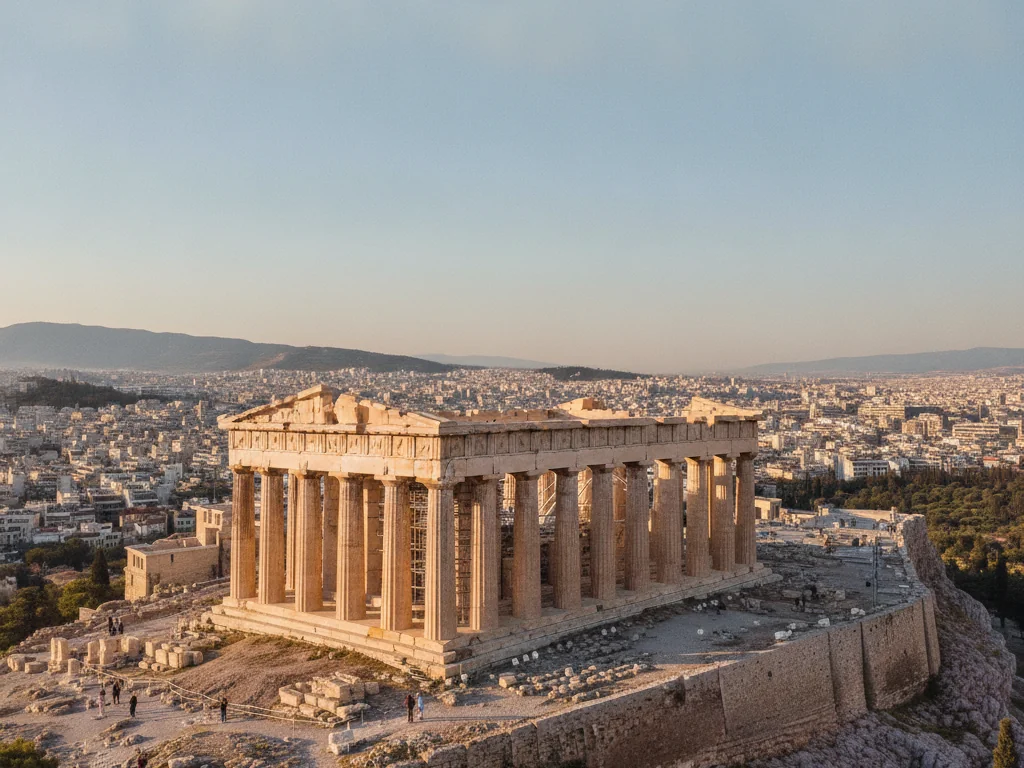
Greece's island geography creates variety: families can combine sandy beaches with boat trips, snorkelling in clear waters, and visits to accessible ancient sites. Islands like Crete, Rhodes, and Corfu offer purpose-built family beaches with shallow entries, tavernas serving familiar foods, and compact distances between accommodation and coast. The country's manageable scale means families can island-hop easily, keeping restless teenagers engaged with changing scenery. Historical sites like the Acropolis, Knossos, and Ancient Olympia provide educational breaks from beach time, though little shade and summer heat require early-morning visits. Water parks, aquariums, and boat excursions add structured activities when free-form beach days need variety. Turkey's strength lies in all-inclusive resort infrastructure: purpose-built complexes offer kids' clubs, multiple pools, waterslides, evening entertainment, and on-site childcare that gives parents genuine breaks. The Lycian coast and Antalya region combine excellent sandy beaches with ancient sites like Ephesus, Perge, and Side - often less crowded than Greek equivalents. Turkish resorts typically provide more space, larger rooms, and better facilities for the same budget compared to Greek island hotels. Active families will find both countries offer sailing, kayaking, and cycling, though Greece's island terrain favours boat-based exploration while Turkey's longer coastline suits extended beach stays at a single resort base.
Which Family Should Pick Which Country?
Families with children under eight seeking all-inclusive convenience, kids' clubs, and predictable facilities should lean toward Turkey, where resort infrastructure handles young children's needs comprehensively and all-day childcare lets parents relax fully. The value proposition strengthens for larger families or those travelling on tighter budgets, as Turkish resorts deliver more space and amenities for comparable or lower cost than Greek alternatives. Greece suits families with older children or teenagers who will appreciate island-hopping variety and don't require constant structured entertainment. The country rewards independent travellers comfortable booking separate accommodation, ferries, and activities rather than purchasing all-inclusive packages. Multi-generational groups often prefer Greece's apartment-style accommodation and village settings where grandparents can participate at their own pace. Families prioritising authentic cultural immersion - markets, local tavernas, village festivals - will find Greece's smaller scale more accessible, while those wanting buffet convenience and entertainment teams should choose Turkey. Both countries require sun protection planning during summer months, though Turkey's higher July-August temperatures demand extra caution with very young children during midday hours. Families able to travel in September gain the best of both worlds regardless of choice: excellent weather, manageable crowds, and better value than peak summer weeks.
FAQ
Is Greece or Turkey better for families travelling with toddlers and preschoolers?
Turkey's all-inclusive resorts offer better infrastructure for very young children, including kids' clubs from age four upward, shallow pool areas, high chairs and child menus as standard, and contained resort grounds that let toddlers explore safely. Greece requires more independent planning but rewards families with villa accommodation where toddlers nap on flexible schedules and private pools eliminate concerns about splashing other guests. For hassle-free travel with under-fives, Turkish resorts deliver more support systems, while Greece suits families comfortable managing their own routines and preferring self-catering flexibility over organised entertainment.
Which destination has better weather for a family beach holiday in early June or late September?
Both countries offer excellent conditions during these shoulder periods, with slight advantages depending on timing. Early June sees Greece at 29.5°C with just 5.8 rainy days and Turkey slightly warmer at 30.3°C with 5.3 rainy days - negligible difference for practical purposes. Late September favours Turkey's 32.0°C and 2.4 rainy days over Greece's 28.5°C and 3.2 rainy days, delivering more reliable beach weather and warmer sea temperatures after the summer heating. Families seeking guaranteed warmth in late September should lean toward Turkey, while early June works equally well in both destinations with Greece offering a slightly lower chance of afternoon heat overwhelming young children.
How do Greece and Turkey compare for families trying to combine beach time with historical sightseeing?
Both countries deliver ancient history alongside Mediterranean beaches, with different access patterns. Greece concentrates major sites like the Acropolis, Delphi, and Olympia on the mainland, requiring families to split time between Athens and island beaches or accept longer travel days. Islands including Crete and Rhodes combine ruins with resorts more conveniently. Turkey's southern coast integrates history and beaches more seamlessly - Ephesus, Perge, Side, and numerous Lycian tombs sit within short drives of major resort areas, letting families visit ruins during cooler morning hours and return to pools by afternoon. Turkish sites often provide better shade and facilities for young visitors, while Greek sites reward older children able to appreciate the significance of locations like Knossos or Ancient Olympia despite minimal shelter from summer sun.
What should families pack differently for Greece versus Turkey during summer months?
Core packing remains similar - sun protection, swimwear, light cotton clothing - with subtle adjustments based on each country's patterns. Turkey's higher July-August temperatures above 35°C require more aggressive sun protection including rash vests for beach time, wider-brimmed hats, and plans for indoor breaks during 1300-1600 hours when heat peaks. Greece's slightly lower summer temperatures around 33°C permit more midday beach time, though families still need high-factor sunscreen and shade options. Both destinations require modest clothing for religious sites - Turkey's mosques need covered shoulders and long trousers or skirts, while Greek monasteries enforce similar rules. Evening temperatures remain comfortable in both countries during summer, rarely requiring more than a light cardigan for air-conditioned restaurants. Spring and autumn visits to either country need layering options as mornings start cool before warming substantially by midday.
Weather data: open-meteo (ERA5 reanalysis, 2014-2023 averages). Reviewed and updated periodically.