What to Pack for Qatar with Kids (Season by Season)
Qatar's desert climate swings from mild winter months perfect for outdoor exploration to scorching summers when air-conditioned malls become your best friend. Packing smart means preparing for extreme heat, brilliant sunshine year-round, and occasional winter rain showers. Families visiting this Gulf state need to balance cultural respect - modest clothing for public spaces and mosques - with practical choices that keep children comfortable in temperatures that can exceed 41°C. The right gear transforms a family holiday from exhausting to enjoyable, whether you're strolling Doha's Corniche in February or seeking indoor attractions during the July heat.
| Month | Avg high | Avg low | Rainfall | Rainy days |
|---|---|---|---|---|
| January | 22.0°C | 14.1°C | 20.5 mm | 2.4 |
| February | 23.3°C | 15.0°C | 10.0 mm | 1.7 |
| March | 27.2°C | 18.0°C | 7.9 mm | 2.0 |
| April | 32.2°C | 21.9°C | 6.0 mm | 1.0 |
| May | 37.5°C | 26.5°C | 0.1 mm | 0.0 |
| June | 40.9°C | 29.2°C | 0.0 mm | 0.0 |
| July | 41.2°C | 30.8°C | 2.3 mm | 0.4 |
| August | 41.0°C | 30.7°C | 0.1 mm | 0.0 |
| September | 39.0°C | 28.6°C | 0.1 mm | 0.0 |
| October | 35.4°C | 25.6°C | 1.1 mm | 0.4 |
| November | 29.3°C | 21.5°C | 10.1 mm | 1.9 |
| December | 24.7°C | 16.9°C | 9.3 mm | 1.3 |
Spring Packing Essentials (March-May)
Spring in Qatar begins pleasantly in March with highs around 27.2°C and lows near 18°C, but temperatures climb rapidly through April (32.2°C highs) and May (37.5°C highs). Rainfall drops to nearly nothing - just 7.9 mm in March, 6.0 mm in April, and a trace 0.1 mm in May - making this a dry season requiring sun-focused preparation. Pack light layers for early spring mornings when temperatures dip to 18°C, but prioritize breathable fabrics as the season progresses. Cotton and linen clothing work best, with long-sleeved shirts offering sun protection while remaining cool. Children need lightweight trousers or long skirts for mosque visits and cultural sites, plus shorts and t-shirts for resort pools. Bring a light cardigan for over-air-conditioned restaurants and shopping centers, which often feel frigid compared to outdoor heat. By May, when highs reach 37.5°C and lows stay above 26.5°C, focus exclusively on heat management with minimal layering.
Summer Packing Essentials (June-August)
Summer delivers Qatar's most extreme conditions, with June through August seeing average highs between 40.9°C and 41.2°C and nighttime lows that barely drop below 29.2°C. These months are virtually rainless - June and August record 0.0 mm, while July sees just 2.3 mm and 0.4 rainy days. Pack exclusively for intense heat and plan most activities indoors or after sunset. Loose-fitting, light-colored clothing in breathable natural fibers keeps families coolest, though synthetic athletic wear with moisture-wicking properties also performs well. Children need multiple changes of clothing daily as sweat is constant. Bring modest swimwear for hotel pools - families spend significant time poolside during summer visits. A wide-brimmed hat for each family member is non-negotiable, as is a light scarf or shawl for women to cover shoulders in public areas. Pack the absolute minimum, as you'll want to carry as little as possible in this heat. Consider purchasing bulky items like sunscreen locally rather than packing them, since you'll go through bottles quickly.
Autumn Packing Essentials (September-November)
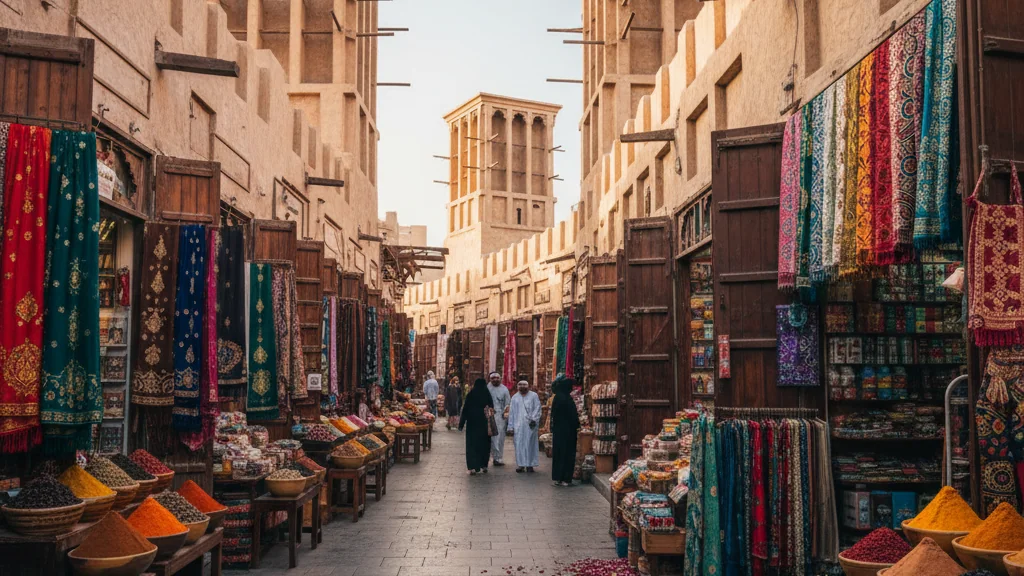
Autumn brings welcome relief, though September remains hot at 39.0°C with lows of 28.6°C and almost no rainfall (0.1 mm). October cools noticeably to 35.4°C highs and 25.6°C lows with minimal precipitation (1.1 mm, 0.4 rainy days), while November marks a significant shift to 29.3°C highs and 21.5°C lows with 10.1 mm of rain across 1.9 days. Pack for summer conditions in September, then transition clothing as the season progresses. By November, families can comfortably explore outdoor attractions like Souq Waqif and desert excursions. Bring light layers - a long-sleeved shirt and light trousers for cooler evenings, though daytime temperatures still warrant summer clothes. November's occasional rain showers mean packing a compact umbrella or light rain jacket becomes worthwhile. This season is ideal for packing versatile pieces that work across temperature ranges, as mornings can feel genuinely pleasant while midday sun still packs punch. Children benefit from mix-and-match wardrobes that adapt to both warm days and cooler evenings.
Winter Packing Essentials (December-February)
Qatar's winter offers the most comfortable conditions for families, with December averaging 24.7°C highs and 16.9°C lows, January reaching 22.0°C and dipping to 14.1°C, and February warming slightly to 23.3°C and 15.0°C. Rainfall increases modestly - December sees 9.3 mm over 1.3 days, January 20.5 mm over 2.4 days, and February 10.0 mm over 1.7 days. Pack light layers including long trousers, long-sleeved shirts, and a light jacket or fleece for evenings when temperatures drop to 14-16°C. Mornings and evenings can feel genuinely cool, especially if breezes blow off the Gulf. Children need closed-toe shoes for winter outdoor activities, as sandals become uncomfortable when temperatures drop. Bring a light sweater for each family member - you'll wear it at outdoor restaurants and evening events. A compact rain jacket or waterproof windbreaker serves double duty against both winter showers and cool winds. Winter is perfect for packing modest but comfortable clothing for full-day outdoor exploration, from desert safaris to dhow cruises. Pack slightly more substantial clothing than you'd expect for a Gulf destination, as winter evenings genuinely call for warmth.
Footwear for Every Season
Footwear needs vary more by activity than season in Qatar, though winter months call for closed-toe options. Comfortable walking sandals with good arch support work year-round for most families, as you'll walk through air-conditioned malls, along paved waterfronts, and around resort grounds. Children need sturdy sandals that stay securely on feet - flip-flops cause blisters and aren't practical for active exploration. Pack one pair of closed-toe athletic shoes per family member for desert excursions, indoor play centers, and winter outdoor activities. Lightweight canvas shoes breathe better than heavy trainers in summer heat. Water shoes protect feet on hotel beaches and in waterparks where hot sand and pool surfaces can burn. Bring dress shoes if you plan upscale dining experiences, though smart sandals often suffice at family-friendly restaurants. Avoid packing more than three pairs of shoes per person - laundry services at hotels mean you can rotate favorites rather than overpacking.
Sun and Rain Protection
Qatar's intense sunshine year-round makes sun protection your top packing priority, while rain gear matters only November through February. Every family member needs a wide-brimmed hat or cap - baseball caps don't protect ears and necks adequately. Pack high-SPF sunscreen (50+ recommended), though it's widely available locally. Sunglasses with UV protection are essential for adults and children over age three. A lightweight UV-protective rash guard for children provides superior pool and beach protection compared to repeated sunscreen application. Bring a beach tent or pop-up sun shelter if you plan significant beach time, as natural shade is scarce. For the minimal rainy season (November-February, with January's 20.5 mm and 2.4 rainy days the wettest), a compact travel umbrella per family is sufficient - downpours are brief and rarely disrupt plans. Skip bulky rain gear; a light waterproof jacket serves multiple purposes including protection against over-enthusiastic air conditioning and evening breezes.
Kids' Essentials Beyond Clothing
Children's comfort items and health supplies deserve careful packing consideration in Qatar's climate extremes. Bring any prescription medications with documentation, plus a basic first-aid kit including blister plasters (new shoes and heat cause friction), antihistamine cream for insect bites, and fever reducers. Pack extra doses of electrolyte replacement sachets, as children dehydrate quickly in heat - local pharmacies stock these, but having supplies immediately available matters. A refillable water bottle for each child is mandatory; hotels and malls have water fountains for refills. Bring familiar snacks for fussy eaters, though international brands are widely available in Doha supermarkets. A compact stroller for younger children makes mall exploration manageable, though many families find lightweight umbrella strollers more practical than full-size travel systems. Pack a tablet loaded with entertainment for downtime in hotel rooms during the hottest hours. Swimming aids like floaties should come from home if your child has favorites, though hotels typically provide pool equipment. Don't forget comfort items like a favorite stuffed toy or blanket for maintaining sleep routines.
What NOT to Bring
Avoid overpacking by leaving these items at home. Heavy winter coats, thick jumpers, and boots have no place in Qatar - even January lows of 14.1°C require only light layers. Skip the hair dryer and straighteners, as hotels provide them and the humidity (even in low-rainfall months) makes extensive hair styling pointless. Don't pack excessive toiletries - international brands are available at Doha pharmacies and supermarkets, often at competitive prices. Bulky beach toys aren't worth luggage space when hotels loan equipment and beach shops sell inexpensive alternatives. Leave jeans and heavy denim at home, as they're unbearably hot except possibly in mid-winter. Avoid packing white or very light clothing that shows every sand and dust particle - Qatar's desert environment means a light layer of dust is inevitable. Don't bring clothing that requires ironing unless you plan to use hotel laundry services, as the humidity and heat wrinkle fabrics instantly. Skip the extensive book collection; pack e-readers instead to save weight. Finally, don't pack alcohol - Qatar has strict importation rules, and it's available only in licensed hotel restaurants and bars for visitors.
FAQ
What should families pack for visiting mosques and cultural sites in Qatar with children?
Families need modest clothing covering shoulders, arms to elbows, and legs to ankles for mosque visits, regardless of season. Women should pack a lightweight scarf or shawl to cover hair, while children over age seven typically follow adult modesty guidelines. Loose-fitting cotton or linen clothing in light colors stays coolest while meeting requirements. Many mosques provide abayas (robes) for visitors, but having your own appropriate clothing ensures comfort and flexibility. Shoes must be removed at mosque entrances, so pack socks if your family prefers not walking barefoot indoors.
How much sunscreen should we pack for a week-long family trip to Qatar in summer?
Rather than packing large quantities, bring travel-sized sunscreen for your first day and purchase full bottles locally at pharmacies or supermarkets in Doha. Summer temperatures of 40-41°C mean families reapply frequently - a family of four typically uses a large bottle every two days with proper coverage. High-SPF sunscreen (factor 50+) is widely available at Carrefour, Lulu Hypermarket, and local pharmacies, often at prices comparable to home. This approach saves precious luggage weight while ensuring you have adequate protection. Don't forget lip balm with SPF and after-sun lotion for evening application.
Is it worth packing warm clothes for Qatar in December and January with kids?
Yes - pack light layers including long trousers, long-sleeved shirts, and a fleece or light jacket for each family member. January temperatures drop to 14.1°C at night, and December lows reach 16.9°C, which feels genuinely cool after warm days averaging 22-24.7°C. Evening desert safaris, dhow cruises, and outdoor dining become uncomfortable without a warm layer. Children particularly need jackets for early morning activities and after-sunset outings. The layering approach works best: t-shirt, long-sleeved shirt, and light jacket that you can remove as temperatures rise during the day.
What type of shoes work best for children exploring Qatar in different seasons?
Sturdy walking sandals with back straps form the foundation of children's footwear year-round, suitable for malls, waterfront walks, and resort grounds. Add closed-toe athletic shoes for desert excursions and active play, essential when winter temperatures make sandals uncomfortable. Water shoes protect against hot sand and pool surfaces during summer months when ground temperatures soar. Avoid flip-flops despite the heat - they cause blisters during Qatar's significant walking requirements at attractions like Souq Waqif and Katara Cultural Village. One pair of sandals, one pair of athletic shoes, and water shoes cover all scenarios without overpacking.
Weather data: open-meteo (ERA5 reanalysis, 2014-2023 averages). Reviewed and updated periodically.