Visiting Maldives with Kids in the School Holidays
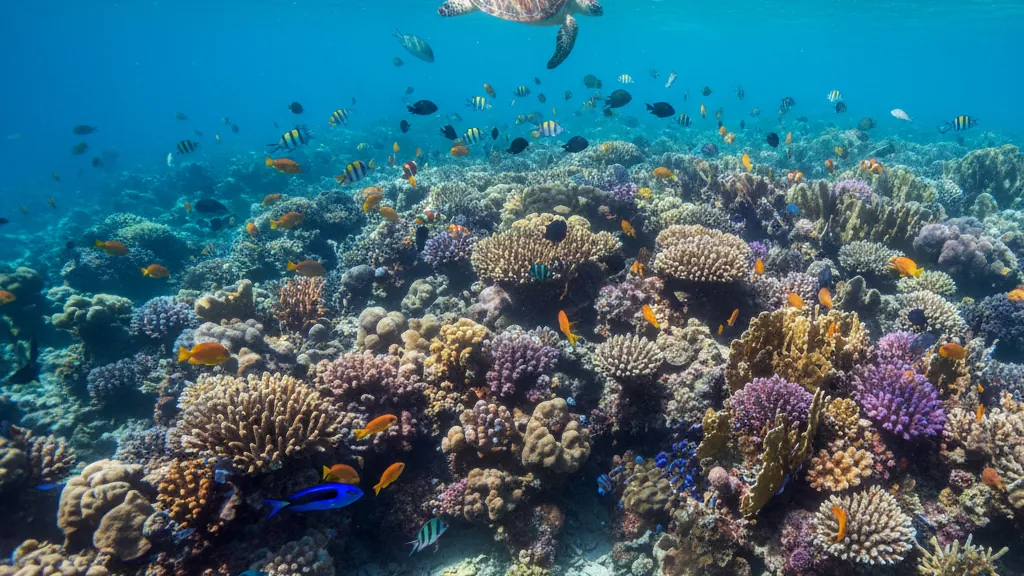
The Maldives remains one of the world's most aspirational beach destinations for families, yet the reality of school-term constraints means most visits happen during peak holiday periods when conditions are far from ideal. Understanding what July, August, Easter and October half-term actually look like in the Maldives helps families prepare properly rather than face unpleasant surprises. This guide focuses exclusively on navigating the school holiday periods - the times when families have no choice but to travel, regardless of whether the climate co-operates.
| Month | Avg high | Avg low | Rainfall | Rainy days |
|---|---|---|---|---|
| January | 27.7°C | 26.5°C | 63.8 mm | 9.4 |
| February | 28.0°C | 26.7°C | 38.5 mm | 8.1 |
| March | 28.5°C | 27.0°C | 74.4 mm | 11.7 |
| April | 29.0°C | 27.3°C | 103.5 mm | 15.3 |
| May | 28.9°C | 27.0°C | 259.3 mm | 24.8 |
| June | 28.7°C | 27.1°C | 91.5 mm | 14.4 |
| July | 28.4°C | 26.7°C | 160.3 mm | 17.4 |
| August | 28.3°C | 26.7°C | 162.5 mm | 16.9 |
| September | 28.1°C | 26.3°C | 202.4 mm | 19.6 |
| October | 28.1°C | 26.3°C | 223.6 mm | 21.4 |
| November | 27.9°C | 26.1°C | 257.1 mm | 22.1 |
| December | 27.9°C | 26.2°C | 219.8 mm | 20.5 |
The Summer Holiday Reality: July and August
July and August sit squarely in the southwest monsoon season, bringing consistent rainfall and changeable conditions. July in the Maldives sees average highs of 28.4°C and lows of 26.7°C, with 160.3mm of rainfall spread across 17.4 rainy days. August is marginally wetter at 162.5mm over 16.9 rainy days, with temperatures of 28.3°C high and 26.7°C low. For families locked into the six-week summer break, this monsoon reality means planning around frequent showers rather than expecting unbroken sunshine. The warmth remains tropical and the sea stays bath-warm, but the classic postcard vision of endless blue skies proves elusive. Rainy days in the Maldives typically feature short, intense downpours rather than day-long drizzle, so activities can often resume between squalls. Families travelling in these months tend to find the weather unpredictable but rarely cold enough to spoil beach time entirely - children usually swim happily regardless, and the reduced sunshine can actually make midday outdoor play more comfortable than in the scorching dry season.

Easter: A Brief Weather Window
Easter holidays fall between late March and late April depending on the calendar year, straddling two quite different weather patterns in the Maldives. March brings average temperatures of 28.5°C high and 27.0°C low, with 74.4mm of rainfall over 11.7 rainy days - placing it near the tail end of the northeast monsoon's drier conditions. April begins the transition toward the southwest monsoon, with temperatures reaching 29.0°C and lows of 27.3°C, while rainfall increases noticeably to 103.5mm across 15.3 rainy days. For families fortunate enough to travel in late March or very early April, conditions often prove more favourable than the summer holidays, with sunshine more reliable and rainfall less frequent. The sea remains calm and warm, ideal for younger children learning to snorkel or paddle. Later April visits edge closer to monsoon conditions, though still typically drier than July and August. Easter represents the best weather compromise for school-bound families, though accommodation and flight prices reflect this relative advantage.
October Half-Term: Monsoon Roulette
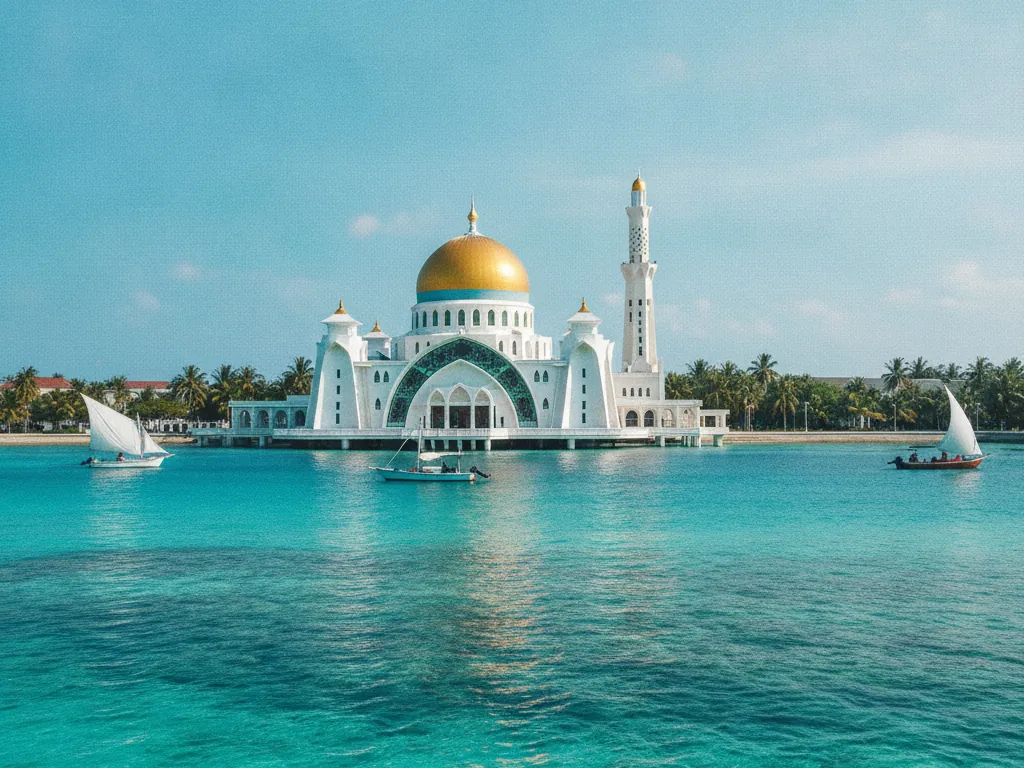
October half-term lands families in one of the wettest periods of the Maldivian calendar. The month records average highs of 28.1°C and lows of 26.3°C, with substantial rainfall of 223.6mm across 21.4 rainy days. This means rain is more likely than not on any given day during the week-long break. The southwest monsoon begins transitioning toward the northeast monsoon during October, creating unsettled conditions with variable winds and frequent storms. Families choosing October half-term should expect significant wet weather and plan accordingly - prioritising resorts with excellent indoor facilities, covered dining areas, and flexible activity schedules. The trade-off for the challenging weather sometimes comes in the form of more favourable booking rates compared to the summer peak, though families must weigh whether savings justify the increased likelihood of rain-disrupted plans. Children who enjoy dramatic tropical storms and don't mind getting wet tend to cope better than those expecting constant sunshine.
Managing Heat and Humidity with Children
The Maldives maintains remarkably consistent temperatures year-round, with school holiday periods all falling within the 28-29°C range during daytime. The apparent modesty of these figures can be misleading - high humidity combines with equatorial sun to create conditions that challenge children unaccustomed to tropical heat. Families travelling from temperate climates during any school holiday period should prioritise sun protection, hydration and regular breaks from direct exposure. Young children particularly struggle with heat exhaustion when excited and active on beaches, so enforcing midday rest periods inside air-conditioned rooms helps prevent meltdowns and sunburn. The minimal temperature variation between day and night (typically only 1-2°C) means evenings offer little respite from warmth, though sea breezes on resort islands provide natural cooling. Lightweight, UV-protective clothing suits the Maldives climate better than relying solely on sunscreen, which sweats off quickly in humid conditions. Families tend to find the heat most manageable when structuring days around water-based activities, where immersion provides constant natural cooling.
Beating the Crowds During Peak Periods
School holiday periods flood the Maldives with European and Asian families simultaneously, creating the year's busiest resort periods. July and August attract the highest volumes, with properties fully booked months ahead and public areas noticeably more crowded. Easter and October half-term see marginally lower occupancy but still represent peak periods for family-oriented resorts. Beating the crowds requires strategic resort selection rather than timing flexibility - families locked into school dates cannot shift travel windows but can choose properties that absorb guests better. Larger resorts with multiple pools, extensive beach frontage and varied dining venues spread crowds more effectively than intimate properties where 50 guests can feel overwhelming. All-inclusive packages during peak periods often mean every family congregates at the same meal times and activity slots, concentrating crowds predictably. Families who value space should consider bed-and-breakfast arrangements that allow flexible dining schedules, though this reduces convenience. Some resorts enforce age restrictions or maintain adult-only zones that reduce child density in certain areas, though these properties generally attract fewer families overall.
Booking Strategy for School Holiday Periods
Securing reasonable value during school holiday peaks demands early commitment and realistic expectations about availability. The most family-friendly resorts - those with kids' clubs, family villas, and child-oriented facilities - fill fastest for July, August and Easter, often booking out nine to twelve months ahead. Families who wait until weeks before departure find choice severely limited and rates substantially higher than early-bird offerings. October half-term sometimes offers marginally more last-minute availability due to the weather reputation, though waiting remains risky. Booking directly with resorts occasionally yields better cancellation terms than third-party agents, an important consideration when travelling with children whose illnesses can derail plans. Families should budget for peak-season premiums without expecting miraculous deals - the Maldives never qualifies as budget travel, and school holiday periods command top rates across the board. Setting up alerts for reduced rates on villa upgrades can sometimes secure better accommodation within existing budgets, as resorts occasionally release unsold premium units closer to arrival dates.
Which Peak Holiday Is Least Painful?
For families forced to choose between imperfect school holiday options, Easter emerges as the weather compromise with the most reliable conditions. March and early April combine relatively low rainfall with warm but not excessive temperatures, creating the closest approximation to ideal beach holiday weather among the constrained periods. July and August trade wetter conditions for longer holiday duration and slightly lower accommodation pressure than Easter's concentrated demand. October half-term suits families prioritising cost over weather, accepting significant rainfall in exchange for potential savings. The Maldives in the school holidays ultimately requires families to decide whether they value weather reliability, cost efficiency or simply available holiday length. No peak period offers the perfect combination of sunshine, value and availability - families must prioritise the factor that matters most to their specific circumstances. Those with younger children often prefer Easter's better weather despite higher costs, while families with resilient teenagers sometimes gamble on October's rain for budget benefits.
FAQ
Is it worth visiting the Maldives with kids during the monsoon season in July and August?
July and August monsoon conditions don't make the Maldives impossible for families, just different from dry-season expectations. The 160-163mm of monthly rainfall and 17-18 rainy days mean frequent showers rather than constant downpour, and the 28°C temperatures keep conditions warm enough for swimming between rain. Children often enjoy dramatic tropical storms and don't mind wet weather as much as adults, so family enjoyment depends largely on attitude and preparation. Resorts with strong indoor facilities and covered areas help significantly when weather forces breaks from the beach.
What should families pack for visiting the Maldives during October half-term with all that rain?
October's 223.6mm rainfall across 21.4 days means rain gear proves essential rather than optional. Lightweight waterproof jackets for each family member, quick-dry clothing that handles getting wet repeatedly, and water-resistant bags for electronics and documents all earn their space in luggage. UV-protective rashguards serve double duty as both sun protection and comfortable wet-weather beachwear. Indoor entertainment for room-bound periods - books, tablets, cards - helps manage inevitable rainy stretches when outdoor activities pause.
How far in advance do family resorts in the Maldives get fully booked for summer school holidays?
Family-oriented resorts with kids' clubs and connecting villa configurations typically reach capacity nine to twelve months before July and August arrivals, with the most sought-after properties booking even earlier. Families aiming for specific resorts during the six-week summer break should begin research and booking immediately after the previous summer holidays end. Easter holidays book on a slightly shorter timeline of six to nine months ahead, while October half-term sometimes offers availability closer to departure due to the challenging weather reputation.
Can families find any good weather during the school holidays in the Maldives or is it always problematic?
Easter holidays offer the best weather compromise for school-bound families, particularly late March and early April arrivals. March sees only 74.4mm rainfall over 11.7 rainy days with comfortable 28.5°C temperatures, while early April remains relatively dry at 103.5mm before transitioning toward monsoon conditions. This Easter window provides sunshine reliability that July, August and October cannot match, though premium pricing reflects the improved conditions. No school holiday period offers guaranteed perfect weather, but Easter significantly improves the odds.
Weather data: open-meteo (ERA5 reanalysis, 2014-2023 averages). Reviewed and updated periodically.