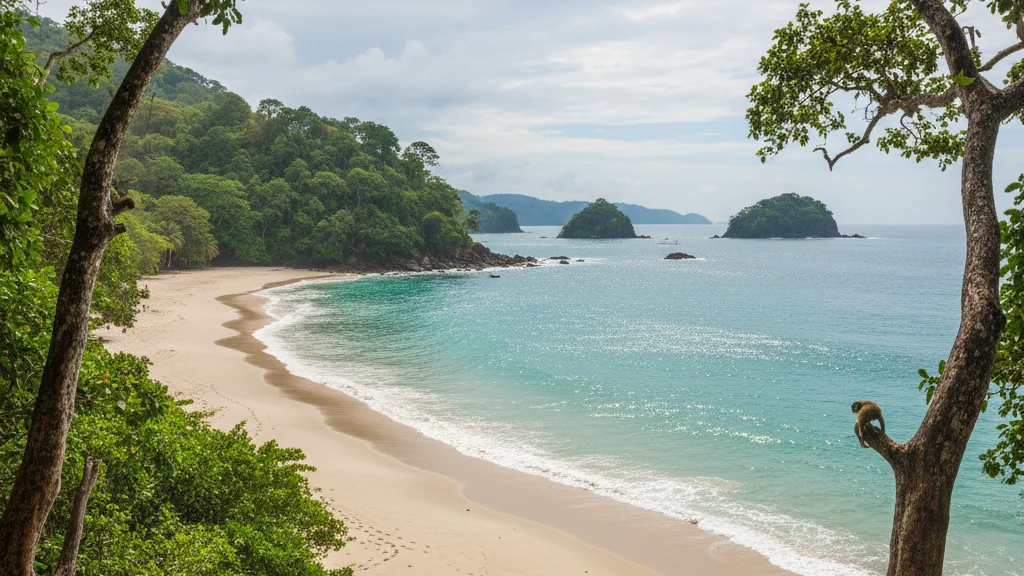
What to Pack for Croatia with Kids (Season by Season)
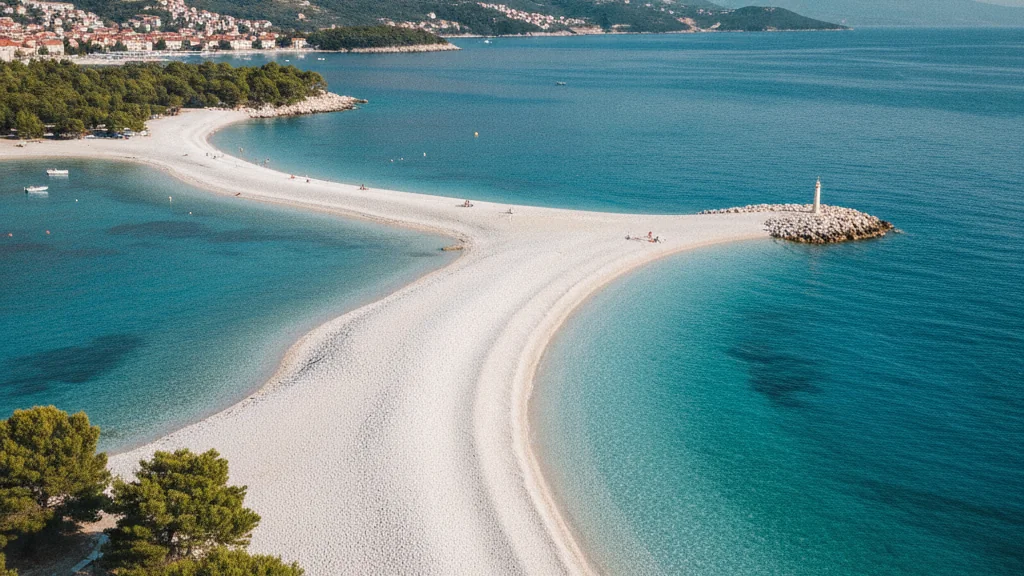
Packing for a family trip to Croatia requires careful planning across seasons - this Adriatic destination offers everything from snowy Zagreb winters to scorching coastal summers. The country's climate varies significantly throughout the year, with temperature swings from below freezing in January to highs around 28°C in July, and rainfall patterns that shift from relatively dry early spring to wetter periods in May and September. Families will find that layering strategies, waterproof gear and sun protection form the foundation of smart packing, while season-specific items ensure comfort whether exploring Dubrovnik's medieval walls in autumn or swimming at Hvar beaches in August. This guide breaks down exactly what to bring for each season, helping families avoid overpacking while ensuring children stay comfortable in Croatia's diverse weather conditions.
| Month | Avg high | Avg low | Rainfall | Rainy days |
|---|---|---|---|---|
| January | 5.5°C | -1.6°C | 62.4 mm | 10.3 |
| February | 8.5°C | 0.0°C | 72.4 mm | 9.2 |
| March | 12.5°C | 2.2°C | 48.1 mm | 8.4 |
| April | 16.8°C | 6.3°C | 69.7 mm | 10.2 |
| May | 20.4°C | 10.9°C | 114.2 mm | 15.1 |
| June | 26.0°C | 15.8°C | 81.3 mm | 10.7 |
| July | 28.0°C | 17.8°C | 85.3 mm | 10.3 |
| August | 27.5°C | 17.5°C | 77.6 mm | 9.0 |
| September | 22.2°C | 13.2°C | 106.1 mm | 10.2 |
| October | 17.1°C | 8.7°C | 89.1 mm | 8.6 |
| November | 10.9°C | 4.2°C | 84.9 mm | 9.4 |
| December | 6.4°C | -0.1°C | 65.0 mm | 9.2 |
Spring Packing Essentials (March - May)
Spring in Croatia brings mild but variable conditions, with daytime highs climbing from 12.5°C in March to 20.4°C by May, while nights remain cool at 2.2°C to 10.9°C. May stands out as the wettest month with 114.2 mm of rainfall across 15.1 rainy days, making waterproofs non-negotiable. Families should pack medium-weight layers that children can add or remove as temperatures fluctuate - long-sleeved shirts, lightweight fleeces and a warm jacket for early spring evenings work well. By April and May, temperatures reach 16.8°C to 20.4°C during the day, so include t-shirts and shorts alongside warmer items. A packable rain jacket for each family member becomes essential equipment given the frequent spring showers, particularly in May when rain is most persistent. Bring at least one pair of long trousers per child for cooler mornings and evenings, plus a light hat for sun protection as days lengthen. Spring's moderate temperatures make this season ideal for active family sightseeing, so comfortable walking clothes that dry quickly prove most practical.
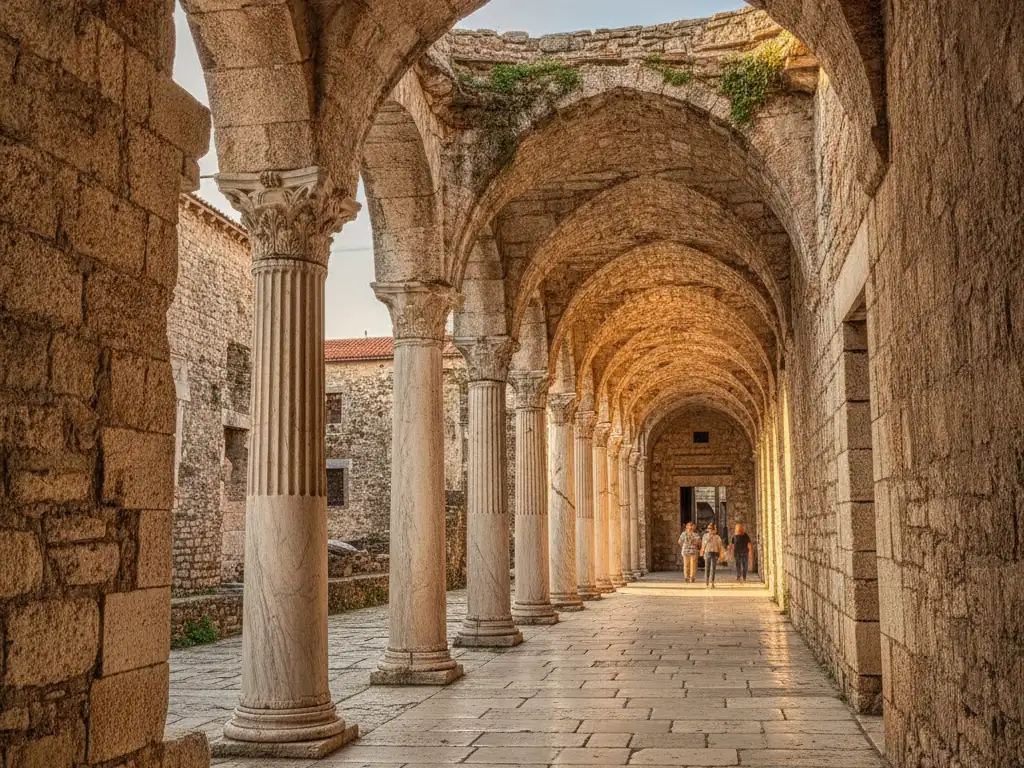
Summer Packing Essentials (June - August)
Summer brings Croatia's warmest weather with average highs of 26.0°C in June rising to 28.0°C in July, and warm nights between 15.8°C and 17.8°C that rarely require heavy clothing. Rainfall remains moderate at 77.6 mm to 85.3 mm per month with around 9-11 rainy days, meaning occasional showers punctuate otherwise sunny periods. Pack predominantly light cotton clothing - multiple t-shirts, shorts and summer dresses that breathe in the heat and dry quickly if caught in a brief downpour. Children will need swimwear for beach days along the Dalmatian coast, plus a lightweight cover-up for sun protection during midday hours. Despite the warmth, bring one long-sleeved shirt and light trousers per person for air-conditioned restaurants, ferry rides or cooler coastal evenings. A thin rain jacket that folds into a day bag handles summer showers without taking up luggage space. Summer nights are comfortably warm, so heavy sleepwear is unnecessary - light pyjamas suffice. This season allows the lightest packing, though sun protection items (covered below) become absolutely critical.
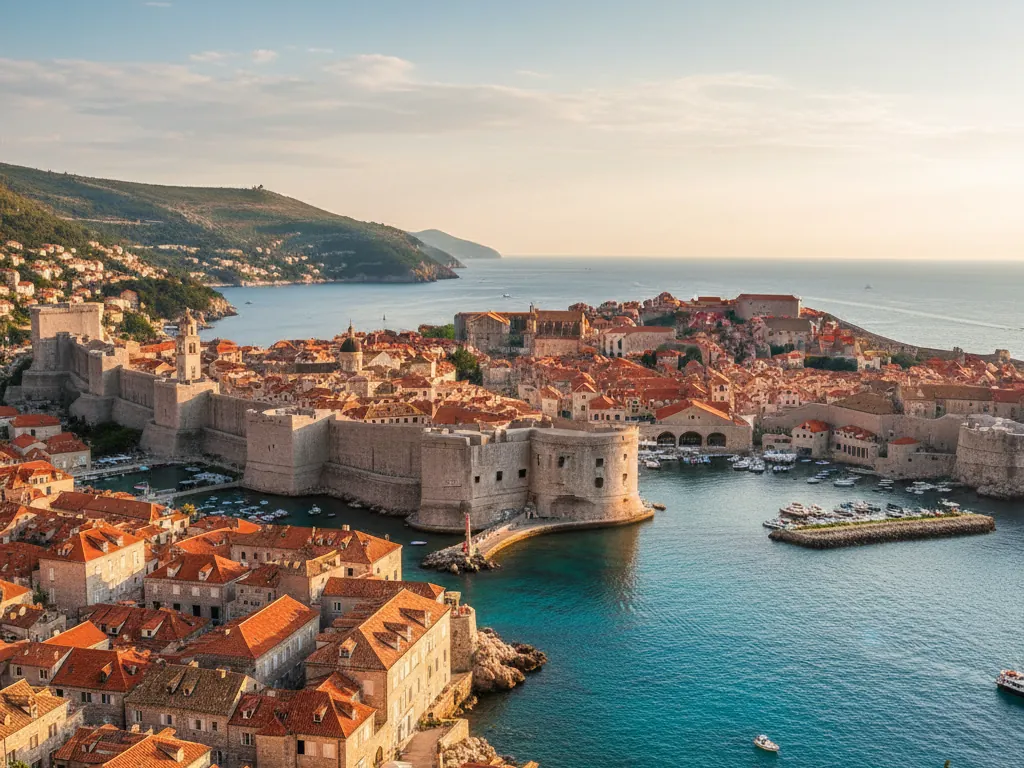
Autumn Packing Essentials (September - November)
Autumn sees temperatures gradually cooling from pleasant 22.2°C highs in September down to 10.9°C by November, with nighttime lows dropping from 13.2°C to 4.2°C across the season. September brings significant rainfall at 106.1 mm, making it nearly as wet as May, while October and November remain damp with 89.1 mm and 84.9 mm respectively. Families should pack with layering in mind - base layer t-shirts, mid-layer sweaters or fleeces, and a waterproof outer jacket for each family member. Early autumn (September) still allows for some beach time with warm days, so include swimwear and light clothing, but by October and November, warmer clothing becomes essential. Bring jeans or warm trousers for cooler days, plus warmer pyjamas for increasingly chilly nights. A waterproof jacket with good coverage is crucial given the persistent autumn rainfall - look for styles that extend below the waist to keep children dry during outdoor exploration. Pack closed-toe shoes as primary footwear rather than sandals, as cooler temperatures and wet conditions make summer footwear impractical by late autumn.
Winter Packing Essentials (December - February)
Winter in Croatia brings genuinely cold conditions with daytime highs of just 5.5°C to 8.5°C and nighttime lows dropping to -1.6°C in January and 0.0°C in February, though December hovers just above freezing at -0.1°C. Rainfall is moderate at 62.4 mm to 72.4 mm across 9-10 rainy days per month, and freezing temperatures mean occasional snow rather than rain. Pack proper winter clothing - warm coats, insulated jackets, thermal underlayers, thick jumpers and lined trousers for each family member. Children will need warm hats, gloves and scarves for outdoor activities, as wind chill can make temperatures feel even colder, particularly along the exposed Adriatic coast. Bring warm pyjamas and consider packing extra layers for sleeping, as some accommodation may have variable heating. Multiple pairs of warm socks are essential, and layering remains the best strategy - a thermal base, warm mid-layer and weatherproof outer shell keep children comfortable during winter sightseeing. While coastal areas stay slightly milder than inland Zagreb, winter across Croatia requires genuine cold-weather clothing rather than just light layers.
Footwear for Every Season
Footwear choices should reflect both Croatia's varied terrain and seasonal weather patterns, with comfortable walking shoes forming the foundation year-round. Spring and autumn demand closed-toe waterproof shoes or boots - temperatures from 10.9°C to 20.4°C and frequent rainfall (up to 114.2 mm in May and 106.1 mm in September) make sandals impractical. Summer allows sandals or breathable trainers for daytime exploration when temperatures reach 26.0°C to 28.0°C, but families should still pack water shoes for rocky Adriatic beaches where sea urchins and stones make barefoot swimming uncomfortable. Winter requires insulated, waterproof boots with good grip for potentially icy conditions when temperatures drop to -1.6°C. For all seasons, bring proper walking shoes with ankle support - Croatia's cobblestone old towns, national park trails and coastal paths demand footwear that prevents blisters and provides stability. Pack one primary pair of appropriate seasonal shoes plus lighter backup footwear, rather than multiple specialist shoes that consume luggage space. Children grow quickly, so verify shoes still fit properly before departure rather than discovering problems after arrival.
Sun and Rain Protection
Croatia's climate demands dual preparation for both intense sun and persistent rainfall, with protection needs varying seasonally. Summer months (June through August) bring the strongest sun exposure when temperatures reach 26.0°C to 28.0°C, requiring high-SPF sunscreen applied frequently throughout the day - the Adriatic's clear water and white stone cities create intense reflection that increases burn risk. Wide-brimmed hats or caps with neck flaps protect children's faces and necks during extended outdoor time, while UV-protective sunglasses shield eyes from glare off water and pavement. Rain protection becomes critical in spring and autumn - May's 114.2 mm across 15.1 days and September's 106.1 mm mean families should carry packable rain jackets in day bags throughout these seasons. Consider a compact travel umbrella for sudden showers, though wind along the coast can make umbrellas impractical in exposed areas. Winter rainfall (62.4 mm to 72.4 mm monthly) is less frequent but colder, so waterproof outerwear with hoods serves double duty against both rain and wind chill. Apply sunscreen even in cooler months during extended outdoor sightseeing, as UV exposure remains a factor year-round, particularly at higher altitudes or on water-based excursions.
Kids' Essentials and Comfort Items
Beyond seasonal clothing, family-specific items ensure children remain comfortable and entertained throughout a Croatia trip. Pack a small first-aid kit with plasters, antiseptic wipes, children's pain relief medication and any prescription medicines - Croatian pharmacies are well-stocked but familiar brands provide peace of mind. Bring reusable water bottles for each child to stay hydrated during warm-weather exploration (summer highs reach 28.0°C), plus healthy snacks for energy during long sightseeing days. A small day backpack for older children helps them carry their own water, snacks and entertainment while building independence. Include travel-sized toiletries in familiar brands, though most items are readily available locally. For younger children, pack comfort items like a favourite small toy or bedtime book that fits easily in luggage. Bring any special dietary items if children have restrictions, as rural areas may have limited options. A basic sewing kit handles minor clothing repairs, while a plastic bag or two proves useful for wet swimwear or dirty clothes. Consider packing a small travel clothesline and sink stopper for washing items in accommodation, particularly useful during longer stays when laundry becomes necessary.
What Not to Bring
Avoiding unnecessary items keeps luggage manageable and leaves room for return souvenirs. Skip bulky towels - most accommodation provides them, and quick-dry travel towels serve for beach days without the weight. Leave formal clothing at home unless attending a specific event, as Croatia's family tourism centers around casual exploration rather than dressy occasions. Do not pack excessive toiletries - shampoo, soap and basic items are available everywhere, and full-sized bottles add unnecessary weight. Avoid bringing too many shoes beyond the seasonal essentials outlined above, as multiple specialist pairs rarely get worn and consume valuable luggage space. Skip heavy guidebooks in favor of digital versions or key pages photographed on a phone. Do not pack beach toys beyond perhaps one small item per child - Croatia's beaches have rental options, and bulky inflatables or buckets take up disproportionate space. Leave expensive jewelry at home to avoid loss or theft concerns. Skip single-use plastic items like disposable water bottles or plastic bags, as Croatia has good tap water and environmental consciousness is increasing. Finally, avoid packing for every possible scenario - Croatian towns have shops for forgotten items, and overpacking creates more stress than the occasional local purchase.
FAQ
What clothing works best for a two-week family trip to Croatia covering multiple seasons?
Focus on layerable pieces in neutral colors that mix and match across temperature ranges. For trips spanning late spring into summer (May through July), pack a base of t-shirts and shorts, add light long-sleeved layers and one warm fleece per person for cooler May days (highs around 20.4°C), and include both swimwear for warm June-July weather (26.0°C to 28.0°C) and waterproofs for May's frequent rain (114.2 mm across 15.1 days). This layering approach prevents overpacking while covering the 8-10°C temperature variation typical across transitional periods.
Do children need winter coats for a Croatia beach holiday in early June or late September?
Early June does not require winter coats - temperatures reach comfortable 26.0°C highs with 15.8°C overnight lows, though a light jacket handles cooler evenings and air-conditioned spaces. Late September sits on the cooler edge with 22.2°C days and 13.2°C nights, requiring warmer layers like fleeces or lightweight jackets rather than full winter coats. September also brings significant rainfall (106.1 mm), making waterproof layers more important than heavy winter insulation for this shoulder season beach visit.
How much waterproof clothing should families pack for spring travel to Dubrovnik and Split?
Spring demands comprehensive rain protection, particularly in May when rainfall peaks at 114.2 mm across 15.1 rainy days. Each family member needs a proper waterproof jacket with hood - not just water-resistant but genuinely waterproof given the frequency of showers. March and April are somewhat drier (48.1 mm and 69.7 mm respectively), but still average 8-10 rainy days monthly, making packable rain gear essential equipment rather than optional. Waterproof footwear or shoe covers provide additional comfort during wet-weather sightseeing.
What sun protection items are essential for families visiting Croatian islands in July and August?
Summer sun protection is critical when temperatures reach 27.5°C to 28.0°C and families spend extended time outdoors or on beaches. Pack high-SPF broad-spectrum sunscreen (SPF 50+) in quantities sufficient for frequent reapplication throughout the day, wide-brimmed hats or caps with neck protection for each child, UV-protective sunglasses, and rash guards or UV swim shirts for water activities. The Adriatic's clear water and reflective white stone surfaces intensify sun exposure beyond what temperature alone suggests, making comprehensive protection essential for preventing burns during July and August when sunshine is most intense.
Weather data: open-meteo (ERA5 reanalysis, 2014-2023 averages). Reviewed and updated periodically.