Visiting Malta with Kids in the School Holidays
Malta ranks among Europe's most family-friendly destinations, combining beach culture, historical intrigue and compact distances that suit tired legs. For families locked into peak school holiday dates, the Mediterranean island presents both opportunities and challenges. Summer temperatures reach their annual high while accommodation prices and tourist numbers surge. Yet understanding the climate patterns and crowd dynamics across different holiday periods helps families choose the least stressful option and plan accordingly. This guide examines Malta's conditions during the main school breaks - focusing on July and August summer holidays, Easter, and October half-term - and offers practical strategies for managing heat and crowds when travelling during these unavoidable peak windows.
| Month | Avg high | Avg low | Rainfall | Rainy days |
|---|---|---|---|---|
| January | 15.1°C | 11.6°C | 40.4 mm | 8.0 |
| February | 15.4°C | 11.6°C | 49.7 mm | 6.0 |
| March | 16.1°C | 12.4°C | 35.4 mm | 7.2 |
| April | 18.2°C | 14.2°C | 11.4 mm | 2.6 |
| May | 21.5°C | 17.1°C | 13.1 mm | 3.0 |
| June | 26.3°C | 21.2°C | 2.6 mm | 0.8 |
| July | 29.5°C | 24.1°C | 1.0 mm | 0.3 |
| August | 29.7°C | 25.1°C | 4.7 mm | 1.2 |
| September | 27.4°C | 23.5°C | 29.2 mm | 4.1 |
| October | 24.0°C | 20.3°C | 57.6 mm | 7.1 |
| November | 20.6°C | 17.0°C | 74.5 mm | 10.7 |
| December | 17.0°C | 13.7°C | 45.2 mm | 7.7 |
The Summer Holiday Reality: July and August
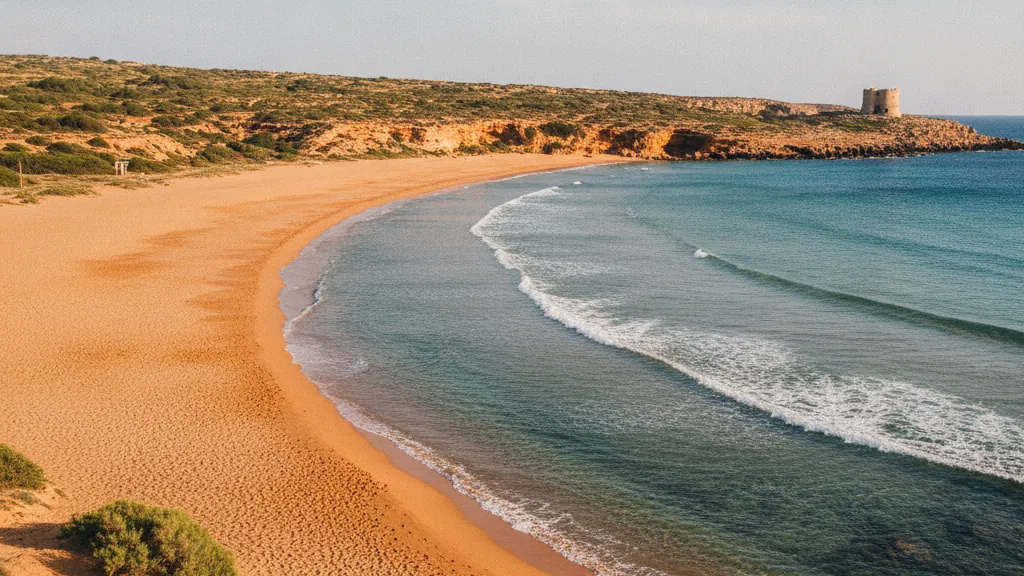
July and August represent Malta's hottest and driest months, with average high temperatures of 29.5°C and 29.7°C respectively. Rainfall drops to minimal levels - just 1.0mm across July with only 0.3 rainy days, and 4.7mm in August with 1.2 rainy days. The combination of intense heat, virtually guaranteed sunshine and school holidays across Europe creates Malta's absolute peak season. These months suit families committed to beach-based holidays, as the warm sea and cloudless skies deliver classic Mediterranean conditions. However, popular beaches like Golden Bay and Mellieha Bay become densely packed by mid-morning, while Valletta's stone streets radiate heat that challenges young children during midday hours. Accommodation availability tightens considerably, and families booking late may face limited choice in child-friendly properties. The reliable weather reduces the risk of wasted days indoors, but managing heat exposure becomes the primary concern for parents with younger children.
Easter Holiday Window
Easter falls between late March and late April, straddling a transitional climate period in Malta. April conditions show average highs of 18.2°C and lows of 14.2°C, with only 11.4mm of rainfall across 2.6 rainy days - making it one of the driest months outside summer. March proves slightly cooler at 16.1°C highs and wetter with 35.4mm over 7.2 rainy days. Early Easter breaks sit in the March climate zone while late Easter aligns with April's warmer, drier pattern. These moderate temperatures suit families with younger children who struggle in intense heat, and the island feels less crowded than summer despite being a recognised holiday period. Sea temperatures remain cool for extended swimming, steering families toward cultural activities, boat trips and outdoor exploration rather than full beach days. Easter in Malta delivers spring conditions with genuine sunshine and warmth, but families should pack layers for cooler evenings and occasional breezy days.
October Half-Term Conditions
The October half-term break typically falls in the final week of October, when Malta transitions from late summer warmth toward winter patterns. Average high temperatures sit at 24.0°C with lows of 20.3°C - comfortable for most activities without oppressive heat. Rainfall increases substantially to 57.6mm across 7.1 rainy days, meaning families face a realistic chance of wet weather interrupting outdoor plans. The sea retains residual warmth from summer, making swimming still viable for hardy children. Crowd levels drop compared to summer, and accommodation becomes easier to secure at this shoulder period. October half-term appeals to families seeking warmth without extreme heat, though the increased rainfall risk requires backup indoor activities. Museums, the Malta Aquarium and undercover attractions gain importance during this break. The climate remains pleasant for walking tours and ferry trips to Gozo, with temperatures that suit active families exploring beyond beach resorts.
Managing Heat with Young Children
July and August temperatures in Malta demand specific strategies when travelling with children. Peak heat occurs between noon and 4pm, making this window unsuitable for strenuous activities or extensive walking in exposed areas. Families should structure days around early morning beach visits, returning to air-conditioned accommodation during peak heat hours, then venturing out again after 5pm when temperatures moderate. Hydration becomes critical - children dehydrate faster than adults recognise, particularly during beach play and pool sessions. High sun protection factors, rash vests for water activities and wide-brimmed hats shift from optional to essential. Many family-friendly hotels provide shaded pool areas that offer relief from direct sun while keeping children entertained. The virtually non-existent rainfall in these months means weather backup plans become unnecessary, but heat management plans certainly do. Indoor attractions like the National Aquarium or interactive exhibits at Fort St Angelo provide midday cooling breaks that maintain holiday momentum without heat stress.
Beating the Holiday Crowds
School holiday periods in Malta coincide with European-wide breaks, creating predictable crowd patterns at major attractions and beaches. Families can mitigate congestion through timing and location choices. Arriving at popular beaches like Mellieha Bay or Golden Bay before 9am secures better positioning and parking. Alternatively, seeking less-marketed beaches such as Gnejna Bay or the smaller coves along the northwest coast reduces encounters with mass tourism. Cultural sites in Valletta see surges between 10am and 2pm - visiting immediately at opening time or after 4pm when tour groups depart improves the experience significantly. Ferry services to Gozo operate with increased frequency during peak periods but still experience queues, particularly for the return journey on weekend afternoons. Booking accommodation in quieter zones like Marsaxlokk or inland villages rather than Sliema or St Julian's removes families from the densest tourist concentrations while maintaining access to attractions via Malta's efficient bus network or rental car.
Booking Strategy for Peak Periods
Securing family-friendly accommodation during school holidays requires earlier action than off-peak travel. Properties offering family suites, connecting rooms or self-catering facilities book out months ahead for July and August. October half-term and Easter offer slightly more flexibility but still demand advance planning for preferred locations. Families prioritising specific beach areas or resort complexes should treat booking windows of four to six months as minimum. Flight availability tightens on weekend dates bracketing school terms, and families with flexibility to travel mid-week often find better options and routing. Package deals sometimes offer better value during peak periods when individual components become expensive, though comparing independent flight and accommodation combinations remains worthwhile. Travel insurance becomes particularly valuable during school holiday travel when cancellation would mean forfeiting substantial costs, and when summer travel involves higher health risks from heat exposure.
Which Peak Holiday Causes Least Stress?
Among the major school holiday windows, Easter presents the most moderate overall experience for families with young children. April temperatures of 18.2°C highs provide genuine warmth without the physical challenge of July-August heat, while the minimal 11.4mm rainfall reduces weather-disruption anxiety. Crowds exist but fall below summer intensity, and the spring climate suits varied activities beyond beach focus. October half-term offers pleasant temperatures at 24.0°C but carries significantly higher rainfall risk with 57.6mm across 7.1 rainy days, requiring more contingency planning. July and August deliver guaranteed sunshine and classic beach holiday conditions but demand careful heat management and acceptance of peak crowds and pricing. Families with older children who cope well with heat and crave maximum beach time should lean toward summer. Those with toddlers, heat-sensitive children or preference for cultural exploration alongside beach visits will find Easter or October half-term reduces daily stress, even if those periods lack the guaranteed cloudless skies of high summer.
Packing for Peak Holiday Travel
School holiday periods in Malta span three distinct climate zones requiring different packing approaches. July and August demand lightweight, breathable clothing in natural fibres, high SPF reef-safe sunscreen, and sun protection accessories including UV-rated swimwear for children. Evenings remain warm at 24-25°C lows, requiring only light layers. April Easter breaks need versatile clothing - swimwear for optimistic beach visits, but also long sleeves and light jackets for cooler mornings and evenings when temperatures drop to 14.2°C. October half-term sits between these extremes: pack for warmth at 24°C but include waterproof jackets and covered footwear for the 7.1 expected rainy days. All periods benefit from comfortable walking shoes as Malta's historic sites involve cobblestones and steps. Families should pack basic medical supplies including rehydration sachets for summer travel, and blister plasters for increased walking. Self-catering families will find local supermarkets well-stocked, but specific dietary requirements or familiar brands for fussy eaters merit inclusion in luggage.
FAQ
Is Malta too hot for toddlers during the summer school holidays in July and August?
July and August temperatures averaging 29.5-29.7°C highs with intense sunshine challenge families with toddlers, but proper heat management makes summer visits viable. Structuring days around early morning and late afternoon activities, using midday for indoor time or shaded pool play, and maintaining rigorous sun protection allows families to enjoy summer conditions. Parents should monitor hydration closely and recognise that toddlers have less efficient temperature regulation than older children.
What are the chances of rain ruining our October half-term holiday in Malta?
October brings 57.6mm of rainfall across 7.1 rainy days, meaning families should expect approximately one rainy day per week. However, rain typically arrives as showers rather than all-day downpours, and temperatures remain pleasant at 24.0°C. Planning indoor activities like museums or aquarium visits as flexible options rather than fixed schedule items allows families to adapt without feeling the holiday is ruined by occasional wet weather.
Which beaches in Malta are best for families during busy summer school holidays?
Mellieha Bay offers shallow waters and sandy beach ideal for young children, though it becomes very crowded during July and August. Arriving before 9am secures better space. Ghadira Bay provides similar family-friendly conditions with lifeguards and facilities. Families willing to travel slightly further find less crowded alternatives at Golden Bay's northern end or smaller beaches like Ghajn Tuffieha, though these involve steeper access paths that challenge families with buggies or very young children.
Can we still swim in the sea during Easter holidays in Malta with children?
Sea temperatures during April Easter breaks remain cooler than summer, and children's tolerance varies significantly. Hardy or wetsuit-clad children often swim happily, while others find the water too cool for extended sessions. April air temperatures of 18.2°C mean children emerge from water into moderate rather than hot conditions, increasing chill risk. Families should treat swimming as possible rather than central to Easter travel plans, focusing instead on boat trips, exploration and outdoor activities that suit the spring climate.
Weather data: open-meteo (ERA5 reanalysis, 2014-2023 averages). Reviewed and updated periodically.