Best Time to Visit Albania with Kids
Albania offers families an enticing blend of Adriatic beaches, mountain trails, ancient castles, and welcoming hospitality - all at prices that leave more room in the travel budget for gelato and souvenirs. Choosing when to visit Albania with children depends on balancing warm, dry weather for outdoor adventures against school schedules, crowd levels, and the activities your family values most. This guide examines Albania's climate patterns, seasonal trade-offs, and practical considerations to help families plan a memorable trip to one of Europe's most underrated destinations.
Some links may earn us a small commission, at no cost to you.
| Month | Avg high | Avg low | Rainfall | Rainy days |
|---|---|---|---|---|
| January | 11.0°C | 2.7°C | 165.2 mm | 12.4 |
| February | 13.4°C | 4.4°C | 115.0 mm | 10.2 |
| March | 15.6°C | 5.8°C | 129.4 mm | 11.6 |
| April | 18.8°C | 8.9°C | 119.5 mm | 11.9 |
| May | 22.8°C | 13.1°C | 117.9 mm | 13.0 |
| June | 27.6°C | 17.5°C | 69.6 mm | 7.9 |
| July | 31.1°C | 20.2°C | 34.1 mm | 4.9 |
| August | 31.4°C | 20.3°C | 29.8 mm | 5.4 |
| September | 26.6°C | 16.9°C | 108.7 mm | 8.6 |
| October | 22.1°C | 12.8°C | 123.2 mm | 9.0 |
| November | 17.5°C | 9.2°C | 188.6 mm | 11.1 |
| December | 13.0°C | 4.7°C | 136.9 mm | 10.3 |
Best Overall Months for Families
June and September stand out as the sweet spot for visiting Albania with kids. June brings daytime highs around 27.6°C, warm enough for beach days without the scorching heat of midsummer, while rainfall drops sharply to 69.6 millimeters spread over fewer than eight rainy days. The Adriatic Sea warms to comfortable swimming temperatures, mountain trails become accessible as snow melts at higher elevations, and most tourist infrastructure operates at full capacity. September offers similar advantages with temperatures averaging 26.6°C during the day and 16.9°C at night, creating ideal conditions for exploring archaeological sites like Butrint or hiking in the Albanian Alps without overheating. Both months fall outside peak European holiday periods, meaning shorter queues at castles, easier restaurant reservations, and beaches that feel spacious rather than crowded - important factors when traveling with children who need elbow room and parents who value flexibility.
May represents another family-friendly window, particularly for those whose children finish school earlier or who homeschool. Daytime temperatures reach a pleasant 22.8°C, perfect for active sightseeing and outdoor play without the need for constant shade breaks. Rainfall remains moderate at 117.9 millimeters, and the countryside bursts with wildflowers and green hillsides. The shoulder-season timing often translates to better availability at family-run guesthouses and more attentive service at attractions still gearing up for summer crowds.
Month-by-Month Breakdown
Understanding how Albania's weather and tourism patterns shift throughout the year helps families target the conditions that match their priorities and constraints.
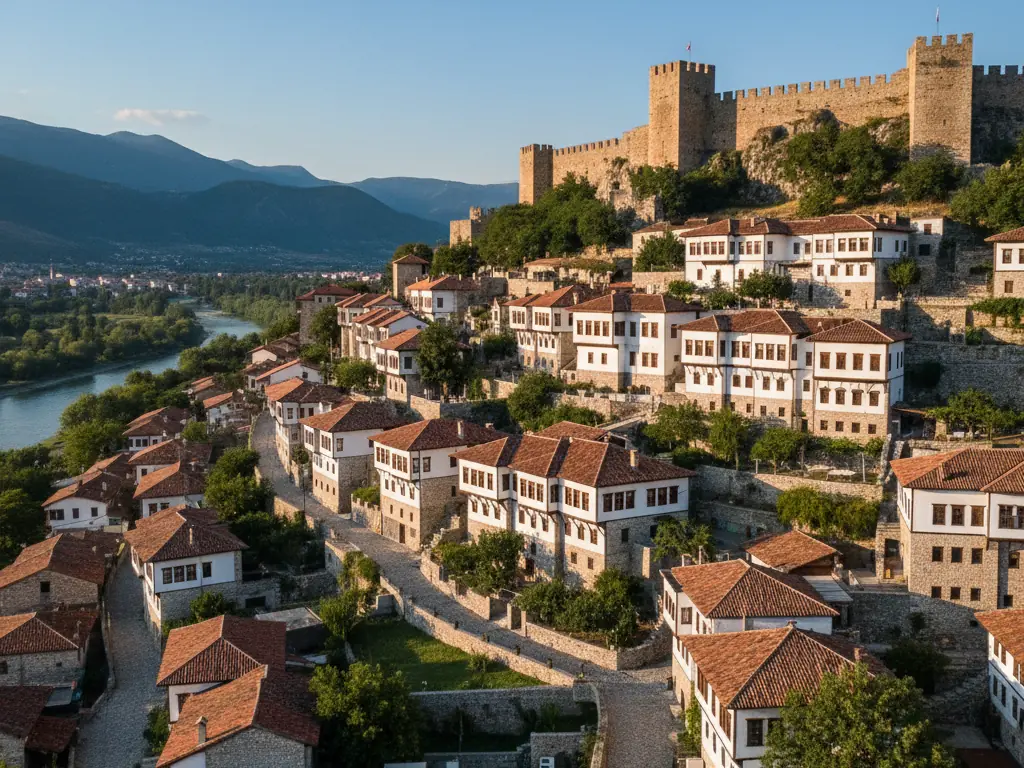
January through March brings Albania's coolest and wettest weather. January averages 11.0°C during the day and dips to 2.7°C at night, with 165.2 millimeters of rain falling over more than twelve days. February and March gradually warm to 13.4°C and 15.6°C respectively, but rainfall remains substantial at 115.0 and 129.4 millimeters. These months suit families seeking cultural immersion in Tirana's museums, Berat's Ottoman architecture, or Gjirokastër's stone streets without the distraction of beach weather. Ski resorts in the northeast offer snow sports, though facilities remain basic compared to Alpine destinations. Pack layers, waterproof outerwear, and indoor backup plans.
April marks the transition toward warmer conditions, with temperatures reaching 18.8°C by day and 8.9°C at night. Rainfall decreases slightly to 119.5 millimeters across nearly twelve rainy days. Spring blooms make this an appealing time for nature-oriented families to explore national parks, though coastal swimming remains too chilly for most children. Easter holidays can bring modest crowds from neighboring countries.
May through August defines Albania's high season for family beach holidays. May's 22.8°C highs and 13.1°C lows provide comfortable warmth without July and August's intensity. June jumps to 27.6°C with dramatically reduced rainfall at just 69.6 millimeters and under eight rainy days - ideal for families maximizing outdoor time. July and August push temperatures to 31.1°C and 31.4°C respectively, with scorching midday sun that sends families to the beach early morning and late afternoon. Rainfall drops to minimal levels - 34.1 and 29.8 millimeters - virtually guaranteeing dry days. These months coincide with European summer holidays, bringing peak crowds to popular beaches like Ksamil and Dhermi, though Albania's coastline offers enough hidden coves that families willing to explore can still find space.
September and October deliver autumn excellence for families. September's 26.6°C days and 16.9°C nights feel warm without summer's oppressive heat, while rainfall increases modestly to 108.7 millimeters over fewer than nine rainy days. The sea retains summer warmth well into September, and children can swim comfortably between cultural excursions. October cools to 22.1°C with 123.2 millimeters of rain, marking the shift toward shoulder season - still pleasant for hiking and sightseeing, though beach days become less reliable.
November and December see temperatures drop to 17.5°C and 13.0°C as rainfall surges to 188.6 and 136.9 millimeters respectively. These months suit families seeking authenticity and winter festivals over outdoor adventures, with the caveat that some coastal hotels and restaurants close until spring.
School Holidays vs. Shoulder Season Trade-Offs
Families constrained by traditional school calendars face a common dilemma: July and August offer guaranteed sunshine and full resort operations, but also bring peak crowds, higher accommodation costs, and intense heat that limits midday activities. Children accustomed to temperate climates may struggle with temperatures exceeding 31°C, requiring frequent water breaks, sunscreen reapplication, and shaded rest periods that slow the pace of sightseeing.
Shoulder months - particularly early June and September - reward families who can travel outside standard holiday windows. Spring half-term breaks in late May align beautifully with Albania's emerging summer weather, while September offers post-Labor Day opportunities for families with flexible schedules. The weather during these periods provides better conditions for active pursuits like castle exploration, boat trips to hidden beaches, or Via Ferrata adventures in the mountains - activities that become unpleasant in July's heat. Attractions feel less rushed, local interactions more genuine, and the overall experience more relaxed when you are not competing with peak-season crowds.
For families locked into July or August travel, strategies include booking accommodations with pools or direct beach access for midday retreats, scheduling cultural activities for early morning or evening, and building rest days into itineraries to prevent heat exhaustion and overtired meltdowns.
Weather by Season and Regional Variations
Albania's compact geography encompasses surprising climate diversity. The coastal Adriatic and Ionian zones referenced in Tirana's climate data represent the Mediterranean pattern most families experience - hot, dry summers and mild, wet winters. Beaches from Velipoja in the north through Saranda in the south follow this rhythm, with southern beaches around Ksamil and the Albanian Riviera running slightly warmer than northern stretches.
Inland regions and mountain areas tell a different story. The Albanian Alps in the north and Tomorr Mountain in the center experience cooler temperatures year-round, with snow persisting into May at higher elevations and returning by October. Families planning hiking trips to Theth or Valbona should add several degrees of cooling to Tirana's figures and pack accordingly. Lake Ohrid's eastern shore enjoys its own microclimate, with the lake moderating temperature extremes and creating pleasant summer conditions for swimming and boating.
Spring and autumn bring the most variable weather across regions. A sunny beach day in Saranda might coincide with mountain rain showers, so families touring multiple zones should pack versatile layers even during generally favorable months like May or September.
What to Pack for Albania with Kids
Summer visitors from June through August should prioritize sun protection and heat management. Pack broad-brimmed hats, reef-safe sunscreen in large quantities (local prices run higher), lightweight long-sleeve sun shirts for children, and a compact beach umbrella if traveling with toddlers who need guaranteed shade. Water shoes prove invaluable on Albania's rocky beaches, and a collapsible cooler bag keeps snacks and drinks cold during day trips. Evening temperatures remain warm - 17.5°C to 20.3°C - requiring only light layers for waterfront dinners.
Shoulder season packing for May, June, and September demands more versatility. Include a light rain jacket for each family member, as occasional showers occur even during relatively dry months. Long pants and closed-toe shoes suit cooler mornings and evenings, while shorts and sandals handle midday warmth. A small daypack with an extra layer proves useful when moving between sunny archaeological sites and shaded mountain villages where temperatures can shift noticeably.
Winter travelers need full cold-weather gear: insulated jackets, waterproof boots, umbrellas, and warm sleepwear for accommodations where heating may be inconsistent. November through March temperatures drop to 2.7°C to 9.2°C at night, and rain comes frequently enough that waterproof protection becomes essential rather than precautionary.
Year-round essentials include a basic first-aid kit (pharmacies are well-stocked in cities but sparse in rural areas), any prescription medications in original packaging, outlet adapters for European Type C and F plugs, and entertainment for travel days - Albania's mountain roads can be winding and slow.
Crowd and Price Seasonality
Albania's tourism infrastructure responds predictably to seasonal demand, with implications for family budgets and experience quality. July and August represent absolute peak season, when Albanian diaspora return home for summer holidays, joining European beachgoers on the coast. Popular beaches require early arrival to secure good spots, restaurants fill quickly at dinner time, and hotels command their highest rates. Family-friendly hotels and apartments book months in advance in sought-after areas like Dhermi, Jale, and Ksamil.
June and September occupy the favorable middle ground - warm enough for beach holidays but less crowded and less expensive than midsummer. Accommodation rates drop compared to peak weeks, restaurants have more availability, and attractions feel manageable. For families seeking both good weather and better value, these shoulder months deliver the strongest return.
May and October bring shoulder-season pricing throughout the country, with many properties offering their best rates outside of summer guarantees. Some beach hotels and coastal restaurants remain closed or operate on reduced schedules, particularly in October, so advance research prevents disappointment.
November through April sees the lowest prices and smallest crowds, appealing to budget-conscious families willing to trade beach time for cultural exploration. Tirana, Berat, and Gjirokastër remain vibrant year-round, and winter rates can make extended stays surprisingly affordable. The trade-off involves weather uncertainty, shorter daylight hours, and limited coastal access.
FAQ
What is the best month to visit Albania with kids for beaches and good weather without extreme crowds?
June and September offer the ideal combination for family beach holidays in Albania, with June bringing daytime temperatures around 27.6°C, minimal rainfall at 69.6 millimeters, and fewer than eight rainy days. September provides similar conditions at 26.6°C with slightly more rain at 108.7 millimeters but still comfortable swimming. Both months avoid peak July-August crowds while delivering reliable sunshine and warm Adriatic waters. The sea remains warm enough for children to enjoy extended swimming sessions, and tourist infrastructure operates fully without the booking challenges and elevated prices of midsummer.
Is Albania too hot to visit with young children during July and August?
July and August in Albania bring intense heat with average highs reaching 31.1°C and 31.4°C respectively, which can challenge young children unaccustomed to such temperatures. Families visiting during these months should plan beach time for early morning and late afternoon, seek accommodations with pools or air conditioning, build rest periods into daily schedules, and maintain vigilant hydration and sun protection. The upside includes virtually guaranteed sunshine - July sees just 34.1 millimeters of rain over fewer than five rainy days - and full access to all coastal amenities. Many families successfully visit during peak summer by adjusting their pace and expectations, but those with flexibility might find June or September more comfortable for active children.
Can you visit Albania with kids outside of summer if you want to avoid school holiday crowds?
Yes, Albania offers rewarding family experiences beyond summer months, particularly in May and September when weather remains favorable - May averages 22.8°C with moderate rainfall, while September reaches 26.6°C with warm sea temperatures persisting from summer. These months suit families with flexible schedules or spring/autumn school breaks, delivering excellent conditions for hiking, cultural touring, and beach time without peak crowds. October remains viable for cultural exploration despite cooler 22.1°C temperatures and increased rainfall. Winter months from November through March work for families prioritizing museums, historic sites, and mountain villages over beaches, though temperatures drop to 11.0°C-17.5°C and rain becomes frequent, requiring indoor backup activities.
What should families pack for Albania in shoulder season months like May or September?
May and September in Albania require layered packing to handle variable conditions - May sees daytime highs around 22.8°C with nighttime lows of 13.1°C, while September ranges from 26.6°C to 16.9°C. Include swimwear and beach gear as sea temperatures support swimming, but add light rain jackets since May brings 117.9 millimeters of rainfall and September 108.7 millimeters. Pack both shorts for warm afternoons and long pants with light sweaters for cooler mornings and evenings. Closed-toe walking shoes suit mountain villages and archaeological sites, while sandals work for beaches. Sun protection remains essential - hats, sunscreen, and sunglasses - along with a small umbrella or rain shells for occasional showers. This versatile approach lets families comfortably transition between activities and microclimates throughout the day.
Weather data: open-meteo (ERA5 reanalysis, 2014-2023 averages). Reviewed and updated periodically.