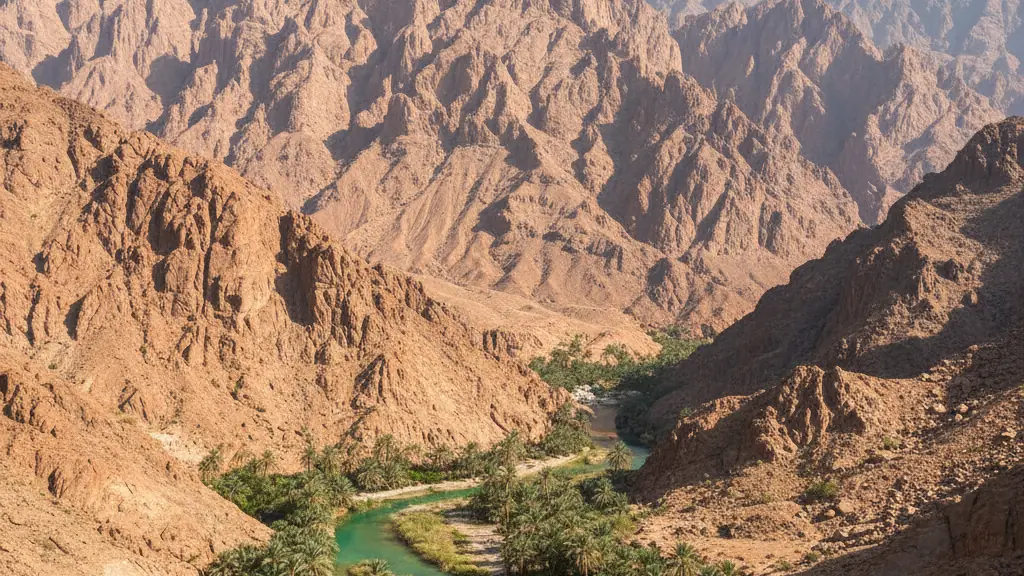
Visiting Thailand with Kids in the School Holidays
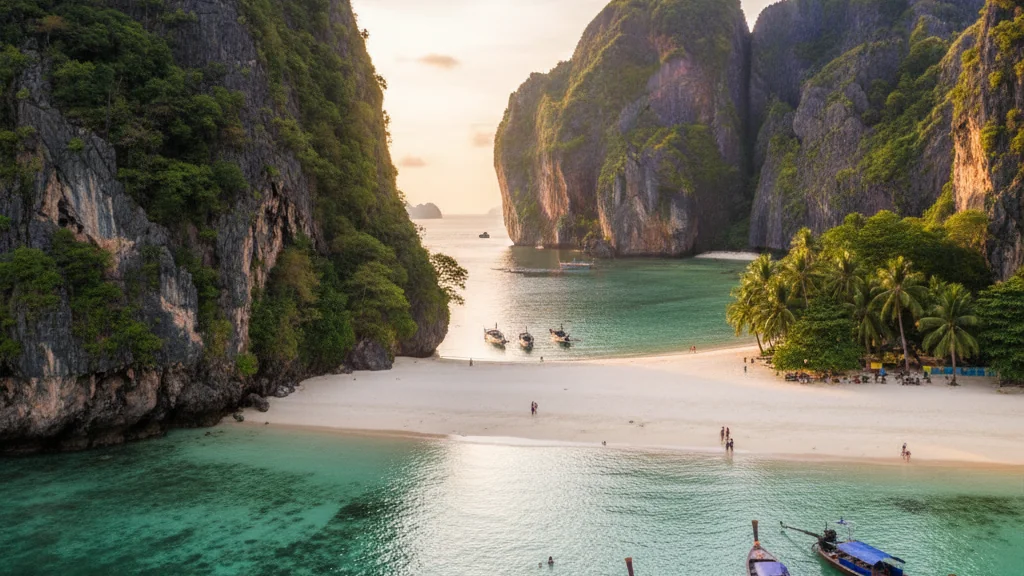
Thailand offers an extraordinary family destination with its mix of temples, beaches, wildlife and welcoming culture, but families constrained by school term dates face specific challenges. The main UK holidays fall squarely during Thailand's monsoon season or its most intense heat, meaning you'll need to plan around heavy rainfall, high temperatures and significant crowds. Understanding what each peak holiday period brings in terms of climate and visitor numbers helps families prepare properly and choose the least problematic window for their circumstances.
| Month | Avg high | Avg low | Rainfall | Rainy days |
|---|---|---|---|---|
| January | 30.8°C | 21.7°C | 22.7 mm | 3.9 |
| February | 31.9°C | 23.2°C | 28.5 mm | 4.8 |
| March | 33.4°C | 25.7°C | 39.9 mm | 7.1 |
| April | 34.1°C | 26.6°C | 87.7 mm | 12.0 |
| May | 33.7°C | 26.7°C | 141.8 mm | 19.7 |
| June | 32.6°C | 26.2°C | 138.7 mm | 22.3 |
| July | 31.7°C | 25.7°C | 174.8 mm | 24.1 |
| August | 31.4°C | 25.5°C | 185.5 mm | 26.0 |
| September | 31.0°C | 25.0°C | 279.7 mm | 25.6 |
| October | 30.6°C | 24.4°C | 238.1 mm | 22.4 |
| November | 31.2°C | 23.8°C | 71.7 mm | 11.2 |
| December | 30.7°C | 22.3°C | 18.9 mm | 4.2 |
The Summer Holidays Reality: July and August
July and August sit firmly in Thailand's southwest monsoon season, bringing substantial rainfall and high humidity alongside moderate temperatures. July sees an average high of 31.7°C with 174.8mm of rain across 24.1 rainy days, while August pushes rainfall higher to 185.5mm spread over 26.0 rainy days with temperatures around 31.4°C. Nearly every day brings some precipitation, though tropical downpours typically arrive in intense afternoon bursts rather than all-day drizzle. This pattern actually works reasonably well for families who can plan temple visits and indoor activities during late afternoon, then venture out for evening markets and dinner once the rain clears. The Gulf Coast islands (Koh Samui, Koh Phangan) experience their dry season during these months, offering a valuable escape from the mainland weather. Crowds reach their absolute peak as European families flood popular destinations like Phuket, Krabi and Chiang Mai, driving accommodation prices to their highest levels and creating queues at major attractions.
Easter: Heat Without the Monsoon Relief
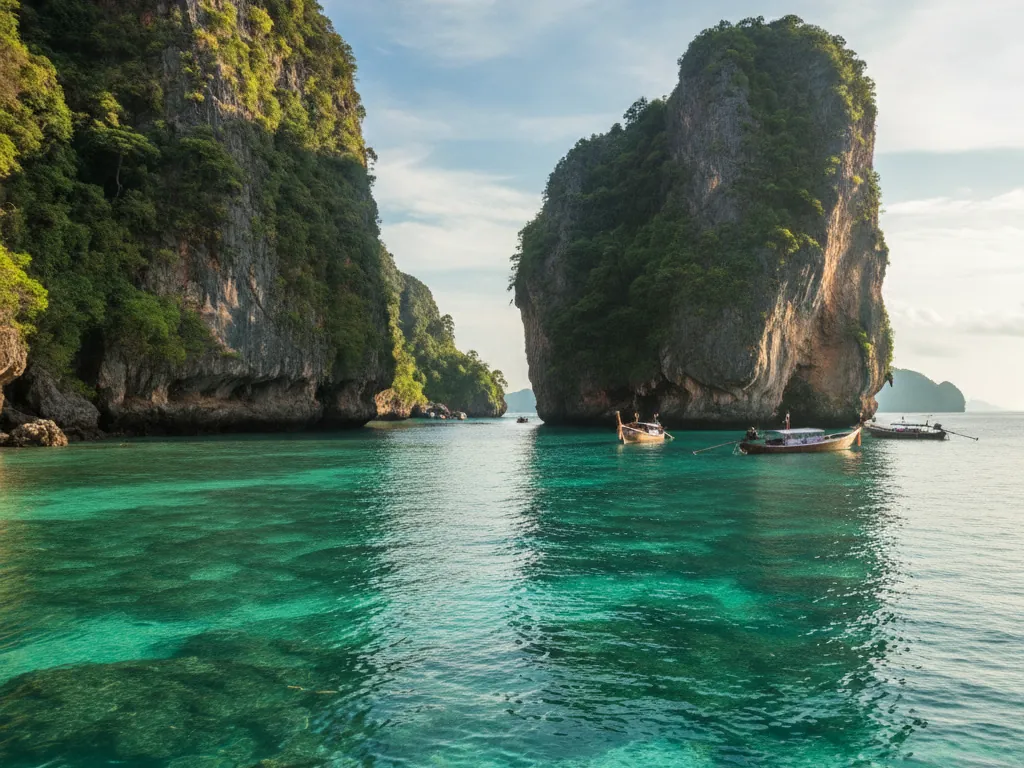
Easter typically falls in late March or April, catching Thailand at its hottest and most uncomfortable time of year before the monsoon arrives. April records the highest temperatures at 34.1°C with lows of 26.6°C and relatively modest rainfall of 87.7mm across 12.0 rainy days. Late March shows 33.4°C highs with only 39.9mm of rain over 7.1 rainy days. The heat becomes oppressive by midday, particularly in urban areas like Bangkok where concrete and traffic amplify the temperature. Families with young children find the conditions genuinely challenging, as even short walks between attractions can exhaust small legs. The Songkran water festival around mid-April offers spectacular cultural immersion but adds logistical complexity with widespread closures and transport disruptions. Visitor numbers spike but don't quite reach summer holiday levels, meaning slightly better availability and marginally lower prices than July or August. The lack of monsoon rains means more reliable beach days, though the heat limits outdoor activity to early mornings and late afternoons.
October Half-Term: Monsoon's Last Stand
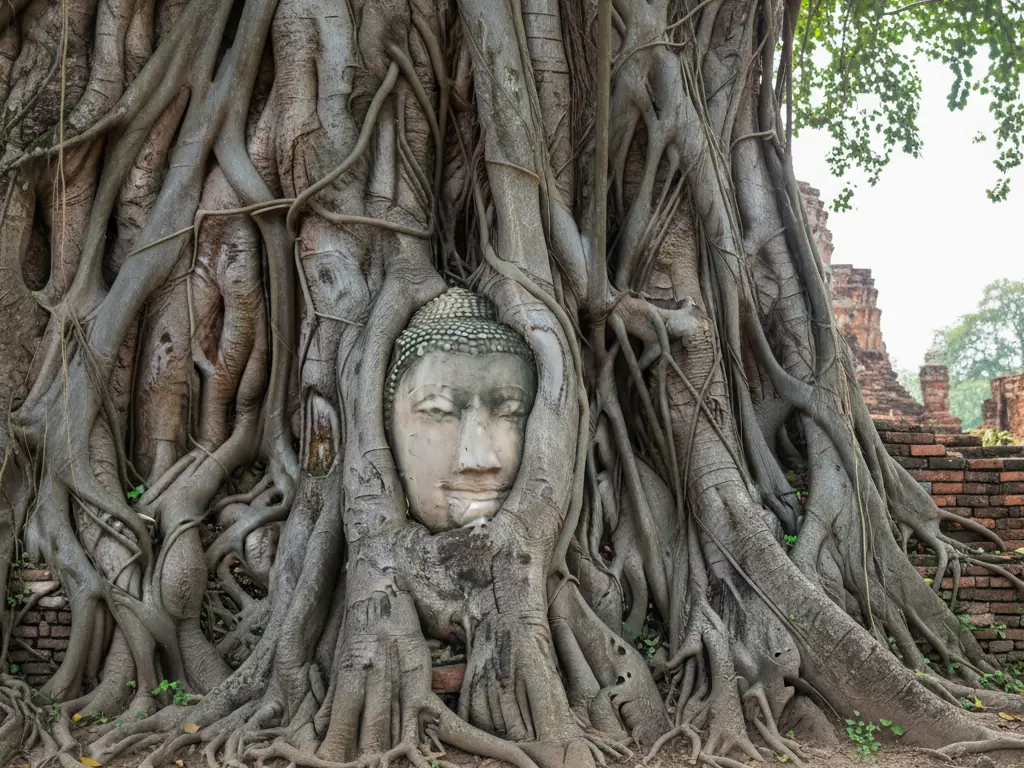
The October half-term week catches the tail end of the southwest monsoon, with 238.1mm of rain falling across 22.4 days and temperatures moderating to 30.6°C highs and 24.4°C lows. Rainfall remains substantial though generally less intense than August, and you'll face significant uncertainty around beach plans and island travel. Ferry services to islands may be disrupted by rough seas, and some beach-focused resorts close entirely during this period. Northern regions like Chiang Mai fare slightly better than southern coastal areas. The advantage lies in dramatically smaller crowds compared to summer or Easter, with many European families unable to travel during this shorter break. Prices drop noticeably and popular attractions become far more manageable. Families willing to build flexibility into their itinerary and focus on cultural experiences over guaranteed beach weather often find October half-term offers the best balance of manageable conditions and reduced tourist pressure.
Managing Heat and Humidity With Children
Thailand's tropical climate during school holidays demands specific strategies for families with children. Schedule outdoor activities and sightseeing for early morning before 10am, when temperatures remain bearable and energy levels run high. Return to air-conditioned accommodation during the midday heat for rest, swimming pool time or indoor play. Constant hydration becomes essential with children who may not recognise their own thirst, so carry water bottles everywhere and offer drinks every 20-30 minutes. Lightweight, loose cotton clothing, wide-brimmed hats and high-factor sunscreen form the basic defence, with hand-held fans providing surprising relief. Many families underestimate how quickly young children overheat, so watch for flushed faces, irritability and fatigue as warning signs. Choose accommodation with excellent air conditioning and a pool, creating a comfortable base for heat refuge. Thailand's widespread availability of 7-Eleven stores means you're never far from cold drinks, ice cream and air-conditioned respite.
Beating the Crowds at Peak Times
Popular sites like the Grand Palace in Bangkok, Doi Suthep temple in Chiang Mai and the Phi Phi Islands become genuinely overcrowded during school holidays, testing patience with long queues and jostling crowds. Arrive at major attractions right at opening time, often 8am or 8:30am, before tour groups arrive. Many temples and cultural sites see lighter traffic during the hottest midday hours when most visitors retreat to shade. Consider lesser-known alternatives that offer similar experiences without the masses: Wat Arun provides stunning architecture with fewer visitors than the Grand Palace, while islands like Koh Lanta or Koh Kood offer beautiful beaches with a fraction of Phuket's crowds. Book popular experiences like elephant sanctuaries, cooking classes and boat tours well in advance, ideally several months ahead for summer holidays. Eating at local restaurants away from main tourist strips not only saves money but avoids the crowds and queues at well-reviewed tourist favourites.
Booking Strategy for School Holiday Travel
School holiday periods see sharp price increases and rapid sell-outs at family-friendly accommodation, requiring early action. Book flights and hotels at least four to six months ahead for July and August travel, slightly less for Easter and October breaks. Look for hotels with family rooms or connecting rooms rather than booking multiple standard rooms, as this configuration often offers better value. All-inclusive or half-board options provide budget certainty and convenience when travelling with tired, hungry children, though Thailand's inexpensive restaurant scene means self-catering isn't necessary. Travel insurance becomes particularly important when booking far in advance and travelling during monsoon season, covering both cancellation costs and weather-related disruptions. Consider positioning your trip at the very start or end of the school holiday if your term dates allow, as prices often peak in the middle weeks when all schools have broken up.
Which Peak Holiday Window Works Best?
No school holiday period offers ideal conditions in Thailand, but each suits different family priorities. July and August bring reliable warmth with manageable monsoon rain patterns if you're flexible, though crowds reach their peak. Easter delivers the most consistent dry weather but genuinely challenging heat that can overwhelm young children and limit daytime activities. October half-term offers the quietest experience with the lowest prices, but requires acceptance of frequent rain and possible disruption to beach plans. Families prioritising beach time and willing to cope with crowds should lean toward July or August, particularly if visiting Gulf Coast islands. Those more interested in cultural experiences and temple visits might find October's smaller crowds and slightly cooler temperatures preferable despite the rain. Easter suits families with older children who can better handle intense heat and who value dry weather above all else.
FAQ
What should we pack for Thailand with kids during the summer holidays when it rains most days?
Pack lightweight rain jackets or ponchos for each family member, as compact umbrella coverage becomes impractical with multiple children. Quick-dry clothing works better than cotton, which stays damp in the humidity. Waterproof bags or dry sacks protect electronics, documents and spare clothes. Sandals with good grip suit wet conditions better than trainers that take hours to dry. Despite the rain, you'll still need sun protection for breaks between showers, so pack sunscreen, hats and sunglasses. Bring more changes of clothes than usual, as children will get wet and need fresh outfits multiple times daily.
How do we keep children entertained in Thailand during October half-term when beach weather is unreliable?
Focus your itinerary on cultural and indoor activities that don't depend on sunshine. Cooking classes welcome families and provide hands-on engagement, while elephant sanctuaries and animal experiences work in any weather. Many hotels offer kids' clubs and indoor play areas for rainy afternoons. Markets and shopping centres provide covered exploration opportunities. Temple visits work well between showers, and the rain often creates dramatic atmospheric photography. Book accommodation with good pools and family facilities, turning your hotel into a destination rather than just a base. Northern Thailand around Chiang Mai offers more indoor cultural activities than purely beach-focused southern destinations.
Is April too hot to visit Thailand with young children who can't tolerate extreme heat?
April's temperatures of 34.1°C with high humidity genuinely challenge young children's heat tolerance and require careful planning rather than avoidance. Limit outdoor activities to early morning and late evening, filling midday hours with air-conditioned museums, shopping centres, hotel pool time and rest. Choose destinations with good infrastructure and easy access to indoor spaces - Bangkok, Chiang Mai and major beach resorts work better than remote areas. Shorter activity periods work better than ambitious full-day excursions. Some families with very young children or those particularly sensitive to heat might genuinely find October's monsoon conditions more manageable than April's extreme temperatures.
What areas of Thailand work best for families during the July and August monsoon season?
The Gulf Coast islands including Koh Samui, Koh Phangan and Koh Tao experience their dry season during July and August, offering reliable beach weather when the Andaman Coast sees heavy rain. Northern Thailand around Chiang Mai receives monsoon rain but remains accessible and culturally rich with temples, activities and covered markets. Bangkok works surprisingly well as the city's infrastructure handles rain efficiently and offers numerous indoor attractions like the Sea Life aquarium, museums and enormous shopping centres. Avoid the Andaman Coast islands like Phuket and Krabi where monsoon impacts are strongest, though these areas remain open and some families accept the rain trade-off for lower prices and smaller crowds.
Weather data: open-meteo (ERA5 reanalysis, 2014-2023 averages). Reviewed and updated periodically.