Corsica vs Sardinia: Which Island Should You Visit? (Honest Comparison)
Corsica and Sardinia sit in the Mediterranean Sea just a few miles apart, yet each island delivers a distinctly different family vacation experience. Corsica offers dramatic mountain terrain, French cultural influences, and smaller coastal villages ideal for active families seeking hiking and outdoor immersion. Sardinia provides longer stretches of shallow beach, Italian resort infrastructure, and easier logistics for families with young children. Both islands feature warm summer weather, crystal-clear water, and opportunities to explore ancient sites, but the choice depends on which attributes matter most for a particular family's travel style.
Geography and Climate: What to Expect
Corsica spans approximately 3,350 square miles with a mountainous interior that rises over 8,000 feet in elevation, creating microclimates across the island. Sardinia covers about 9,300 square miles with varied topography including coastal plains, interior plateaus, and mountain ranges that reach approximately 6,000 feet. Both islands experience hot, dry summers with average temperatures between 77-86°F from June through September, while spring and fall offer milder conditions between 59-72°F. Winter months bring cooler weather and occasional rain, with temperatures ranging from 45-59°F, making summer the primary family travel season for beach activities.

Beach Quality and Water Access for Families
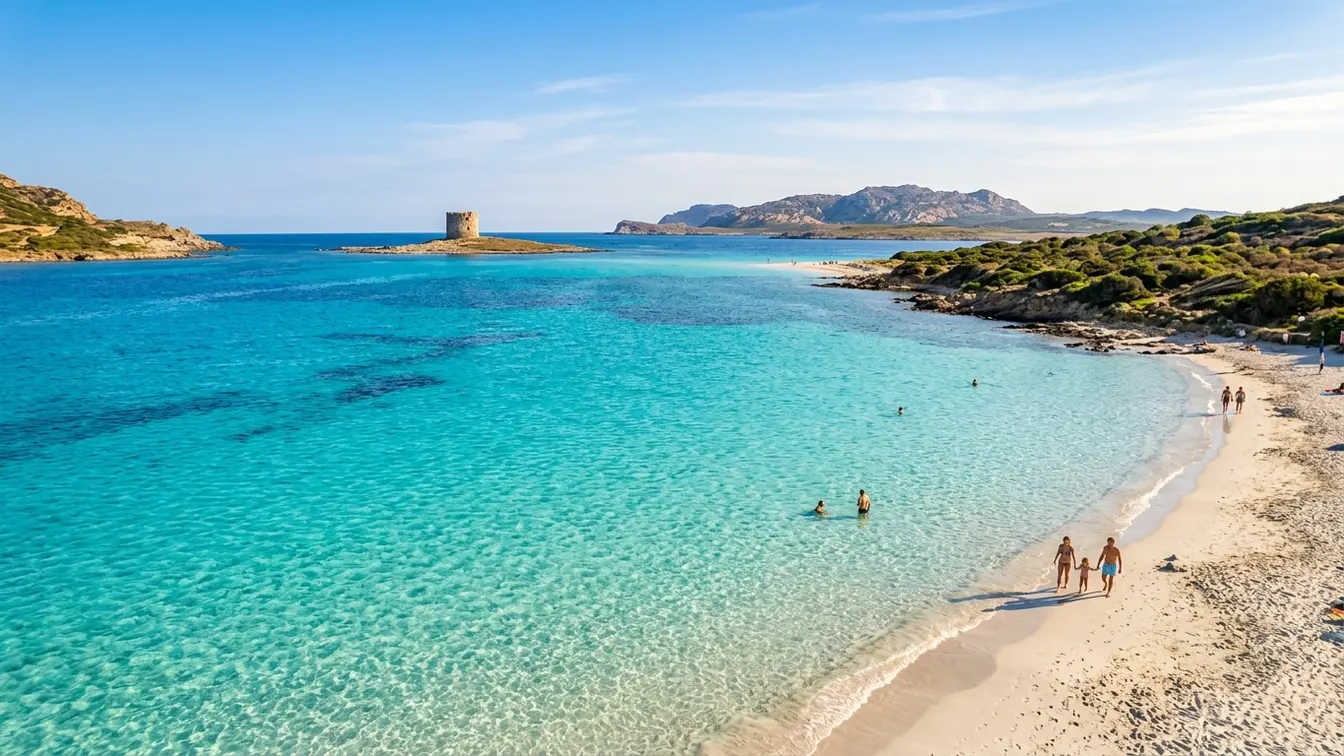
Sardinia's coastline extends over 1,100 miles with numerous wide, sandy beaches that feature gentle slopes into shallow water - characteristics that work well for toddlers and young swimmers. Notable family-friendly beaches include Cala Gonone on the east coast and the protected bays near Santa Teresa Gallura in the north, where sandbars create natural wading pools. Corsica's approximately 600-mile coastline includes more rocky coves and pebble beaches interspersed with sand, requiring families to research specific beach access points. The eastern Corsican coast near Porto-Vecchio offers sandy options like Palombaggia and Santa Giulia, but many western beaches require short hikes or boat access.
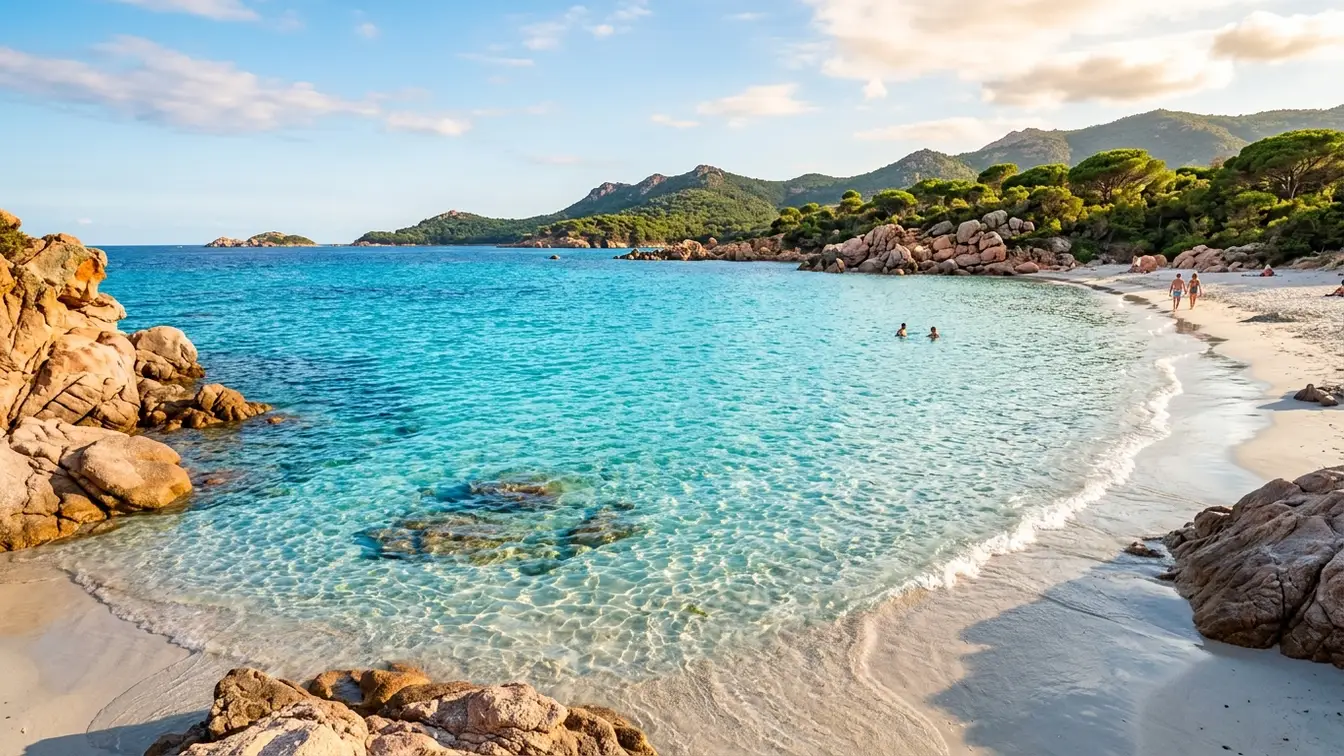
Water clarity ranks exceptional at both destinations, with visibility often exceeding 80 feet in calm conditions. Sardinia's gradual beach entries allow children to wade comfortably for 30-50 feet before reaching shoulder depth, while many Corsican beaches drop to deeper water more quickly, creating better snorkeling conditions but requiring closer supervision of younger swimmers.
Accessibility and Transportation Logistics
Sardinia operates three main airports - Cagliari in the south, Olbia in the northeast, and Alghero in the northwest - with regular connections to major European cities during peak season. Corsica has four airports including Ajaccio, Bastia, Calvi, and Figari, though flight options tend to be more limited and seasonal. Ferry service connects both islands to mainland France and Italy, with Sardinia offering more frequent departures and larger vessels that accommodate vehicles more reliably.
Road conditions differ significantly between the islands. Sardinia features a more developed highway network including the SS131 expressway that runs north-south through the interior, making cross-island drives manageable with children. Corsica's mountainous terrain means most routes follow winding coastal or mountain roads where average speeds rarely exceed 30-40 mph, turning short distances into lengthy drives. Families should plan driving times in Corsica at roughly double what mapping software initially suggests.
Accommodation Options and Tourist Infrastructure
Sardinia provides more extensive accommodation infrastructure including international hotel chains, all-inclusive resorts with kids' clubs, and purpose-built vacation villages near major beaches. The Costa Smeralda region in northeast Sardinia offers luxury options, while southern areas near Villasimius and Pula provide mid-range family hotels with pools and organized activities. Corsica leans toward smaller-scale properties including family-run hotels, gites (self-catering cottages), and campgrounds with bungalow rentals, creating a more low-key vacation atmosphere but requiring families to be more self-sufficient.
Restaurant availability follows similar patterns - Sardinia's tourist centers offer numerous dining options with English menus and flexible meal times, while Corsican establishments often maintain traditional French dining schedules with limited service between lunch and dinner hours. Grocery stores and pharmacies appear more frequently in Sardinian towns, making mid-trip supply runs simpler for families managing specific dietary needs or forgetting essential items.
Activities Beyond the Beach
Corsica excels for families with older children interested in hiking and nature exploration. The island features over 1,500 miles of marked trails including segments of the famous GR20 long-distance route, plus easier coastal paths and forest walks suitable for ages 8 and up. The Scandola Nature Reserve on the west coast offers boat tours through protected waters and dramatic cliff formations, while the interior Restonica Valley provides river swimming in natural rock pools.
Sardinia offers archaeological sites more accessible for younger visitors, including Bronze Age nuraghe stone towers scattered across the island - over 7,000 documented structures, with Su Nuraxi near Barumini providing the best-preserved example and English-language tours. The Grotta di Nettuno sea cave near Alghero features 656 steps down a cliff face (or boat access) to spectacular limestone formations, creating a memorable family outing for children comfortable with stairs.
Cultural Experience and Language Considerations
Corsica operates as a French territorial collectivity, meaning the island uses the euro, follows French administrative systems, and maintains French as the primary official language alongside Corsican. Signage appears in French, restaurant menus follow French culinary traditions (though with Corsican specialties like figatellu sausage and brocciu cheese), and the cultural atmosphere reflects Mediterranean France. Sardinia functions as an autonomous region within Italy, using Italian as the main language with Sardinian spoken in rural areas, and delivering a distinctly Italian vacation experience with pasta-focused cuisine, afternoon riposo closures, and evening passeggiata strolls.
English proficiency varies at both destinations - tourist-focused businesses in Sardinian resorts typically have English-speaking staff, while smaller Corsican villages may require basic French phrases or translation apps for daily interactions. Families comfortable navigating language barriers will find both islands manageable, though Sardinia's larger tourism infrastructure provides more linguistic support.
Cost Comparison for Family Travel
Neither island qualifies as a budget destination during summer peak season, but Corsica generally runs 15-25% higher for comparable services. Accommodation, restaurant meals, and activity costs reflect French pricing structures in Corsica, while Sardinia aligns more closely with mainland Italian rates. Ferry crossings cost similar amounts, but Sardinia's better flight connectivity often yields lower airfare options from major departure cities.
Grocery shopping and self-catering expenses help control costs at both destinations, though families should expect Mediterranean island pricing rather than mainland rates. Water sports equipment rentals, guided tours, and organized activities charge premium rates during July and August at both locations, with shoulder season (May-June and September) offering better value without significant weather compromise.
FAQ
Which island is better for families with children under 5 who need easy beach access and convenient facilities?
Sardinia provides better infrastructure for families with very young children, including beaches with gradual water entry, more consistent availability of beach facilities like changing areas and snack bars, and accommodation options with cribs and high chairs readily available. The island's flatter coastal terrain means less carrying of beach gear and strollers, and the abundance of gelato shops and family-friendly restaurants with flexible timing makes daily logistics smoother. Corsica rewards families willing to embrace a more rustic experience, but the mountainous geography and limited tourist facilities create additional challenges when managing toddler needs.
How much time should families plan for a visit to really experience either Corsica or Sardinia without feeling rushed?
A meaningful family visit to either island requires at least 7-10 days to balance beach relaxation with exploration of inland areas and cultural sites. Corsica's slow driving speeds mean families need additional time to cover distances - a northern base and southern base with a mid-trip relocation works better than trying to day-trip across the island. Sardinia's better roads allow more flexibility with a single base location, though the island's size still rewards a two-base approach to minimize backtracking. Families attempting quick 4-5 day visits often spend disproportionate time in transit rather than enjoying destinations.
What's the best time of year for families to visit if they want to avoid crowds but still have good beach weather?
Late May through mid-June and the first three weeks of September offer the optimal balance of pleasant weather and manageable crowds at both islands. Water temperatures reach swimmable levels (68-72°F) by late May and remain comfortable through September, while air temperatures sit in the comfortable 72-79°F range rather than peak summer's 85°F plus heat. European school holidays run from early July through August, creating maximum crowding and requiring advance reservations, whereas shoulder season allows spontaneous travel and better availability. October brings increasingly unpredictable weather with potential rain systems, making it less reliable for beach-focused trips.
Can families realistically visit both islands in one trip or should they choose just one destination?
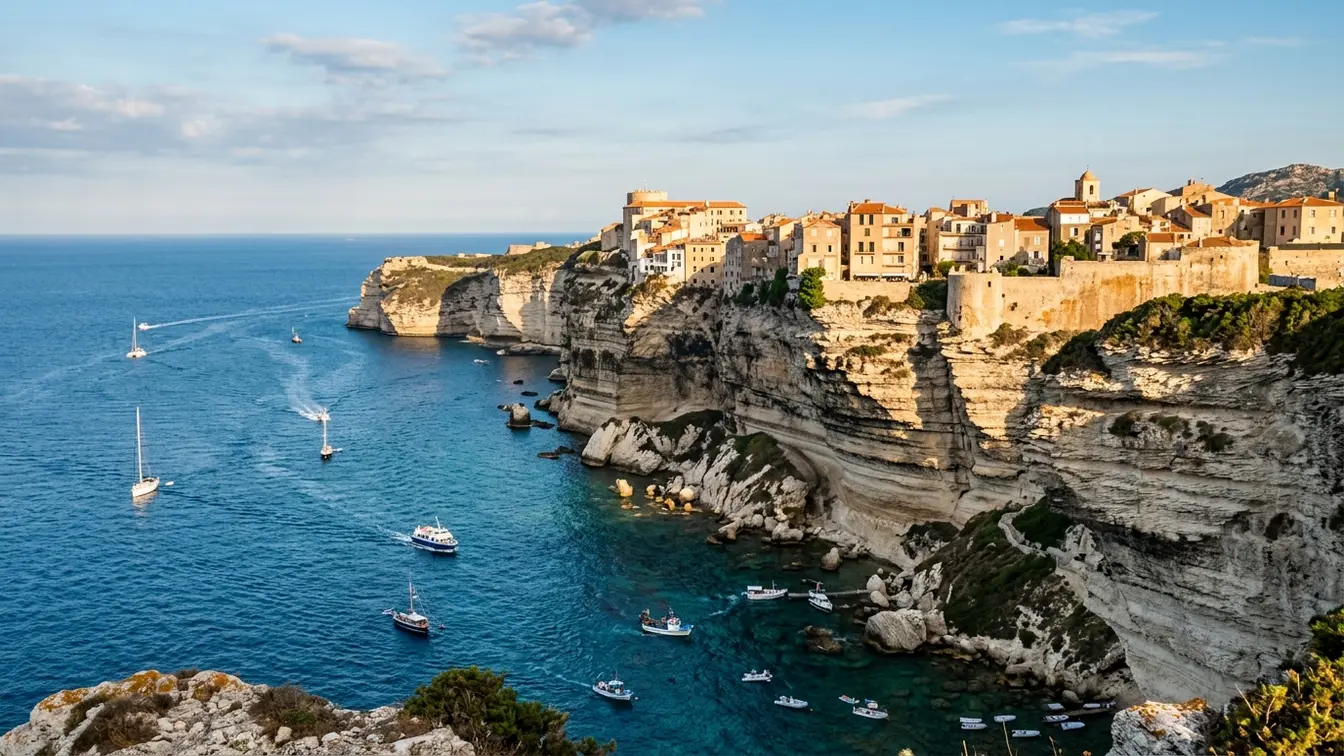
Families can combine both islands with careful planning, using the ferry connection between Bonifacio in southern Corsica and Santa Teresa Gallura in northern Sardinia - a crossing that takes approximately 50 minutes. This approach works best for trips of 14 days or longer, allowing a week-based split between islands without excessive packing and unpacking. However, the distinct character of each destination means families gain more depth of experience by dedicating a full trip to one island, then returning on a future vacation to explore the other. The logistics of ferry schedules, potential weather delays, and the time spent in transit often consume a full day of vacation, making the dual-island approach more suited to flexible travelers than those with tight schedules or very young children.