Best Time to Visit Bulgaria with Kids
Bulgaria offers families an appealing mix of Black Sea beaches, mountain adventures, vibrant cities, and folklore-rich villages at prices that leave room in the budget for extra ice cream. Choosing the right season can mean the difference between a sunlit beach holiday and a muddy mountain trek, so understanding Bulgaria's continental climate - with hot summers, cold winters, and distinct shoulder seasons - is essential for planning a family trip that balances weather, crowds, and cost. Some links may earn us a small commission, at no cost to you.
| Month | Avg high | Avg low | Rainfall | Rainy days |
|---|---|---|---|---|
| January | 4.8°C | -3.3°C | 62.4 mm | 8.9 |
| February | 8.7°C | -1.1°C | 37.1 mm | 7.6 |
| March | 11.2°C | 1.1°C | 72.2 mm | 12.0 |
| April | 16.1°C | 5.3°C | 67.1 mm | 11.2 |
| May | 20.5°C | 10.2°C | 71.4 mm | 13.6 |
| June | 24.2°C | 14.3°C | 79.2 mm | 12.7 |
| July | 27.4°C | 16.6°C | 52.0 mm | 7.2 |
| August | 28.0°C | 16.7°C | 36.2 mm | 6.1 |
| September | 23.6°C | 12.8°C | 41.1 mm | 6.1 |
| October | 17.8°C | 7.6°C | 59.6 mm | 7.2 |
| November | 11.7°C | 3.5°C | 59.5 mm | 9.4 |
| December | 6.5°C | -0.9°C | 53.7 mm | 9.1 |
Best Overall Months for Families
June, July, August, and September stand out as the most reliable months for family travel to Bulgaria. July offers the warmest, driest conditions with average highs of 27.4°C and just 52.0 mm of rain spread over 7.2 days, making it ideal for beach holidays on the Black Sea coast and outdoor exploration. August continues this trend with even warmer temperatures (28.0°C highs) and the least rainfall of the year at 36.2 mm over 6.1 days. June provides slightly cooler but still pleasant weather (24.2°C highs) with marginally more rain (79.2 mm over 12.7 days), while September delivers comfortable temperatures of 23.6°C and low rainfall (41.1 mm over 6.1 days) after the peak summer rush. These four months align well with school holidays in many countries and offer consistent sunshine for beach days, hiking, and sightseeing without the unpredictability of spring or the chill of late autumn.
Month-by-Month Breakdown
Each month in Bulgaria brings distinct conditions that shape what families can do and enjoy together.
- January and February: Winter grips Bulgaria with January averaging 4.8°C highs and -3.3°C lows, while February warms slightly to 8.7°C and -1.1°C. Snow is common in the mountains, making this the season for family ski trips to Bansko or Borovets. Rainfall remains moderate (62.4 mm in January, 37.1 mm in February), though precipitation often falls as snow at higher elevations. Cities like Sofia and Plovdiv are quiet and atmospheric but cold for young children who tire easily outdoors.
- March and April: Spring arrives unevenly, with March still cool (11.2°C highs, 1.1°C lows) and quite wet (72.2 mm over 12 rainy days). April warms to 16.1°C but still sees 67.1 mm of rain over 11.2 days. These months suit families interested in wildflower-carpeted valleys and fewer tourists, but unpredictable weather and muddy trails can frustrate plans. Indoor attractions like museums and the ancient Thracian tombs become more appealing fallback options.
- May: Temperatures reach a pleasant 20.5°C with lows of 10.2°C, though May is surprisingly rainy with 71.4 mm falling over 13.6 days - the highest rainy-day count of the year. Late spring offers green landscapes and blooming roses in the Valley of Roses, but families should pack waterproofs and build flexible itineraries. Coastal resorts begin opening but water remains cool for swimming.
- June: Summer begins in earnest with 24.2°C highs and 14.3°C lows. Rainfall of 79.2 mm over 12.7 days means occasional afternoon showers, but these rarely last long. Black Sea beaches become swimmable, mountain trails dry out, and Sofia's parks fill with local families. This month balances good weather with fewer crowds than July and August, though school terms in many countries limit availability for families.
- July and August: Peak summer delivers the best weather for families, with July averaging 27.4°C and August reaching 28.0°C. July sees just 52.0 mm of rain over 7.2 days, while August is even drier at 36.2 mm over 6.1 days. Black Sea resorts like Sunny Beach and Golden Sands operate at full capacity, mountain hikes are reliably dry, and open-air festivals celebrate Bulgarian culture. These are the busiest and most expensive months but offer the most predictable conditions for outdoor family activities.
- September: Early autumn brings 23.6°C highs, 12.8°C lows, and just 41.1 mm of rain over 6.1 days. The Black Sea remains warm enough for swimming through mid-month, crowds thin as European schools resume, and harvest festivals animate rural villages. This is an ideal shoulder-season choice for families with flexible schedules who want summer weather without peak-season intensity.
- October: Temperatures cool to 17.8°C with lows of 7.6°C, and rainfall increases to 59.6 mm over 7.2 days. Autumn foliage paints the mountain forests, but swimming season ends and some coastal attractions close. Active families can still enjoy hiking and cultural sightseeing, though evenings grow chilly and rain becomes more frequent.
- November and December: Bulgaria transitions to winter with November averaging 11.7°C (3.5°C lows) and December dropping to 6.5°C (-0.9°C lows). Rain falls on 9.4 and 9.1 days respectively, with snow arriving in the mountains by December. These months suit families seeking Christmas markets in Sofia or early-season skiing, but short days and cold temperatures limit outdoor exploration for younger children.
School Holidays vs Shoulder Season Trade-offs
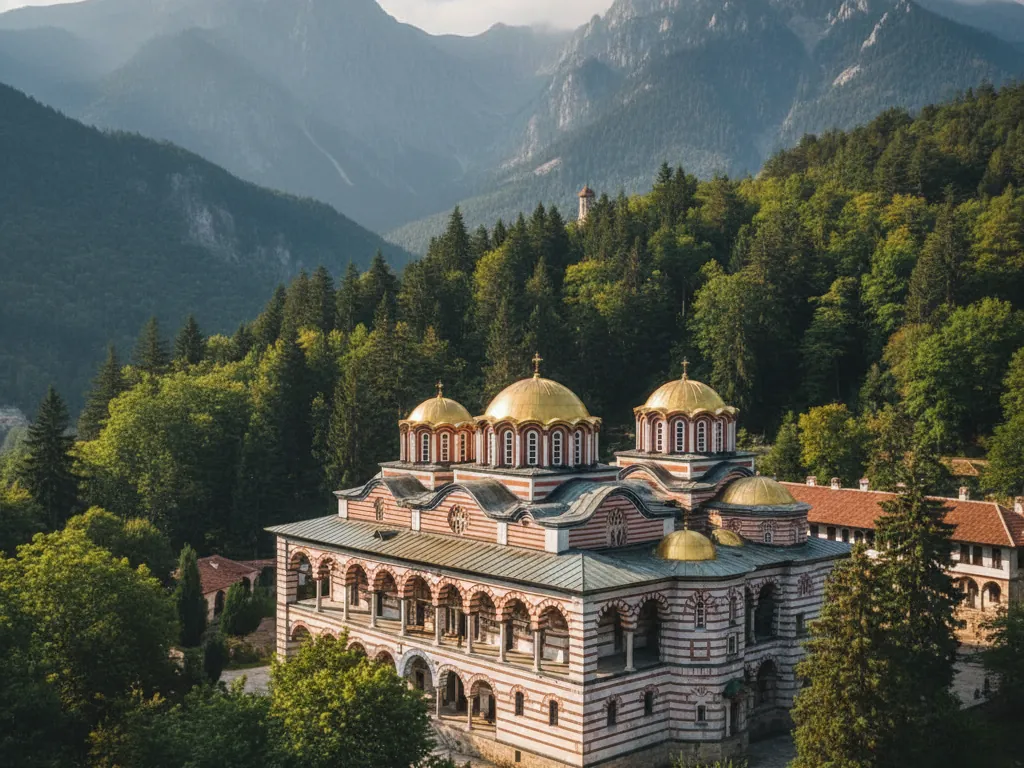
Families travelling during summer school breaks (late June through August) benefit from the most reliable weather and fully operational attractions, but encounter larger crowds at popular sites like Rila Monastery and Nessebar's Old Town, plus higher accommodation rates at Black Sea resorts. Beach towns can feel packed during July and August, with restaurants and pools busier and sand space at a premium. The shoulder months of early June and September offer a compelling alternative: June provides warm weather suitable for most activities with noticeably fewer tourists, though afternoon rain showers are more common and some seasonal businesses operate reduced hours. September stands out as perhaps the best compromise, delivering summer-like temperatures (23.6°C), minimal rainfall (41.1 mm), warm sea conditions, and thinning crowds as schools across Europe reopen - ideal for families who can travel outside traditional holiday weeks. May and early October extend the shoulder season further but bring cooler temperatures and greater weather uncertainty that may limit beach enjoyment and require more indoor backup plans.
Weather by Season
Bulgaria experiences four distinct seasons that shape family travel considerably. Summer (June through August) is characterized by hot, generally dry weather with Sofia averaging 24.2-28.0°C and rainfall dropping to a yearly low in August (36.2 mm). This season in Bulgaria offers reliable sunshine for beach holidays, mountain hikes, and outdoor festivals, with comfortable evening temperatures for family dining al fresco. Autumn (September through November) begins warm and dry, with September delivering 23.6°C and just 41.1 mm of rain, but cools progressively as October brings 17.8°C and November drops to 11.7°C with increasing rainfall. Early autumn suits families seeking quieter travel, while late autumn brings unpredictable conditions and shorter days. Winter (December through February) is cold, with December averaging 6.5°C highs and January dropping to 4.8°C, while lows fall below freezing. Snowfall transforms mountain regions into ski destinations, but cities can feel harsh for long outdoor exploration with young children. Spring (March through May) sees gradual warming from 11.2°C in March to 20.5°C in May, but rainfall remains high throughout (67.1-72.2 mm) with May recording the most rainy days (13.6). Spring offers green landscapes and wildflowers but requires flexible planning around wet weather.
What to Pack for Bulgaria with Kids
Summer visits (June-August) call for lightweight cotton clothing, sun hats, high-SPF sunscreen, and swimwear for multiple activities, as families often alternate between beach days and mountain excursions. Temperatures in Bulgaria can vary significantly between coast and mountains, so pack a light fleece or jacket for cooler evenings even in July and August. Comfortable walking shoes with good grip suit cobblestone old towns and forest trails alike, while sandals work for beaches and cities. Spring and autumn (April-May, September-October) demand layering: pack long-sleeved shirts, light sweaters, and a waterproof jacket for each family member, as temperatures fluctuate and rain showers arrive with little warning. Closed-toe shoes become essential as trails can be muddy. Winter visitors (December-February) need full cold-weather gear including insulated coats, warm layers, gloves, hats, and waterproof boots, plus ski clothing if heading to mountain resorts. Year-round essentials include a small first-aid kit, any prescription medications (which may be difficult to replace in rural areas), travel-sized laundry detergent for extending clothing wear, and reusable water bottles. Bulgarian pharmacies are well-stocked in cities but scarcer in villages, so pack children's pain relievers and any specific remedies your family relies on.
Crowds and Price Seasonality
Bulgaria's tourism patterns follow a clear seasonal rhythm that affects both budget and experience. Peak season runs from mid-June through August, when Black Sea coastal resorts reach maximum capacity and prices for beachfront accommodation rise significantly above shoulder-season rates. Popular sites like Rila Monastery, the ancient theatre in Plovdiv, and Nessebar's UNESCO-listed Old Town see their largest visitor numbers during these months, with tour buses arriving throughout the day and restaurants sometimes struggling to keep pace. Families benefit from the widest selection of open attractions and full activity schedules, but should book accommodation well ahead and prepare for queues at major sights. Shoulder seasons (May-early June and September-early October) offer the best value, with accommodation rates dropping considerably while most attractions remain open and weather stays pleasant. September particularly balances warm conditions with reduced crowds and better prices. Low season (November-March, excluding ski weeks) brings the lowest accommodation rates and empty attractions, though many coastal facilities close entirely and weather limits outdoor activities. Ski resorts like Bansko experience their own peak during January and February school holidays, when prices rise but snow conditions are optimal. Families seeking budget-friendly travel should target late May, early June, or September for the best combination of reasonable weather, open attractions, and affordable rates.
FAQ
What is the best month to visit Bulgaria with kids for beach holidays?
July and August offer the most reliable beach weather, with July averaging 27.4°C and just 52.0 mm of rain over 7.2 days, while August reaches 28.0°C with even less rainfall at 36.2 mm over 6.1 days. Both months provide consistently warm sea temperatures and sunny days ideal for sandcastle building, swimming, and coastal exploration. September extends the beach season with 23.6°C temperatures and minimal rain (41.1 mm over 6.1 days), offering a quieter alternative once schools resume across Europe.
When should families visit Bulgaria to avoid crowds but still have good weather?
Early June and September represent the sweet spot for families seeking smaller crowds without sacrificing weather quality. September particularly stands out with 23.6°C temperatures, just 41.1 mm of rainfall over 6.1 days, and warm sea conditions, while most European schools have reopened, significantly reducing visitor numbers at attractions. Early June offers 24.2°C weather though with more rainy days (12.7), and many seasonal businesses have just opened with reduced crowds compared to the July-August peak.
Is Bulgaria too cold to visit with young children in spring or autumn?
Late spring (May) and early autumn (September-early October) offer comfortable temperatures for families, with May averaging 20.5°C and September 23.6°C, though May sees considerable rainfall (71.4 mm over 13.6 days). Early spring (March-April) and late autumn (late October-November) bring cooler conditions - March averages just 11.2°C with 72.2 mm of rain - that can challenge outdoor plans with young children who tire quickly in cold, wet weather. Families with flexible itineraries and indoor backup plans can still enjoy these periods, but summer and early autumn provide more reliable conditions for active days out.
What are the best months for skiing in Bulgaria with kids?
January and February offer the most reliable snow conditions at Bulgarian ski resorts like Bansko, Borovets, and Pamporovo, with January averaging 4.8°C highs and -3.3°C lows, while February warms slightly to 8.7°C and -1.1°C. Mountain areas receive consistent snowfall during these months, and resorts operate full lift schedules with ski schools catering to children. December sees the season begin as temperatures drop to 6.5°C, though snow coverage can be variable early in the month, while March (11.2°C) extends the season with warmer spring skiing conditions that some families prefer for younger children.
Weather data: open-meteo (ERA5 reanalysis, 2014-2023 averages). Reviewed and updated periodically.