Visiting Mauritius with Kids in the School Holidays
Mauritius during the major school holidays presents a paradox for families: the island is never truly off-limits, but each peak period brings its own compromises. Summer holidays coincide with the island's cooler, drier winter, while Easter and October half-term fall during warmer, wetter seasons. Understanding what to expect during July, August, Easter and October half-term - and how to work with rather than against the seasonal realities - makes the difference between a stressful trip and a successful family beach holiday when term-time travel simply isn't an option.
| Month | Avg high | Avg low | Rainfall | Rainy days |
|---|---|---|---|---|
| January | 29.4°C | 24.8°C | 227.3 mm | 23.2 |
| February | 29.4°C | 24.8°C | 157.5 mm | 22.0 |
| March | 29.4°C | 24.8°C | 144.6 mm | 21.2 |
| April | 28.6°C | 24.0°C | 89.7 mm | 17.8 |
| May | 27.2°C | 22.3°C | 48.9 mm | 10.7 |
| June | 25.6°C | 20.9°C | 26.2 mm | 6.8 |
| July | 25.0°C | 20.1°C | 31.0 mm | 9.7 |
| August | 25.3°C | 19.9°C | 31.5 mm | 8.2 |
| September | 26.0°C | 20.2°C | 23.2 mm | 7.3 |
| October | 27.6°C | 21.4°C | 42.5 mm | 9.6 |
| November | 28.8°C | 22.6°C | 50.6 mm | 13.5 |
| December | 29.6°C | 24.1°C | 121.6 mm | 19.4 |
The Summer Holidays Reality: July and August
July and August in Mauritius bring the island's coolest and driest weather of the year, which sounds ideal until families arrive expecting tropical heat. July averages 25.0°C during the day and 20.1°C at night, while August is marginally warmer at 25.3°C and 19.9°C. Rainfall is minimal - 31.0 mm across 9.7 days in July and 31.5 mm across 8.2 days in August - so rain rarely disrupts beach plans. The challenge is that these months coincide with the southern hemisphere winter and the southeast trade winds, which bring breezy conditions and cooler water temperatures. Mornings can feel chilly for swimming, and younger children may need rash vests or wetsuits for extended water play. The upside is that hiking, wildlife parks and inland attractions are genuinely comfortable when midday heat isn't a concern. Crowds peak during these weeks as European families flood the island alongside Mauritian winter school holidays, so expect fully booked resorts, busy beaches and premium pricing across accommodation and flights.
Easter: Warmth and Rainfall Combined
Easter timing varies, but when it falls in April the climate is considerably warmer and wetter than the winter months. April temperatures average 28.6°C during the day and 24.0°C overnight - genuinely warm without being oppressive for children. Rainfall totals 89.7 mm across 17.8 days, meaning brief showers are common but sustained downpours are less frequent than the summer cyclone season. The sea is warmer and calmer than winter, making snorkelling and swimming far more pleasant for families. Easter brings fewer European visitors than summer but significant local demand, as Mauritian families take advantage of the long weekend. Resort availability tightens and prices rise, though not to the extent of July-August. March, which often overlaps with Easter breaks, is marginally warmer at 29.4°C and sees 144.6 mm of rain across 21.2 days - more frequent showers but still manageable for beach-based itineraries with flexible daily planning.
October Half-Term: Spring Warmth Returning
October half-term catches Mauritius as the island transitions from winter to summer, with temperatures climbing to 27.6°C during the day and 21.4°C at night. Rainfall is modest at 42.5 mm across 9.6 days - enough to bring occasional afternoon showers but far less disruptive than the December-March wet season. The southeast trade winds begin to ease, and the lagoons warm up after the cooler winter months, making this a genuinely pleasant time for families who want warmer conditions than July-August without the intense heat and rain of high summer. Crowds are lighter than summer holidays, as only UK and some European schools break in late October, giving slightly better availability at family-friendly resorts and more breathing room at popular beaches. The ocean is calm enough for children to snorkel and paddleboard, and the risk of cyclones remains negligible.
Managing Heat and Humidity with Children
During Easter and October half-term, when daytime temperatures reach the high twenties, pacing becomes essential for families with younger children. Mornings before 11am and late afternoons after 3pm offer the most comfortable conditions for beach play, hiking and outdoor activities. Midday hours are best spent in shaded resort pools, air-conditioned attractions or returning to accommodation for rest and cooling down. High-factor reef-safe sunscreen, UV swimwear and wide-brimmed hats are non-negotiable for children, as the tropical sun is intense even on partly cloudy days. Hydration matters more than families accustomed to European summers often expect - carrying refillable water bottles and encouraging regular drinking prevents heat exhaustion during full-day excursions. In July and August, the cooler temperatures make heat management less critical, but wind protection becomes important for beach days, as the trade winds can make it feel cooler than the thermometer suggests.
Beating the Crowds During Peak Weeks
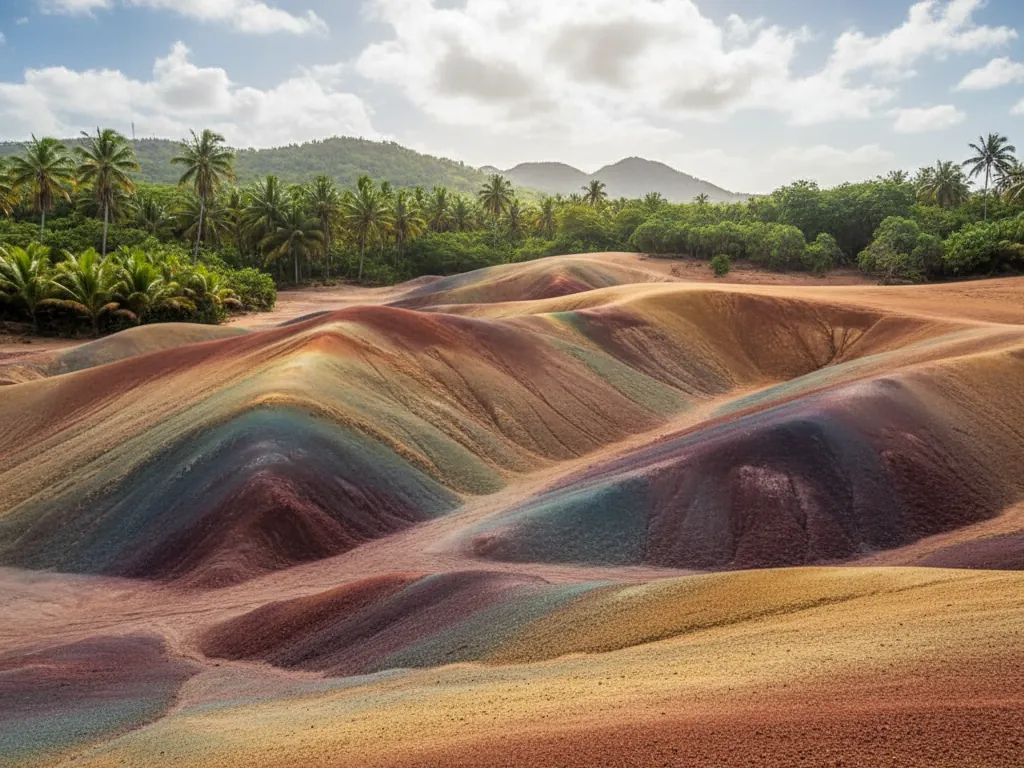
School holiday periods fill the island's most family-friendly beaches and attractions, but strategic timing within each day reduces congestion significantly. Arriving at popular spots like Ile aux Cerfs or the Seven Coloured Earths before 9am provides an hour or two of relative quiet before tour buses arrive. Weekdays are noticeably quieter than weekends during Mauritian school holidays, as local families concentrate their outings on Saturdays and Sundays. Choosing beaches on the south and west coasts rather than the heavily developed north and east spreads demand and offers calmer experiences, though facilities may be more limited. Booking private catamaran charters or small-group excursions rather than large group tours gives families control over timing and avoids the conveyor-belt feeling of peak-season tourism. Dining early or late - before 6:30pm or after 8:30pm - secures tables at popular restaurants without the midweek dinner rush.
Booking Strategy for Peak Season Travel
Securing accommodation and flights for school holiday travel to Mauritius requires booking far earlier than families often anticipate. July and August resorts fill six to nine months ahead, particularly properties with kids' clubs, family suites and all-inclusive packages. Waiting until three months before departure typically means settling for less ideal room categories or less convenient resort locations. October half-term and Easter offer slightly more flexibility, with three to six months often sufficient, though popular family hotels still sell out early. Comparing direct resort bookings against package deals through tour operators sometimes reveals better value, especially when packages include airport transfers and resort credits. Flight prices rise steeply as school holiday dates approach, making early booking particularly important for families travelling from Europe, where demand on direct routes is intense during peak weeks. Travel insurance with cancellation cover becomes more valuable during peak season, as the financial stakes are higher and family circumstances can change.
Which Peak Holiday Period is Least Challenging?
October half-term offers the most balanced compromise for families locked into school holiday travel. Temperatures are warm enough for comfortable swimming and beach days without the cooler conditions of July-August or the intense heat building through November and December. Rainfall is manageable - more than winter but far less than the March-April shoulder period. Crowds are lighter than the summer peak, giving better availability and a less pressured atmosphere at family attractions. The trade-off is that October half-term is short, typically just one week, whereas summer holidays span six weeks and Easter often includes two weeks, allowing more flexibility in choosing specific travel dates. July and August suit families prioritising dry weather and minimal rainfall over warm swimming conditions, while Easter works well for those who want genuine tropical warmth and don't mind occasional rain showers requiring plan adjustments.
FAQ
Is Mauritius too cold for swimming with children during July and August school holidays?
July and August bring the coolest water temperatures of the year, and many children - especially younger ones - find the ocean noticeably cool for extended swimming. Resort pools are often heated and more comfortable, and many families pack rash vests or thin wetsuits for kids who want to spend hours snorkelling or playing in the lagoons. Mornings are the coolest; afternoons warm up slightly. The climate isn't too cold for swimming, but it's not the bath-warm tropical water many families envision.
How much does accommodation cost increase during the summer holidays compared to term time in Mauritius?
Accommodation pricing rises significantly during July and August, with family-friendly resorts charging their highest rates of the year. The increase varies by property and room type, but peak-season rates are substantially higher than the same accommodation during May, June or September. Booking early and comparing all-inclusive packages against room-only rates helps manage costs, as does considering shoulder-season weeks at the edges of the summer break if school schedules allow even a few days' flexibility.
What should families pack for Mauritius during Easter when the weather is warmer and wetter?
Easter packing requires balancing warm beach days with the possibility of rain showers. Lightweight rain jackets or ponchos take minimal luggage space and keep children comfortable during brief downpours. Quick-dry clothing works better than cotton, as humidity is higher than winter months. Reef-safe sunscreen, UV swimwear and sun hats are essential - the sun is intense even on cloudy days. A small dry bag protects electronics and valuables during boat trips, and insect repellent becomes more important as mosquitoes are more active during warmer, wetter months than the dry winter season.
Are there any family attractions in Mauritius that are better to visit during peak school holidays than off-peak times?
Most family attractions in Mauritius are enjoyable year-round, but the cooler, drier conditions of July and August make wildlife parks, botanical gardens and hiking trails genuinely more comfortable than the humid heat of summer. Casela Nature Park and La Vanille Reserve involve substantial walking and outdoor time, which is far more pleasant when temperatures sit around 25°C rather than approaching 30°C. The trade-off is that these attractions are busier during school holidays, so arriving early in the day becomes more important for avoiding crowds and securing spots on popular activities like ziplining or feeding giant tortoises.
Weather data: open-meteo (ERA5 reanalysis, 2014-2023 averages). Reviewed and updated periodically.