Best Time to Visit Croatia with Kids
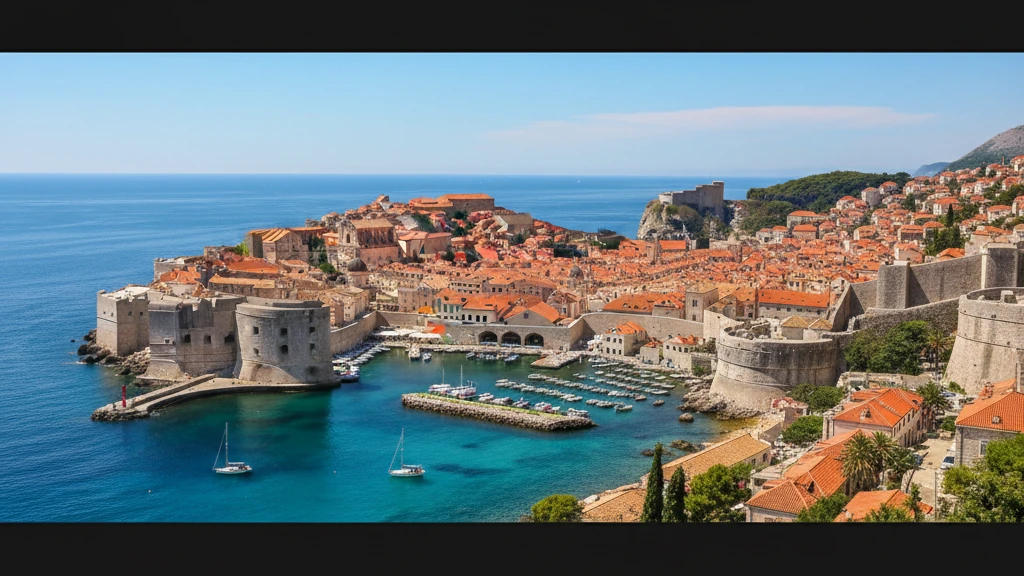
Croatia offers families a winning combination of historic coastal towns, island-hopping adventures, and warm Adriatic beaches that appeal to children and adults alike. Choosing when to visit depends on balancing comfortable weather, manageable crowds, and school holiday constraints. The country experiences a Mediterranean climate along the coast and a more continental climate inland, with summer bringing the warmest and driest conditions for beach days, while spring and early autumn deliver milder temperatures ideal for sightseeing with young travellers. Understanding the seasonal patterns helps families plan trips that match their priorities, whether that means peak summer sunshine or quieter shoulder-season exploration.
Some links may earn us a small commission, at no cost to you.
| Month | Avg high | Avg low | Rainfall | Rainy days |
|---|---|---|---|---|
| January | 5.5°C | -1.6°C | 62.4 mm | 10.3 |
| February | 8.5°C | 0.0°C | 72.4 mm | 9.2 |
| March | 12.5°C | 2.2°C | 48.1 mm | 8.4 |
| April | 16.8°C | 6.3°C | 69.7 mm | 10.2 |
| May | 20.4°C | 10.9°C | 114.2 mm | 15.1 |
| June | 26.0°C | 15.8°C | 81.3 mm | 10.7 |
| July | 28.0°C | 17.8°C | 85.3 mm | 10.3 |
| August | 27.5°C | 17.5°C | 77.6 mm | 9.0 |
| September | 22.2°C | 13.2°C | 106.1 mm | 10.2 |
| October | 17.1°C | 8.7°C | 89.1 mm | 8.6 |
| November | 10.9°C | 4.2°C | 84.9 mm | 9.4 |
| December | 6.4°C | -0.1°C | 65.0 mm | 9.2 |
Best Overall Months for Families
June and September stand out as the sweet spot months for visiting Croatia with kids. June in Croatia sees average high temperatures around 26.0°C and lows near 15.8°C, with about 81.3 mm of rainfall spread over roughly 10.7 rainy days - warm enough for swimming but not oppressively hot for walking tours or island excursions. September offers similar appeal with highs around 22.2°C and lows at 13.2°C, though rainfall increases slightly to 106.1 mm across 10.2 rainy days. Both months sit outside the absolute peak summer crush, meaning shorter queues at Dubrovnik's Old Town walls and more availability at family-friendly apartments along the Dalmatian coast. The sea temperature remains pleasant for children through September after warming all summer, while June marks the start of reliable beach weather without the intensity of July and August.
Month-by-Month Breakdown
Each season in Croatia presents distinct advantages and trade-offs for families planning their visit.
January through March: Winter months in Croatia bring cool temperatures, with January averaging 5.5°C highs and -1.6°C lows, while March warms to 12.5°C and 2.2°C respectively. Rainfall ranges from 48.1 mm in March to 72.4 mm in February, with around 8 to 10 rainy days per month. Coastal areas stay milder than inland Zagreb, but these months suit families seeking off-season cultural exploration rather than beach holidays. Museums, medieval architecture, and indoor attractions become the focus, with minimal crowds and lower accommodation costs.
April and May: Spring awakens with April highs reaching 16.8°C and lows around 6.3°C, while May climbs to 20.4°C and 10.9°C. May brings the year's highest rainfall at 114.2 mm across 15.1 rainy days, making it the wettest month. Despite occasional showers, these months work well for families avoiding peak prices, with wildflowers blooming in national parks like Plitvice Lakes and comfortable temperatures for hiking with children. Beach swimming remains too cool for most kids, but sightseeing conditions improve steadily.
June through August: Summer delivers classic beach holiday weather, with July peaking at 28.0°C highs and 17.8°C lows, and August nearly matching at 27.5°C and 17.5°C. June starts the season at 26.0°C and 15.8°C. Rainfall stays moderate - July sees 85.3 mm over 10.3 rainy days, August 77.6 mm over 9.0 days, and June 81.3 mm across 10.7 days. This period guarantees sunshine for sailing, island beaches, and outdoor water parks, but also brings the largest crowds and highest prices, especially during European school holidays in late July and August. Families booking summer should secure accommodation well in advance and prepare for busy tourist sites.
September and October: Early autumn provides an appealing alternative, with September averaging 22.2°C highs and 13.2°C lows, while October cools to 17.1°C and 8.7°C. September records 106.1 mm of rain over 10.2 days, and October sees 89.1 mm across 8.6 days. The Adriatic retains summer warmth in September, making it suitable for swimming, while crowds thin noticeably after the first week as schools resume across Europe. October marks the tail end of comfortable beach weather but remains excellent for active families exploring historic sites and national parks.
November and December: Late autumn and early winter see temperatures dropping, with November averaging 10.9°C and 4.2°C, and December falling to 6.4°C and -0.1°C. Rainfall measures 84.9 mm over 9.4 days in November and 65.0 mm across 9.2 days in December. These months suit budget-conscious families willing to trade beach time for festive Christmas markets in Zagreb and Dubrovnik, along with near-empty tourist attractions and significantly reduced accommodation rates.
School Holidays vs Shoulder Season Trade-offs
Families constrained by school calendars face a clear trade-off between summer convenience and shoulder-season value. July and August align with most school breaks and deliver guaranteed beach weather - Croatia in July offers 28.0°C highs and just 85.3 mm of rainfall over 10.3 rainy days, ideal for children who prioritise swimming and water activities. However, these peak months bring crowded attractions, fully booked ferries to popular islands, and premium pricing across accommodation and restaurants. Coastal paths in Split and the Dubrovnik city walls become uncomfortably packed, and family-friendly hotels require booking months ahead.
Shoulder months like June and September present compelling alternatives for families with flexibility. June in Croatia records 26.0°C highs with 81.3 mm of rain across 10.7 days - warm enough for all-day beach outings but with noticeably thinner crowds and better value on apartments and hotels. September maintains swimming-friendly temperatures at 22.2°C, with the sea at its annual warmest after months of summer sun, while tourist numbers drop sharply once continental European schools reopen. The slight increase in rainfall to 106.1 mm over 10.2 rainy days remains manageable for most family itineraries. May half-term holiday offers another option despite being the wettest month at 114.2 mm over 15.1 rainy days, trading some beach certainty for spring beauty and pre-summer pricing.
Weather by Season and What to Expect
Croatia's seasonal weather patterns shape what families will experience during their visit. Summer from June through August defines the classic Croatian holiday, with temperatures ranging from 26.0°C to 28.0°C for highs and 15.8°C to 17.8°C for overnight lows. Rainfall stays relatively modest between 77.6 mm and 85.3 mm monthly, and rainy days number around 9 to 11 per month. The Adriatic reaches peak warmth, calm conditions favour boat trips to islands like Hvar and Korčula, and outdoor dining becomes effortless with children. Sunscreen, hats, and UV-protective swimwear become essential, and afternoon heat may require breaks in air-conditioned spaces.
Spring shoulder season in April and May brings milder conditions, with April averaging 16.8°C highs and May reaching 20.4°C, though mornings and evenings stay cool at 6.3°C and 10.9°C respectively. May's 114.2 mm of rainfall over 15.1 rainy days makes it the year's wettest period, so families should pack layers and waterproofs. This season rewards visitors with blooming landscapes, excellent hiking weather in national parks, and authentic local life as tourist infrastructure awakens but hasn't yet hit full capacity.
Autumn from September through early November offers the year's second sweet spot. September in Croatia delivers 22.2°C highs and 13.2°C lows with 106.1 mm of rain across 10.2 days - still warm enough for beach time while outdoor exploring becomes more comfortable than midsummer. October cools to 17.1°C and 8.7°C with 89.1 mm over 8.6 rainy days, marking the transition toward off-season but maintaining pleasant conditions for sightseeing-focused families. By November, at 10.9°C and 4.2°C with 84.9 mm of rain, beach holidays become impractical but cultural tourism remains viable.
Winter from December through March suits only specific family travel goals. December through February see highs between 5.5°C and 8.5°C, with overnight temperatures dropping to between -1.6°C and 0.0°C. Rainfall measures between 62.4 mm and 72.4 mm across roughly 9 to 10 rainy days. Coastal areas stay milder than these inland Zagreb figures suggest, but beach activities remain off the table. Families visiting for Christmas markets, budget exploration of historic sites, or skiing in nearby mountains will find this season rewarding, while those expecting Mediterranean sunshine should look elsewhere.
What to Pack for Croatia with Kids
Packing for Croatia varies significantly by season and planned activities. Summer visitors from June through August should prioritise sun protection: high-SPF sunscreen suitable for children's sensitive skin, wide-brimmed hats, UV-protective rash guards for swimming, and sunglasses for everyone. Lightweight, breathable clothing works best in temperatures around 26.0°C to 28.0°C, though a light cardigan or long-sleeved shirt helps for evening boat rides when temperatures drop to around 15.8°C to 17.8°C. Comfortable walking sandals that can get wet suit island-hopping, while closed-toe shoes work better for exploring ancient stone streets in Dubrovnik or Split. A compact umbrella or rain jacket belongs in every summer bag despite modest rainfall - those 9 to 11 rainy days per month can still produce sudden afternoon showers.
Shoulder season travellers in April, May, September, and October need versatile layering systems. September's 22.2°C days feel pleasant but evenings at 13.2°C require jumpers, while May mornings at 10.9°C demand proper jackets before the day warms to 20.4°C. Waterproof jackets become essential, particularly in May when 114.2 mm of rainfall over 15.1 rainy days makes wet weather likely. Pack a mix of short and long sleeves, lightweight trousers or jeans, and closed-toe trainers for walking. Kids will need swimwear for pool time even if sea swimming stays marginal, and a small backpack for day trips should include spare clothes in case of rain.
Winter visitors from November through March require proper cold-weather gear, especially for inland areas. November's 10.9°C highs and 4.2°C lows, dropping to December's 6.4°C and -0.1°C, demand warm coats, hats, gloves, and scarves. Layering remains key - thermal base layers, insulating mid-layers, and waterproof outer shells handle the 65.0 mm to 84.9 mm of monthly rainfall. Sturdy waterproof boots suit wet cobblestones better than trainers. Coastal areas stay somewhat milder, but families should still pack for genuinely cold conditions rather than assuming Mediterranean mildness year-round.
Regardless of season, certain items prove universally useful: refillable water bottles to stay hydrated, a basic first-aid kit including children's pain relief and plasters for walking blisters, and electrical adaptors for European sockets. Families planning national park visits should pack insect repellent during warmer months, while those tackling historic sites with steep steps and uneven surfaces need proper footwear for everyone. A waterproof phone case protects devices during boat trips, and a portable charger keeps cameras and phones running during long exploration days.
Crowd and Price Seasonality
Croatia experiences pronounced seasonal swings in both visitor numbers and costs, which significantly impact family travel experiences. Peak season spans July and August when temperatures reach 27.5°C to 28.0°C and rainfall stays manageable around 77.6 mm to 85.3 mm monthly. During these weeks, popular destinations like Dubrovnik's Old Town, Diocletian's Palace in Split, and ferry routes to Hvar become extremely busy. Families face lengthy queues at major attractions, crowded beaches where finding space requires early arrival, and restaurants that may struggle to accommodate walk-ins during peak dinner hours. Accommodation prices reach their annual peak, and availability becomes scarce for desirable properties - waterfront apartments and family-oriented hotels often require booking half a year in advance. Ferry schedules run most frequently, which helps logistics, but boats themselves fill quickly.
Shoulder months deliver the best balance for many families. June and September offer weather nearly matching peak summer - June records 26.0°C with 81.3 mm of rain, while September delivers 22.2°C with 106.1 mm - but with noticeably reduced crowds and better accommodation value. Early June and late September particularly shine as most European schools remain in session, leaving attractions and beaches considerably quieter than high summer. Families can explore Dubrovnik's fortifications without elbow-to-elbow crowding, secure restaurant tables without advance booking, and find last-minute accommodation deals. Ferry and tour operators maintain near-full schedules, providing good flexibility. May and October serve budget-conscious families willing to accept cooler temperatures and higher rainfall probability in exchange for off-peak pricing and minimal tourist crowds.
Winter low season from November through March sees dramatic reductions in both visitors and prices, though many seasonal businesses close entirely. December's 6.4°C highs and -0.1°C lows, combined with beach weather being off the table, deter mainstream tourism. Accommodation costs drop substantially, and major cities like Dubrovnik, Split, and Zagreb remain accessible with museums and restaurants operating year-round. Families visiting for Christmas markets or off-season cultural exploration will find nearly empty attractions and exceptional value, but must accept limited services - many island hotels and restaurants close completely, and ferry schedules reduce significantly. This season suits adventurous families prioritising budget and authentic local experience over conventional tourist amenities.
FAQ
What is the best month to visit Croatia with children for swimming and beaches?
July and August offer the most reliable beach weather, with July averaging 28.0°C and August 27.5°C, along with relatively modest rainfall of 85.3 mm and 77.6 mm respectively. The Adriatic reaches peak warmth during these months, making swimming comfortable even for younger children. However, June provides nearly comparable conditions at 26.0°C with 81.3 mm of rain while avoiding the absolute peak crowds, and September extends the beach season at 22.2°C as the sea retains summer warmth despite air temperatures beginning to cool.
When is the cheapest time to visit Croatia as a family without terrible weather?
Late May and early June, along with late September through early October, deliver the best value-to-weather ratio. May sees temperatures reaching 20.4°C, though it records the year's highest rainfall at 114.2 mm over 15.1 rainy days. June warms to 26.0°C with more manageable 81.3 mm of rain, while September offers 22.2°C with 106.1 mm rainfall and October provides 17.1°C with 89.1 mm. These shoulder periods bring lower accommodation costs and fewer tourists while maintaining weather suitable for sightseeing and, in June and September, beach activities.
How do I avoid crowds when visiting Croatia with kids during school summer holidays?
If travel must occur during July or August, focus on less-visited destinations rather than tourist hotspots - explore islands like Mljet or Vis instead of Hvar, or visit Zadar and Šibenik rather than centering the entire trip around Dubrovnik. Book accommodation and major attractions well ahead, and time visits to popular sites for early morning before tour groups arrive. Consider splitting time between coastal and inland areas, as places like Plitvice Lakes absorb crowds better than walled medieval towns. Travelling in the first half of June or after the third week of August catches the edges of peak season when families with fixed school calendars cannot travel.
What should families pack for visiting Croatia in September for both beach time and sightseeing?
September in Croatia averages 22.2°C highs and 13.2°C lows with 106.1 mm of rainfall over 10.2 rainy days, requiring versatile packing. Bring swimwear and beach essentials as sea temperatures remain pleasant, along with sun protection including hats and high-SPF sunscreen for children. Pack layering options - T-shirts and shorts for warm afternoons, plus long sleeves, lightweight jumpers, and long trousers for cooler mornings and evenings. A waterproof jacket for everyone handles occasional rain showers, and comfortable closed-toe walking shoes suit historic stone streets better than flip-flops. The combination of beach and sightseeing demands both water-friendly sandals and proper trainers, so families should expect slightly more luggage than a pure beach holiday requires.
Weather data: open-meteo (ERA5 reanalysis, 2014-2023 averages). Reviewed and updated periodically.