What to Pack for France with Kids (Season by Season)
France spans Mediterranean beaches, Alpine peaks, and historic cities, each demanding different gear for travelling families. Smart packing hinges on understanding seasonal climate patterns - temperatures swing from winter lows around 2°C to summer highs near 25°C, while rainfall remains fairly consistent year-round. This guide breaks down essential clothing, footwear, and family gear for each season, helping parents pack efficiently without overstuffing suitcases. Whether visiting Paris museums in spring or exploring Provence vineyards in autumn, the right layers and accessories keep kids comfortable and trips stress-free.
| Month | Avg high | Avg low | Rainfall | Rainy days |
|---|---|---|---|---|
| January | 7.5°C | 2.2°C | 63.7 mm | 13.6 |
| February | 9.4°C | 2.3°C | 51.6 mm | 11.0 |
| March | 12.4°C | 3.9°C | 63.5 mm | 12.0 |
| April | 15.7°C | 5.7°C | 46.8 mm | 9.6 |
| May | 19.0°C | 9.4°C | 73.2 mm | 12.3 |
| June | 23.4°C | 13.7°C | 66.9 mm | 11.2 |
| July | 25.4°C | 15.5°C | 51.5 mm | 9.0 |
| August | 24.9°C | 15.1°C | 63.0 mm | 10.1 |
| September | 22.0°C | 12.5°C | 49.0 mm | 7.5 |
| October | 17.1°C | 9.6°C | 65.2 mm | 12.1 |
| November | 11.5°C | 5.7°C | 63.3 mm | 12.0 |
| December | 8.6°C | 3.5°C | 76.8 mm | 13.4 |
Spring Packing Essentials (March-May)
Spring in France brings mild temperatures climbing from 12°C highs in March to 19°C in May, with overnight lows ranging from 4°C to 9°C. Rainfall peaks in May at 73mm across twelve rainy days, making waterproof layers non-negotiable. Pack versatile pieces that layer easily - lightweight long-sleeve shirts, cardigans, and a medium-weight jacket for each family member. Children need both short and long trousers, as midday warmth gives way to cool evenings. Include at least one warm fleece per person for chilly mornings at outdoor attractions. A compact umbrella for each child prevents meltdowns during sudden showers, and quick-dry fabrics help when laundry facilities are limited. Spring crowds build gradually, so families can pack lighter knowing laundrettes and shops remain accessible in most destinations.
Summer Packing Strategy (June-August)
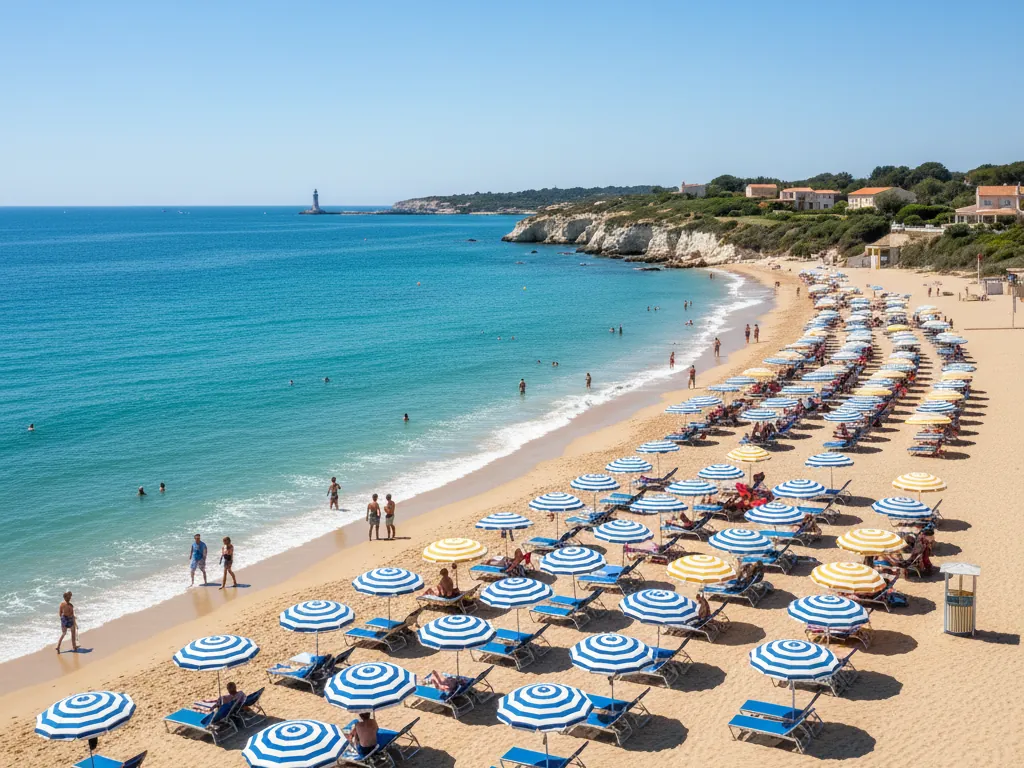
French summers see temperatures plateau between 23°C and 25°C, with pleasant overnight lows around 14-15°C. July records the least rain at 51mm, but afternoon thunderstorms still occur roughly nine days monthly. Base wardrobes on breathable cotton or linen - shorts, t-shirts, sundresses, and lightweight trousers for air-conditioned museums and religious sites requiring covered shoulders. Pack one light layer per person for cooler evenings along coastal regions or in mountain areas. Children benefit from moisture-wicking fabrics that handle active play in warm weather. Include swim gear for impromptu fountain splashing in city squares and hotel pools. Despite warm days, evenings in northern France can dip to 13°C, so a hoodie or thin jacket prevents complaints during outdoor dinners. Summer attracts peak visitor numbers, meaning less flexibility to purchase forgotten items in crowded tourist zones.
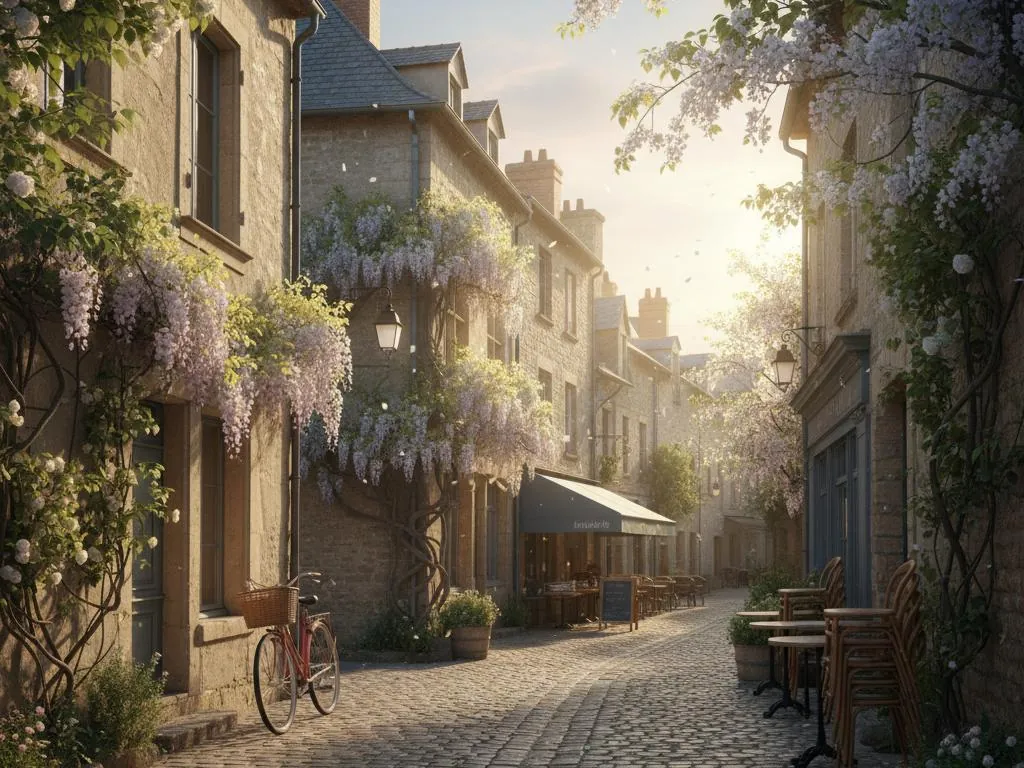
Autumn Travel Wardrobe (September-November)
Autumn temperatures descend steadily from 22°C in September to 11°C by November, with September offering the driest conditions at just 49mm of rain. October and November return to typical patterns with 63-65mm monthly rainfall across twelve rainy days. This season demands the most versatile packing - combine summer basics with winter accessories. Bring jeans, long-sleeve shirts, and medium-weight jumpers, adding a waterproof jacket with hood for each family member. Layering becomes crucial as indoor heating may not start until late October, leaving museums and restaurants surprisingly cool. Pack thermal underlayers for children prone to feeling cold, and include gloves and light hats for November visits. The shoulder-season atmosphere means fewer crowds but shorter shop hours, so pack comprehensively rather than planning to buy forgotten items. Scarves serve double duty as warmth and plane blankets for children.
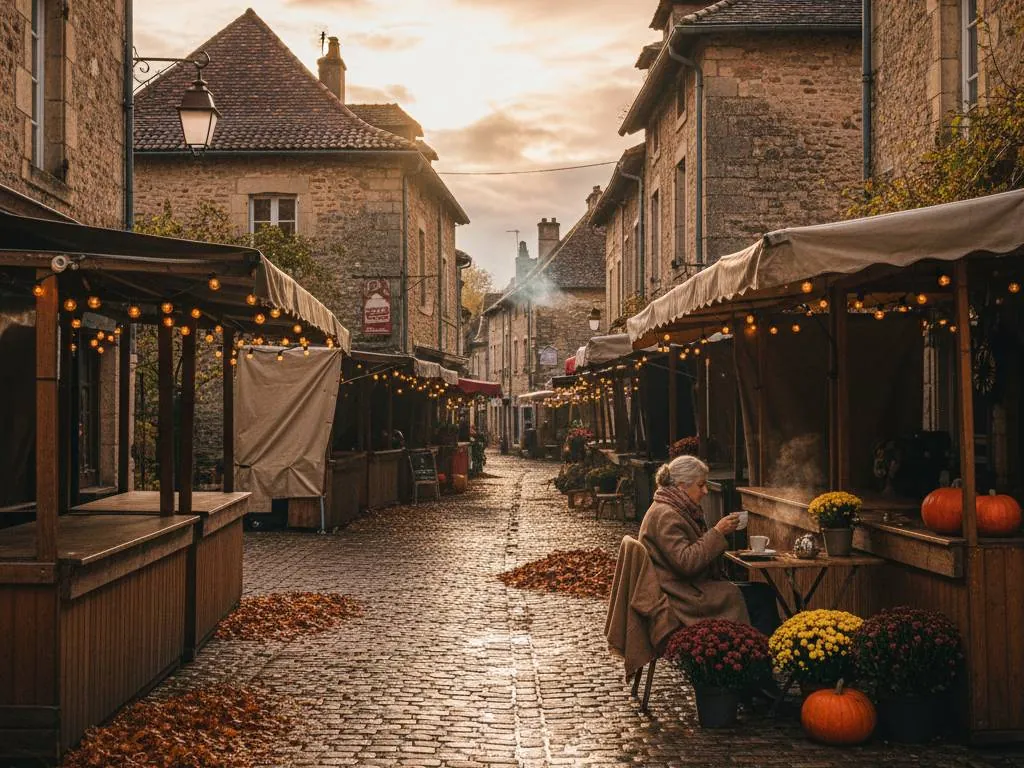
Winter Gear Requirements (December-February)
French winter brings daytime highs between 7°C and 9°C, with overnight temperatures dropping to 2-3°C. December sees the heaviest rainfall at 77mm spread across thirteen days, often falling as drizzle rather than heavy downpours. Pack proper winter coats with insulation, not just rainproof shells - children lose heat rapidly during outdoor sightseeing. Thermal base layers, thick jumpers, and lined trousers form the foundation of winter wardrobes. Include wool or fleece hats covering ears, insulated gloves, and warm scarves for every family member. Indoor spaces maintain comfortable heating, so layers that peel off easily prevent overheating on metros and in museums. Waterproof outerwear remains essential given frequent rainy days. Families visiting Alpine regions need upgraded gear beyond city-visit standards. Low-season travel means excellent availability for forgotten items at reasonable prices, but packing thoroughly avoids wasting vacation time shopping.
Footwear for All Seasons
French cities feature cobblestone streets, gravel paths, and extensive walking - comfortable, broken-in shoes prevent blisters that derail family trips. Each person needs sturdy trainers or walking shoes with good arch support as the primary footwear. Spring and autumn require waterproof or water-resistant shoes, since rainfall occurs roughly ten to twelve days monthly across these seasons. Summer allows breathable trainers or closed-toe sandals with back straps for children, avoiding flip-flops that cause trips on uneven pavements. Pack lightweight shoes that dry overnight if caught in rain. Winter demands insulated, waterproof boots with non-slip soles for wet cobblestones. Children outgrow shoes rapidly, so bring only currently well-fitting pairs rather than 'room to grow' sizes that cause stumbles. One dressier pair per person handles upscale restaurants, though France maintains relatively casual dining standards for families. Always pack plasters and blister prevention in parent day bags.
Sun and Rain Protection
Year-round rainfall averaging 50-77mm monthly makes rain gear a packing staple regardless of season. Compact umbrellas fit in day bags, but waterproof jackets with hoods prove more practical when managing children and suitcases. Look for lightweight packable rain jackets that stuff into their own pockets - one per family member. Summer sun in southern France and at high altitudes requires serious protection: reef-safe sunscreen (SPF 30 minimum), wide-brimmed hats for children, and UV-protective sunglasses. Mediterranean regions see intense sun June through August despite moderate temperature readings. Reusable water bottles keep families hydrated during warm-weather sightseeing. Spring and autumn sun remains strong enough to burn fair skin, so sunscreen belongs in day bags year-round. Consider rash vests for beach days, as reapplying sunscreen on wriggly children proves challenging. Winter sun reflects off snow in mountain areas, requiring sunglasses and lip balm even in cold conditions.
Kids' Travel Essentials
Beyond clothing basics, children need entertainment and comfort items for successful France trips. Pack lightweight activities for long train journeys and museum queues - colouring supplies, small toys, or tablets with downloaded content. France offers excellent public transport, but queuing at attractions tests young patience. Bring familiar snacks from home, as French convenience stores may not stock preferred brands and meal timing differs from other countries. A small first-aid kit with children's pain relief, plasters, antiseptic wipes, and any prescription medications remains essential. Include a change of clothes in carry-on luggage for younger children prone to spills. Baby wipes serve countless purposes beyond nappy changes. A compact pushchair or baby carrier suits cities with metro stairs and cobblestones better than full-size prams. Pack lightweight day bags for older children to carry their own water and jacket, building responsibility while lightening parental loads. A night light or familiar small toy helps children settle in unfamiliar hotel rooms.
What NOT to Bring
Overpacking ranks as the most common family travel mistake. Leave behind extensive toiletries - French pharmacies and supermarkets stock excellent products at reasonable prices. Skip bulky towels, as accommodations provide them. Avoid packing formal wear; France embraces smart-casual dining even at upscale restaurants welcoming families. Do not bring hair dryers, as hotels supply them. Excessive shoe options waste luggage space - two pairs per person suffices for most trips. Skip single-use plastic items, as France prioritizes environmental standards and reusable options. Avoid packing full-size bottles of anything; decant into travel containers or plan to purchase locally. Do not bring large amounts of cash - cards work everywhere and ATMs offer better exchange rates. Leave behind guidebooks in favor of downloaded maps and information, reducing weight. Skip packing beach toys for summer trips, as coastal shops sell inexpensive buckets and spades. Most importantly, avoid the temptation to pack for every possible scenario - France offers developed infrastructure where forgotten items can be easily replaced.
FAQ
What should families pack for visiting France in April with unpredictable spring weather?
April in France sees temperatures around 16°C during the day dropping to 6°C at night, with rain occurring roughly ten days during the month. Pack layers including t-shirts, long-sleeve shirts, a warm jumper, and a waterproof jacket for each person. Bring both shorts and long trousers for children, as sunny afternoons can feel warm while mornings stay cool. Comfortable waterproof walking shoes prevent soggy feet on rainy sightseeing days. Include a compact umbrella and light scarf for breezy conditions.
Do children need winter coats for France in November or will autumn jackets work?
November temperatures drop to 11°C highs and 6°C lows with twelve rainy days monthly, sitting on the autumn-winter boundary. Autumn waterproof jackets work for southern France and mild spells, but children visiting Paris and northern regions benefit from proper insulated winter coats. Pack thermal layers and warm accessories like hats and gloves, as indoor heating may not run fully and outdoor sightseeing lasts hours. The investment in proper warmth prevents miserable children and allows families to enjoy outdoor attractions comfortably.
How many outfit changes should parents pack for kids on a two-week summer France trip?
Summer temperatures stay consistently warm between 23°C and 25°C, but rain still occurs roughly nine to ten days monthly. Pack seven to eight outfits per child for a two-week trip, planning to do laundry mid-journey. Include quick-dry fabrics that wash easily in hotel sinks if needed. Add two extra t-shirts and one extra pair of shorts beyond the weekly rotation to handle spills and unexpected weather. This approach keeps luggage manageable while ensuring clean clothes throughout the trip. Most French accommodations offer laundry facilities or nearby laundrettes.
What waterproof gear is essential for families visiting France with toddlers in winter?
December through February brings 52-77mm of rain across eleven to thirteen days monthly, with temperatures between 7°C and 9°C. Each family member needs a waterproof jacket with hood, and toddlers benefit from waterproof trousers for puddle splashing. Pack waterproof pushchair covers if bringing a stroller, as winter drizzle persists for hours. Waterproof boots with warm linings keep little feet dry and comfortable during outdoor exploration. Bring a packable rain cover for baby carriers and extra layers stored in dry bags inside day packs, as damp cold feels more penetrating than dry winter weather.
Weather data: open-meteo (ERA5 reanalysis, 2014-2023 averages). Reviewed and updated periodically.