Best Time to Visit Iceland with Kids
Iceland offers families a rare combination of accessible wilderness, dramatic landscapes, and child-friendly infrastructure, but timing a visit requires balancing weather, daylight, crowds, and school schedules. The best months for visiting Iceland with kids are June, July, and August, when temperatures are mildest, daylight extends well into the evening, and most family attractions operate at full capacity. Shoulder months like May and September can also work well for families willing to trade some warmth and longer hours for fewer tourists and lower prices, though weather becomes less predictable and some highland roads remain closed. Winter visits appeal to families chasing the Northern Lights, but short daylight hours and icy conditions require careful planning and realistic expectations about what young children can comfortably experience.
| Month | Avg high | Avg low | Rainfall | Rainy days |
|---|---|---|---|---|
| January | 1.6°C | -2.9°C | 144.6 mm | 17.7 |
| February | 2.0°C | -2.3°C | 145.5 mm | 16.3 |
| March | 3.0°C | -1.5°C | 136.3 mm | 17.5 |
| April | 6.4°C | 1.3°C | 134.6 mm | 17.5 |
| May | 8.9°C | 3.7°C | 117.9 mm | 18.3 |
| June | 11.9°C | 7.1°C | 96.0 mm | 16.6 |
| July | 13.6°C | 8.7°C | 84.8 mm | 15.6 |
| August | 13.3°C | 8.4°C | 96.2 mm | 13.8 |
| September | 10.5°C | 6.1°C | 146.4 mm | 18.4 |
| October | 6.8°C | 2.9°C | 153.1 mm | 17.7 |
| November | 4.2°C | 0.5°C | 121.4 mm | 16.0 |
| December | 1.5°C | -2.7°C | 130.6 mm | 17.1 |
Best Overall Months for Families
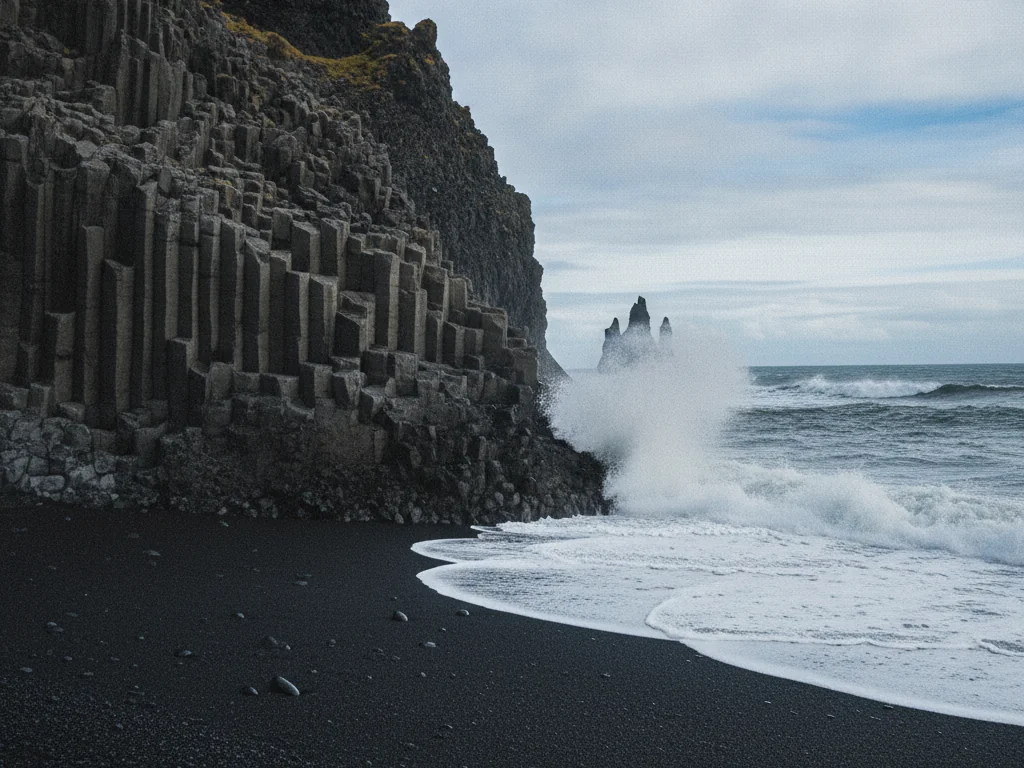
June, July, and August form the prime window for family travel to Iceland. July in Iceland sees average high temperatures of 13.6°C and lows of 8.7°C, with rainfall totaling 84.8 mm across 15.6 rainy days - the driest and warmest conditions of the year. June offers slightly cooler temperatures with highs of 11.9°C and lows of 7.1°C, along with 96.0 mm of rain over 16.6 days, while August mirrors July's warmth at 13.3°C high and 8.4°C low with 96.2 mm of rain across 13.8 days. These summer months provide the most reliable weather for outdoor activities, from exploring waterfalls and black-sand beaches to whale watching and glacier hikes. Daylight extends nearly around the clock during June and July, giving families flexibility to explore at children's natural rhythms without rushing before dark. Most tour operators, museums, and family-friendly attractions run full schedules during these months, and accommodation options are widest.
Month-by-Month Breakdown for Family Travel
Understanding what each month offers helps families match their priorities to Iceland's seasonal rhythm. January and February deliver peak Northern Lights visibility but challenging conditions for young children, with highs barely reaching 1.6-2.0°C, lows dropping to -2.9°C to -2.3°C, and rainfall exceeding 144 mm with 16-17 rainy days. March through April see gradual warming - March reaches 3.0°C high and -1.5°C low with 136.3 mm rain, while April climbs to 6.4°C and 1.3°C with 134.6 mm - but weather remains unpredictable and many highland routes stay closed. May marks the transition to summer with 8.9°C highs, 3.7°C lows, and 117.9 mm of rain across 18.3 days, offering longer daylight and blooming lupine fields but still-chilly conditions. September begins autumn with 10.5°C highs and 6.1°C lows, though rainfall jumps to 146.4 mm over 18.4 days as weather becomes more volatile. October through December grow progressively colder and darker, with October at 6.8°C high and 2.9°C low, November at 4.2°C and 0.5°C, and December dropping back to 1.5°C and -2.7°C, accompanied by 121-153 mm of monthly rainfall.
School Holidays vs Shoulder Season Trade-Offs
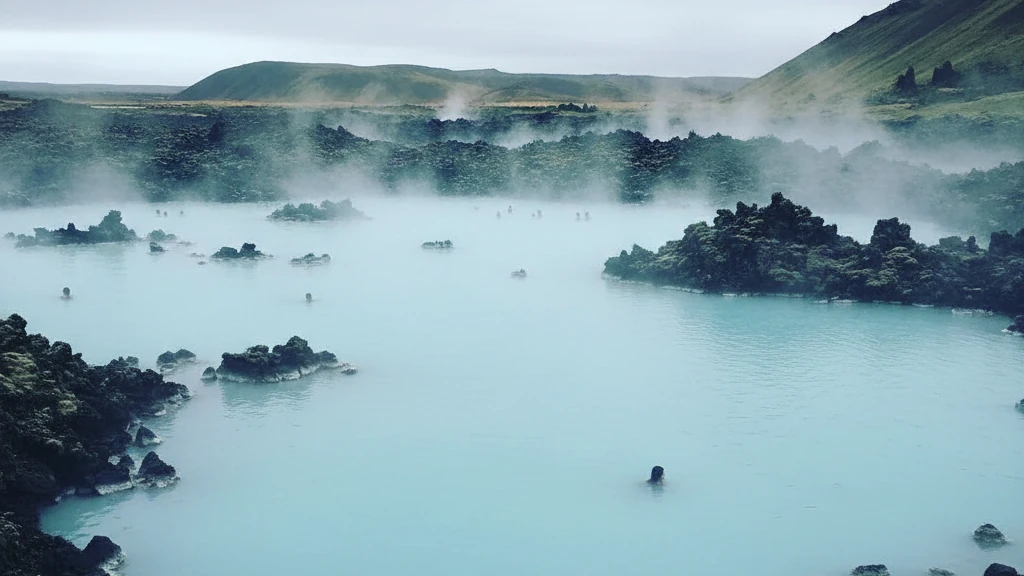
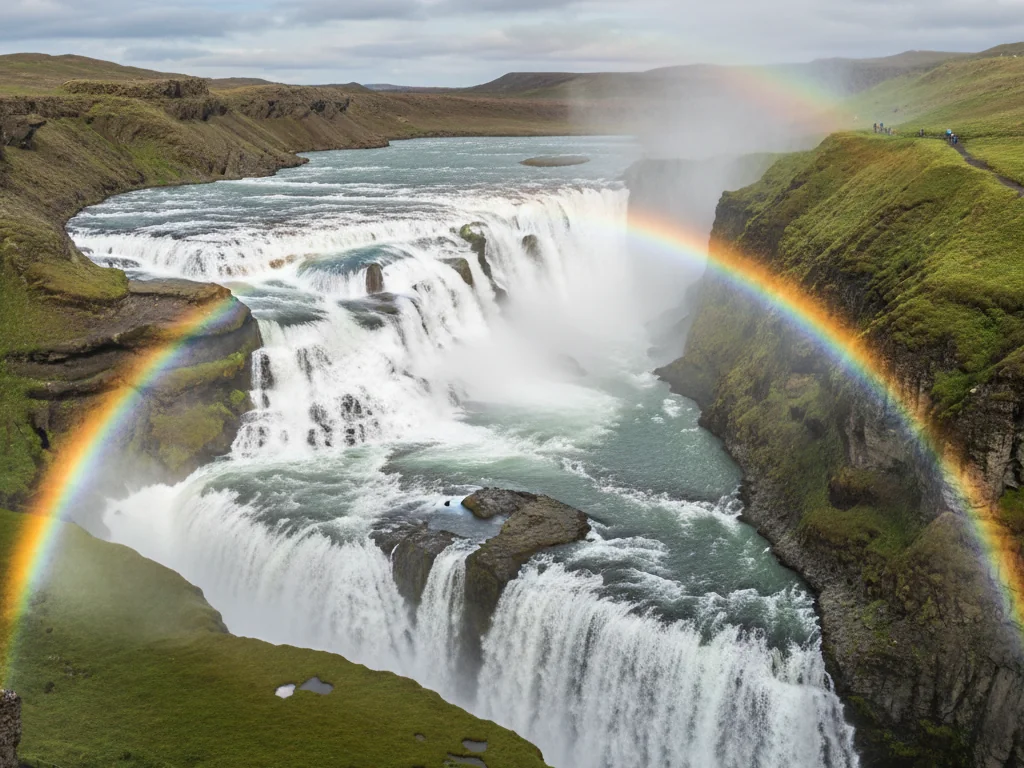
Families face a classic dilemma between summer school holidays and shoulder-season advantages. Mid-June through mid-August aligns with most school breaks and delivers the warmest, longest days Iceland offers, but this convenience comes with peak-season crowds at major sites like Gullfoss, Seljalandsfoss, and the Blue Lagoon. Families traveling during these weeks should book accommodation and rental vehicles months ahead and arrive early at popular attractions to avoid tour-bus rushes. Late May and early September represent attractive shoulder alternatives - weather remains reasonably mild, with May averaging 8.9°C highs and September 10.5°C highs, and tourist numbers drop noticeably after mid-August and before June. However, shoulder-season families must accept shorter daylight hours, higher chances of rain, and reduced operating hours or closures at some attractions. For families with flexible schedules or homeschooling arrangements, early June or late August offer compelling compromises, delivering summer-like conditions with moderating crowds.
Weather by Season
Iceland's seasonal weather patterns directly impact what families can realistically do with children. Summer (June-August) brings the warmest temperatures, ranging from 11.9°C to 13.6°C for highs and 7.1°C to 8.7°C for lows, with rainfall between 84.8 mm and 96.2 mm and the fewest rainy days at 13.8-16.6 per month - conditions that allow comfortable outdoor exploration without heavy winter gear. Spring (March-May) delivers highly variable weather as highs climb from 3.0°C to 8.9°C and lows rise from -1.5°C to 3.7°C, with persistent rainfall of 117-136 mm and 17-18 rainy days making waterproof layers essential. Autumn (September-November) reverses this cooling trend, with September still relatively mild at 10.5°C high but October dropping to 6.8°C and November to 4.2°C, while rainfall increases to 121-153 mm and rainy days return to 16-18, creating muddy trails and limiting highland access. Winter (December-February) settles into cold stability with highs of 1.5-2.0°C, lows of -2.9°C to -2.3°C, and 130-145 mm of precipitation falling as rain, sleet, or snow across 16-17 days, restricting families primarily to Ring Road destinations and Reykjavik-area activities.
What to Pack for Iceland with Kids
Packing for Iceland with children requires layering systems and weatherproof essentials regardless of season. For summer visits (June-August), bring base layers, fleece or wool mid-layers, and waterproof outer shells for everyone, since temperatures of 11-13°C highs and 7-8°C lows demand more than typical summer clothing and rain falls on 13-16 days monthly. Sturdy waterproof boots suit Iceland's wet trails and volcanic terrain better than sneakers, and waterproof pants protect children during active outdoor days. Pack hats and gloves even in July, as wind and elevation can make conditions feel considerably colder than thermometer readings suggest. Spring and autumn trips (March-May, September-November) require heavier mid-layers and insulated jackets, with temperatures ranging from 3°C to 10°C and rain falling 16-18 days monthly. Winter visitors (December-February) need full cold-weather gear including insulated coats, thermal base layers, winter boots, hats, and gloves for the entire family, as temperatures hover around freezing and precipitation occurs on 16-17 days. For all seasons, bring swimsuits for geothermal pools, sunglasses for bright glacier light, and multiple changes of clothing since laundry access may be limited and children inevitably get wet.
Crowd and Price Seasonality
Understanding crowd and pricing patterns helps families maximize value and minimize frustration. Peak season runs from mid-June through August, when tourist numbers reach their annual high at popular sites and accommodation, rental cars, and tours command their highest rates - families should expect competitive booking and premium pricing during these weeks. Shoulder seasons in May and September see noticeably lighter crowds, particularly after schools resume in late August, and prices moderate compared to peak weeks, though availability remains good at major hotels and car rental agencies. Winter months (November-March) attract the fewest tourists outside Christmas and New Year weeks, and pricing drops to annual lows, but many family-oriented activities close or operate on reduced schedules, and weather limits itinerary flexibility. Late May and early September represent sweet spots for budget-conscious families, delivering reasonable weather with 8-10°C temperatures and fewer crowds while avoiding peak-season premiums.
FAQ
What is the warmest time to visit Iceland with young children who get cold easily?
July and August offer the warmest conditions, with average high temperatures of 13.3-13.6°C and overnight lows of 8.4-8.7°C. July sees the least rainfall at 84.8 mm across 15.6 rainy days, making it the most comfortable month for children sensitive to cold. These months require layered clothing but allow families to spend extended time outdoors without heavy winter gear.
Can families see the Northern Lights in Iceland during the summer months when weather is best?
No, the Northern Lights are not visible during Iceland's summer months (May-August) due to the midnight sun and near-constant daylight. Aurora viewing requires dark skies, making September through March the viable window. Families prioritizing Northern Lights must visit during colder months when temperatures range from 1.5°C to 10.5°C and accept shorter daylight hours and more challenging weather conditions.
How much rain should families expect in Iceland during the summer travel season?
Summer months see moderate rainfall totals: June receives 96.0 mm over 16.6 rainy days, July receives 84.8 mm over 15.6 days, and August receives 96.2 mm over 13.8 days. Families should prepare for brief showers rather than all-day downpours, and pack waterproof layers for everyone since some precipitation is likely on roughly half the days during any summer visit.
Is May or September better for visiting Iceland with school-age children if we want to avoid peak summer crowds?
September offers warmer temperatures and better conditions for families, with average highs of 10.5°C compared to May's 8.9°C, though September sees significantly more rainfall at 146.4 mm versus May's 117.9 mm. May provides longer daylight hours as summer approaches, while September offers the advantage of children having just returned to school elsewhere, meaning lighter crowds at attractions. Families comfortable with rain and shorter days will find September more temperate, while those prioritizing drier conditions and extended evening light should choose May.
Weather data: open-meteo (ERA5 reanalysis, 2014-2023 averages). Reviewed and updated periodically.