Best Time to Visit Jordan with Kids
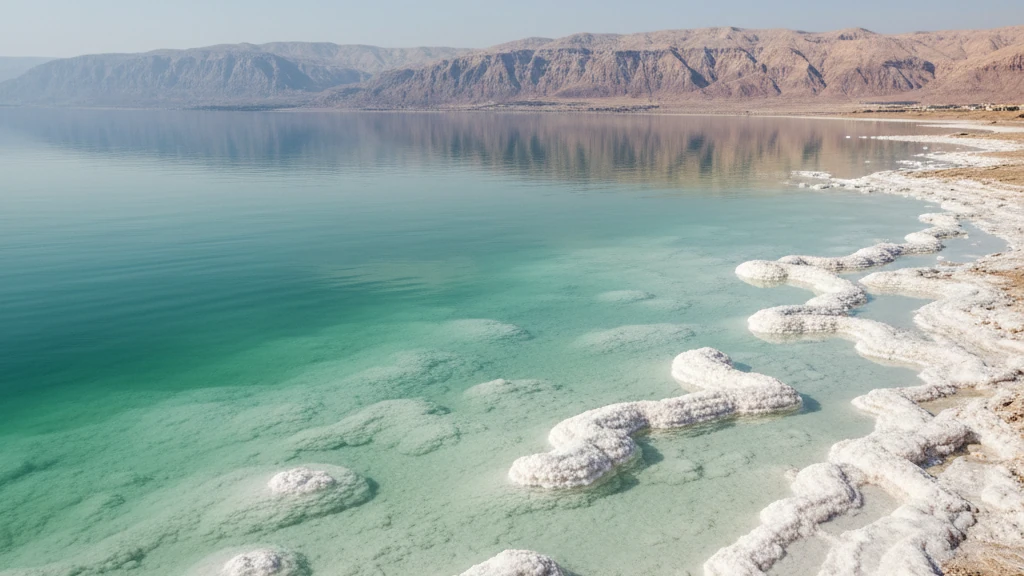
Jordan offers families an unforgettable mix of ancient wonders, desert adventures and warm hospitality, but timing matters when travelling with children. The country's climate swings from chilly, wet winters to scorching, bone-dry summers, and choosing the right season can make the difference between comfortable sightseeing and struggling through extreme heat or unexpected rain. Spring and autumn months strike the best balance for families, delivering pleasant temperatures for exploring Petra's carved facades, scrambling over Roman ruins at Jerash and floating in the Dead Sea, all while avoiding the heaviest tourist crowds and the worst weather extremes.
| Month | Avg high | Avg low | Rainfall | Rainy days |
|---|---|---|---|---|
| January | 11.2°C | 3.9°C | 67.3 mm | 8.3 |
| February | 13.2°C | 4.7°C | 62.2 mm | 7.8 |
| March | 16.4°C | 7.2°C | 53.4 mm | 7.8 |
| April | 22.1°C | 10.8°C | 18.0 mm | 3.1 |
| May | 26.8°C | 15.1°C | 11.3 mm | 1.8 |
| June | 29.5°C | 17.5°C | 0.8 mm | 0.4 |
| July | 32.0°C | 19.7°C | 0.0 mm | 0.0 |
| August | 32.1°C | 20.0°C | 0.2 mm | 0.0 |
| September | 30.0°C | 18.7°C | 1.8 mm | 0.6 |
| October | 25.3°C | 15.6°C | 13.1 mm | 2.1 |
| November | 18.8°C | 10.3°C | 30.9 mm | 5.7 |
| December | 13.7°C | 6.2°C | 44.4 mm | 6.4 |
Best Overall Months for Families
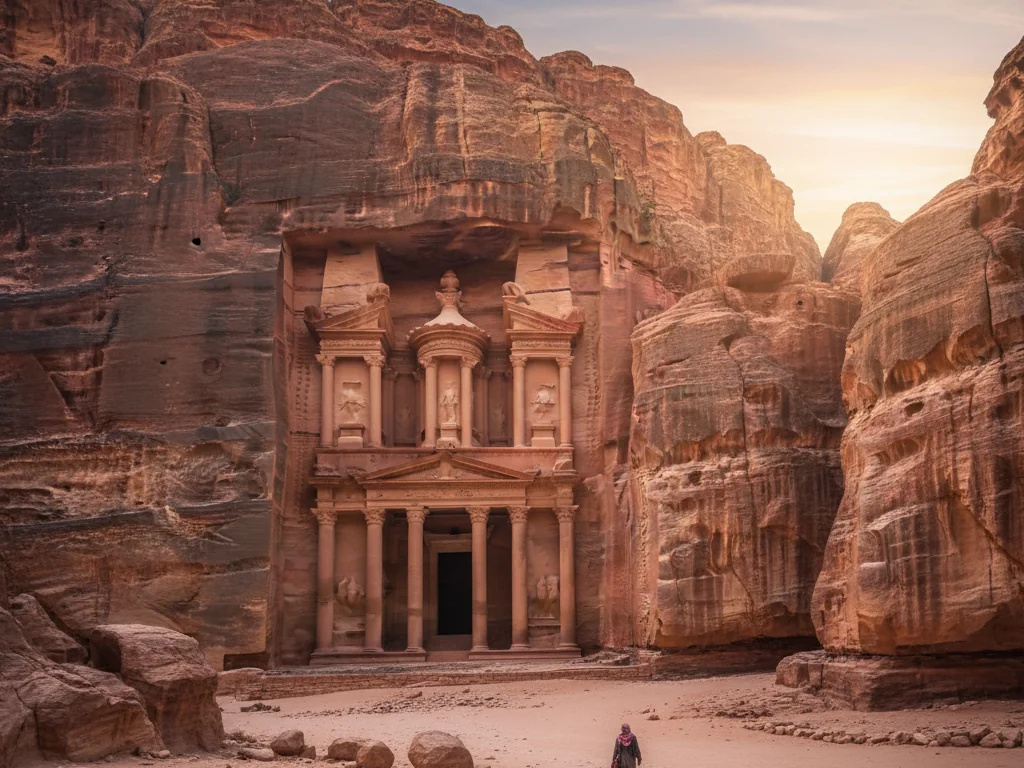
March through May and September through early November stand out as the ideal windows for families visiting Jordan. April in Amman sees daytime highs around 22.1°C and lows near 10.8°C, with only 18.0 millimetres of rain and roughly three rainy days - perfect conditions for full-day excursions without overheating or muddy trails. May warms slightly to 26.8°C during the day and 15.1°C at night, with even less rainfall at 11.3 millimetres, making it excellent for desert camps at Wadi Rum where children can sleep under the stars without shivering. On the autumn side, September offers warm but manageable weather - 30.0°C highs and 18.7°C lows with minimal precipitation - while October cools to a comfortable 25.3°C by day and 15.6°C at night, ideal for active families tackling the Siq walk into Petra or hiking trails at Dana Biosphere Reserve. These shoulder months deliver family-friendly temperatures, stable weather and enough daylight for sightseeing without the scorching intensity of midsummer.
Month-by-Month Breakdown
Understanding each month's characteristics helps families plan around school schedules, budget constraints and activity priorities.
- January and February: Winter in Jordan brings cool, wet conditions. January averages 11.2°C during the day and drops to 3.9°C at night, with 67.3 millimetres of rain spread over eight days. February is marginally warmer at 13.2°C and 4.7°C but still sees 62.2 millimetres of rainfall. Petra can be muddy, desert camps uncomfortably cold for children, and some higher-elevation sites may close due to weather. Families willing to layer clothing and embrace quieter attractions will find fewer crowds, but outdoor comfort suffers.
- March: Transition month with improving conditions. Highs reach 16.4°C and lows sit at 7.2°C, with 53.4 millimetres of rain over nearly eight days. Wildflowers begin blooming across the desert, offering scenic beauty, though occasional showers still interrupt plans. Pack waterproofs but expect increasing sunshine.
- April: Outstanding family month. Temperatures climb to 22.1°C by day and 10.8°C at night, while rainfall drops sharply to 18.0 millimetres over just three days. Petra, Jerash and Wadi Rum all become highly accessible, and children can explore comfortably in light layers.
- May: Warm and dry, with 26.8°C highs and 15.1°C lows. Only 11.3 millimetres of rain falls over fewer than two days. Excellent for swimming at the Dead Sea and Red Sea, though afternoons in the desert require sun protection and hydration strategies for children.
- June through August: Peak summer heat. June reaches 29.5°C and 17.5°C, July peaks at 32.0°C and 19.7°C, and August matches July at 32.1°C and 20.0°C. Rainfall essentially disappears - zero millimetres in July, negligible amounts in June and August. Petra's exposed trails become punishing by midday, and even morning starts feel hot for young children. Families visiting during this window should focus on early-morning site visits, afternoon pool time and water-based activities.
- September: Heat begins easing. Daytime temperatures settle at 30.0°C with 18.7°C nights and just 1.8 millimetres of rain. Still warm but more tolerable than midsummer, especially by month's end.
- October: Prime autumn month. Comfortable 25.3°C days and 15.6°C nights with only 13.1 millimetres of rainfall over two days. Ideal for active families tackling longer hikes or multi-site itineraries.
- November and December: Cooling quickly and rainfall returning. November sees 18.8°C and 10.3°C with 30.9 millimetres of rain, while December drops to 13.7°C and 6.2°C with 44.4 millimetres over six rainy days. Early November can still work for families, but late autumn and early winter bring unpredictable weather better suited to travellers with flexible plans.
School Holidays vs Shoulder Season Trade-Offs
Families bound by school calendars face tough choices between convenience and optimal conditions. Summer holidays coincide with Jordan's most challenging weather - June, July and August deliver relentless heat that limits outdoor exploration to early mornings and late afternoons, forcing families to retreat indoors during the hottest hours when children would otherwise be most active. Sites like Petra and Wadi Rum become endurance tests rather than adventures, requiring constant hydration, frequent breaks and careful sun protection. Spring and autumn shoulder seasons offer vastly superior weather but fall outside most school breaks, meaning families must either pull children from class or wait for shorter holidays like spring break, which can align with March or April depending on the calendar. October half-term breaks sometimes provide a sweet spot, delivering excellent weather and manageable crowds without extended absences. Families prioritising comfort and activity variety should strongly consider shoulder-season travel even if it requires modest schedule adjustments, while those locked into summer breaks must plan itineraries around heat management and water access.
Weather by Season
Jordan's four seasons create distinct experiences that shape family itineraries and packing strategies.
Spring (March - May): Spring in Jordan brings warming temperatures and diminishing rainfall, progressing from 16.4°C in March to 26.8°C by May. March still sees 53.4 millimetres of rain over nearly eight days, but April and May dry out dramatically with only 18.0 and 11.3 millimetres respectively. Desert landscapes bloom briefly with wildflowers after winter rains, and daytime comfort levels suit long walks through archaeological sites. Nights remain cool, especially in March at 7.2°C, so families camping in the desert need warm sleeping bags for children.
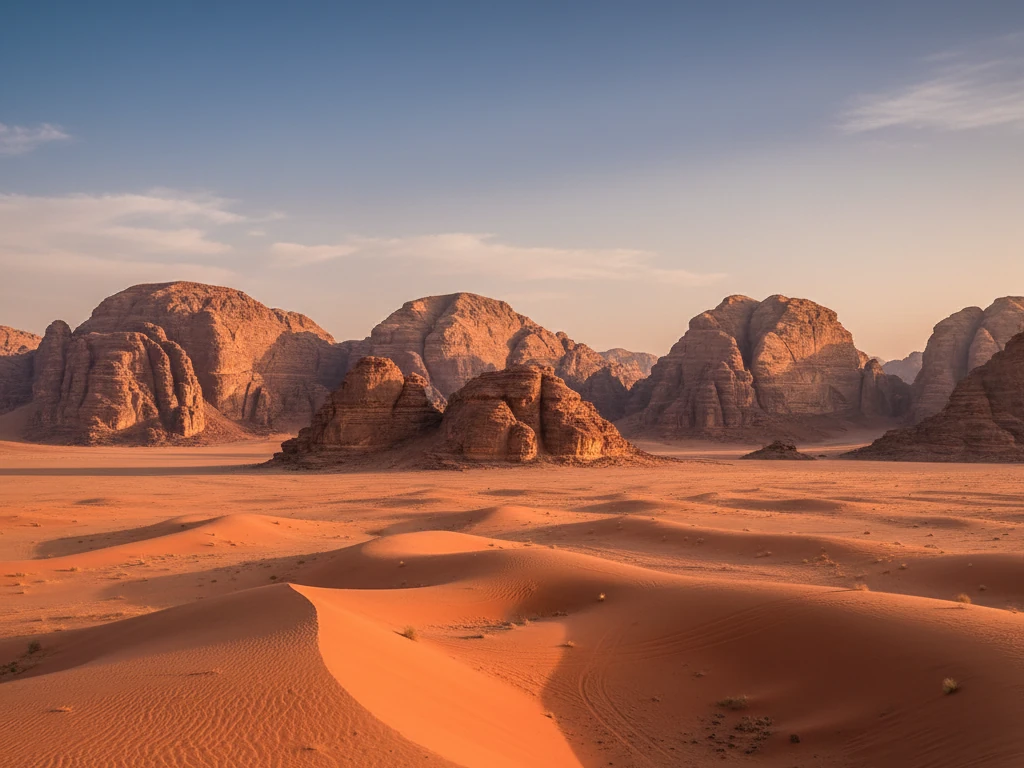
Summer (June - August): Summer heat peaks with virtually zero rainfall. June through August see highs between 29.5°C and 32.1°C, with warm nights from 17.5°C to 20.0°C. Humidity stays low, which makes the heat more bearable than coastal destinations, but direct sun exposure in treeless areas like Petra's Treasury approach or Wadi Rum's sand dunes can overwhelm children quickly. Sunrise site visits become essential, and accommodation with pools transitions from luxury to necessity.
Autumn (September - November): Autumn reverses spring's progression, cooling from 30.0°C in September to 18.8°C by November. Early autumn remains quite dry - September records only 1.8 millimetres of rain - but October and November see rainfall returning at 13.1 and 30.9 millimetres. October represents the autumn equivalent of April: comfortable temperatures around 25.3°C, minimal rain and excellent conditions for families balancing sightseeing with relaxation.
Winter (December - February): Winter brings Jordan's wettest and coolest weather. December through February see highs only between 11.2°C and 13.7°C with nighttime temperatures dropping to 3.9°C to 6.2°C. Rainfall peaks at 67.3 millimetres in January with more than eight rainy days, though precipitation comes as scattered showers rather than all-day downpours. Snow occasionally dusts higher elevations including parts of Petra, creating magical scenery but potentially closing access roads. Families comfortable with cold-weather travel and indoor-heavy itineraries can enjoy empty sites, but outdoor activities become weather-dependent gambles.
What to Pack for Jordan with Kids
Packing for Jordan requires layering strategies that accommodate daily temperature swings and diverse environments from desert heat to Dead Sea humidity. For spring and autumn travel, bring lightweight long trousers and long-sleeved shirts in breathable fabrics to protect children from sun exposure while keeping them cool - shorts and T-shirts work for mornings but leave skin vulnerable during midday UV peaks. Wide-brimmed hats, quality sunglasses and high-SPF sunscreen become essential daily items, not optional extras. Comfortable closed-toe walking shoes with good grip matter more than sandals since archaeological sites involve uneven stone surfaces and loose gravel. Evenings cool significantly even in warm months, so pack a fleece or light jacket for each child, and bring warmer layers if visiting between November and March when nighttime temperatures in Amman drop below 10°C. A compact daypack for carrying water bottles is non-negotiable - dehydration risks increase quickly in Jordan's dry climate, and refill stations aren't always convenient. Modest clothing that covers shoulders and knees helps families feel comfortable in local communities and religious sites. If planning desert camping, pack warm pyjamas and an extra blanket since the temperature difference between day and night can exceed 15 degrees. Finally, bring a basic first-aid kit with plasters, antiseptic and any prescription medications, as pharmacies outside major cities may have limited paediatric options.
Crowd and Price Seasonality
Jordan's tourism patterns follow predictable seasonal rhythms that affect both site congestion and travel costs. Peak season runs from March through May and September through October when weather conditions align perfectly with international visitor preferences, bringing larger crowds to major attractions like Petra, Jerash and Wadi Rum. During these months, popular hotels and desert camps fill quickly, and iconic photo spots at the Treasury or Monastery may require patience as groups cycle through. Families visiting in peak season should book accommodation well in advance and consider arriving at major sites either right at opening time or late afternoon to avoid mid-morning tour bus waves. Shoulder periods at the edges of peak season - late February, early June and November - offer improving availability and often better value, though weather becomes more variable. Summer months from June through August see tourist numbers drop despite school holidays, as heat deters many visitors; families willing to adapt their schedules to early starts find quieter sites but fewer seasonal discounts since hotels maintain rates for the limited visitors who do travel. Winter from December through February represents true low season with the lightest crowds and most competitive pricing, though unpredictable weather and shorter daylight hours mean savings come with trade-offs. Price fluctuations affect guided tours, rental vehicles and accommodation more than site entry fees, which remain consistent year-round. Families on tight budgets might find late November or February offer the best balance of affordability and reasonable conditions, while those prioritising comfort should accept that peak-season rates reflect peak-season quality.
FAQ
What is the best month to visit Petra with young children who get tired easily?
April and October stand out as the best months for visiting Petra with young children. April offers daytime highs around 22.1°C and lows near 10.8°C with only 18.0 millimetres of rain over roughly three days, providing comfortable conditions for the lengthy walk through the Siq and up to the Monastery without overheating. October delivers similar benefits with 25.3°C days and 15.6°C nights, along with just 13.1 millimetres of rainfall. Both months allow families to explore at a relaxed pace with regular breaks, whereas summer heat above 30°C can exhaust children quickly and winter rain creates muddy, slippery paths that slow progress and increase fatigue.
How should families plan daily schedules during summer months in Jordan if we must travel in July or August?
Families travelling during July or August when temperatures reach 32.0°C to 32.1°C should structure days around the heat. Start site visits at sunrise or shortly after - reaching Petra by 6 AM or Jerash by 7 AM allows several hours of exploration before temperatures become punishing. Return to accommodation by late morning for pool time, rest and lunch during the hottest hours between 11 AM and 4 PM. Resume activities in late afternoon, around 5 PM, when temperatures begin dropping. Focus summer itineraries on water-based activities like snorkelling at Aqaba, floating at the Dead Sea or swimming at hotel pools during peak heat. Consider shorter site visits rather than all-day excursions, and always carry more water than seems necessary since children dehydrate faster in dry heat with negligible rainfall.
Can families camp in Wadi Rum comfortably during spring break in March with children?
March camping in Wadi Rum presents challenges for families with children due to cool nighttime temperatures. While daytime highs reach 16.4°C, nighttime lows drop to 7.2°C, and desert locations without urban heat retention can feel even colder. Children will need warm sleeping bags rated for near-freezing temperatures, thermal pyjamas and extra blankets that camps may not provide as standard. March also brings 53.4 millimetres of rain over nearly eight days, meaning occasional showers can dampen camps and create muddy conditions. Families set on March desert camping should confirm that camps provide adequate cold-weather bedding, pack warm layers and have backup indoor accommodation available. April offers a much more comfortable camping experience with 22.1°C days, 10.8°C nights and significantly less rainfall.
What months offer the best combination of good weather and fewer crowds for families who want to avoid peak tourist season in Jordan?
Late September and early November offer the sweet spot for families seeking good weather with lighter crowds. Late September sees temperatures cooling from the summer peak to 30.0°C during the day and 18.7°C at night, with minimal rainfall at 1.8 millimetres, while tourist numbers begin declining after the summer low season ends but before autumn peak season fully arrives. Early November provides comfortable conditions with 18.8°C days and 10.3°C nights before winter rains intensify - though the month records 30.9 millimetres of precipitation, most falls later in November. Both periods allow families to secure accommodation more easily than during peak April or October, enjoy shorter queues at major sites and experience pleasant weather that suits full-day touring without the temperature extremes of summer or the wet unpredictability of deep winter.
Weather data: open-meteo (ERA5 reanalysis, 2014-2023 averages). Reviewed and updated periodically.