Best Time to Visit Seychelles with Kids
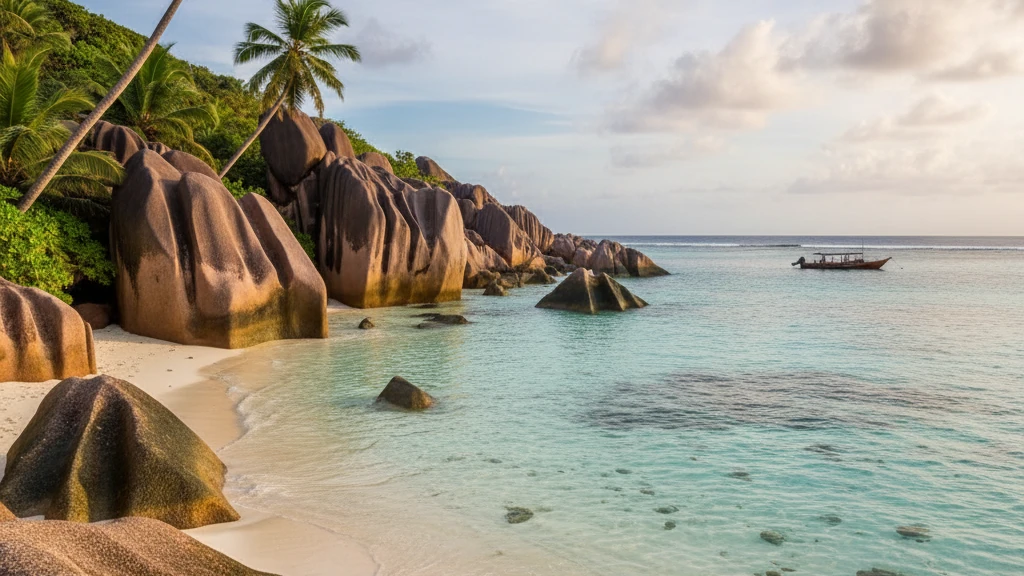
Seychelles offers year-round warmth and some of the world's most stunning beaches, making it a dream destination for families seeking tropical adventure. The archipelago's climate is consistently warm, with temperatures hovering between 22°C and 26°C throughout the year, but timing matters when travelling with children. The islands experience two distinct seasons - the northwest trade winds from November to March bring higher rainfall and humidity, while the southeast trades from May to September deliver drier, slightly cooler conditions with occasional breezes. Choosing the right window depends on balancing weather reliability, crowd levels, and school holiday constraints to ensure beach days aren't disrupted and young travellers stay comfortable.
| Month | Avg high | Avg low | Rainfall | Rainy days |
|---|---|---|---|---|
| January | 24.9°C | 23.3°C | 260.4 mm | 23.2 |
| February | 25.4°C | 23.9°C | 172.1 mm | 15.7 |
| March | 26.0°C | 24.3°C | 117.7 mm | 15.6 |
| April | 26.2°C | 24.3°C | 146.3 mm | 20.1 |
| May | 25.7°C | 24.1°C | 190.3 mm | 23.0 |
| June | 24.5°C | 23.3°C | 115.7 mm | 20.2 |
| July | 23.4°C | 22.3°C | 86.3 mm | 18.2 |
| August | 23.4°C | 22.3°C | 79.6 mm | 17.3 |
| September | 24.0°C | 22.7°C | 146.4 mm | 19.3 |
| October | 24.8°C | 23.3°C | 147.6 mm | 19.8 |
| November | 25.1°C | 23.4°C | 202.0 mm | 19.2 |
| December | 25.1°C | 23.3°C | 300.5 mm | 24.1 |
Best Overall Months for Families
April, May, September and October emerge as the sweet spot for family travel to Seychelles. April in Seychelles sees average highs of 26.2°C and lows of 24.3°C, with moderate rainfall at 146.3 mm spread across 20.1 days - warm enough for swimming but not oppressively hot for young children. May brings similar temperatures (25.7°C high, 24.1°C low) though rainfall increases slightly to 190.3 mm over 23.0 days. The real advantage lies in the transition periods: these shoulder months avoid both the heavy December-January downpours and the peak tourist influx, while seas remain calm for snorkelling and beach play. September and October mirror this pattern, with September recording 24.0°C highs and 146.4 mm of rain, and October at 24.8°C with 147.6 mm. These months offer reliable beach weather without the intensity of high season crowds, ideal for families wanting space on the sand and easier access to family-friendly resorts.
Month-by-Month Breakdown for Family Travel
Understanding what each month brings helps families plan around nap schedules, activity levels and children's comfort thresholds.
- January: Warm at 24.9°C but very wet with 260.4 mm of rainfall over 23.2 days. Frequent afternoon showers can disrupt beach plans with toddlers.
- February: Rainfall drops significantly to 172.1 mm over 15.7 days, while temperatures climb to 25.4°C. More predictable conditions emerge as the wet season eases.
- March: One of the driest months with just 117.7 mm across 15.6 days and highs of 26.0°C. Excellent for snorkelling with older children as visibility improves.
- April: Transition month with 26.2°C highs and moderate rain (146.3 mm). Calm seas make this ideal for introducing young swimmers to ocean activities.
- May: Temperatures remain pleasant at 25.7°C though rain increases to 190.3 mm. Southeast trades begin, bringing occasional breezes that help cool active kids.
- June: Cooler and drier with 24.5°C highs and 115.7 mm of rain. Windier conditions may create chop on some beaches but temperatures suit hiking with children.
- July and August: The coolest months at 23.4°C with minimal rainfall (86.3 mm and 79.6 mm respectively). Driest period overall but stronger winds can limit water activities on windward beaches.
- September: Winds ease while dryness continues - 24.0°C and 146.4 mm makes this superb for all-round family activities.
- October: Warming trend begins at 24.8°C with 147.6 mm of rain. Calm conditions return as trade winds fade, perfect for young snorkellers.
- November: Temperature rises to 25.1°C but rainfall climbs to 202.0 mm. Humidity increases as the wet season approaches.
- December: Wettest month with 300.5 mm over 24.1 days at 25.1°C. Beach days become unpredictable for families with rigid schedules.
School Holidays vs Shoulder Season Trade-Offs
Families face the perennial dilemma of aligning optimal weather with school calendars. European summer holidays (July and August) coincide with Seychelles' coolest, driest months - temperatures of 23.4°C and rainfall under 87 mm create reliable conditions, though southeast winds can be brisk on beaches like Beau Vallon. These months see the highest visitor numbers, meaning popular family resorts book early and beaches fill with other holidaymakers. Easter breaks often fall in March or April, when Seychelles experiences excellent conditions (26.0-26.2°C highs, moderate rainfall) with fewer crowds than summer. The October half-term offers another sweet spot - 24.8°C temperatures, 147.6 mm of rain, and transitional shoulder pricing. Families with flexibility find May and September deliver the best balance: school is in session elsewhere so attractions are quieter, weather remains family-friendly, and the shoulder season atmosphere feels more relaxed. The trade-off requires either term-time travel permissions or accepting busier conditions during official holiday windows.
Weather Patterns by Season
Seychelles sits just south of the equator, giving it two seasonal patterns driven by trade winds rather than dramatic temperature swings. The northwest monsoon season (November through March) brings warmer, more humid conditions with average highs between 24.9°C and 26.0°C, but rainfall peaks dramatically - January records 260.4 mm over 23.2 days while December sees 300.5 mm across 24.1 days. Rain typically arrives in short, intense tropical downpours rather than all-day drizzle, so mornings often stay clear before afternoon storms. The southeast trade wind season (May through September) delivers slightly cooler temperatures (23.4°C to 25.7°C) and considerably less rain - July and August receive just 86.3 mm and 79.6 mm respectively. These months bring steady breezes that keep humidity comfortable for active families but can create waves on southeast-facing beaches. The transition months (April and October) offer the gentlest conditions: 26.2°C and 24.8°C respectively, moderate rainfall around 146-147 mm, and calm seas perfect for introducing children to snorkelling. Water temperature remains constant at approximately 27-29°C year-round, warm enough that even young swimmers need minimal acclimatisation.
What to Pack for Seychelles with Children
Packing for a tropical family holiday requires balancing sun protection with rainfall preparedness. Lightweight, breathable clothing in natural fibres works best in Seychelles' consistent warmth - children will be most comfortable in loose cotton or linen rather than synthetic fabrics. Sun protection is non-negotiable: reef-safe, high-SPF sunscreen (factor 50 minimum), wide-brimmed hats, UV-protective rash vests and sunglasses should top every family's list. Even during the drier months of July and August (79.6-86.3 mm rainfall), brief showers occur, so pack lightweight rain jackets or ponchos that stuff into day bags. Water shoes protect small feet from coral fragments and sea urchins on beaches, while aqua socks help on rocky entry points. A compact first-aid kit with plasters, antiseptic cream, and pediatric pain relief proves invaluable on islands where pharmacies may be distant from resort areas. Insect repellent with DEET or natural alternatives helps during evening hours, though Seychelles has minimal mosquito-borne disease. During the cooler southeast trade wind months (June through August, when temperatures drop to 23.4-24.5°C), pack a light cardigan for air-conditioned restaurants. Snorkelling gear can be rented, but families with multiple children often prefer bringing their own masks for hygiene and proper fit.
Crowd Levels and Seasonal Price Patterns
Seychelles experiences distinct peak, shoulder and low seasons that affect both the atmosphere and cost of family travel. Peak season aligns with European summer and Christmas holidays - July, August and late December through early January see the highest visitor numbers as families capitalise on school breaks. Resorts fill quickly, popular beaches become busier, and restaurants require advance booking during these windows. Shoulder seasons (April, May, September and October) offer the most appealing middle ground: weather remains excellent (temperatures between 24.0°C and 26.2°C, rainfall moderate at 146-190 mm), but considerably fewer visitors mean families enjoy more space and attention at resorts. The low season spans November through early December and late January through February - while rainfall increases (172-300 mm depending on the month), accommodation becomes more accessible and the islands feel genuinely tranquil. Families willing to work around afternoon showers can find this period surprisingly rewarding, particularly in February when rain drops to 172.1 mm over 15.7 days. Booking timing matters as much as travel dates: securing accommodation six to nine months ahead for peak periods ensures family-friendly properties with interconnecting rooms or beach access, while shoulder season travellers can often book successfully three to four months out.
FAQ
What is the best month to visit Seychelles with young children who need predictable nap schedules?
April and October stand out for families needing routine, as both months offer warm temperatures (26.2°C and 24.8°C respectively) with moderate rainfall (146.3 mm and 147.6 mm) that typically falls in short, predictable afternoon bursts. Mornings remain reliably clear for beach time and activities, allowing families to plan naps during the afternoon shower window. The calm seas during these transition months also mean less disruption from wind and waves when settling young children.
Is Seychelles too rainy to visit during December and January with kids?
December and January are challenging for families due to high rainfall - 300.5 mm over 24.1 days in December and 260.4 mm across 23.2 days in January. While temperatures remain pleasant (around 24.9-25.1°C), the frequency of showers can disrupt beach plans and outdoor activities that children enjoy. Families visiting during Christmas holidays should build flexibility into daily plans and choose resorts with good indoor facilities or covered play areas for rainy periods.
Which months have the calmest sea conditions for teaching children to snorkel in Seychelles?
April and October provide the calmest ocean conditions, as these transition months fall between the trade wind seasons. With temperatures of 26.2°C and 24.8°C respectively and moderate rainfall (146.3 mm and 147.6 mm), these months offer excellent underwater visibility and minimal wave action. The southeast trade winds that blow from May through September can create surface chop on windward beaches, while the northwest monsoon brings occasional swells, making the transition windows ideal for introducing nervous or beginner snorkellers to Seychelles' marine life.
How does the weather in Seychelles during European summer holidays compare to the shoulder season for family travel?
July and August deliver the driest conditions (79.6-86.3 mm rainfall over 17-18 days) and coolest temperatures (23.4°C) during European summer holidays, but steady southeast trade winds can create choppy conditions on some beaches. Shoulder months like May (25.7°C, 190.3 mm) and September (24.0°C, 146.4 mm) offer warmer swimming temperatures and calmer seas, though slightly higher rainfall. The key difference lies in crowds and atmosphere - summer sees peak visitor numbers while shoulder periods provide more space and a relaxed pace better suited to families with young children.
Weather data: open-meteo (ERA5 reanalysis, 2014-2023 averages). Reviewed and updated periodically.