Best Time to Visit Netherlands with Kids

The Netherlands offers families a delightful mix of cycling paths, canal adventures, tulip fields, and interactive museums - but timing your visit can make all the difference when traveling with children. The country's maritime climate brings mild temperatures year-round, though rainfall occurs in every season and cold winds can sweep in from the North Sea during winter months. Families typically find the most comfortable conditions between late April and early September, when temperatures reach their warmest levels and outdoor activities become most enjoyable. Understanding the weather patterns, crowd dynamics, and school holiday periods will help you choose the ideal window for your family's Dutch adventure.
| Month | Avg high | Avg low | Rainfall | Rainy days |
|---|---|---|---|---|
| January | 6.8°C | 2.5°C | 80.6 mm | 15.1 |
| February | 7.8°C | 2.4°C | 70.6 mm | 12.6 |
| March | 10.0°C | 3.3°C | 62.8 mm | 12.4 |
| April | 13.1°C | 5.5°C | 53.9 mm | 10.8 |
| May | 16.8°C | 9.0°C | 60.5 mm | 10.9 |
| June | 20.5°C | 12.9°C | 70.2 mm | 11.0 |
| July | 21.7°C | 14.4°C | 79.0 mm | 13.9 |
| August | 21.6°C | 14.5°C | 83.9 mm | 14.9 |
| September | 19.3°C | 12.2°C | 69.2 mm | 11.7 |
| October | 15.1°C | 9.7°C | 92.7 mm | 14.6 |
| November | 10.3°C | 5.6°C | 75.5 mm | 15.2 |
| December | 7.8°C | 3.7°C | 80.7 mm | 15.1 |
Best Overall Months for Families
May and June emerge as the top choices for family visits to the Netherlands, combining pleasant weather with manageable crowds and excellent family-suitability. May brings average highs of 16.8°C and lows of 9.0°C, with approximately 60.5 mm of rainfall spread across 10.9 rainy days - making it one of the drier months. June warms further to 20.5°C during the day and 12.9°C at night, though rainfall increases slightly to 70.2 mm over 11.0 days. These months offer comfortable cycling weather for children, blooming gardens, extended daylight hours for sightseeing, and temperatures warm enough for canal boat tours without requiring heavy winter layers. Early September also provides an excellent alternative, with highs of 19.3°C, lows of 12.2°C, and moderate rainfall of 69.2 mm across 11.7 days, plus the benefit of children being back in school across Europe, which reduces crowds at major attractions.
Month-by-Month Breakdown for Family Travel
Understanding seasonal variations helps families select the best window for their specific interests and tolerance for weather variability.
- January and February: Winter months bring cold conditions with highs around 6.8-7.8°C and lows near 2.4-2.5°C. Rainfall reaches 70.6-80.6 mm across 12.6-15.1 days. Indoor attractions like NEMO Science Museum and Anne Frank House suit these months, but outdoor activities require warm, waterproof clothing.
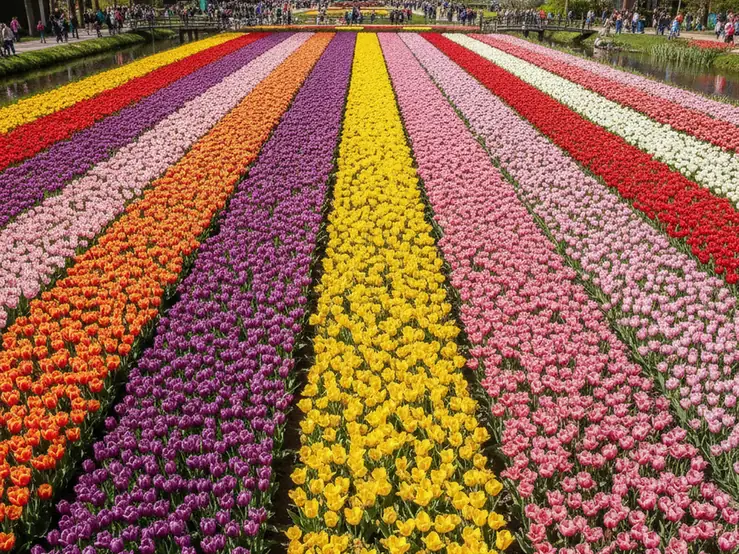
- March and April: Spring awakens with temperatures climbing from 10.0°C to 13.1°C for highs and 3.3°C to 5.5°C for lows. Rainfall decreases to 53.9-62.8 mm over 10.8-12.4 days. Late April coincides with tulip season at Keukenhof Gardens and King's Day celebrations, creating memorable family experiences.
- May through August: Summer peak sees the warmest conditions, with July and August reaching highs of 21.6-21.7°C and comfortable overnight lows of 14.4-14.5°C. However, these months also record the highest rainfall, with August receiving 83.9 mm over 14.9 days and July 79.0 mm across 13.9 days. Beach visits to Scheveningen and Zandvoort become popular, though families should pack rain gear.
- September and October: Autumn transitions bring temperatures from 19.3°C down to 15.1°C for highs, with lows dropping from 12.2°C to 9.7°C. October records the year's heaviest rainfall at 92.7 mm over 14.6 days, making waterproof layers essential for families exploring outdoor attractions.
- November and December: Late autumn and early winter see temperatures fall to 7.8-10.3°C during the day and 3.7-5.6°C at night. Rainfall remains substantial at 75.5-80.7 mm across 15.1-15.2 days. December brings Christmas markets and ice skating opportunities, but shortened daylight hours limit sightseeing time with young children.
School Holiday Timing vs Shoulder Season Benefits
Families face a classic trade-off between traveling during school breaks and choosing quieter shoulder season periods. Summer holidays from late June through August align with the Netherlands' warmest weather, making outdoor activities most comfortable for children. However, this peak season brings the largest crowds to attractions like Efteling theme park, Madurodam miniature city, and Amsterdam's canal district. Accommodation rates rise during these weeks, and popular museums often require advance ticket reservations. Shoulder season months - particularly May, early June, and September - offer compelling advantages for families with flexible schedules. Attractions experience lighter foot traffic, allowing children to explore at a comfortable pace without long queues. The weather remains suitable for cycling through Vondelpark or visiting cheese markets, with temperatures in the mid-to-high teens providing pleasant conditions for active families. Late April also presents unique opportunities, as tulip season peaks while many European schools remain in session, creating a sweet spot of beautiful scenery with moderate crowds.
Weather Patterns by Season
The Netherlands experiences distinct seasonal characteristics shaped by its maritime climate and low-lying geography. Spring (March through May) transitions from cool to mild, with temperatures climbing from 10.0°C to 16.8°C for average highs and rainfall decreasing from 62.8 mm in March to 60.5 mm in May. This season brings increasing daylight hours and blooming landscapes, though families should prepare for variable conditions including occasional cold snaps. Summer (June through August) delivers the warmest temperatures, peaking at 21.6-21.7°C, but paradoxically records the highest rainfall totals, with August averaging 83.9 mm across 14.9 rainy days. Brief showers interspersed with sunny periods characterize summer weather, requiring families to carry waterproof layers even on promising mornings. Autumn (September through November) sees steady cooling from 19.3°C to 10.3°C, with October bringing the year's heaviest rainfall at 92.7 mm over 14.6 days. Winter (December through February) remains relatively mild compared to continental Europe, with daytime highs of 6.8-7.8°C, though North Sea winds create a chill factor that makes conditions feel colder than raw temperatures suggest.
What to Pack for Family Visits
Successful family packing for the Netherlands centers on layering and rain protection regardless of season. For visits between May and September, families should pack lightweight waterproof jackets for each family member, as brief showers occur frequently even during summer months when rainfall reaches 69.2-83.9 mm. Comfortable walking shoes with good grip suit the country's extensive cycling paths and cobblestone streets, while children benefit from closed-toe footwear that can handle puddles. Light sweaters or long-sleeve layers remain useful even in July and August when evening temperatures drop to 14.4-14.5°C after warm days. Spring and autumn visits (March through May and September through November) require medium-weight jackets, long pants, and warmer layers for temperatures ranging from 10.0°C to 19.3°C. Winter travelers (December through February) need warm coats, hats, gloves, and scarves for conditions averaging 6.8-7.8°C during the day and 2.4-3.7°C at night. Families should pack compact umbrellas year-round, as rainy days occur 10.8-15.2 times per month depending on season. Sunscreen and sunglasses benefit summer visitors despite frequent cloud cover, while thermal layers prove valuable for winter canal cruises and outdoor Christmas market visits.
Crowd and Price Seasonality
Tourism patterns in the Netherlands follow predictable seasonal rhythms that significantly impact family experiences. Peak season extends from late June through August, coinciding with summer school holidays across Europe and North America. During these months, major family attractions experience their highest visitor numbers, accommodation becomes scarcer and more expensive, and popular restaurants may require reservations. Amsterdam's canal district, Giethoorn's waterways, and theme parks like Efteling see maximum crowds. Shoulder season periods in May, early June, and September offer the best balance of favorable weather and manageable visitor levels. Families find shorter queues at museums, better availability for canal boat tours, and more competitive rates for family-friendly hotels and vacation rentals. Late April presents a unique scenario: tulip season attracts significant crowds to Keukenhof Gardens and surrounding fields, but many other attractions remain relatively quiet. Low season from November through March brings the quietest conditions and lowest prices, though reduced operating hours at some attractions and challenging weather make this period less suitable for families seeking outdoor activities. December stands as an exception within the low season, as Christmas markets and holiday festivities draw visitors despite cold temperatures and frequent rain, creating a mini-peak that affects Amsterdam and other major cities.
FAQ
What is the best month to visit the Netherlands with young children who want to see tulips?
Late April offers the optimal window for families seeking tulip displays, as Keukenhof Gardens and surrounding bulb fields reach peak bloom. Temperatures during April average 13.1°C for highs and 5.5°C for lows, with moderate rainfall of 53.9 mm across 10.8 days - making conditions comfortable for children to explore outdoor gardens. Visiting mid-to-late April allows families to experience King's Day celebrations on April 27th alongside tulip season, though advance accommodation booking becomes essential as this period attracts significant crowds.
How should families prepare for rain when visiting the Netherlands in summer with kids?
Summer months from June through August record substantial rainfall, with August receiving 83.9 mm over 14.9 days and July 79.0 mm across 13.9 days. Families should pack lightweight waterproof jackets for each member, waterproof bags for electronics and snacks, and quick-drying clothing that layers easily. Planning a mix of indoor attractions (science museums, aquariums, indoor play centers) alongside outdoor activities provides flexibility when showers arrive. Many Dutch families continue cycling and sightseeing in light rain, so quality rain gear transforms potential disruptions into authentic local experiences.
Is September a good time to visit the Netherlands with school-age children or should we wait for summer?
September presents excellent conditions for families, with average highs of 19.3°C, lows of 12.2°C, and moderate rainfall of 69.2 mm over 11.7 days - comparable to May's pleasant weather. The primary advantage comes from reduced crowds, as European schools resume in early September while temperatures remain comfortable for outdoor activities like cycling and canal tours. Families who can travel outside traditional school holiday periods find September offers better value, shorter attraction queues, and easier navigation of popular sites compared to the busier July and August peak season.
What are the warmest months for taking kids to Dutch beaches and can we expect reliable sunny weather?
July and August provide the warmest beach conditions, with average highs reaching 21.6-21.7°C and overnight lows of 14.4-14.5°C - suitable for coastal visits to Scheveningen, Zandvoort, or the Wadden Islands. However, these months also record the year's highest rainfall, with August averaging 83.9 mm across 14.9 rainy days. Families should not expect Mediterranean-style sunshine: the Netherlands experiences changeable maritime weather with sunny periods alternating with cloudy intervals and occasional showers throughout summer. Packing windbreakers, sun protection, and entertainment for variable beach days ensures children stay comfortable regardless of weather shifts.
Weather data: open-meteo (ERA5 reanalysis, 2014-2023 averages). Reviewed and updated periodically.