Best Time to Visit UK with Kids

Timing a family trip to the United Kingdom can make the difference between rainy museum marathons and sunny park picnics. The UK's temperate maritime climate means weather is changeable year-round, but certain months offer the best balance of mild temperatures, manageable crowds, and family-friendly conditions. School holidays drive peak tourist seasons, while shoulder months provide quieter attractions and better value. Understanding the climate patterns, seasonal crowds, and what each month brings helps families choose when to explore castles, coastal towns, and countryside adventures across England, Scotland, Wales, and Northern Ireland.
| Month | Avg high | Avg low | Rainfall | Rainy days |
|---|---|---|---|---|
| January | 7.8°C | 1.9°C | 65.3 mm | 12.9 |
| February | 8.9°C | 2.5°C | 52.7 mm | 10.9 |
| March | 11.0°C | 3.7°C | 52.5 mm | 12.4 |
| April | 13.9°C | 4.9°C | 40.1 mm | 9.5 |
| May | 17.2°C | 8.3°C | 57.8 mm | 11.5 |
| June | 20.8°C | 11.9°C | 61.8 mm | 10.8 |
| July | 22.7°C | 14.1°C | 56.5 mm | 10.8 |
| August | 22.0°C | 13.6°C | 63.5 mm | 10.0 |
| September | 19.8°C | 11.6°C | 48.1 mm | 9.6 |
| October | 15.6°C | 9.0°C | 76.5 mm | 12.0 |
| November | 11.1°C | 5.3°C | 69.8 mm | 12.5 |
| December | 9.1°C | 3.9°C | 65.2 mm | 11.7 |
Best Overall Months for Families
May through early June and September stand out as the sweet spots for visiting the UK with children. May offers increasingly pleasant weather with average highs of 17.2°C and lows of 8.3°C, making it comfortable for outdoor exploration without the intense summer crowds. Rainfall in May sits at 57.8 mm across 11.5 rainy days - moderate but manageable with proper layers. Late May coincides with the half-term school break, so booking early is wise, but the month generally balances good weather with reasonable tourist numbers. September mirrors these advantages with highs of 19.8°C, lows of 11.6°C, and the lowest rainfall of summer and early autumn at just 48.1 mm. Schools restart after the August holidays, so attractions calm considerably while weather remains warm enough for beach trips, countryside walks, and open-air historical sites. Both months let families enjoy long daylight hours, blooming gardens, and outdoor festivals without the peak-season price premiums or crowded queues at major landmarks.

Month-by-Month Breakdown for Family Travel
Each season in the UK presents distinct advantages and challenges for families planning their visit.
January brings cold, damp conditions with highs of 7.8°C and lows near 1.9°C, plus 65.3 mm of rain spread across nearly 13 days. Winter sales and pantomime season offer cultural experiences, but short daylight hours and chilly weather limit outdoor activities for younger children.
February improves slightly with highs of 8.9°C and the year's lowest rainfall at 52.7 mm. Half-term breaks bring families to ski centres in Scotland and indoor attractions like London's museums, though outdoor sightseeing remains challenging.
March marks the transition toward spring, with temperatures climbing to 11.0°C during the day and 3.7°C at night. Rainfall stays moderate at 52.5 mm, and Easter holidays sometimes fall late in the month, bringing increased visitors to theme parks and historic sites.
April delivers genuine spring weather with 13.9°C highs and the year's lowest rainfall at just 40.1 mm across 9.5 rainy days. Daffodils bloom, lambing season begins on farms, and Easter school holidays make this a popular but pleasant time for family travel.
May warms further to 17.2°C with comfortable evenings at 8.3°C. Gardens reach peak beauty, outdoor attractions open fully, and the late May half-term brings a brief surge in domestic tourism. Rainfall increases slightly to 57.8 mm but remains manageable.
June offers summer warmth with highs of 20.8°C and mild nights at 11.9°C, though 61.8 mm of rain across nearly 11 days means waterproofs stay essential. Schools remain in session until late June, making early weeks ideal for avoiding crowds.
July and August represent peak season with the warmest temperatures - 22.7°C and 22.0°C respectively - and lows around 14.1°C and 13.6°C. Summer school holidays fill attractions, coastal resorts, and popular cities. Rain remains present with 56.5 mm in July and 63.5 mm in August, but long daylight hours and school breaks make these months traditional family travel time despite busier conditions and higher accommodation costs.
September cools to 19.8°C with 11.6°C nights and enjoys lower rainfall at 48.1 mm. Schools return early in the month, creating immediate relief from summer crowds while weather stays warm enough for most outdoor activities.
October sees temperatures drop to 15.6°C and 9.0°C with the year's highest rainfall at 76.5 mm over 12 rainy days. Half-term holidays bring families to pumpkin patches and Halloween events, but wet weather requires indoor backup plans.
November turns decidedly autumnal with 11.1°C highs, 5.3°C lows, and 69.8 mm of rain across 12.5 days. Festive preparations begin, Christmas markets open, and attractions prepare winter programming.
December brings cold conditions - 9.1°C days and 3.9°C nights - with 65.2 mm of rain. Christmas markets, pantomimes, and holiday events create magical experiences for children, though outdoor sightseeing takes a back seat to indoor cultural activities and seasonal celebrations.
School Holidays vs Shoulder Season Trade-Offs
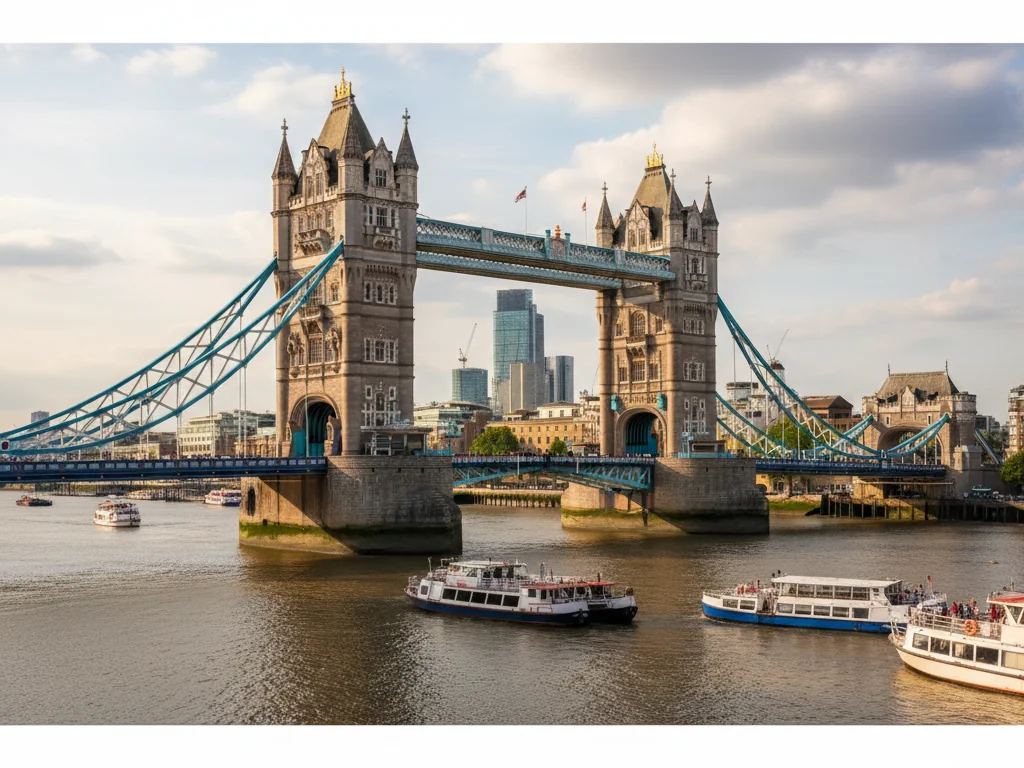
Families face a fundamental choice between traveling during school holidays when children are free but attractions are busiest, or pulling kids from school for quieter shoulder-season visits. UK school holidays - particularly the six-week summer break from late July through August, two-week Christmas and Easter holidays, and week-long half-terms in February, May, and October - drive dramatic increases in domestic and international tourism. Attractions implement crowd-control measures, accommodation rates rise, and popular sites require advance booking. However, these periods also see special family programming, extended hours, and guaranteed operation of seasonal attractions. Shoulder season travel in late April, early June, or September offers significantly calmer experiences at historic sites, shorter queues at theme parks, and better availability for family-sized accommodation at lower rates. Weather remains suitable for most activities, and children experience destinations without overwhelming crowds. The trade-off requires school permission and makeup work, but many families find the benefits substantial - particularly when visiting major draws like the Tower of London, Edinburgh Castle, or Harry Potter attractions that become congested during school breaks.
Weather Patterns by Season
The UK experiences four distinct seasons, each shaped by its maritime climate that brings moderation but also frequent changeability. Spring (March through May) sees temperatures rise from 11.0°C to 17.2°C with rainfall ranging from 40.1 mm to 57.8 mm monthly. Conditions improve steadily, gardens bloom spectacularly, and daylight hours extend, though layers remain essential as mornings stay cool. Summer (June through August) delivers the warmest weather with highs between 20.8°C and 22.7°C and comfortable nights from 11.9°C to 14.1°C. Despite being peak summer, rain still falls regularly - 56.5 mm to 63.5 mm per month - but longer days and warmer temperatures allow families to maximize outdoor time. Autumn (September through November) begins mild at 19.8°C in September before cooling to 11.1°C by November, with rainfall increasing from 48.1 mm to the year's peak of 76.5 mm in October. Early autumn offers excellent conditions, while late autumn turns wet and requires indoor contingency plans. Winter (December through February) brings the coldest temperatures - lows between 1.9°C and 3.9°C - and persistent rain around 52.7 mm to 65.3 mm monthly. Short days limit sightseeing hours, but festive events and world-class museums provide rich indoor alternatives.
What to Pack for Families
Successful UK family travel requires versatile layering regardless of season, as weather changes rapidly and rain arrives year-round. For spring visits (March to May), pack medium-weight jackets, long-sleeve shirts, and lightweight waterproof shells for everyone. Temperatures fluctuate between 11.0°C and 17.2°C, so layers allow adjustment throughout the day. Include comfortable walking shoes with good traction, as spring showers create slippery conditions at historic sites. Summer months (June to August) need fewer layers but still require waterproof jackets - with 56.5 mm to 63.5 mm of monthly rainfall, afternoon showers interrupt outdoor plans without proper rain gear. Pack sun protection including hats and sunscreen for warm days reaching 22.0°C to 22.7°C, but include light sweaters for cooler evenings around 11.9°C to 14.1°C. Autumn travel (September to November) demands progressive layering as temperatures drop from 19.8°C to 11.1°C. Waterproof jackets become essential as October brings 76.5 mm of rain, and closed-toe walking shoes prevent wet feet. Winter visits (December to February) require warm coats, thermal layers, gloves, and hats for temperatures between 7.8°C and 9.1°C during the day, dropping to 1.9°C to 3.9°C at night. Waterproof outerwear remains critical with 52.7 mm to 65.3 mm monthly rainfall. For all seasons, pack small daypack rain covers, plastic bags for electronics, and quick-dry clothing. The UK's changeable weather means families often experience multiple conditions in a single day.
Crowd and Price Seasonality
Tourist patterns in the UK follow school calendar rhythms, with dramatic peaks during summer holidays and notable increases during half-term breaks throughout the year. Peak season spans late July through August when schools close for summer, bringing maximum crowds to London landmarks, Edinburgh's festivals, coastal resorts, and major theme parks. Accommodation becomes scarce at popular family destinations and rates reach their annual highs. Easter holidays (late March or April) create a secondary peak, particularly at attractions with Easter programming. Half-term weeks in February, May, and October generate brief surges in domestic tourism but remain more manageable than summer peaks. Shoulder season months - April, early June, and September - offer the best value proposition for families: attractions operate fully, weather supports outdoor activities, and both crowds and prices moderate significantly. September stands out particularly as schools resume while conditions stay pleasant with 19.8°C temperatures and just 48.1 mm of rain. Low season runs November through March (excluding Christmas and February half-term), when international tourism drops substantially. Some seasonal attractions close or reduce hours, but museums, theaters, and year-round sites become peaceful and accommodation costs reach annual lows. Winter visits suit families prioritizing cultural experiences over outdoor exploration and seeking budget-friendly options.
FAQ
What is the best month to visit the UK with young children who need nap schedules and less walking?
May and September work best for families with young children because temperatures remain moderate (17.2°C in May, 19.8°C in September), rainfall stays manageable (57.8 mm and 48.1 mm respectively), and crowds are lighter than peak summer. Comfortable weather reduces crankiness during stroller outings, and quieter attractions make it easier to find spots for rest breaks. September particularly benefits from schools being back in session while weather stays warm enough for parks and outdoor sites that accommodate slower touring paces with toddlers.
How should families plan around unpredictable UK weather when traveling with kids who get disappointed by rain?
Build flexible itineraries with indoor alternatives for every outdoor plan, since rain falls year-round - even relatively dry April still sees 40.1 mm across 9.5 days. Book accommodations near multiple attraction types, carry compact rain gear for everyone, and frame weather changes as adventures rather than disappointments. The UK's world-class museums, indoor markets, theaters, and covered shopping arcades provide engaging backup activities. Many families schedule one indoor highlight (museum, aquarium, castle interior) each morning, saving outdoor activities for afternoon when forecasts clarify.
Is it worth visiting the UK with kids during winter months for Christmas markets and holiday events despite cold and rain?
December offers magical experiences through Christmas markets, pantomime shows, ice skating rinks, and festive decorations that captivate children, though weather remains cold (9.1°C highs, 3.9°C lows) with 65.2 mm of rain. Families comfortable with shorter daylight hours, indoor-focused touring, and bundling up in warm layers find winter visits rewarding. The key is embracing seasonal activities rather than expecting summer-style outdoor exploration, booking family-friendly pantomimes in advance, and selecting accommodations with cozy common areas for downtime.
When can families find the best combination of good weather and fewer crowds at popular UK attractions like Harry Potter sites and the Tower of London?
Early June (before school holidays begin) and September (after schools resume) deliver ideal conditions - June offers 20.8°C warmth with 11.9°C nights while September provides 19.8°C days with the lowest rainfall at 48.1 mm. Both months see dramatically fewer visitors than July and August, meaning shorter queues at the Warner Bros. Studio Tour, less crowded Tower of London tours, and easier booking for popular experiences. Early weekday mornings in these months provide the calmest conditions at major sights.
Weather data: open-meteo (ERA5 reanalysis, 2014-2023 averages). Reviewed and updated periodically.