Visiting Cyprus with Kids in the School Holidays

Families bound by term-time calendars face a clear reality when planning a Cyprus holiday: the island's peak school holiday periods coincide with extreme heat and maximum crowds. July and August bring average highs of 32.4°C and 32.3°C respectively, with virtually no rainfall (under 1mm each month), while Easter and October half-term offer milder conditions but still fall within busy travel windows. Understanding what each school holiday period actually delivers - temperature, rainfall, beach conditions, and crowd levels - helps families prepare properly rather than arrive unprepared for the midday furnace or the queue at every waterpark entrance.
| Month | Avg high | Avg low | Rainfall | Rainy days |
|---|---|---|---|---|
| January | 15.7°C | 9.6°C | 100.5 mm | 10.0 |
| February | 16.6°C | 9.7°C | 45.5 mm | 6.4 |
| March | 18.4°C | 11.1°C | 37.3 mm | 6.1 |
| April | 22.2°C | 13.8°C | 16.2 mm | 3.6 |
| May | 26.1°C | 17.9°C | 12.4 mm | 3.2 |
| June | 29.1°C | 21.0°C | 1.4 mm | 0.5 |
| July | 32.4°C | 23.9°C | 0.5 mm | 0.1 |
| August | 32.3°C | 24.3°C | 0.9 mm | 0.2 |
| September | 30.4°C | 22.6°C | 1.8 mm | 0.3 |
| October | 27.1°C | 19.5°C | 26.1 mm | 3.9 |
| November | 22.6°C | 15.4°C | 30.8 mm | 5.3 |
| December | 18.1°C | 11.7°C | 81.0 mm | 8.5 |
The Summer Holidays Reality: July and August Heat
Cyprus in July reaches an average high of 32.4°C, with August nearly identical at 32.3°C, and overnight temperatures staying above 23°C throughout both months. These figures represent daytime shade temperatures; direct sun exposure feels significantly hotter, and inland areas regularly exceed these coastal averages. Rainfall is negligible - July records just 0.5mm across the entire month with 0.1 rainy days, while August sees 0.9mm and 0.2 rainy days, making these the driest months of the year. For families, this means guaranteed sunshine for beach days and outdoor plans, but also means managing intense heat during the middle six hours of each day. Cyprus in summer is hot, dry, and crowded, with European families filling resorts from mid-July through the final week of August. Beaches, waterparks, and family-friendly attractions operate at full capacity, and coastal towns gear up for their busiest season with extended hours and maximum staffing.
Easter: Milder but Unpredictable
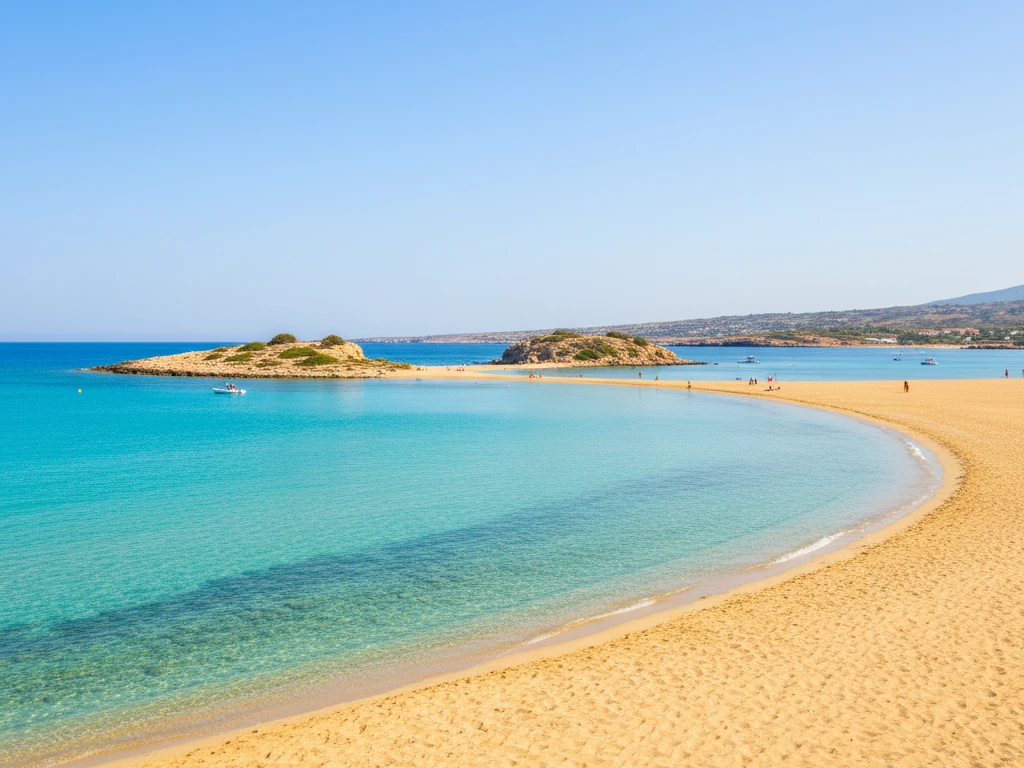
Easter typically falls in late March or April, when Cyprus temperatures are considerably gentler than summer. April averages 22.2°C during the day and 13.8°C overnight, with 16.2mm of rainfall spread across 3.6 days - occasional showers are possible but far from constant. If Easter lands in March, expect slightly cooler conditions with highs around 18.4°C and a bit more rain (37.3mm over 6.1 days). These temperatures suit active families well: comfortable for hiking in the Troodos Mountains, exploring archaeological sites without wilting, and still warm enough for confident swimmers to enjoy the sea. The Easter fortnight brings a noticeable spike in visitor numbers, particularly from the UK and Northern Europe, but crowds remain manageable compared to the summer crush. Accommodation and flights cost more than February or November, yet less than the summer peak, positioning Easter as a middle-ground option for families seeking warmth without extreme heat.
October Half-Term: The Goldilocks Window
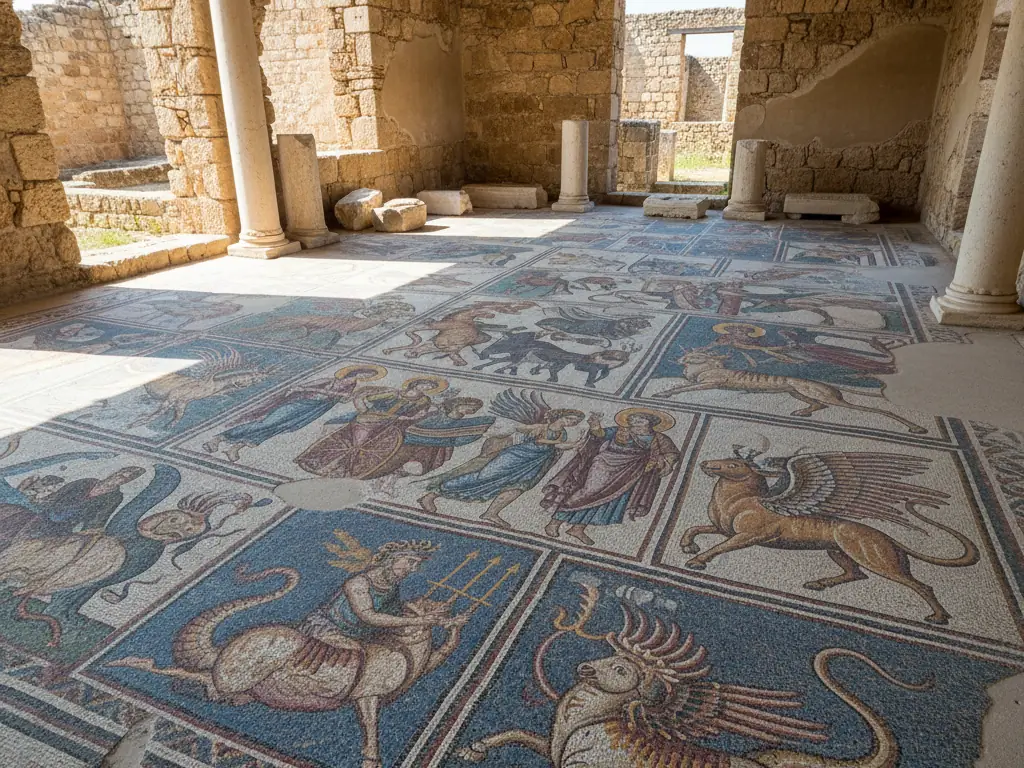
The October half-term week delivers what many families consider the sweet spot for Cyprus travel. October averages 27.1°C during the day and 19.5°C at night, with 26.1mm of rainfall across 3.9 days - enough to keep landscapes fresh but rarely enough to disrupt outdoor plans. The sea retains warmth accumulated over summer months, making it more inviting than April's cooler waters, while the midday sun has lost its aggressive edge. Crowds thin noticeably after the August exodus, though the half-term week itself sees a brief surge in family bookings. Many seasonal restaurants and attractions begin winding down operations later in October, but during the half-term week itself, facilities remain open and staffed. This period offers comfortable sightseeing weather, pleasant beach conditions, and fewer queues at family attractions, though families must accept occasional rain showers as part of the bargain.
Managing Heat with Young Children
July and August temperatures demand a structured approach to daily schedules when travelling with children. The hours between 11:00 and 16:00 bring the most intense heat, when direct sun exposure becomes uncomfortable and potentially unsafe for young skin. Families adapt by starting beach visits early - arriving by 08:00 for cooler sand and gentler sun - then retreating to air-conditioned accommodation or shaded pool areas during peak heat. Late afternoon and evening provide a second window for outdoor activity, with temperatures remaining pleasant well past 20:00. High-factor sun protection, UV-protective swimwear, and constant hydration become non-negotiable rather than cautious extras. Purpose-built beach umbrellas and pop-up sun shelters prove essential, as natural shade disappears on most Cypriot beaches. The dry heat (relative humidity drops during summer) feels less oppressive than humid destinations, but dehydration happens quickly with active children, requiring vigilant attention to water intake throughout the day.
Beating the School Holiday Crowds
Peak school holiday periods fill Cyprus's family-focused resorts and attractions to capacity, but strategic choices reduce time spent in queues. Booking waterpark tickets online for early-morning entry slots avoids the midday crush when day-trippers arrive. Choosing beaches slightly removed from major resort strips - even a few kilometres' drive - dramatically reduces crowding without sacrificing facilities or safety. Popular archaeological sites like Kourion see their heaviest footfall between 10:00 and 14:00; arriving at opening time or after 15:00 provides space to explore without jostling through tour groups. Restaurant reservations become essential rather than optional during July, August, and holiday weeks, particularly for family-friendly establishments near beaches. Families willing to base themselves in quieter villages rather than mega-resorts gain breathing room while remaining within easy reach of attractions. The Paphos region generally feels less congested than Ayia Napa and Protaras, which cater specifically to the peak-season beach crowd.
Booking Strategy for Fixed-Date Travel
School holiday weeks command premium pricing for both flights and accommodation, with costs rising progressively as availability shrinks. Families locked into term-time dates benefit from booking as far ahead as practical - often nine to twelve months for summer holidays - to access lower-tier pricing and secure preferred accommodation. Package deals through established tour operators frequently offer better value than independent bookings during peak periods, as operators block-book inventory months in advance. Accommodation with kitchen facilities or half-board arrangements helps control food costs, which inflate during high season when restaurants know demand exceeds supply. Travel insurance that covers cancellation becomes particularly valuable for peak-period bookings, where deposits represent significant sums and last-minute cancellations forfeit substantial amounts. Flight timing matters: early-morning departures from the UK maximise the first day on the ground, while overnight returns on the final day extract maximum value from accommodation already paid for.
Which Peak Period Hurts Least?
October half-term emerges as the least challenging school holiday period for Cyprus family travel, balancing warm weather (27.1°C average high) with manageable crowds and reduced heat stress. The temperature sits in the comfortable range for both beach lounging and active exploration, while September's lingering warmth keeps the sea pleasant. Easter offers genuine appeal for families who prioritise sightseeing over beach time, with April temperatures of 22.2°C ideal for archaeological sites and mountain villages, though swimming requires tolerance for cooler water. July and August deliver guaranteed sunshine and full operational capacity at all facilities, but demand the most careful heat management and patient acceptance of crowds. Families with very young children or those particularly sensitive to heat should weight October or Easter more heavily, while confident swimmers and beach-focused families may prefer summer's reliable conditions despite the intensity. No peak period offers the value or comfort of shoulder seasons, but understanding each window's specific trade-offs helps families prepare appropriately rather than face unwelcome surprises.
FAQ
Is Cyprus too hot for toddlers during the summer school holidays in July and August?
July and August are genuinely hot, with average highs of 32.4°C and 32.3°C, and midday temperatures frequently higher. Toddlers can visit comfortably if families structure days around the heat - early morning and late afternoon outings, midday retreat to air conditioning, constant sun protection, and vigilant hydration. The dry climate (under 1mm rainfall each month) means no rain disruptions but requires careful management of sun exposure.
What is the weather like in Cyprus during October half-term week with children?
October half-term offers highly family-friendly conditions, with average daytime temperatures of 27.1°C and overnight lows of 19.5°C. Expect around 26.1mm of rainfall across 3.9 days during the month, meaning occasional showers are possible but rarely prolonged. The sea remains warm from summer heating, and the reduced crowds compared to July and August make attractions more accessible.
How do Easter holiday temperatures in Cyprus compare to summer for family beach holidays?
Easter (typically April) brings average highs of 22.2°C - approximately 10 degrees cooler than July and August. This temperature suits active families and sightseeing well, and the sun provides warmth for sunbathing, but sea temperatures are cooler than summer, which may deter less confident swimmers. April sees 16.2mm of rainfall across 3.6 days, so occasional showers are more likely than in summer's near-zero rainfall months.
When should families book Cyprus holidays for peak school holiday periods to get reasonable prices?
Peak school holiday weeks command premium pricing, so booking nine to twelve months ahead typically secures better rates for both flights and accommodation. July and August fill earliest and cost most, while October half-term and Easter offer slightly more flexibility. Package deals often deliver better value than independent bookings during these high-demand periods, as tour operators secure inventory well in advance.
Weather data: open-meteo (ERA5 reanalysis, 2014-2023 averages). Reviewed and updated periodically.