Best Time to Visit Cyprus with Kids
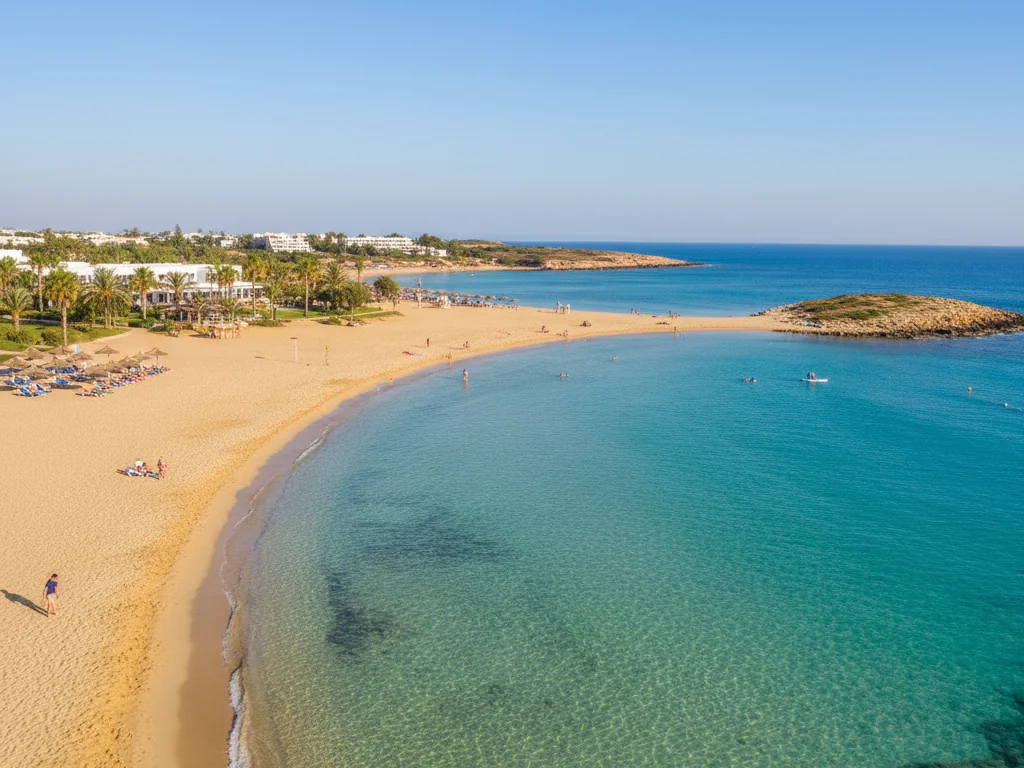
Cyprus offers families year-round sunshine, sandy beaches, and fascinating history, but choosing when to visit can make the difference between a magical holiday and a stressful one. The island's Mediterranean climate delivers hot, dry summers and mild, wetter winters, with shoulder seasons providing sweet spots for families seeking comfortable weather, manageable crowds, and better value. Understanding the interplay between school holidays, weather patterns, and peak tourist seasons helps families pick the right window for beach days, archaeological adventures, and memorable meals under the stars.
Some links may earn us a small commission, at no cost to you.
| Month | Avg high | Avg low | Rainfall | Rainy days |
|---|---|---|---|---|
| January | 15.7°C | 9.6°C | 100.5 mm | 10.0 |
| February | 16.6°C | 9.7°C | 45.5 mm | 6.4 |
| March | 18.4°C | 11.1°C | 37.3 mm | 6.1 |
| April | 22.2°C | 13.8°C | 16.2 mm | 3.6 |
| May | 26.1°C | 17.9°C | 12.4 mm | 3.2 |
| June | 29.1°C | 21.0°C | 1.4 mm | 0.5 |
| July | 32.4°C | 23.9°C | 0.5 mm | 0.1 |
| August | 32.3°C | 24.3°C | 0.9 mm | 0.2 |
| September | 30.4°C | 22.6°C | 1.8 mm | 0.3 |
| October | 27.1°C | 19.5°C | 26.1 mm | 3.9 |
| November | 22.6°C | 15.4°C | 30.8 mm | 5.3 |
| December | 18.1°C | 11.7°C | 81.0 mm | 8.5 |
Best Overall Months for Families
May and October stand out as the prime months for visiting Cyprus with children. May in Cyprus brings warm days averaging 26.1°C with cool evenings around 17.9°C - ideal for beach play without the scorching heat that exhausts young travellers. Rainfall drops to just 12.4 mm across the month with only three rainy days expected, making outdoor plans reliable. October mirrors these advantages with temperatures reaching 27.1°C during the day and 19.5°C at night, though rainfall increases slightly to 26.1 mm. Both months offer swimmable sea temperatures, uncrowded attractions, and a relaxed pace that suits family schedules. April also deserves consideration, with pleasant 22.2°C highs and minimal rain (16.2 mm), though the sea may feel bracing for younger swimmers. These shoulder-season windows balance comfortable conditions with better accommodation availability and shorter queues at family favourites like waterparks and archaeological sites.

Month-by-Month Breakdown
Each month in Cyprus presents distinct advantages and challenges for family travel, shaped by temperature, rainfall, and tourist patterns.
January brings mild days at 15.7°C but the wettest conditions of the year with 100.5 mm of rain across ten days. Beach activities take a back seat, but families enjoy fewer tourists and can explore indoor attractions like the Cyprus Museum or Limassol's medieval castle comfortably.
February sees temperatures climb slightly to 16.6°C while rainfall nearly halves to 45.5 mm. The island begins to green up, making nature walks in the Troodos Mountains appealing for active families, though swimming pools may still feel chilly.
March marks the transition toward spring, with 18.4°C highs and 37.3 mm of rain. Wildflowers bloom across the countryside, and Easter celebrations (if the calendar aligns) offer cultural experiences, though beach weather remains inconsistent.
April delivers reliably pleasant conditions at 22.2°C with only 16.2 mm of rain over fewer than four days. Families can comfortably mix beach time with visits to Paphos Archaeological Park or the Tombs of the Kings without the summer crush.
May hits the sweet spot for many families, with 26.1°C days, minimal rain (12.4 mm), and summer approaching but not yet arrived. The sea warms up, hotel pools become inviting, and outdoor tavernas open for the season.
June turns genuinely hot at 29.1°C with virtually no rain (1.4 mm). Early June remains manageable for families, but as the month progresses and school holidays begin across Europe, crowds and prices rise noticeably.
July and August bring peak summer heat - 32.4°C and 32.3°C respectively - with almost zero rainfall. These months suit families who relish hot beach holidays and don't mind busy resorts, but midday heat can limit sightseeing with young children. Evening temperatures stay warm (around 24°C), making late-afternoon and evening activities the most comfortable window.
September sees temperatures ease to 30.4°C while maintaining bone-dry conditions (1.8 mm rain). As European schools resume, crowds thin, making this an excellent choice for families with flexible schedules or those able to travel during early-September term time.
October cools to a comfortable 27.1°C with slightly increased rainfall (26.1 mm), but most days remain sunny. Half-term holidays bring a brief surge in visitors, yet the month generally offers relaxed conditions perfect for combining beach and culture.
November transitions toward winter, with 22.6°C days and 30.8 mm of rain. Swimming remains possible on warmer days, and the quieter atmosphere appeals to families seeking peaceful getaways, though weather becomes less predictable.
December brings 18.1°C days and 81.0 mm of rainfall across eight or nine days. Beach holidays wind down, but festive markets and holiday activities in towns like Nicosia offer alternative family entertainment.
School Holiday Timing vs Shoulder Season Trade-Offs
Families face a classic dilemma: travel during school holidays when children are free but resorts are packed and expensive, or pull kids from school for shoulder-season advantages. UK half-term breaks in May and October coincide neatly with Cyprus's best weather windows, though these weeks do see increased demand at family-friendly resorts around Protaras and Ayia Napa. Summer holidays in July and August deliver guaranteed sunshine and full resort programming - kids' clubs, water sports, evening entertainment - but the intense heat limits midday activities and popular beaches like Fig Tree Bay become crowded. Families with pre-school children or flexible work arrangements gain the most from late April, early May, mid-September, or early October travel, when temperatures suit all-day exploration, attractions run reduced-capacity schedules that mean shorter waits, and accommodation rates drop compared to peak weeks. The weather remains reliably dry during these windows, with rainfall rarely disrupting plans.
Weather Patterns by Season
Cyprus experiences two primary seasons: a hot, dry summer and a mild, wetter winter, with brief but valuable shoulder periods in between. Summer (June through September) brings almost no rain - total rainfall across these four months barely exceeds 5 mm - with temperatures climbing from 29.1°C in June to peak at 32.4°C in July before gradually easing. The sea warms throughout summer, reaching its most comfortable temperatures in August and September. This season guarantees beach weather but demands sun protection, plenty of water, and strategic timing of outdoor activities for early morning or late afternoon. Winter (December through February) remains mild by northern European standards, with daytime highs between 15.7°C and 16.6°C, but rainfall increases substantially - these three months account for over 225 mm of the island's annual precipitation. Rain typically arrives in short, heavy bursts rather than all-day drizzle, and sunny spells interrupt wet periods. Spring (March through May) sees temperatures climb steadily from 18.4°C to 26.1°C while rainfall decreases month by month, creating progressively better beach conditions. Autumn (October and November) reverses this pattern, with temperatures dropping from summer peaks and rainfall gradually increasing, though October remains predominantly dry and sunny.
What to Pack for Cyprus with Kids
Packing for Cyprus varies dramatically by season, but sun protection features year-round. For summer visits (June through September), prioritize lightweight, breathable clothing in natural fibres, high-SPF sunscreen designed for children's sensitive skin, wide-brimmed hats, and UV-protective swimwear for extended beach days. Evening temperatures remain warm, so light layers suffice for dinner outings. Comfortable sandals that can get wet work well for beach and pool, while closed-toe shoes protect feet during archaeological site visits over uneven ancient stones. Pack insect repellent for evening outdoor dining, particularly in May and September when mosquitoes are more active. A compact beach tent or UV shelter provides essential shade for babies and toddlers when natural shade is scarce. For shoulder seasons (April, May, October), add a light jacket or cardigan for cooler evenings and the occasional breezy day - temperatures can drop notably after sunset. Winter visitors (November through February) need layering options including long trousers, light sweaters, and a waterproof jacket for rainy days, though the climate rarely demands heavy winter coats. A small umbrella proves useful during wetter months. Regardless of season, bring reef-safe sunscreen to protect both children's skin and Cyprus's marine ecosystems, a refillable water bottle to stay hydrated, and any specialized items like specific baby formula or prescription medications that may be harder to source locally.
Crowd and Price Seasonality
Tourism patterns in Cyprus follow predictable cycles that significantly impact the family holiday experience. Peak season runs from mid-June through August, when European school holidays drive maximum demand. Major beach resorts like Ayia Napa, Protaras, and Coral Bay operate at full capacity, with waterparks, boat trips, and popular restaurants requiring advance booking. Accommodation rates reach their highest levels, and airports experience their busiest periods with potential delays. Within peak season, August represents the absolute pinnacle when much of Europe holidays simultaneously. Shoulder seasons (late April through early June, and September through October) offer the most favourable balance for families - resorts remain fully operational with all amenities and kids' clubs running, yet visitor numbers drop noticeably, creating a more relaxed atmosphere. Prices moderate compared to peak weeks, though May and October half-term breaks see brief surges. Low season (November through March) brings the quietest conditions and lowest rates, but many coastal hotels close entirely or operate reduced services, and beach-focused activities become limited. Some family-friendly restaurants and attractions maintain winter schedules or close for renovations. Easter week, whenever it falls, triggers a mini-peak with higher prices and increased visitors, particularly around Paphos and Limassol where religious celebrations attract both tourists and local crowds.
FAQ
What is the best month to visit Cyprus with young children who don't cope well with extreme heat?
May and October provide the most comfortable conditions for heat-sensitive children, with daytime temperatures around 26-27°C - warm enough for beach play and swimming but not so intense that midday becomes unbearable. April also works well if slightly cooler sea temperatures aren't a concern. These months allow families to enjoy outdoor activities throughout the day without the extreme heat that can cause discomfort, dehydration, or cancelled plans during July and August when temperatures exceed 32°C.
Can you swim in Cyprus with kids outside the summer months?
Swimming remains comfortable from May through October, with sea temperatures warmest from July through September. May sees the sea warming up as air temperatures reach 26.1°C, making it pleasant for most children, though some may find it bracing initially. October maintains swimmable conditions as the sea retains summer warmth even as air temperatures ease to 27.1°C. April is borderline - the 22.2°C air temperature is lovely, but the sea feels cool for extended swimming, particularly for younger children. November through March are generally too cool for comfortable swimming, though hardy individuals may take brief dips on warmer winter days.
How much does visiting Cyprus during school term time instead of summer holidays save families on costs?
Traveling during shoulder seasons rather than peak summer weeks typically results in noticeably lower accommodation costs, with the exact difference varying by property type and specific dates. Family resorts and apartments in popular areas like Protaras or Coral Bay charge their premium rates from mid-June through August, while the same properties cost less in May, early June, September, and October. Flights follow similar patterns, with July and August commanding highest fares due to demand. Beyond direct costs, shoulder-season value extends to better availability - families have wider choice of accommodation and can often negotiate better terms for longer stays. Package holidays show the most dramatic variation between peak and off-peak pricing.
What are the risks of rain ruining a Cyprus family holiday in October or November?
October remains predominantly dry and sunny, with only 26.1 mm of rainfall across fewer than four days on average - rain is unlikely to significantly impact a week-long holiday, and any showers typically pass quickly. November brings slightly more rain (30.8 mm over five days) but still offers many clear, pleasant days with 22.6°C temperatures suitable for beach time and sightseeing. When rain does occur in autumn, it usually arrives in short bursts rather than all-day downpours, and indoor alternatives like aquariums, museums, and covered markets provide backup options. December through February present higher rain risk with more frequent wet days, making these months less reliable for beach-focused family holidays.
Weather data: open-meteo (ERA5 reanalysis, 2014-2023 averages). Reviewed and updated periodically.