Visiting Germany with Kids in the School Holidays

Germany offers families excellent infrastructure, reliable transport, and attractions that genuinely engage children - from fairy-tale castles to hands-on science museums. The challenge for parents lies not in whether Germany works for families, but in managing the realities of peak school holidays: summer heat that can exhaust young travellers, crowded attractions, and accommodation prices that reflect high demand. This guide examines the climate and conditions during the major UK school breaks - July and August summer holidays, Easter, and October half-term - and offers practical strategies for families who must travel during these busy windows. Understanding what to expect during each peak period helps parents plan more realistic itineraries and pack appropriately for Germany's variable weather.
| Month | Avg high | Avg low | Rainfall | Rainy days |
|---|---|---|---|---|
| January | 4.0°C | -0.5°C | 54.4 mm | 13.1 |
| February | 6.2°C | -0.4°C | 41.3 mm | 10.1 |
| March | 9.5°C | 1.3°C | 44.2 mm | 11.5 |
| April | 14.1°C | 4.5°C | 33.6 mm | 8.6 |
| May | 18.8°C | 9.1°C | 42.2 mm | 8.9 |
| June | 24.0°C | 14.1°C | 69.5 mm | 9.8 |
| July | 24.6°C | 15.3°C | 70.3 mm | 11.1 |
| August | 24.9°C | 15.5°C | 51.6 mm | 10.0 |
| September | 20.6°C | 11.8°C | 39.6 mm | 8.0 |
| October | 14.7°C | 8.1°C | 56.2 mm | 11.3 |
| November | 8.6°C | 3.6°C | 43.9 mm | 10.0 |
| December | 5.4°C | 1.2°C | 53.4 mm | 12.7 |
The Summer Holidays Reality: July and August
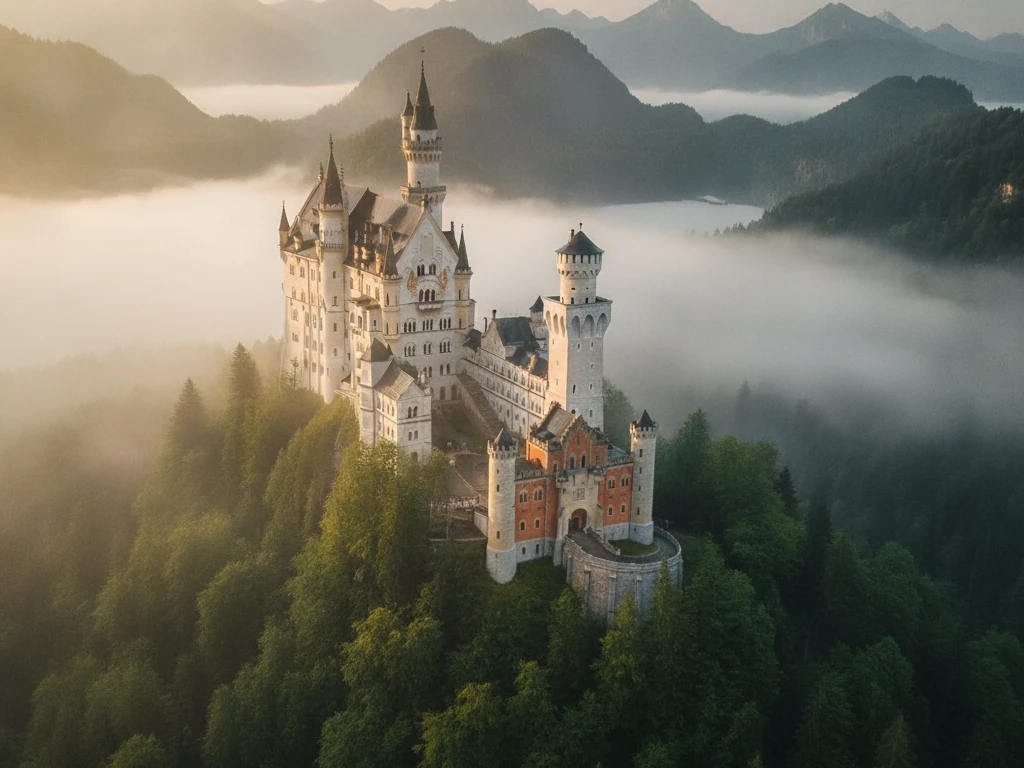
July and August represent Germany's warmest months, with average high temperatures reaching 24.6°C and 24.9°C respectively in Berlin, and lows around 15.3°C to 15.5°C. These months bring pleasant warmth rather than overwhelming heat, making outdoor exploration comfortable for families. Rainfall totals sit at 70.3mm in July and 51.6mm in August, spread across approximately 11 rainy days in July and 10 in August - expect occasional afternoon showers that cool things down but rarely derail entire days. This is peak tourist season across Germany, with families from across Europe filling castles, theme parks, and city centres. Popular attractions like Neuschwanstein Castle, Europa-Park, and the Rhine Valley experience their longest queues and fullest capacity during these weeks. The shoulder season advantage disappears entirely, but the reliable warm weather does suit outdoor activities like hiking in the Black Forest or cycling along the Elbe. Cities become noticeably busier, though Germany's efficient public transport generally copes well with increased passenger numbers.
Easter Break Conditions
Easter falls in late March or April, when Germany transitions from winter chill to spring freshness. April sees average highs of 14.1°C and lows around 4.5°C - genuinely cool conditions that require layered clothing for children. Rainfall is relatively modest at 33.6mm across approximately 8.6 rainy days, making April one of the drier months statistically. The weather remains unpredictable, with sunny mornings giving way to cool afternoons, and occasional cold snaps still possible. Easter marks the beginning of the tourist season rather than its peak, meaning attractions are busy but not overwhelmed. Many German families take short breaks during this period, and Easter markets in some regions add festive atmosphere. Indoor attractions like the Deutsches Museum in Munich or Miniatur Wunderland in Hamburg work well when April showers arrive. The cooler temperatures suit city walking better than beach or outdoor water activities, and children need proper jackets rather than just light layers.
October Half-Term Weather
October half-term typically falls in the third or fourth week of the month, when autumn settles firmly over Germany. Average high temperatures reach 14.7°C with lows around 8.1°C - noticeably cooler than summer holidays and requiring warm clothing throughout the day. Rainfall increases to 56.2mm across approximately 11.3 rainy days, making October one of the wetter months and waterproof gear essential. Daylight hours shorten significantly, with dusk arriving by early evening and limiting how much families can pack into each day. Tourist numbers drop considerably compared to summer, offering shorter queues at major attractions and more breathing room in popular cities. Autumn colours transform forests and parks into beautiful landscapes, particularly appealing in regions like Bavaria or the Rhine Valley. The cooler, damper conditions favour museum days, indoor markets, and cosy cafes over outdoor adventures. Families should expect grey skies and pack for wet weather, but the trade-off comes in reduced crowds and a more relaxed pace at attractions.
Managing Heat and Activity Levels with Children
Germany's summer temperatures of around 24°C to 25°C rarely reach the exhausting extremes found in southern Europe, but active days of sightseeing can still tire young children. The moderate warmth suits outdoor activities well - hiking, cycling, and playground time remain comfortable rather than punishing. Plan the most active sightseeing for morning and late afternoon, using midday for indoor museums, lunch breaks, or hotel pool time. Germany's numerous lakes and rivers offer swimming opportunities when temperatures peak, and most cities maintain excellent public pools. Pack sun cream and hats despite the moderate temperatures, as summer sun remains strong even when the air feels pleasant. Afternoon thunderstorms occur occasionally during July, cooling things down but rarely lasting more than an hour or two. Children accustomed to British summers will find German heat manageable with appropriate hydration and rest breaks, and the pleasant evenings allow for outdoor dining and exploration without wilting.
Beating the Crowds at Peak Times
Germany's major attractions see significant visitor increases during school holidays, but several strategies help families avoid the worst congestion. Book timed-entry tickets online in advance for popular sites like Neuschwanstein Castle, the Berlin TV Tower, and major museums - this eliminates queuing time and guarantees entry. Visit flagship attractions either first thing when doors open or during late afternoon when day-trippers depart. Consider less famous alternatives: explore Hohenschwangau Castle while crowds flock to Neuschwanstein, or visit Nuremberg instead of Munich. Germany's excellent regional diversity means families can find engaging experiences beyond the headline destinations - medieval towns like Rothenburg ob der Tauber or Bamberg offer authentic atmosphere with fewer visitors. Public transport works efficiently even during peak season, so families can confidently use trains and trams rather than fighting for parking. Weekend breaks in cities tend to be slightly quieter than midweek during summer, as German families often take longer countryside holidays. Accept that some queuing is inevitable at the most famous sites, but smart planning significantly reduces waiting time.
Booking Strategy for Peak Holiday Travel
Accommodation costs increase significantly during peak school holidays across Germany, particularly in popular family destinations like Munich, Berlin, and the Black Forest. Book as early as possible - ideally several months ahead - to secure better rates and preferred locations. Consider apartment rentals rather than hotels for families, as self-catering reduces meal costs and provides more space for children. Mid-sized cities like Dresden, Leipzig, or Heidelberg often offer better availability and value than the major tourist centres while still delivering excellent experiences. Germany's compact geography and efficient rail network mean families can base themselves in less expensive towns and make day trips to headline attractions. Flight and train prices rise for school holiday periods, so booking well in advance captures lower fares. Package deals occasionally offer value, though independent booking often provides more flexibility for family needs. Factor in attraction costs when budgeting - many German museums and castles charge per person including children, and these fees accumulate quickly for families. Accept that peak holiday travel costs more, but strategic choices about location and accommodation type help control spending.
Which Peak Holiday Period Hurts Least
For families seeking the least painful peak-period experience, October half-term emerges as the most manageable compromise. Crowds thin considerably compared to summer, queues shorten, and accommodation rates drop from their July-August peaks. The weather requires warmer clothing and waterproofs, but temperatures around 14°C suit active sightseeing better than sitting on beaches. Easter offers moderate crowds and fresh spring conditions, though cooler temperatures and unpredictable weather require flexible planning. July and August deliver the most reliable weather for outdoor activities and the warmest conditions for swimming and hiking, but these benefits come with maximum crowds and highest prices. Each period works for families with appropriate expectations: summer holidays suit outdoor adventures and lake time, Easter favours cities and cultural attractions, October half-term rewards those who embrace autumn weather with reduced competition for accommodation and tickets. The 'best' choice depends on family priorities - weather reliability, crowd tolerance, or budget constraints - rather than one period objectively outperforming the others.
FAQ
What should families pack for Germany during the summer school holidays in July and August?
Pack layered clothing for temperatures around 24°C to 25°C during the day, with cooler evenings dropping to around 15°C. Include light rain jackets or waterproofs for the approximately 10-11 rainy days expected each month, sun cream and hats for outdoor activities, and comfortable walking shoes for sightseeing. A small day backpack for carrying water bottles and snacks helps during long attraction visits, and a light jumper or cardigan works for air-conditioned museums and evening meals outdoors.
How can families avoid the worst crowds when visiting Germany's castles during peak school holidays?
Book timed-entry tickets online several weeks in advance, arrive at opening time before tour groups and day-trippers, or visit during late afternoon when many visitors depart. Consider less famous castles like Hohenzollern or Marienburg as alternatives to Neuschwanstein, and visit popular sites on weekdays rather than weekends when possible. Staying overnight near major attractions allows early access before crowds build.
Is October half-term too cold and wet for a family holiday in Germany?
October brings average temperatures around 14°C with approximately 11 rainy days and 56.2mm of rainfall, requiring warm clothing and waterproofs. The weather suits city exploration, museum visits, and indoor attractions better than outdoor swimming or extensive hiking. Families comfortable with autumn conditions benefit from significantly reduced crowds, shorter queues at attractions, and lower accommodation costs compared to summer holidays. Pack appropriately and plan a mix of indoor and outdoor activities.
Which German cities work best for families travelling during Easter school holidays?
Cities with strong indoor attraction offerings work well during Easter's cooler, variable weather with temperatures around 14°C. Munich's museums and nearby Deutsches Museum, Berlin's excellent family-friendly sites including the Natural History Museum, and Hamburg's Miniatur Wunderland provide engaging indoor options when April showers arrive. Dresden, Nuremberg, and Cologne offer compact city centres manageable for children, with castles and cathedrals providing sheltered sightseeing when weather turns.
Weather data: open-meteo (ERA5 reanalysis, 2014-2023 averages). Reviewed and updated periodically.