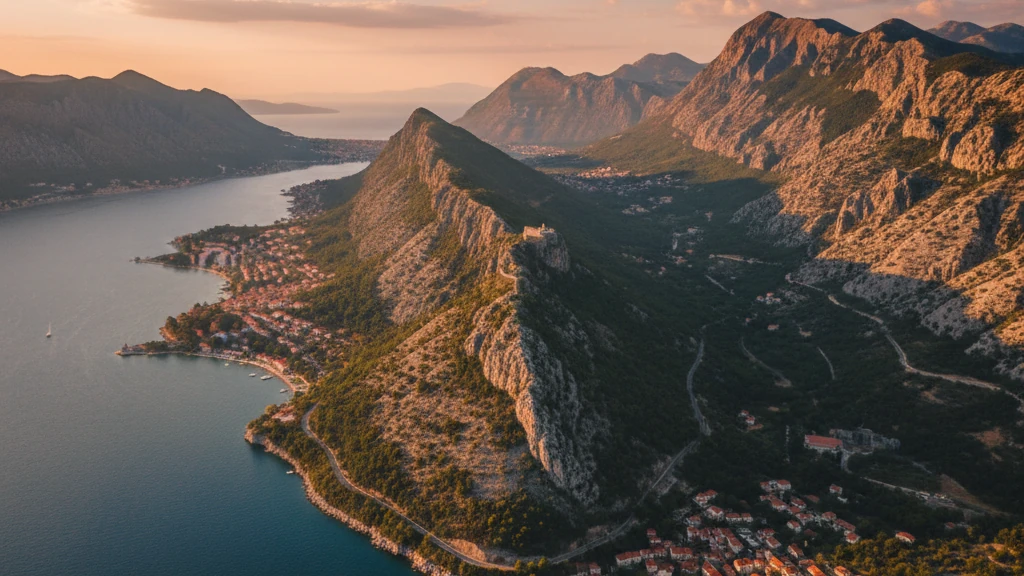
Key Takeaways
- UNESCO World Heritage Sites: Geirangerfjord and Nærøyfjord represent Norway’s most prestigious fjord destinations, offering thundering waterfalls and narrow passages
- Best Time to Visit: Summer provides optimal accessibility and Midnight Sun experiences, while shoulder seasons (May-June, September) offer fewer crowds and stunning natural displays
- Top Fjord Experiences: Sognefjord’s record-breaking length, Lysefjord’s iconic Pulpit Rock, and Hardangerfjord’s spring fruit blossoms each provide distinct Norwegian fjord adventures
- Experience Options: Choose from intimate kayaking through narrow waters, scenic cruises aboard Hurtigruten coastal ships, or challenging hikes to world-famous viewpoints
Norwegian fjords attract millions of visitors annually, yet these UNESCO World Heritage Sites continue delivering transformative experiences. Whether you’re drawn to thundering waterfalls or seeking Northern Lights reflections in dark waters, Norway’s fjord country offers adventures that justify its global reputation.
Introduction: My Journey Through Norway’s Magnificent Fjord Landscape
Standing on the deck of a small boat as we entered Geirangerfjord for the first time, I watched towering cliffs emerge from morning mist. The Seven Sisters waterfall cascaded 410 meters down granite walls while our boat seemed impossibly tiny against the landscape’s scale.
That moment changed how I understand Norway’s natural power.
Norwegian fjords aren’t just scenic waterways—they’re geological masterpieces carved by massive glaciers over millions of years. Norway contains over 1,000 fjords, but only a handful offer the combination of accessibility, natural beauty, and cultural significance that defines world-class destinations.
These deep, narrow inlets have shaped Norwegian identity for centuries. Vikings navigated these same waters, while Nordic folklore fills fjord landscapes with stories of trolls and hidden spirits dwelling in mountain caves. Modern Norway embraces this heritage, protecting its most impressive fjords as UNESCO World Heritage Sites while welcoming travelers seeking authentic encounters with unspoiled wilderness.
This guide focuses on Norway’s most exceptional fjords—those offering unique experiences you can’t find elsewhere. From glacier-carved valleys to record-breaking depths, these destinations represent the best of Norwegian fjord country.
What Makes Norwegian Fjords Special
A fjord—from the Norwegian word meaning “crossing point”—forms when massive glaciers carve deep U-shaped valleys that later flood with seawater. This simple definition barely captures the geological drama involved.
During the Ice Age, enormous glaciers slowly ground through Norway’s mountainous terrain. Unlike rivers that create V-shaped valleys, glaciers carved wide, deep troughs with steep sides and flat bottoms. When ice retreated and sea levels rose, saltwater filled these valleys, creating the landscapes we see today.
Norway’s unique geography explains why it contains the world’s most impressive fjord concentration. The country’s extensive glaciation during the Ice Age, combined with its long, mountainous coastline, created ideal conditions for fjord formation. Some Norwegian fjords reach depths exceeding 1,300 meters—deeper than many ocean trenches.
What distinguishes Norwegian fjords from similar formations worldwide is their accessibility and preservation. While Chile, New Zealand, and Alaska also feature glacier-carved inlets, Norway’s fjords remain largely unspoiled while offering excellent infrastructure for exploration.
The steep cliffs rising directly from deep waters create an almost vertical landscape that photographers struggle to capture adequately. Standing at fjord level, you’re looking up at mountains that would be impressive even without the water foreground.
Top Norwegian Fjords I’ve Explored
After years exploring Norway’s fjord country, I’ve identified five destinations that offer truly exceptional experiences. These fjords combine UNESCO recognition, unique natural features, reasonable accessibility, and opportunities for authentic Norwegian adventures.
Each destination brings something different to the table. Geirangerfjord delivers classic fjord drama with its famous waterfall trio. Norway’s longest and deepest fjord, Sognefjord, impresses through sheer scale. The world’s narrowest fjord passage awaits in Nærøyfjord. Adventure seekers flock to Lysefjord for iconic hikes like Pulpit Rock. And Hardangerfjord presents Norway’s agricultural heritage with spring fruit blossoms against mountain backdrops.
Geirangerfjord: My Journey Through This UNESCO Heritage Beauty
Approaching Geirangerfjord by water reveals why UNESCO designated this location a World Heritage Site. The narrow entrance opens into an amphitheater where waterfalls plunge from heights that make cruise ships look like toys.
The Seven Sisters waterfall dominates the northern shore—seven distinct streams cascading 410 meters down granite cliffs near the abandoned Knivsflå farm. According to Visit Norway’s Geirangerfjord guide, this waterfall system creates Norway’s most photographed fjord scene. Across the water, Friaren (The Suitor) waterfall appears to court the sisters, while Brudesløret (Bridal Veil) adds delicate beauty to the landscape.

But Geirangerfjord offers more than waterfall viewing. The Dalsnibba viewpoint, accessible by toll road from Geiranger village, provides stunning aerial perspectives 1,500 meters above the fjord. Eagle Road (Ørnevegen) delivers equally impressive views through its eleven hairpin turns.
Timing matters here. Summer cruise ships can crowd the narrow fjord with multiple vessels simultaneously. I’ve found early morning or late afternoon visits offer more peaceful experiences. Kayaking provides intimate waterfall encounters impossible from larger boats—you can paddle close enough to feel the spray from Seven Sisters.
For hikers, the trail to Skageflå farm offers challenging but rewarding access to elevated viewpoints. This abandoned mountain farm provides historical context while delivering some of Norway’s most photogenic opportunities.
Sognefjord: Why I Call It the King of the Fjords
Statistics tell Sognefjord’s story: 205 kilometers long and reaching 1,308 meters deep, making it both Norway’s longest fjord and second-deepest in the world. But numbers can’t capture the experience of exploring this massive waterway’s diverse branches and villages.
Sognefjord’s size allows for genuine exploration rather than just sightseeing. The main fjord branches into smaller arms—Aurlandsfjord leads to Flåm and its famous railway, while Nærøyfjord provides UNESCO-protected narrow passages. Fjærlandsfjord connects to Jostedal Glacier for high-altitude adventures.
Charming villages dot the shoreline, each offering distinct experiences. Balestrand combines historic hotels with hiking access to mountain plateaus. Flåm delivers the classic Norway in a Nutshell experience via the engineering marvel of Flåm Railway climbing 863 meters in 20 kilometers. Lærdal features traditional wooden architecture in Norway’s oldest preserved village center.
I recommend exploring Sognefjord by car rather than following the crowded Norway in a Nutshell route exclusively. The freedom to discover quiet villages and spontaneous viewpoints reveals Sognefjord’s true character. Express boats from Bergen provide efficient access, while the scenic drive along the fjord’s edges offers countless photography stops.
The connection to Jostedal Glacier—mainland Europe’s largest ice sheet—extends Sognefjord adventures into high-altitude terrain. Glacier walks and ice climbing add contrast to peaceful fjord waters.
Nærøyfjord: How I Discovered This Untouched Natural Wonder
Nærøyfjord’s drama unfolds gradually as towering cliffs close in from both sides. At its narrowest point, just 250 meters separate vertical walls rising 1,700 meters above the water, creating an almost cathedral-like atmosphere.
This UNESCO World Heritage Site branch of Sognefjord offers Norway’s most intimate fjord experience. The narrow passage amplifies every sound—waterfall echoes, bird calls, even conversation from other boats carries clearly across the still water.
Kayaking through Nærøyfjord provides unmatched intimacy with this landscape. Paddling silently between towering walls, you’ll understand why Disney’s Frozen drew inspiration from these Norwegian scenes. The scale becomes personal rather than merely impressive.
Small boat cruises from Gudvangen navigate the full length of Nærøyfjord, connecting to broader Aurlandsfjord and eventually Flåm. These boats can access areas impossible for larger vessels, including close approaches to waterfalls and wildlife viewing opportunities.
The village of Gudvangen, at Nærøyfjord’s head, offers Viking history at Njardarheimr (Viking Valley) where costumed interpreters demonstrate traditional crafts and storytelling. This cultural addition provides historical context for landscapes that have remained essentially unchanged for centuries.
Visit during early morning or late afternoon when cruise traffic diminishes and light creates contrasts on cliff faces. The narrow passage amplifies weather effects—mist and low clouds create mysterious atmospheres that photographers treasure.
Lysefjord: My Adventures to Iconic Landmarks
Standing at Pulpit Rock’s edge, 604 meters above Lysefjord’s dark waters, delivers one of Norway’s most intense natural experiences. The flat granite platform extends like a diving board over the abyss—no railings, no barriers, just you and the drop.
Preikestolen has become Norway’s most famous hiking destination, but the 4-hour round trip remains challenging. Rocky terrain, steep sections, and unpredictable weather demand proper preparation. I recommend hiking boots, layers for changing conditions, and plenty of water.
Kjeragbolten offers even more extreme adventures for experienced hikers. This boulder wedged between cliff faces provides photography opportunities—if you’re brave enough to walk onto it. The 10-12 hour round trip hike requires excellent fitness and mountain experience.

For less extreme adventures, Flørli stairs climb 4,444 wooden steps up the mountainside—officially the world’s longest wooden staircase. This unique challenge offers fjord views without technical hiking demands.
Stavanger serves as the perfect base for Lysefjord exploration. This vibrant city combines Viking history with modern oil economy prosperity. The colorful wooden houses of Gamle Stavanger provide charming accommodation options, while excellent restaurants feature local seafood.
Fjord cruises from Stavanger offer water-based perspectives on Lysefjord’s cliffs and hidden caves. Rødne Fjord Cruise provides reliable service with multiple daily departures during summer season.
- Essential Hiking Gear: Sturdy hiking boots with ankle support, weather-resistant layers, headlamp for early starts
- Safety Preparation: Check weather forecasts, inform others of hiking plans, carry emergency communication device
- Physical Readiness: Build endurance through regular hiking, practice on rocky terrain, strengthen leg muscles
- Timing Strategy: Start early to avoid crowds at viewpoints, allow extra time for photo stops and rest breaks
Hardangerfjord: My Spring Journey Through Fruit Orchards and Glaciers
Visiting Hardangerfjord in late May reveals Norway’s gentler side—thousands of fruit trees blooming pink and white against fjord backdrops. This agricultural landscape creates unique contrasts between pastoral beauty and wild mountain terrain.
The region’s apple, pear, and cherry orchards have thrived in Hardangerfjord’s protected climate for centuries. Local cider producers offer tastings that display how Norwegian terroir influences traditional beverages. Steinstø Fruktgård near Lofthus provides authentic farm experiences with accommodation in historic buildings.
Folgefonna glacier dominates the fjord’s southern horizon—mainland Norway’s third-largest ice sheet offering guided glacier walks and ice climbing. The contrast between lowland orchards and high-altitude ice creates diverse adventure opportunities within a compact area.
Trolltunga, one of Norway’s most challenging and photogenic hikes, begins near Hardangerfjord. This 28-kilometer round trip demands excellent fitness and full-day commitment, but rewards hikers with iconic cliff-edge photography opportunities. Book guided tours through qualified operators—the exposed mountain terrain requires proper navigation skills.
Vøringsfossen waterfall near Eidfjord plunges 182 meters into Måbødalen valley, offering viewing platforms accessible by car. The recently constructed walkways provide multiple perspectives on this powerful cascade.
Bergen’s proximity (1.5 hours by car) makes Hardangerfjord ideal for day trips or short excursions. The scenic drive through mountain tunnels and along fjord shores displays Norway’s engineering achievements alongside natural beauty.
Hidden Gems: My Favorite Less-Crowded Fjord Experiences
Beyond Norway’s famous fjords lie equally impressive destinations offering authentic experiences without mass tourism. These hidden gems provide opportunities for genuine local interactions and untouched natural encounters.
Northern Norway’s remote fjords deliver Arctic wilderness experiences impossible in southern regions. Lofoten’s peaks rising directly from the sea create landscapes that inspired countless Norwegian artists and writers.
Hjørundfjord: The Tranquil Mountain Beauty I Love
Hjørundfjord became my personal favorite through serendipitous discovery rather than guidebook research. This narrow inlet surrounded by Sunnmøre Alps peaks offers everything I seek in fjord experiences—scenic beauty, authentic local culture, and blissful absence of cruise ship crowds.
The historic Hotel Union Øye has welcomed guests since 1891, hosting everyone from Kaiser Wilhelm II to Norwegian royalty. This beautifully preserved hotel provides luxury accommodation with genuine historical atmosphere—no modern resort artificiality.

Ålesund provides convenient access to Hjørundfjord via scenic mountain roads. The Art Nouveau architecture of this rebuilt fishing town creates an elegant gateway to wilderness adventures.
Hiking opportunities abound around Hjørundfjord, from gentle lakeside walks to challenging mountain ascents. The Sunnmøre Alps offer some of Norway’s most impressive alpine scenery, with peaks rising directly from fjord waters.
Local establishments like Urke Kaihus provide authentic Norwegian dining experiences featuring locally caught seafood and traditional preparations. These family-run operations offer genuine hospitality that large tourist destinations can’t match.
The relative obscurity means you’ll often have viewpoints and hiking trails entirely to yourself—a rare luxury in modern Norway.
Nordfjord: How I Explored Its Diverse Landscapes
Nordfjord’s diversity surprised me—coastal villages, inland lakes, glacier access, and mountain adventures all within a compact region. This variety allows for thorough Norwegian experiences without extensive travel.
Briksdalsbreen glacier, an arm of massive Jostedal Glacier, provides accessible glacier walking opportunities. The scenic drive to the glacier parking area passes through diverse landscapes from fjord-level farms to high mountain valleys. According to Visit Norway’s Nordfjord guide, the nearby Loen Skylift ascends 1,011 meters in five minutes, offering panoramic views across the entire Nordfjord region.

Stryn and Olden villages provide charming bases for exploration, with traditional architecture and excellent local restaurants. The Hjelle Hotel near Oppstrynsvatn lake offers historic accommodation in mountain settings.
Some cruise ships visit Nordfjord, but abundant quiet areas remain easily accessible. The region’s size allows for genuine exploration beyond standard tourist stops.
- Glacier Experiences — Guided walks on Briksdalsbreen with equipment provided, suitable for most fitness levels
- Mountain Adventures — Loen Skylift for panoramic views, Via Ferrata climbing routes for thrill seekers
- Water Activities — Kayaking on mountain lakes, fishing in glacier-fed streams
- Cultural Sites — Historic stave churches, traditional farms demonstrating Norwegian heritage
- Scenic Drives — Geiranger-Trollstigen National Tourist Route passing through diverse landscapes
Arctic Circle Fjords: My Northern Adventures
Crossing the Arctic Circle transforms fjord experiences entirely. The extreme seasonal light variations—Midnight Sun in summer, Northern Lights in winter—create magical atmospheres impossible in southern Norway.
Lyngenfjord near Tromsø presents Arctic fjord beauty with snow-covered peaks reflecting in dark waters year-round. Winter activities include husky sledding, reindeer encounters, and Northern Lights photography. According to Visit Norway’s Midnight Sun guide, the Midnight Sun period lasts up to 76 days in Northern Norway, providing unique hiking and photography opportunities during summer months.
Trollfjord, between Lofoten and Vesterålen, delivers narrow-passage experiences. The 100-meter-wide entrance opens into a mountain amphitheater where sea eagles soar between vertical cliffs.
Arctic activities differ significantly from southern Norway adventures. Winter dog sledding and snowmobile expeditions provide access to frozen fjord landscapes, while summer offers endless daylight for hiking and kayaking.
The Northern Lights season extends from late August through March when dark skies return to Arctic regions. Tromsø’s location within the auroral oval provides excellent viewing opportunities, with fjord reflections doubling the visual impact.
Svalbard’s Isfjord: My Arctic Wilderness Experience
Svalbard represents the ultimate remote fjord experience—closer to the North Pole than mainland Norway, this High Arctic archipelago offers encounters with polar wilderness.
Isfjord, Svalbard’s largest fjord system, provides access to massive glacier fronts, diverse Arctic wildlife, and landscapes untouched by human development. Polar bears, Arctic foxes, and various whale species inhabit this protected environment.

The extreme seasonal variations create entirely different worlds. Polar night lasts from October through February, while continuous daylight illuminates the landscape from April through August. These light conditions offer unique photography opportunities impossible elsewhere.
Longyearbyen serves as the gateway to Isfjord adventures, with guided boat tours providing safe wildlife viewing and glacier access. All activities require experienced guides due to polar bear presence and challenging Arctic conditions.
This represents expedition-level travel rather than casual tourism—proper preparation, appropriate gear, and realistic expectations are essential for successful Svalbard experiences.
More Off-the-Beaten-Path Options I’ve Discovered
Norway’s fjord diversity extends far beyond famous destinations. These additional hidden gems offer unique experiences for adventurous travelers willing to venture beyond standard tourist circuits.
| Fjord | Location | Unique Features | Best For | Accessibility |
| Romsdalsfjord | Western Norway | Trollstigen mountain road access, Trollveggen cliff | Scenic drives, rock climbing | Moderate |
| Lyngenfjord | Northern Norway | Arctic Alps, Northern Lights, Midnight Sun | Winter activities, aurora viewing | Challenging |
| Melfjord | Helgeland | Arctic Circle isolation, pure nature | Solitude, authentic experiences | Difficult |
| Porsangerfjord | Finnmark | Edge-of-world atmosphere, Sami culture | Cultural immersion, extreme landscapes | Very difficult |
Romsdalsfjord connects to the famous Trollstigen (Troll’s Path) mountain road with its eleven hairpin turns and stunning viewpoints. The nearby Trollveggen represents Europe’s highest vertical cliff face, attracting world-class rock climbers.
North Cape provides context for Porsangerfjord’s remote location at Norway’s northern edge. The combination of Sami cultural experiences and Arctic landscapes creates unique travel opportunities.
These destinations require more planning and preparation than accessible southern fjords, but reward adventurous travelers with authentic Norwegian wilderness experiences.
Best Ways I’ve Experienced the Norwegian Fjords
Norwegian fjords offer diverse exploration methods, each revealing different aspects of these magnificent landscapes. Water-based approaches display the geological drama from below, while land-based exploration provides elevated perspectives and hiking adventures.
Active experiences like kayaking create intimate connections with fjord environments, while comfortable cruising allows relaxed appreciation of scenery. Your choice depends on fitness level, time available, and desired level of adventure.
Cruising the Fjords: My Experiences on the Water
Water-based fjord exploration ranges from massive cruise ships to intimate kayak adventures. Each approach offers distinct advantages and limitations based on your travel style and priorities.
Hurtigruten’s coastal voyage provides the quintessential Norwegian fjord experience—these working ships deliver mail and supplies to remote communities while carrying passengers through impressive scenery. The year-round schedule includes winter Northern Lights cruises and summer Midnight Sun voyages. Unlike cruise ships focused solely on tourism, Hurtigruten offers authentic transportation with cultural immersion.
Large cruise ships access major fjords like Geiranger and Flåm but contribute to overcrowding during peak season. However, they provide comfort and convenience for less mobile travelers, with expert commentary and organized shore excursions.
Local ferry services offer budget-friendly alternatives with authentic Norwegian experiences. These working ferries transport residents and vehicles between fjord communities, providing genuine cultural encounters alongside scenery.
Small boat tours from operators like Rødne and FjordSafari deliver intimate fjord experiences impossible on larger vessels. RIB (rigid inflatable boat) tours access narrow passages and approach waterfalls closely, while maintaining flexibility for wildlife viewing opportunities.
Private boat rentals provide maximum flexibility for experienced boaters, allowing exploration of hidden coves and spontaneous itinerary changes based on weather and interests.
| Experience Type | Pros | Cons | Price Range |
| Large Cruise Ships | Comfort, amenities, organized excursions | Crowds, limited flexibility, environmental impact | $200-500/day |
| Hurtigruten Coastal Voyage | Authentic experience, year-round operation, cultural immersion | Higher cost, weather dependent | $300-800/day |
| Local Ferries | Budget-friendly, authentic, frequent service | Basic amenities, weather dependent | $20-50/day |
| Small Boat Tours | Intimate experience, flexible itinerary, wildlife viewing | Weather dependent, limited comfort | $100-300/day |
| Private Boat Rentals | Maximum flexibility, personalized experience | Requires boating experience, weather risk | $200-600/day |
Norway in a Nutshell combines train, bus, and boat transportation for thorough fjord experiences. While popular and sometimes crowded, this route efficiently presents multiple transportation methods and landscapes in a single day.
My Favorite Hiking Trails and Land Explorations
Hiking provides unmatched perspectives on fjord landscapes, from gentle walks to challenging mountain ascents. Norwegian trails range from accessible viewpoints to extreme alpine adventures requiring technical skills.
Preikestolen remains Norway’s most iconic hike despite increasing popularity. The 4-hour round trip delivers stunning Lysefjord views from the famous cliff edge platform. Trolltunga offers more extreme adventures—the 28-kilometer round trip demands excellent fitness but rewards hikers with photography opportunities.

Kjeragbolten provides the ultimate thrill for experienced hikers willing to walk onto a boulder wedged between cliff faces 1,000 meters above Lysefjord. This challenging hike requires mountain experience and proper equipment.
Lesser-known trails offer equally impressive experiences with fewer crowds. Skageflå farm above Geirangerfjord provides waterfall views through challenging mountain terrain. Romsdalseggen ridge near Åndalsnes delivers panoramic vistas across multiple fjord systems.
Car-accessible viewpoints serve travelers preferring scenery without extensive hiking. Stegastein viewpoint extends 30 meters over Aurlandsfjord on an architectural platform. Dalsnibba provides elevated Geirangerfjord perspectives via toll road access.
Norwegian Scenic Routes program highlights the country’s most impressive drives with architecturally designed viewpoints and rest areas. These routes combine driving convenience with carefully planned stops for optimal photography and sightseeing.
- Easy Walks (1-3 hours) — Stegastein viewpoint, Briksdal glacier approach, Vøringsfossen platforms
- Moderate Hikes (3-6 hours) — Preikestolen, Dalsnibba trail, Besseggen ridge
- Challenging Adventures (6+ hours) — Trolltunga, Kjeragbolten, Romsdalseggen
- Car-Accessible Views — Geiranger-Trollstigen route, Atlantic Road, Lofoten scenic drives
Kayaking and Water Activities I Recommend
Kayaking offers the most intimate fjord experiences possible—silent paddling between towering cliffs creates personal connections with these landscapes impossible from larger boats.
Nærøyfjord and Geirangerfjord provide ideal kayaking conditions with scenery and relatively protected waters. Guided tours from operators like Active Geiranger include equipment and safety instruction for beginners, while experienced paddlers can rent kayaks independently.
The narrow passages amplify every sound—waterfall echoes, bird calls, even your paddle strokes create acoustic experiences unique to fjord environments. Approaching waterfalls closely enough to feel the spray provides sensory encounters impossible from viewing platforms.
Paddleboarding has gained popularity on calmer fjord sections, offering standing perspectives that differ from traditional kayaking positions. However, Norwegian fjord waters remain cold year-round—even summer temperatures rarely exceed 15°C (59°F).
Swimming appeals to hardy souls willing to brave frigid temperatures. Many Norwegians enjoy quick dips in fjord waters, but visitors should understand the cold-water risks and limit exposure accordingly.
Fishing opportunities abound in fjord waters, with excellent chances for cod, pollock, and various salmon species. Local guides provide equipment and knowledge of productive fishing locations while ensuring compliance with Norwegian fishing regulations.
Navigation around larger vessels requires constant awareness—cruise ships and ferries have limited maneuverability in narrow fjords. Always maintain safe distances and follow local maritime guidelines.
When to Visit: My Seasonal Guide to Norwegian Fjords
Norwegian fjords transform with seasonal changes, each period offering distinct advantages and challenges. Understanding these variations helps optimize your fjord experience based on personal priorities and interests.
Summer (June-August) delivers peak fjord conditions with Midnight Sun illuminating landscapes nearly 24 hours daily above the Arctic Circle. Waterfalls reach maximum power from snowmelt, hiking trails open at higher elevations, and kayaking conditions remain optimal. However, summer brings crowds, high prices, and busy tourist infrastructure. Popular viewpoints can become congested, while accommodation prices peak during this season.
Fall (September-November) provides stunning autumn colors as birch forests turn golden against dark cliff faces. Tourist crowds diminish significantly, creating peaceful experiences at major destinations. Temperatures remain pleasant for hiking, while increasing rainfall enhances waterfall displays. However, weather becomes increasingly unpredictable, and some high-elevation activities close for the season.

Winter (December-March) transforms fjords into snow-covered wonderlands with serene, almost mystical atmospheres. Northern Lights dance across dark skies, reflecting in still fjord waters for photography opportunities. Limited daylight creates intimate experiences with lighting effects. However, many hiking trails become inaccessible, ferry schedules reduce, and extreme weather can disrupt travel plans.
Spring (April-May) brings powerful waterfalls from snowmelt and glacier runoff, while Hardangerfjord’s fruit orchards bloom impressively. Daylight hours increase rapidly, tourist crowds remain minimal, and hiking trails begin reopening at lower elevations. However, weather remains variable with possible snow at higher elevations, and some attractions maintain limited spring schedules.
My personal recommendation depends on your priorities: photographers seeking lighting should visit during shoulder seasons, budget travelers benefit from fall and spring pricing, while families with children find summer’s stable weather and full activity schedules most suitable.
Planning Your Norwegian Fjord Adventure
Planning Norwegian fjord adventures requires balancing inspiration with practical realities. Norway’s high costs, seasonal variations, and geographic challenges demand careful preparation, but proper planning ensures unforgettable experiences.
Transportation and accommodation choices significantly impact your fjord experience. Self-driving provides maximum flexibility for discovering hidden viewpoints and spontaneous stops, while public transportation offers stress-free travel with expert local knowledge.
Gateway cities like Oslo, Bergen, and Stavanger provide excellent starting points with international airport access and thorough tourist infrastructure.
Getting Around: My Transportation Tips
Self-driving remains my preferred Norwegian transportation method, providing flexibility for spontaneous discoveries and optimal photography timing. Rental cars allow access to remote viewpoints and the freedom to adjust itineraries based on weather conditions.
Public transportation works excellently for structured itineraries. The scenic Bergen Railway connects Oslo to fjord country through mountain landscapes, while the engineering marvel of Flåm Railway descends 863 meters through impressive scenery. Book tickets directly through Vy (Norwegian State Railways) for best prices and seat selection.
Norway in a Nutshell combines multiple transportation modes—train, bus, and boat—for thorough fjord experiences. This popular route covers Oslo to Bergen (or reverse) including Flåm Railway, Nærøyfjord cruise, and mountain bus connections. Pricing starts around $200-300 for one-way journeys, with various customization options available.
Ferry connections provide essential links between fjord regions. The Geiranger-Hellesylt ferry crosses UNESCO-protected waters, while numerous smaller ferries connect remote communities throughout fjord country.
Bergen serves as the primary fjord gateway, located 1.5 hours from Hardangerfjord and connecting to Sognefjord via express boats. Oslo provides rail access to eastern fjord regions, while Stavanger offers convenient access to Lysefjord and Pulpit Rock.
Travel times between major destinations: Oslo to Flåm (5 hours by train), Bergen to Geiranger (4.5 hours by car), Stavanger to Preikestolen trailhead (45 minutes by car plus ferry).
- Book transportation early — Popular routes like Flåm Railway sell out during peak season, reserve seats weeks in advance
- Consider transportation passes — Oslo Pass and Bergen Card include local transportation and attraction discounts
- Allow buffer time — Weather delays are common, build flexibility into tight schedules
- Download offline maps — Cell service can be spotty in remote fjord areas, prepare navigation backup
- Fuel up frequently — Gas stations are sparse in remote areas, fill tanks at every opportunity
Where to Stay: My Accommodation Recommendations
Norwegian fjord accommodations range from luxury historic hotels to simple mountain cabins, each offering distinct experiences and price points. Location matters more than amenities—waking up to fjord views justifies basic facilities.
Historic hotels provide authentic Norwegian experiences with genuine character. Hotel Union Øye in Hjørundfjord has welcomed royalty since 1891, while Hjelle Hotel near Nordfjord offers traditional architecture in mountain settings. These properties command premium prices but deliver unmatched atmosphere and service.
Modern hotels with fjord views balance comfort with locations. Many feature floor-to-ceiling windows, spa facilities, and excellent restaurants featuring local ingredients. Expect to pay 2,000-4,000 NOK ($200-400) per night during peak season.
Traditional cabins (hytte) provide quintessential Norwegian experiences, often featuring grass roofs, wood-burning stoves, and views. Many include kitchens for self-catering, helping manage Norway’s high restaurant costs.
Wild camping under Norway’s “allemannsretten” (right to roam) allows free accommodation in settings. Camp responsibly by staying 150 meters from houses, leaving no trace, and respecting private property. This option suits adventurous travelers with proper equipment.
Unique accommodations include converted fishermen’s cabins, historic farms offering agritourism experiences, and modern glass igloos for Northern Lights viewing. These specialty options require advance booking and command premium prices.
- Historic Hotels — Hotel Union Øye (Hjørundfjord), Hjelle Hotel (Nordfjord), Walaker Hotel (Sognefjord)
- Modern Hotels with Views — Hotel Geiranger, Storfjord Hotel (Sunnmøre), Scandic Nordkapp
- Cabins/Cottages — Traditional hytte rentals, modern mountain lodges, waterfront fishing cabins
- Unique Stays — Glass igloos, converted lighthouses, historic stave church accommodations
- Campgrounds — Full-service sites with facilities, simple mountain camping, wild camping areas
My Personal Fjord Journey: Highlights and Reflections
Three moments from my Norwegian fjord adventures continue shaping how I understand travel’s transformative power.
Kayaking alone through Nærøyfjord at dawn, I rounded a bend to find a massive waterfall thundering into the narrow passage. The sound echoed off cliff walls while mist created rainbow effects in early sunlight. No other boats, no tourists—just me and this geological masterpiece performing its ancient dance. That silence and scale taught me why some experiences can’t be rushed or shared.
During a challenging Trolltunga hike, deteriorating weather forced our small group to support each other through navigation difficulties. A Norwegian family shared hot coffee and local knowledge, while we provided extra gear for their children. Reaching the famous cliff edge together created bonds that transcended language barriers. This reminded me that adventure travel’s greatest rewards often come from human connections rather than scenic photographs.

Standing at Preikestolen during a brief clearing in heavy fog, I watched layers of mist part to reveal Lysefjord’s dark waters far below. Within minutes, clouds closed again, leaving me with just memory of that revelation. This taught me patience—Norway’s weather demands flexibility, but rewards those willing to wait for perfect moments.
These experiences shaped my approach to Norwegian fjord travel: embrace unpredictability, invest in quality gear, and remember that landscapes enhance rather than create meaningful travel experiences.
The trial-and-error wisdom I’d share: pack more waterproof layers than you think necessary, book accommodations far in advance during summer, and always carry emergency supplies when hiking. Most importantly, allow extra time—rushing through fjord country misses the point entirely.
Conclusion: How I’ve Embraced the Fjord Magic
Norwegian fjords have earned their global reputation through millions of years of geological drama and centuries of careful preservation. Despite increasing tourism, these landscapes continue offering profound encounters with unspoiled wilderness that justify their UNESCO recognition and international acclaim.
The magic lies not just in scenery, but in moments of personal connection with landscapes that dwarf human concerns. Whether standing at Pulpit Rock’s edge, kayaking through Nærøyfjord’s narrow passage, or witnessing Northern Lights reflected in dark fjord waters, these experiences remind us of our place within larger natural systems.
Responsible tourism becomes essential as fjord popularity increases. Travel during shoulder seasons, support local businesses, respect fragile environments, and remember that these landscapes belong to future generations as much as current visitors.
Part of fjord travel’s joy comes from discovering personal special places beyond guidebook recommendations. While I’ve shared my favorite destinations, your most memorable moments might occur at unmarked viewpoints, in conversations with local residents, or during weather delays that force spontaneous discoveries.
Start planning your Norwegian fjord adventure by choosing one or two destinations rather than attempting thorough coverage. Deep experiences in fewer places create lasting memories that rushed itineraries can’t match. Whether you’re drawn to UNESCO heritage sites or hidden Arctic gems, Norway’s fjord country offers transformative encounters with some of Earth’s most impressive landscapes.
Frequently Asked Questions
What is a fjord?
A fjord is a narrow, deep inlet formed when glaciers carved U-shaped valleys that later flooded with seawater. Norwegian fjords feature steep cliffs rising directly from deep waters, creating landscapes shaped over millions of years by massive ice sheets.
Which are the most famous Norwegian fjords?
Geirangerfjord and Nærøyfjord are UNESCO World Heritage Sites, while Sognefjord is Norway’s longest at 205 kilometers. Lysefjord features iconic Pulpit Rock, and Hardangerfjord displays spring fruit blossoms. These five represent Norway’s most impressive and accessible fjords.
When is the best time to visit the Norwegian fjords?
Summer (June-August) offers optimal conditions with Midnight Sun and full accessibility, but brings crowds and high prices. Shoulder seasons (May-June, September) provide fewer tourists with stunning natural displays. Winter offers Northern Lights but limited access to hiking trails.
What is the best way to see the Norwegian fjords?
Combine multiple methods for thorough experiences. Cruising provides water-level perspectives, hiking offers elevated viewpoints, and kayaking creates intimate encounters. Self-driving allows flexibility, while public transportation includes scenic railways and express boats between major fjords.
How were Norwegian fjords formed?
Massive glaciers during the Ice Age carved deep U-shaped valleys through Norway’s mountainous terrain. When ice retreated and sea levels rose, saltwater flooded these valleys, creating today’s fjords. The process took millions of years of glacial erosion and geological activity.
Which fjords in Norway are UNESCO World Heritage sites?
Geirangerfjord and Nærøyfjord hold UNESCO World Heritage status for their outstanding natural beauty and geological significance. These fjords represent the world’s most impressive fjord landscapes, featuring waterfalls, narrow passages, and unspoiled wilderness preservation.
What activities can you do in the Norwegian fjords?
Hiking to famous viewpoints like Pulpit Rock and Trolltunga, kayaking through narrow passages, scenic cruising, glacier walking, Northern Lights viewing in winter, fishing, and photography. Activities vary by season and fjord location, from gentle walks to extreme alpine adventures.
Are Norwegian fjord cruises worth it?
Yes, but choose carefully. Small boat tours offer intimate experiences, while Hurtigruten provides authentic coastal voyages. Large cruise ships access major fjords but contribute to crowding. Consider timing, group size, and personal preferences when selecting cruise options for optimal experiences.
Can you see the Northern Lights from the Norwegian fjords?
Yes, in Northern Norway above the Arctic Circle from September through March when dark skies return. Tromsø, Lofoten, and other Arctic fjords offer excellent viewing opportunities, with fjord waters providing reflections that double the visual impact of aurora displays.
Which fjords are less crowded?
Hjørundfjord, Nordfjord, and Arctic Circle fjords like Lyngenfjord offer impressive scenery with fewer tourists. These hidden gems provide authentic Norwegian experiences, genuine local interactions, and untouched natural encounters away from major cruise ship routes and tourist infrastructure.
Where are the Norwegian fjords?
Norwegian fjords extend along the country’s western coast from Stavanger in the south to Svalbard in the High Arctic. Major concentrations include Hardangerfjord near Bergen, Sognefjord system, Geirangerfjord in Møre og Romsdal, and Lofoten’s Arctic archipelago.
What should I pack for a trip to the Norwegian fjords?
Waterproof layers, warm clothing for all seasons, sturdy hiking boots, sunglasses, camera with extra batteries, and emergency supplies for hiking. Pack for variable weather conditions—Norwegian fjords can experience four seasons in one day regardless of travel timing.
Can you experience the Norwegian fjords without a cruise?
Absolutely. Self-driving, public transportation, hiking, and kayaking provide excellent alternatives to cruising. The scenic Bergen Railway, Flåm Railway, and ferry connections offer thorough fjord access. Many travelers prefer land-based exploration for flexibility and authentic cultural encounters.
What is the weather like in the Norwegian fjords?
Variable and unpredictable year-round. Summer temperatures range 10-20°C (50-68°F) with occasional rain. Winter brings snow and temperatures around 0°C (32°F). Coastal areas remain milder than inland regions. Always prepare for sudden weather changes regardless of season or forecast.
How long should I spend exploring the Norwegian fjords?
Minimum one week allows visiting 2-3 major fjords with basic hiking and sightseeing. Two weeks enables thorough exploration including remote areas and challenging hikes. Consider travel distances, seasonal daylight hours, and personal activity preferences when planning fjord itinerary duration.