Visiting Ireland with Kids in the School Holidays
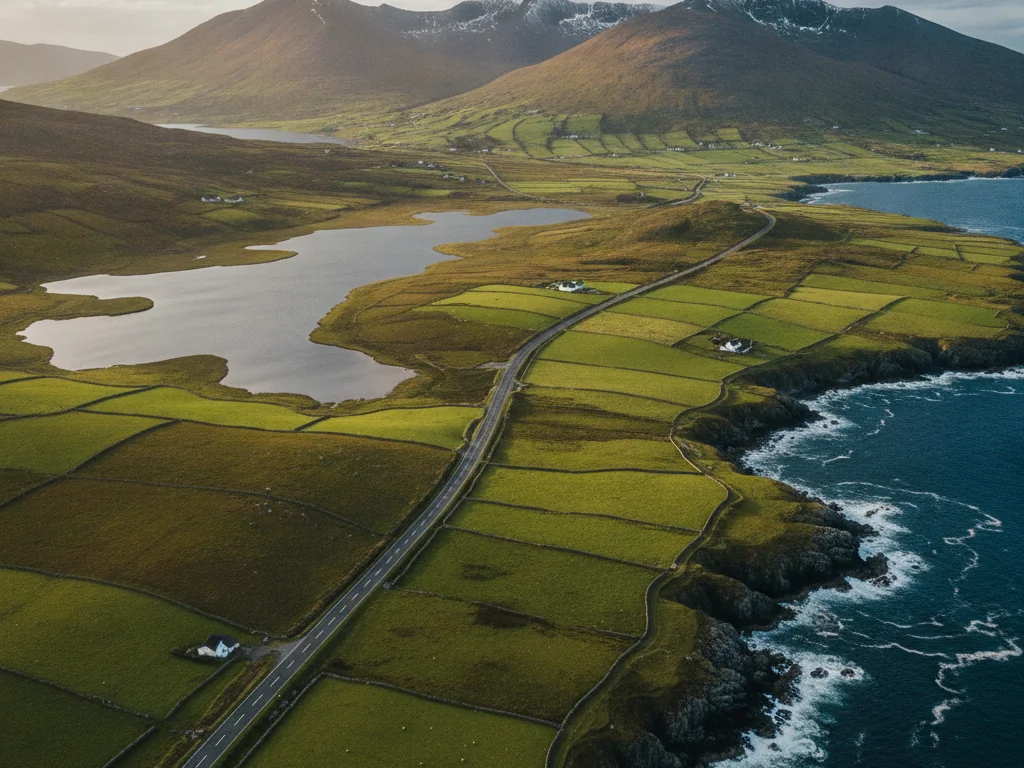
Ireland offers families a captivating blend of ancient castles, dramatic coastlines, and welcoming cities - but school holiday timing means working within fixed dates when most other families are travelling too. The reality of visiting during July, August, Easter, and October half-term brings specific weather patterns and crowd dynamics that shape the family experience. Understanding what each peak period offers helps parents plan realistic itineraries, pack appropriately, and set expectations for children about Ireland's characteristically changeable climate.
| Month | Avg high | Avg low | Rainfall | Rainy days |
|---|---|---|---|---|
| January | 8.3°C | 3.7°C | 68.2 mm | 13.1 |
| February | 8.9°C | 3.8°C | 71.6 mm | 13.5 |
| March | 10.1°C | 4.3°C | 72.7 mm | 13.6 |
| April | 11.7°C | 5.7°C | 56.1 mm | 11.4 |
| May | 14.9°C | 8.6°C | 68.6 mm | 13.0 |
| June | 17.7°C | 11.6°C | 72.3 mm | 13.1 |
| July | 19.4°C | 13.3°C | 75.2 mm | 14.3 |
| August | 18.7°C | 12.9°C | 85.7 mm | 13.5 |
| September | 17.1°C | 11.4°C | 76.1 mm | 11.8 |
| October | 14.1°C | 9.3°C | 89.4 mm | 14.1 |
| November | 10.7°C | 6.3°C | 93.9 mm | 13.6 |
| December | 9.2°C | 4.9°C | 92.3 mm | 15.0 |
The Summer Holidays Reality: July and August Weather
July and August represent the warmest window for visiting Ireland with children, though families accustomed to Mediterranean summers may find the temperatures surprisingly moderate. July brings average highs of 19.4°C and lows of 13.3°C, while August is marginally cooler at 18.7°C and 12.9°C. July sees 75.2 mm of rainfall spread across 14.3 rainy days, making it one of the wetter summer months, whilst August receives 85.7 mm across 13.5 rainy days - the highest monthly rainfall total of any summer period. These figures translate to frequent brief showers rather than prolonged downpours, meaning families should plan for interruptions to outdoor activities rather than complete washouts. Beach days along the Wild Atlantic Way or in coastal towns like Dingle require realistic expectations: children will need wetsuits for swimming, and backup indoor plans become essential. The extended daylight hours - sunset after 22:00 in July - do provide generous time for sightseeing even when rain delays morning plans.
Easter Holiday Considerations
Easter timing varies annually but typically falls within late March or April, presenting cooler and often drier conditions than summer. April averages 11.7°C for highs and 5.7°C for lows, with 56.1 mm of rainfall across 11.4 rainy days - notably fewer wet days than July or August. March is slightly cooler at 10.1°C highs and 4.3°C lows, with 72.7 mm spread across 13.6 rainy days. For families, this means layering becomes critical: mornings exploring Dublin Castle or the Cliffs of Moher can feel brisk, whilst afternoon sunshine may encourage children to shed jackets. The advantage lies in Ireland's spring awakening - lambs in fields, early wildflowers, and landscapes vibrant with fresh green growth that enchants younger visitors. Crowd levels sit between summer peaks and true off-season, offering shorter queues at major attractions like the Guinness Storehouse or Blarney Castle whilst still maintaining full opening hours and tour schedules.

October Half-Term Weather Patterns
October half-term typically falls in the final week of the month, when Ireland transitions toward winter conditions. Average highs reach 14.1°C with lows of 9.3°C, and rainfall increases substantially to 89.4 mm across 14.1 rainy days - among the wettest periods of the year. Families encounter noticeably shorter daylight hours compared to summer, with sunset around 18:00, compressing sightseeing windows. The persistent rainfall and grey skies can challenge parents trying to keep energetic children entertained, making indoor alternatives particularly valuable: interactive museums like EPIC The Irish Emigration Museum, Dublin Zoo's tropical house, or storytelling sessions at public libraries become essential backup plans. Autumn foliage adds visual interest to countryside drives through Killarney National Park or the Wicklow Mountains, though trails may be muddy and require proper waterproof footwear for the entire family. This period suits families who prioritise cultural experiences over outdoor adventures and can embrace cosy pub lunches as part of the holiday rhythm.
Managing Ireland's Cool Climate with Children
Even during peak summer, Ireland's temperatures rarely feel hot by continental standards, creating specific packing and planning considerations for families. Children accustomed to warmer holiday destinations may initially complain about the cool sea breezes or persistent need for long sleeves. Successful trips involve embracing the climate rather than resisting it: scheduling active pursuits like coastal walks, farmyard visits, or cycling the Great Western Greenway during the warmest afternoon hours keeps children comfortable and engaged. Indoor attractions - Bunratty Castle's medieval banquets, hands-on science centres, or glassblowing demonstrations at Waterford Crystal - provide enriching alternatives when weather deteriorates. The key lies in flexible daily planning: holding morning time loosely allows families to pivot toward covered markets, historic homes with guided tours, or cinema visits if heavy rain arrives. Thermal layers, waterproof jackets with hoods, and proper walking shoes become non-negotiable luggage items regardless of which school holiday period families choose. Teaching children to appreciate Ireland's "soft days" of misty drizzle as part of the landscape's character helps shift attitudes from disappointment to curiosity about why the countryside appears so impossibly green.
Navigating Crowds During Peak Periods
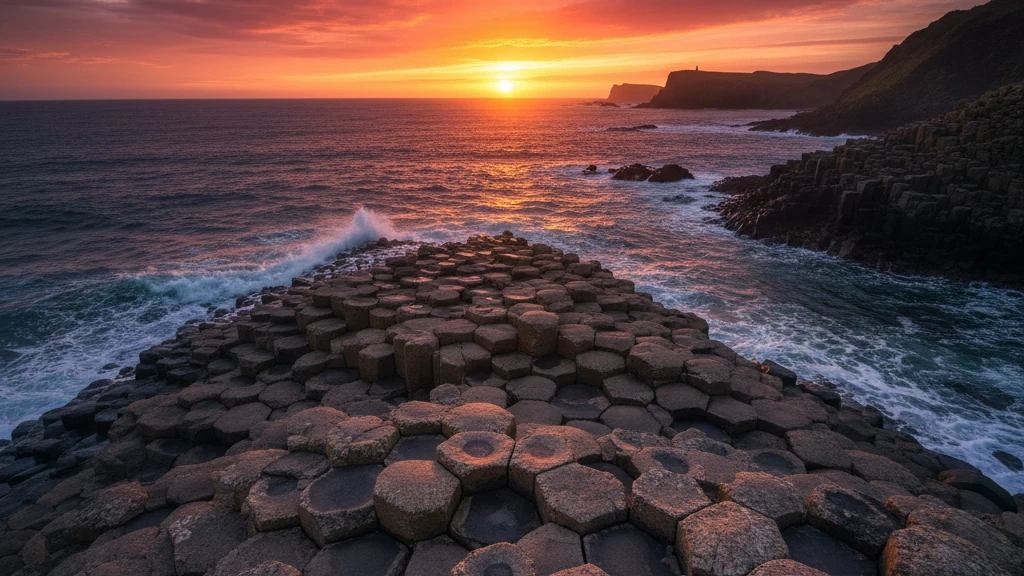
School holiday timing means competing with both domestic Irish families and international tourists for accommodation, restaurant tables, and attraction access. July and August see the heaviest visitor numbers, particularly at UNESCO sites like Newgrange, the Giant's Causeway, and Skellig Michael - where advance booking becomes essential rather than optional. Popular family accommodation in towns like Killarney, Galway, and Westport fills months ahead, and nightly rates reach their annual peak. Strategies for managing crowds include visiting major attractions at opening time before tour buses arrive, choosing lesser-known alternatives with similar appeal - Poulnabrone Dolmen instead of Newgrange, or Inch Beach rather than Inch Strand - and building rest days into itineraries that avoid movement between destinations. Easter and October half-term present moderately better conditions for spontaneous travel, though booking accommodation at least six weeks ahead remains advisable. Families willing to stay in self-catering cottages slightly outside popular towns often find better value and authentic neighbourhood experiences, with the trade-off of needing a rental car for transport. Restaurant reservations for dinner become particularly important in smaller towns where family-friendly establishments may have limited seating.
Booking Strategy for School Holiday Travel
Fixed school holiday dates remove the flexibility of shoulder-season travel, making early booking the primary tool for controlling costs and securing preferred options. Accommodation, rental cars, and popular tours like the Dingle Peninsula boat trips or Connemara pony trekking should be reserved four to six months ahead for July and August, and at least two months ahead for Easter and October. Families who wait until a month before travel will find significantly reduced availability and higher prices across all categories. Package deals bundling flights and accommodation occasionally offer better value than separate bookings, though comparing carefully against independent arrangements remains worthwhile. Travel insurance with cancellation cover becomes particularly valuable when booking far ahead, given the unpredictability of children's health and school schedules. For attractions requiring timed entry - such as the Book of Kells or Kilmainham Gaol - purchasing tickets online before travel eliminates queuing time and guarantees access on preferred days. Some heritage sites offer family passes that reduce per-person costs when visiting multiple locations, making membership in organisations like the Heritage Card programme worth calculating for itineraries including three or more historic properties.
Choosing the Least Challenging Peak Period
When all school holiday periods present compromises, families must weigh weather reliability against crowd levels and daylight hours. Easter emerges as the most balanced option: April's 11.7°C highs and 56.1 mm rainfall across 11.4 rainy days offer the driest conditions of any school holiday period, whilst crowd levels remain below summer intensity. Days are long enough for substantive sightseeing - around 14 hours of daylight - without the extreme compression of October. July provides the warmest temperatures at 19.4°C but comes with 14.3 rainy days and peak tourist numbers. August combines high rainfall at 85.7 mm with persistent crowds, though warm temperatures make coastal and outdoor activities more feasible. October half-term suits culturally-focused families comfortable with indoor-heavy itineraries, but the 89.4 mm rainfall and early darkness challenge active children. Families prioritising beach time and outdoor adventure should target July despite the crowds, whilst those interested in castles, museums, and city exploration will find Easter or even October more manageable. No school holiday period offers ideal conditions - Ireland's climate simply doesn't align with perfect summer weather - but each presents workable scenarios when expectations match reality and backup plans remain ready.
FAQ
What should families pack for visiting Ireland with kids during summer school holidays?
Pack waterproof jackets with hoods, layers including fleeces or light sweaters, long trousers, and closed-toe walking shoes even for July and August. Bring swimwear and wetsuits if planning beach visits, as water temperatures remain cool. Include a compact umbrella, sunscreen for bright intervals, and a small backpack for carrying shed layers during variable weather days.
How can families avoid the worst crowds when travelling to Ireland during school holidays?
Visit major attractions at opening time before tour groups arrive, book timed-entry tickets online in advance, and consider lesser-known alternatives to famous sites. Stay in accommodation outside main tourist towns, schedule popular activities midweek rather than weekends, and build flexibility into daily plans to shift timing based on real-time crowd observations.
Is October half-term too wet and cold for enjoying Ireland with young children?
October brings 89.4 mm of rainfall across 14.1 rainy days with 14.1°C highs, making it one of the wetter periods. Families comfortable with indoor-focused itineraries - museums, castles, storytelling sessions - and possessing proper rain gear can have excellent cultural experiences. However, those hoping for outdoor adventures and beach days will likely find conditions challenging and should consider Easter instead.
Which Irish attractions work best for families during rainy school holiday weather?
Indoor options include EPIC The Irish Emigration Museum, Dublin Zoo's tropical house and reptile house, interactive science centres, Bunratty Castle medieval banquets, Waterford Crystal factory tours, and cinema complexes in larger towns. Many castles offer fascinating interior tours regardless of weather, whilst covered markets like the English Market in Cork provide entertainment and lunch options under shelter.
Weather data: open-meteo (ERA5 reanalysis, 2014-2023 averages). Reviewed and updated periodically.