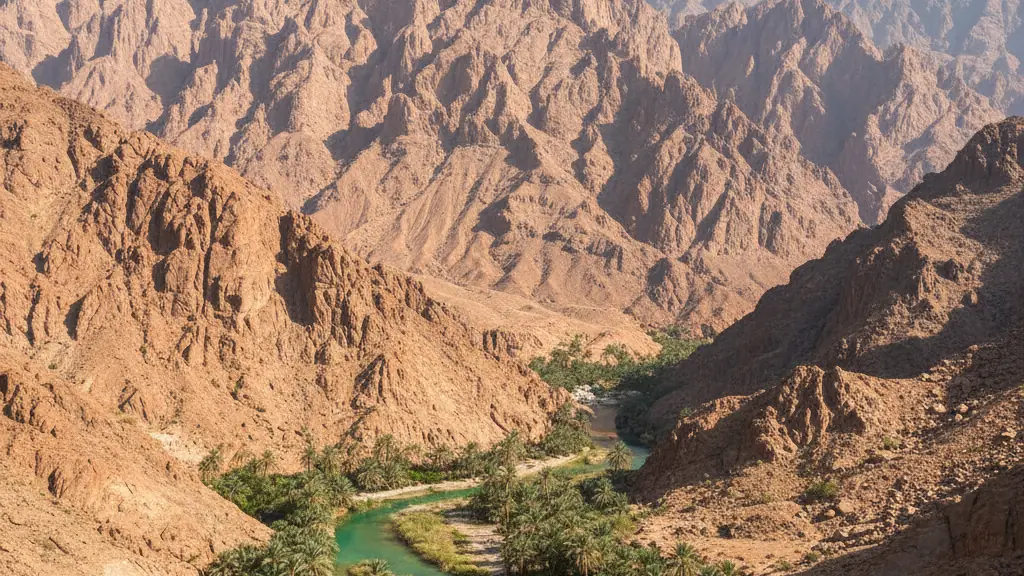
Visiting Jordan with Kids in the School Holidays
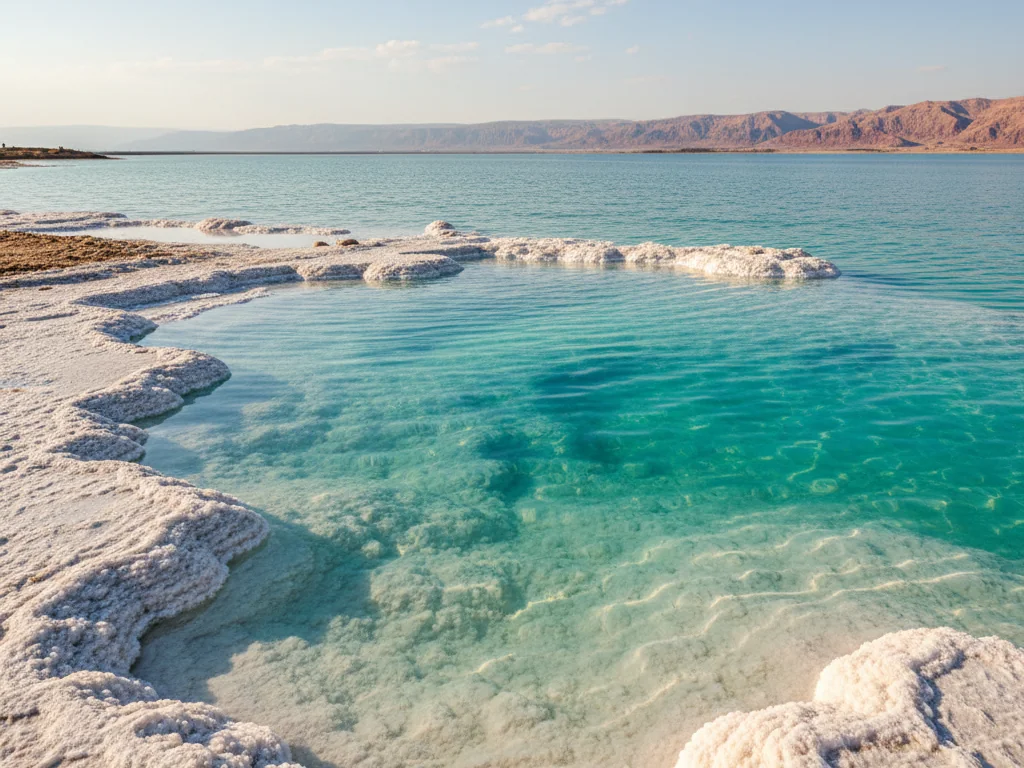
Jordan offers an unforgettable family adventure through ancient Petra, desert landscapes and the Dead Sea, but school holiday timing means navigating peak summer heat, bustling Easter crowds, or the comfortable but compressed October break. Families locked into term-time schedules face distinct challenges in each window - from July and August temperatures that regularly exceed 32°C in Amman to Easter's unpredictable weather and shorter October half-term requiring tighter logistics. Understanding what each peak period brings helps families prepare properly and make the most of Jordan's remarkable sites during the only weeks available to travel together.
| Month | Avg high | Avg low | Rainfall | Rainy days |
|---|---|---|---|---|
| January | 11.2°C | 3.9°C | 67.3 mm | 8.3 |
| February | 13.2°C | 4.7°C | 62.2 mm | 7.8 |
| March | 16.4°C | 7.2°C | 53.4 mm | 7.8 |
| April | 22.1°C | 10.8°C | 18.0 mm | 3.1 |
| May | 26.8°C | 15.1°C | 11.3 mm | 1.8 |
| June | 29.5°C | 17.5°C | 0.8 mm | 0.4 |
| July | 32.0°C | 19.7°C | 0.0 mm | 0.0 |
| August | 32.1°C | 20.0°C | 0.2 mm | 0.0 |
| September | 30.0°C | 18.7°C | 1.8 mm | 0.6 |
| October | 25.3°C | 15.6°C | 13.1 mm | 2.1 |
| November | 18.8°C | 10.3°C | 30.9 mm | 5.7 |
| December | 13.7°C | 6.2°C | 44.4 mm | 6.4 |
Summer Holidays Reality: July and August Heat
The summer school break coincides with Jordan's hottest and driest months, when Amman sees average highs of 32.0°C in July and 32.1°C in August, with overnight lows around 19-20°C offering limited relief. Rainfall is essentially absent - July records zero precipitation and August just 0.2mm across the entire month - meaning bone-dry conditions and relentless sunshine throughout. Petra, Wadi Rum and the Dead Sea experience even more extreme temperatures, with midday heat regularly pushing past 40°C in the desert and southern regions. Families find these conditions physically demanding for children, requiring careful activity timing, aggressive hydration strategies and realistic expectations about how much ground young travellers can cover in a day. The upside to summer travel includes guaranteed sunshine for outdoor activities, no mud or slippery conditions at archaeological sites, and shoulder-season pricing that extends into early July before peak August crowds arrive. July and August in Jordan are hot and dry, best for families who can embrace early starts and midday breaks.
Easter Break: Mild Weather, Maximum Crowds
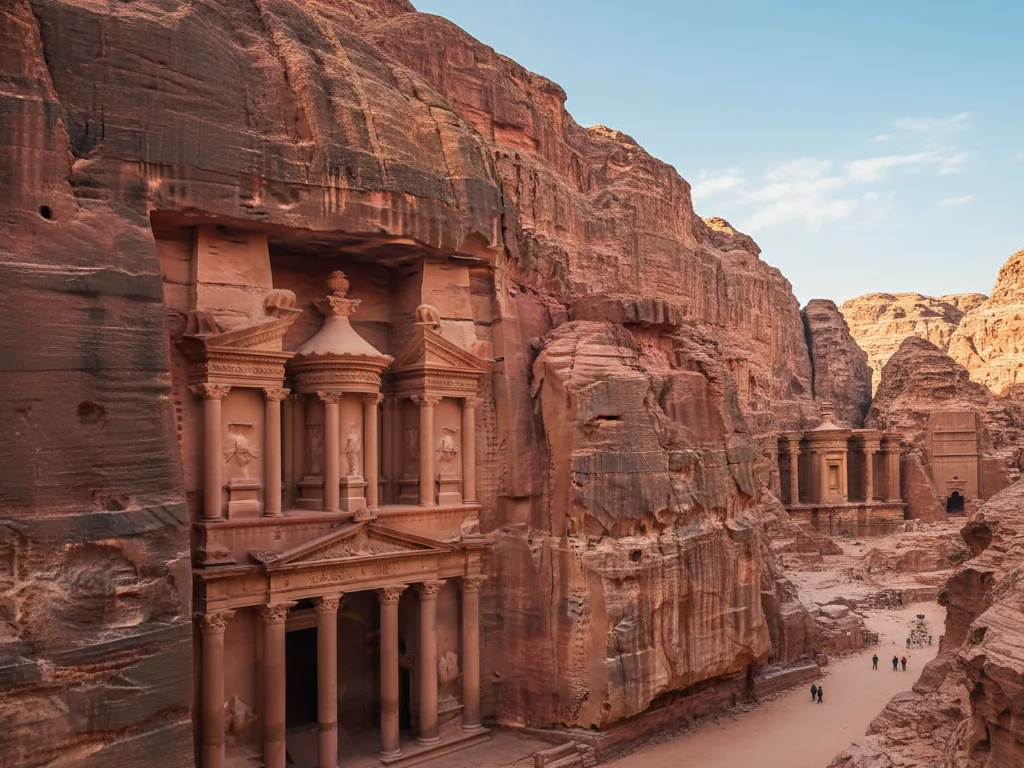
Easter holidays fall across late March and April when Jordan enjoys its most comfortable temperatures - average highs climb from 16.4°C in March to 22.1°C in April, with mild nights around 7-11°C perfect for sleeping. April brings just 18.0mm of rain across roughly three rainy days, meaning mostly dry conditions with occasional spring showers that clear quickly. This pleasant weather makes Easter the most popular time for family tours to Petra and Wadi Rum, resulting in crowded walkways through the Siq, long queues for Treasury photographs, and packed tour buses at every major site. Families experience maximum competition for guides, restaurant tables and prime hotel rooms, though the comfortable temperatures make full-day exploration genuinely feasible for children of all ages. March carries slightly higher rainfall at 53.4mm but fewer tourists, creating a trade-off between weather certainty and elbow room at attractions. Easter in Jordan is mild and crowded, best for families who book accommodation months ahead and can tolerate sharing iconic moments with other visitors.
October Half-Term: The Compressed Option
The October school break offers just one week for most families, forcing tight itineraries that prioritize Petra and perhaps one other destination rather than comprehensive exploration. Weather conditions prove near-ideal, with average highs of 25.3°C in Amman and warm nights at 15.6°C providing comfortable conditions for hiking and outdoor activities. October records just 13.1mm of rainfall across approximately two rainy days, meaning dry weather predominates while temperatures have dropped from summer extremes. Families find this brief window perfectly suited to Jordan's compact geography - Amman, Petra and the Dead Sea form a manageable triangle for a week-long half-term trip without excessive driving. Crowds fall below Easter levels but remain present at major sites, as October attracts independent travelers seeking shoulder-season conditions. The challenge lies in compressed logistics: every day must deliver, flights need precise timing, and there's no buffer for travel delays or children needing rest days. October half-term in Jordan is comfortable and efficient, best for families who plan tightly and accept a focused rather than comprehensive experience.
Managing Extreme Heat with Children
Summer holiday travel demands specific strategies to keep children safe and comfortable in temperatures that define Jordan's July and August climate. Starting major activities before 8am allows families to explore Petra's main trail or hike Wadi Rum before heat becomes dangerous, with most archaeological walking completed by mid-morning. Midday hours from 11am to 4pm belong indoors or in water - hotel pools, the Dead Sea, or air-conditioned museums in Amman provide essential heat refuge when temperatures peak above 35°C. Children require constant hydration beyond what feels intuitive in dry desert air, where sweat evaporates instantly and dehydration symptoms appear suddenly. Lightweight long-sleeved sun shirts, wide-brimmed hats and high-SPF sunscreen become non-negotiable equipment rather than optional extras. Families should reduce daily itinerary ambitions by half compared to spring or autumn trips, accepting that summer heat limits rather than enhances what children can achieve at Jordan's physical sites.
Beating the School Holiday Crowds
Peak holiday periods bring concentrated visitor numbers to Jordan's handful of must-see sites, but several tactics help families avoid the worst congestion. Arriving at Petra when gates open at 6am means walking the Siq in relative solitude before tour groups descend around 9am, giving children space to absorb the Treasury reveal without jostling crowds. Choosing less-famous but equally impressive sites - Little Petra, Umm Qais, or Ajloun Castle - provides genuine exploration away from the Petra-Wadi Rum-Dead Sea circuit where most families concentrate. Overnight camping in Wadi Rum removes families from the day-tripper rush, offering sunset and sunrise desert experiences when casual visitors have departed. Dining at local restaurants away from tourist zones reduces wait times and delivers more authentic experiences than the handful of venues adjacent to major attractions. Early booking remains essential regardless of crowd-avoidance tactics - accommodation at Petra and Wadi Rum sells out months ahead during school holidays, and last-minute families find themselves based farther from sites than ideal.
Booking Strategy for School Holiday Constraints
Families traveling during mandatory school breaks face premium pricing and limited availability that demands advance planning beyond typical vacation preparation. Accommodation at Petra and Wadi Rum requires booking four to six months ahead for Easter and summer holidays, particularly for family rooms and suites that house four or five people comfortably. Flights to Amman see heightened demand during UK and European school holidays, making flexible dates and early purchase critical for reasonable fares. Private guides and drivers book solid during peak periods, forcing families toward group tours or self-driving if arrangements wait too long. Travel insurance becomes particularly valuable for school holiday trips where illness or flight disruption affects expensive pre-paid arrangements that cannot shift dates. Families should prioritize accommodation location over amenities - staying within walking distance of Petra's entrance or inside Wadi Rum protected area saves energy and maximizes time at sites when traveling during hot summer months or compressed October weeks.
Which Peak Holiday Period Hurts Least?
No school holiday window offers ideal conditions for Jordan travel, but Easter and October half-term edge ahead of summer for most families. Easter brings the most comfortable temperatures for extended outdoor exploration, with April's 22.1°C highs and minimal rainfall making full-day Petra visits feasible without heat stress. October offers similarly pleasant weather at 25.3°C with the advantage of fewer tourists than Easter, though the one-week timeframe forces rushed itineraries. July and August deliver the harshest conditions - temperatures exceeding 32°C in Amman and far higher in the south - but reward heat-tolerant families with lower crowds in early July and the dramatic clear skies that define desert summer. Families with very young children or heat-sensitive members should avoid summer entirely, while those with resilient older kids might embrace July's challenges for the trade-off of better availability and pricing. Easter remains the default choice for families seeking the path of least resistance, accepting crowds as the cost of comfortable conditions during a major school break.
FAQ
Is Jordan too hot to visit with young children during the summer school holidays in July and August?
Jordan experiences extreme heat during July and August with temperatures in Amman reaching 32°C and significantly higher in Petra, Wadi Rum and the Dead Sea region where midday conditions often exceed 40°C. Young children can visit safely with strict heat management - starting activities before 8am, taking midday breaks in air conditioning or water, maintaining aggressive hydration, and cutting expected daily activity by half. Families with children under five or those with low heat tolerance should seriously consider Easter or October instead, as summer conditions genuinely limit what young bodies can accomplish safely at Jordan's physically demanding archaeological sites.
How far in advance do I need to book hotels in Petra during Easter school holidays?
Easter represents peak demand for Petra accommodation when family-sized rooms and suites at quality hotels sell out four to six months before arrival. Families booking within three months of Easter typically face limited availability, properties farther from the site entrance, or premium pricing at remaining options. October half-term and summer holidays require three to four months advance booking, while travel during non-holiday periods allows successful planning just weeks ahead. Private guides and Wadi Rum desert camps follow similar booking windows during school holiday periods.
What should I pack differently for visiting Jordan during the hot summer holidays versus the Easter break?
Summer travel in July and August demands serious heat management equipment - lightweight long-sleeved sun protection shirts, wide-brimmed hats with neck coverage, high-SPF sunscreen, insulated water bottles, and cooling towels for children. Easter visits in April require layers for mild daytime temperatures around 22°C and cooler evenings dropping to 11°C, plus a light rain jacket for occasional spring showers. Both periods need proper hiking footwear for Petra's uneven surfaces, modest clothing for religious sites, and swimwear for the Dead Sea. Summer trips should pack double the sun protection supplies that seem adequate, as desert conditions and constant outdoor exposure exceed typical vacation sun exposure.
Can we realistically see Petra, Wadi Rum and the Dead Sea with kids in just one week during October half-term?
A well-planned October half-term itinerary can cover Jordan's essential triangle of Petra, Wadi Rum and the Dead Sea in seven days, though the schedule requires efficiency and acceptance of limited time at each location. A typical compressed itinerary includes two nights in Petra for thorough site exploration, one night camping in Wadi Rum for sunset and sunrise desert experience, and two nights at the Dead Sea for floating and relaxation, with travel days at either end through Amman. October's comfortable 25°C temperatures and minimal rainfall support this pace without heat exhaustion risks. Families should skip secondary sites like Jerash or Madaba during half-term weeks, saving those for longer future trips when time allows proper exploration beyond the must-see highlights.
Weather data: open-meteo (ERA5 reanalysis, 2014-2023 averages). Reviewed and updated periodically.