Visiting Italy with Kids in the School Holidays

Italy ranks among Europe's most rewarding family destinations, but timing a visit around mandatory school breaks requires realistic planning. Peak holiday periods - the summer months of July and August, Easter break in March or April, and October half-term - bring distinct challenges alongside their advantages. Understanding what to expect during these fixed windows helps families make the most of Italy's galleries, ruins, beaches and piazzas when flexibility simply isn't an option.
| Month | Avg high | Avg low | Rainfall | Rainy days |
|---|---|---|---|---|
| January | 12.1°C | 3.9°C | 76.8 mm | 10.4 |
| February | 14.0°C | 5.2°C | 78.6 mm | 9.0 |
| March | 16.1°C | 6.1°C | 85.9 mm | 10.4 |
| April | 19.2°C | 8.9°C | 62.8 mm | 9.5 |
| May | 23.1°C | 13.0°C | 71.6 mm | 11.5 |
| June | 28.8°C | 17.5°C | 41.8 mm | 5.6 |
| July | 32.2°C | 20.7°C | 21.0 mm | 4.6 |
| August | 31.9°C | 20.8°C | 26.8 mm | 4.4 |
| September | 27.0°C | 17.2°C | 81.2 mm | 8.6 |
| October | 22.4°C | 13.5°C | 93.0 mm | 10.4 |
| November | 17.2°C | 9.7°C | 157.8 mm | 13.9 |
| December | 13.6°C | 5.6°C | 93.7 mm | 9.5 |
The Summer Holiday Reality: July and August
July and August deliver peak heat across Italy, with Rome recording average highs of 32.2°C in July and 31.9°C in August. These months are exceptionally dry, with July seeing just 21.0 mm of rainfall across 4.6 rainy days and August recording 26.8 mm over 4.4 days. The combination of intense heat and minimal rain creates challenging conditions for active sightseeing with children. Major attractions in Rome, Florence and Venice experience their heaviest crowds during these months, with queue times extending significantly at popular sites. Coastal areas fill with Italian and European families on their own summer breaks, pushing accommodation prices to their annual peak. The low humidity and guaranteed sunshine do favour beach holidays along the Amalfi Coast, Sicily or Puglia, where families can base themselves near water and take refuge from midday heat. City touring becomes an exercise in early starts, long afternoon breaks and evening revisits to outdoor sites.
Easter: A Cooler Alternative with Variable Weather
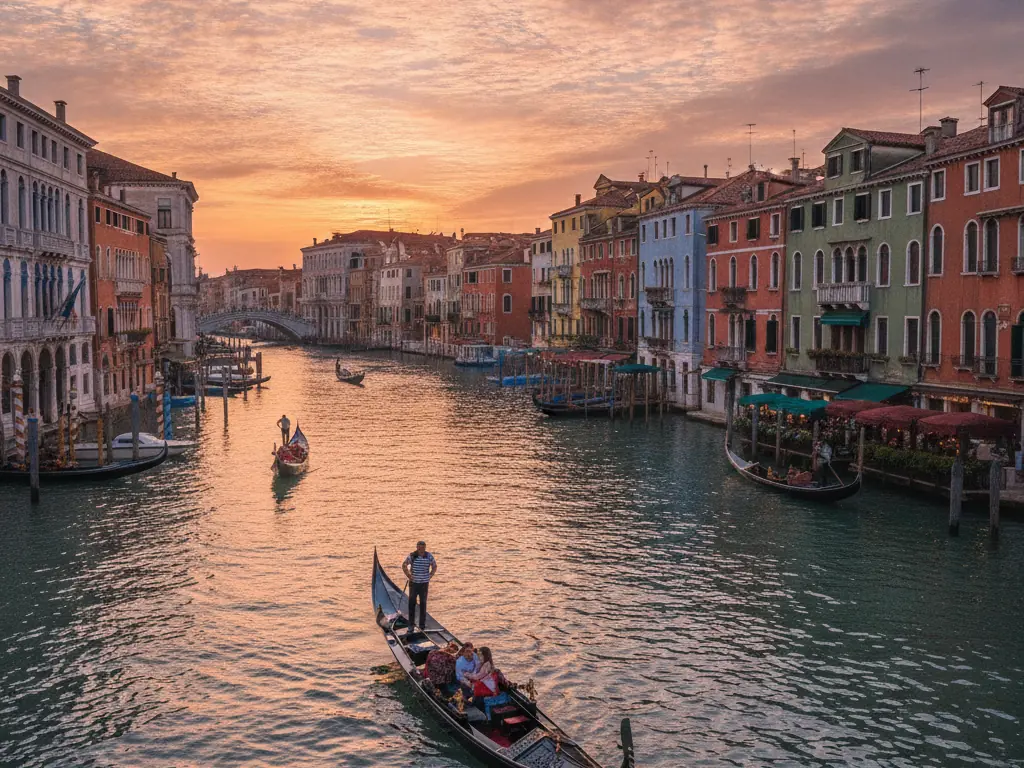
Easter typically falls in late March or April, when Italy experiences milder temperatures ideal for walking and exploration. April brings average highs of 19.2°C and lows of 8.9°C in Rome - comfortable for layered clothing and active days. Rainfall is moderate at 62.8 mm across 9.5 days, meaning families should pack waterproofs but won't face constant downpours. March is slightly cooler (16.1°C highs, 6.1°C lows) with 85.9 mm of rain over 10.4 days. Cities like Rome, Florence and Venice are busy during Holy Week and Easter weekend itself, particularly around major churches and religious sites, but crowds thin considerably in the days either side. The Italian school system typically breaks for just Easter Monday, so international visitors often find better conditions than during domestic holiday peaks. Spring flowers bloom in gardens and countryside locations, and outdoor dining becomes comfortable in sunny afternoon hours. Northern regions including the Italian Lakes may still feel chilly, especially in early mornings and evenings.
October Half-Term: Shoulder Season Sweet Spot
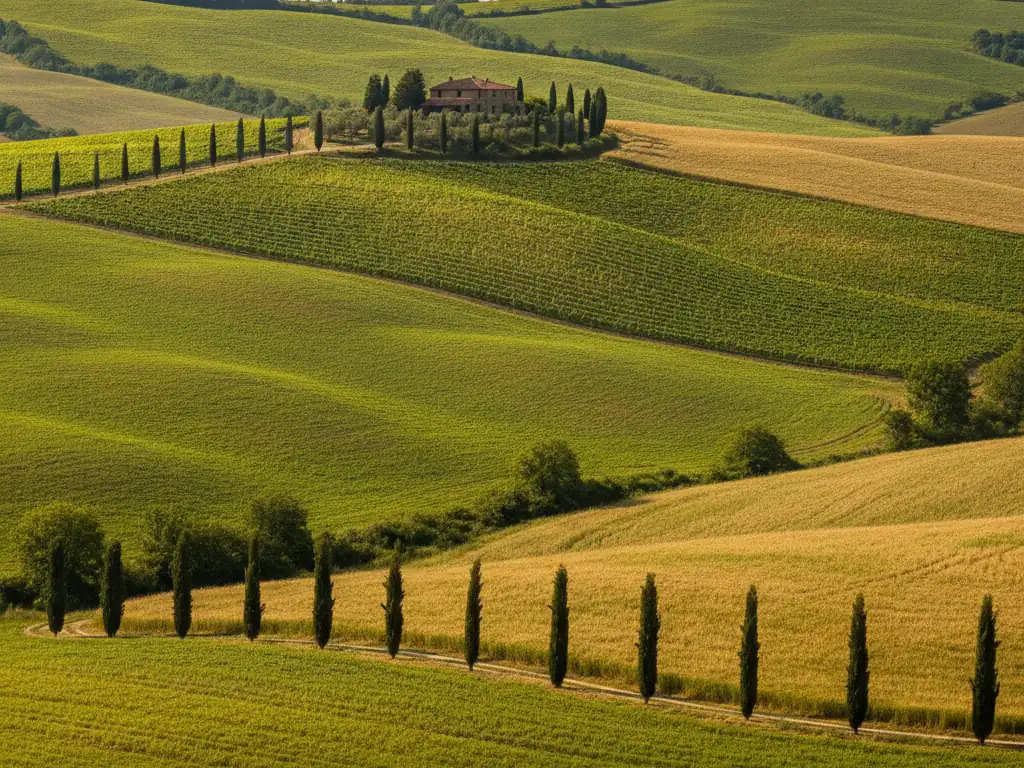
The October half-term break catches Italy in shoulder season, with temperatures cooling to manageable levels. Rome sees average highs of 22.4°C and lows of 13.5°C - warm enough for comfortable touring but without summer's oppressive heat. October is the wettest month in the dataset shown, recording 93.0 mm of rainfall across 10.4 rainy days, so families must prepare for intermittent showers. This week typically sees far fewer visitors than summer, as Italian schools remain in session and most European families have returned to term. Hotels and vacation rentals drop from peak rates, and popular attractions become more manageable for children who tire of long queues. The weather suits city exploration particularly well - museums, galleries and indoor sites offer rainy-day refuge, while sunny spells allow for comfortable outdoor time at ruins, piazzas and parks. Beach destinations begin winding down, with many seasonal facilities closing by late October, but Rome, Florence, Venice and other cultural centres remain fully operational with shorter wait times.
Managing Heat with Young Children
July and August temperatures demand specific strategies when travelling with children. Starting major sightseeing by 09:00 allows families to cover key attractions before midday heat peaks above 30°C. Building a 13:00-17:00 break into each day - whether at accommodation, a park, or a museum with air conditioning - prevents exhaustion and meltdowns. Children need significantly more water than adults estimate in heat above 30°C, so carrying refillable bottles and stopping at public fountains becomes essential. Gelato shops offer legitimate cooling breaks rather than simple treats, and shaded piazzas with fountains provide natural play spaces during hot hours. Lightweight, light-coloured clothing with sun protection and wide-brimmed hats are non-negotiable for young skin. Evening activities extend much later than families might manage at home - Italians fill streets and restaurants until 22:00 or later in summer, and many sites offer extended hours or night openings.
Beating the Crowds at Major Attractions
School holiday periods see significantly increased visitor numbers at Italy's most famous sites. Advance ticket booking becomes essential rather than optional during July, August, Easter week and October half-term - many attractions like the Colosseum, Uffizi Gallery and Vatican Museums sell out days ahead or require hours of queuing without reserved entry. First-entry time slots, available at many sites, grant access before main crowds arrive, though this demands early starts with potentially reluctant children. Mid-afternoon visits occasionally offer relief, as tour groups depart and day-trippers return to hotels. Lesser-known alternatives provide similar experiences without overwhelming crowds - Rome's Borghese Gallery instead of the Vatican, Verona's Roman sites rather than Rome's, or Bologna instead of Florence. Residential neighbourhoods, local markets and parks offer authentic experiences away from tourist concentrations. Building downtime and flexible days into the itinerary prevents the forced-march approach that turns both children and adults against popular attractions.
Booking Strategy for Fixed-Date Travel
School holiday travel demands earlier booking than flexible trips. Accommodation in popular cities and coastal areas requires reservation three to six months ahead for summer holidays and October half-term, and even earlier for Easter if it falls in peak season. Last-minute availability exists but comes with limited choice and premium pricing. Train tickets on major routes become available approximately four months in advance and offer better value when booked early, particularly for high-speed services connecting Rome, Florence, Venice and Milan. Booking directly with hotels or apartment owners sometimes yields better cancellation terms than third-party platforms, valuable flexibility if family illness disrupts plans. Travel insurance with comprehensive cancellation coverage justifies its cost during school breaks when changing dates isn't possible. Attraction tickets with timed entry can be purchased once accommodation is confirmed, typically two to four weeks ahead, though Vatican sites and other premium attractions warrant earlier booking during summer.
Which Peak Month Brings Fewer Headaches?
October half-term generally delivers the most manageable experience for families locked into school calendars. The weather (22.4°C highs) sits in the comfortable range for walking and active touring, unlike July and August's heat above 32°C. Rainfall, while higher than summer at 93.0 mm across 10.4 days, typically arrives in short bursts rather than day-long downpours. Crowds thin considerably compared to summer, queue times drop, and attractions feel less overwhelming for children with shorter attention spans. Easter offers good weather (19.2°C in April) and moderate crowds outside Holy Week itself, but the variable timing means some years bring cooler, wetter conditions if the holiday falls in March. July and August suit beach-focused holidays where families can embrace the heat and dryness (21.0-26.8 mm rainfall), but city touring becomes genuinely difficult for children under sustained temperatures above 30°C. Families unable to travel in October might consider the tail ends of summer holidays - late August or early September - when crowds begin thinning while weather remains warm.
FAQ
What should families pack for visiting Italy during July and August with children?
Pack lightweight, loose-fitting clothes in natural fibres, wide-brimmed hats, high-SPF sunscreen, refillable water bottles, and comfortable walking shoes. Include a small backpack for carrying water and sun protection during daily outings. A portable fan or cooling towels help manage heat for younger children. Light layers for air-conditioned museums and restaurants complete the essentials.
How can families avoid the worst crowds at Italian attractions during school holidays?
Book timed-entry tickets months in advance for major sites like the Colosseum and Vatican Museums. Arrive at opening time or mid-afternoon when tour groups have departed. Consider alternative destinations offering similar experiences - Verona instead of Rome, or Siena instead of Florence. Schedule one or two major attractions per day rather than attempting exhaustive sightseeing.
Is October half-term genuinely better than summer for visiting Italian cities with kids?
October half-term offers cooler temperatures (22.4°C versus 32°C in summer), thinner crowds, and more manageable sightseeing conditions for children. October brings more rainfall at 93.0 mm across 10.4 days compared to July's 21.0 mm, but showers typically arrive in bursts rather than eliminating entire days. Beach destinations wind down, but cultural cities remain fully operational with shorter queues.
What are the biggest challenges of travelling to Italy with children during Easter break?
Easter timing varies annually, sometimes falling in cooler, wetter March rather than milder April. Rome and major pilgrimage sites experience peak crowds during Holy Week and Easter weekend itself. Some businesses and attractions maintain reduced hours or close entirely on Good Friday and Easter Sunday. Booking accommodation well ahead becomes critical if Easter coincides with Italian school breaks, which occasionally happens.
Weather data: open-meteo (ERA5 reanalysis, 2014-2023 averages). Reviewed and updated periodically.