Japan vs Thailand for Families: Which to Pick?
Choosing between Japan and Thailand for a family holiday means weighing two vastly different experiences. Japan offers cherry blossoms, bullet trains, and a safe, orderly environment where even young children can navigate cities with ease. Thailand counters with tropical beaches, affordable luxury, and a laid-back pace that appeals to families seeking sun and sand. Both destinations welcome families warmly, but their climates, costs, and practical realities differ sharply. Understanding when to visit each country - and what your family values most - will guide you to the right choice.
Quick Verdict: Who Should Go Where?
Families who thrive on structure, cultural immersion, and four-season variety will find Japan rewarding. The country excels at predictable transport, spotless facilities, and experiences that blend education with wonder - think temple stays, manga museums, and snow monkeys. Thailand suits families prioritizing beach time, outdoor adventure, and budget flexibility. If your children are happiest building sandcastles, snorkeling in warm shallows, or exploring jungles, Thailand delivers those experiences in abundance and at lower cost. Neither destination is inherently better; they simply serve different family priorities.
Weather Patterns Compared
Japan and Thailand sit in different climate zones, and the contrast shapes every aspect of trip planning. Japan experiences pronounced seasons, with Tokyo recording average highs from 8.8°C in January to 30.9°C in August. Winter demands warm layers and heating, while summer brings heat and substantial rainfall - September sees 209.7 mm of rain across nearly 15 days. Spring and autumn offer the most comfortable weather, with March to May and October to November providing mild temperatures and manageable precipitation, though spring remains wetter than autumn.
| Month | Avg high | Avg low | Rainfall | Rainy days |
|---|---|---|---|---|
| January | 8.8°C | -0.3°C | 57.0 mm | 5.4 |
| February | 9.9°C | 0.5°C | 67.1 mm | 6.9 |
| March | 14.2°C | 4.7°C | 127.7 mm | 11.7 |
| April | 18.3°C | 9.2°C | 130.9 mm | 11.4 |
| May | 23.1°C | 14.5°C | 120.1 mm | 10.7 |
| June | 25.7°C | 18.5°C | 185.5 mm | 15.2 |
| July | 29.5°C | 22.7°C | 190.8 mm | 16.4 |
| August | 30.9°C | 24.0°C | 134.3 mm | 13.8 |
| September | 26.7°C | 20.2°C | 209.7 mm | 14.8 |
| October | 21.2°C | 14.0°C | 202.3 mm | 12.5 |
| November | 16.6°C | 8.3°C | 93.9 mm | 10.0 |
| December | 11.2°C | 2.3°C | 66.9 mm | 7.0 |
Thailand maintains tropical warmth year-round, with Bangkok averaging between 30.6°C and 34.1°C throughout the year. The coolest months from November to February still see highs above 30°C, while the hot season peaks in April at 34.1°C. Thailand's monsoon season runs from May through October, with September receiving 279.7 mm of rain across more than 25 days. The dry season from November to March brings minimal rainfall - December records just 18.9 mm - making it the most reliable window for family beach holidays.
| Month | Avg high | Avg low | Rainfall | Rainy days |
|---|---|---|---|---|
| January | 30.8°C | 21.7°C | 22.7 mm | 3.9 |
| February | 31.9°C | 23.2°C | 28.5 mm | 4.8 |
| March | 33.4°C | 25.7°C | 39.9 mm | 7.1 |
| April | 34.1°C | 26.6°C | 87.7 mm | 12.0 |
| May | 33.7°C | 26.7°C | 141.8 mm | 19.7 |
| June | 32.6°C | 26.2°C | 138.7 mm | 22.3 |
| July | 31.7°C | 25.7°C | 174.8 mm | 24.1 |
| August | 31.4°C | 25.5°C | 185.5 mm | 26.0 |
| September | 31.0°C | 25.0°C | 279.7 mm | 25.6 |
| October | 30.6°C | 24.4°C | 238.1 mm | 22.4 |
| November | 31.2°C | 23.8°C | 71.7 mm | 11.2 |
| December | 30.7°C | 22.3°C | 18.9 mm | 4.2 |
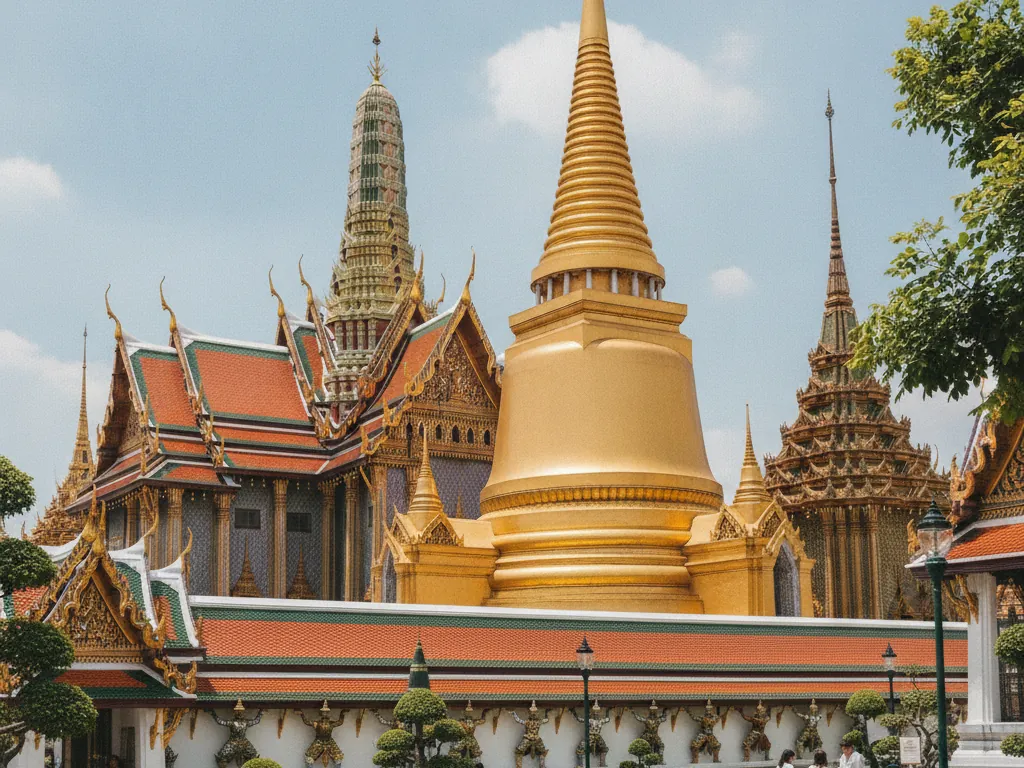
Best Time to Visit Each Country
For Japan, late March through May and October through early November represent ideal family travel windows. Spring combines cherry blossoms with temperatures between 14.2°C and 23.1°C - warm enough for outdoor exploration without the oppressive heat of summer. Autumn brings stunning foliage and similarly pleasant conditions, with October averaging 21.2°C. Both periods do see rain (March records 127.7 mm, October 202.3 mm), so waterproof jackets belong in every family's luggage. Winter appeals to families seeking snow sports or fewer crowds, but shorter days and cold temperatures (January highs of 8.8°C) require careful packing and planning.
Thailand's sweet spot runs from November through February, when rainfall drops dramatically and temperatures remain consistently warm. January and February see fewer than five rainy days per month and rainfall below 30 mm, creating near-perfect beach conditions. March through May grows progressively hotter, with April reaching 34.1°C - challenging for young children during midday hours. The monsoon months from June to October bring heavy afternoon downpours and high humidity, though morning sunshine often allows for early beach visits before rain arrives.
Crowds and Seasonal Costs
Japan's peak tourism seasons align with cherry blossom viewing (late March to early April) and autumn foliage (November). During these windows, popular sites become crowded, accommodation books months ahead, and prices rise across hotels and experiences. Summer school holidays (July-August) also bring domestic tourists, though heat and rain make this period less appealing internationally. Shoulder seasons in May-June and September offer better value and fewer crowds, though weather becomes less predictable. Winter outside holiday weeks sees the lightest tourist traffic and most competitive pricing, particularly attractive for families visiting ski resorts or seeking cultural experiences without queues.
Thailand experiences its busiest period during the cool, dry months from December through February, when European and North American families escape winter. Beach destinations like Phuket and Koh Samui fill rapidly during Christmas and New Year, with advance booking essential. Prices moderate significantly during the hot season (March-May) and drop further during monsoon months, when many resorts offer substantial discounts. Families comfortable with afternoon rain can find exceptional value from June through October, though beach activities require flexible scheduling around weather.
Beaches, Activities and Family Appeal
Thailand's primary draw for families centers on its beaches and islands. The Andaman coast offers limestone cliffs, clear snorkeling waters, and island-hopping adventures, while the Gulf coast provides calmer seas suited to younger swimmers. Beyond beaches, elephant sanctuaries (choosing ethical operators remains crucial), zip-lining through rainforest canopy, and simple pleasures like night markets and Thai cooking classes engage children across age ranges. The country's compact geography allows families to combine beach time with northern cultural experiences in Chiang Mai without excessive travel time.
Japan trades beaches for diversity. While Okinawa offers tropical coastlines, most family itineraries focus on cultural and technological experiences: riding shinkansen bullet trains, exploring castles, visiting TeamLab digital art museums, and hiking accessible mountain trails. Winter brings world-class skiing in Hokkaido and Nagano, with excellent facilities for children learning to ski or snowboard. Japanese cities blend hypermodern and traditional elements that fascinate children - robot restaurants alongside ancient temples, manga shops beside zen gardens. The country's impeccable safety standards and reliable infrastructure reduce parental stress significantly.
Which Family Should Pick Which Destination?
Choose Japan if your family values cultural learning, transportation efficiency, and seasonal variety. Older children studying history or interested in technology will find endless engagement. Families seeking adventure without chaos benefit from Japan's organization and safety, while those with dietary restrictions appreciate clearly labeled ingredients and predictable meal options. The country rewards families willing to invest more for transformative cultural experiences rather than purely relaxation.
Choose Thailand if beach time tops your priority list and budget flexibility matters. Families with young children who need space to run, swim, and play outdoors will find Thai beaches more forgiving than Japanese cities. The lower cost base allows longer stays or higher-quality accommodation for the same budget. Thailand suits families seeking warmth during Northern Hemisphere winters and those who prefer a slower pace with less scheduled activity. The food culture - though spicy - offers enough familiar options (rice, noodles, fresh fruit) that most children adapt quickly.
FAQ
Which country is better for families with toddlers and very young children?
Thailand typically proves easier with toddlers due to its beach-centered activities, relaxed pace, and lower cost base that allows families to afford larger accommodation with space for naps and downtime. Japanese cities require significant walking and train navigation that can exhaust young children, though the country's cleanliness and safety are unmatched. If your toddler needs routine and familiar foods, Japan's convenience stores and predictable infrastructure help; if they need outdoor space and sensory variety, Thailand's beaches and pools win out.
What should families pack differently for Japan versus Thailand in terms of clothing and gear?
For Thailand during the dry season, pack lightweight cotton clothing, reef-safe sunscreen, sun hats, and swimming gear - the tropical heat requires minimal layers. Monsoon season adds quick-dry items and waterproof bags. Japan demands season-specific packing: winter requires insulated jackets, layers, and warm accessories; spring and autumn need versatile pieces including light rain jackets; summer calls for breathable fabrics and sun protection. Japanese accommodation often provides indoor slippers, and removing shoes indoors is customary, so slip-on footwear helps families with children. Both countries benefit from a small first-aid kit, though Japanese pharmacies stock most needs.
How do costs compare for a family of four spending ten days in Japan versus Thailand?
Thailand generally costs substantially less across accommodation, meals, and activities, allowing families to access higher-quality hotels and experiences for a moderate budget. Japanese efficiency and quality come at premium prices, with accommodation, rail passes, and dining representing the largest expenses. Thailand's street food and local restaurants offer delicious, inexpensive meals that children often enjoy; Japan's convenience stores provide affordable options, but sit-down restaurants add up quickly. Both countries offer free or low-cost cultural activities - temples, parks, beaches - that help balance budgets. Families watching spending closely will stretch their budget further in Thailand, while those prioritizing infrastructure and safety may find Japan's higher costs worthwhile.
Can families visit both countries in one trip, and what is the best way to split time between Japan and Thailand?
Combining both countries works well for families with older children and sufficient vacation time, typically requiring at least two to three weeks. The most logical routing dedicates ten to fourteen days to one country and five to seven to the other, avoiding the exhaustion of over-packing destinations. Many families visit Japan for cultural immersion first, then fly to Thailand for beach relaxation afterward - ending the trip with downtime rather than intensive sightseeing. Direct flights connect Tokyo or Osaka to Bangkok in six to seven hours, making the transition manageable. Consider that combining countries increases overall costs and requires more packing versatility for different climates and activities.
Weather data: open-meteo (ERA5 reanalysis, 2014-2023 averages). Reviewed and updated periodically.