Bulgaria vs Albania for Families: Which to Pick?
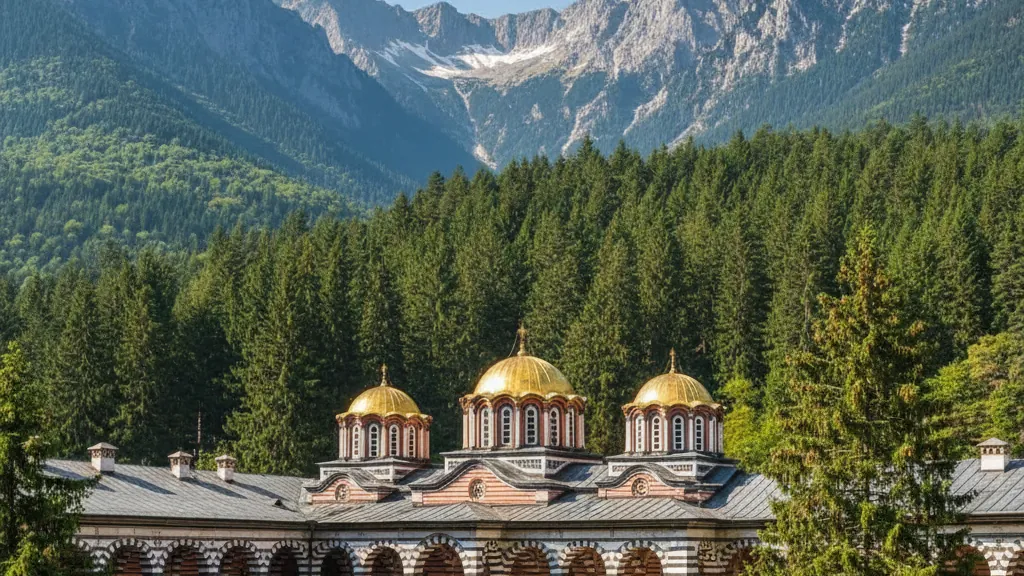
Choosing between Bulgaria and Albania for a family holiday means weighing two distinctly different Balkan experiences. Bulgaria offers cooler mountain landscapes, a gentler climate in summer, and a well-established tourist infrastructure across the Black Sea coast. Albania brings Mediterranean warmth, dramatic beaches along the Ionian and Adriatic coasts, and a sense of undiscovered adventure. Both countries deliver excellent value, rich history, and child-friendly activities, but the climate, crowds, and seasonal rhythms differ enough to steer families in different directions depending on what matters most.
Quick Verdict: Who Should Pick Which?
Families seeking milder summer heat, mountain hiking, and a mix of beach and culture will lean toward Bulgaria. Those craving classic Mediterranean beach weather, dramatic coastal scenery, and a quieter, less developed coastline will find Albania the better fit. Bulgaria suits families who prefer cooler evenings and a well-trodden path with plenty of resort amenities; Albania appeals to adventurous families comfortable with fewer facilities in exchange for pristine beaches and a warmer sea. Budget-conscious travellers will find both countries affordable, though Albania often edges ahead for rock-bottom accommodation and dining costs outside peak weeks.
Weather Compared: Temperature and Rainfall
Bulgaria experiences a continental climate with warm summers and cold winters. In Sofia, July highs reach 27.4°C and August peaks at 28.0°C, while winter temperatures drop sharply - January averages a high of just 4.8°C and a low of -3.3°C. Rainfall is spread fairly evenly across the year, with June seeing 79.2 mm over nearly 13 rainy days, but summer months July and August are drier at 52.0 mm and 36.2 mm respectively. Spring and autumn bring moderate rain, making May particularly wet with 71.4 mm over more than 13 days.
| Month | Avg high | Avg low | Rainfall | Rainy days |
|---|---|---|---|---|
| January | 4.8°C | -3.3°C | 62.4 mm | 8.9 |
| February | 8.7°C | -1.1°C | 37.1 mm | 7.6 |
| March | 11.2°C | 1.1°C | 72.2 mm | 12.0 |
| April | 16.1°C | 5.3°C | 67.1 mm | 11.2 |
| May | 20.5°C | 10.2°C | 71.4 mm | 13.6 |
| June | 24.2°C | 14.3°C | 79.2 mm | 12.7 |
| July | 27.4°C | 16.6°C | 52.0 mm | 7.2 |
| August | 28.0°C | 16.7°C | 36.2 mm | 6.1 |
| September | 23.6°C | 12.8°C | 41.1 mm | 6.1 |
| October | 17.8°C | 7.6°C | 59.6 mm | 7.2 |
| November | 11.7°C | 3.5°C | 59.5 mm | 9.4 |
| December | 6.5°C | -0.9°C | 53.7 mm | 9.1 |
Albania, by contrast, enjoys a Mediterranean climate with hotter summers and milder winters. Tirana records July highs of 31.1°C and August highs of 31.4°C - noticeably warmer than Bulgaria. Winter remains relatively mild: January highs average 11.0°C with lows around 2.7°C. Rainfall patterns differ sharply, with heavy winter precipitation - January brings 165.2 mm over more than 12 rainy days, and November sees a soaking 188.6 mm over 11 days. Summer is much drier, with July recording only 34.1 mm over fewer than 5 rainy days and August just 29.8 mm, making beach plans far more reliable during school holidays.
| Month | Avg high | Avg low | Rainfall | Rainy days |
|---|---|---|---|---|
| January | 11.0°C | 2.7°C | 165.2 mm | 12.4 |
| February | 13.4°C | 4.4°C | 115.0 mm | 10.2 |
| March | 15.6°C | 5.8°C | 129.4 mm | 11.6 |
| April | 18.8°C | 8.9°C | 119.5 mm | 11.9 |
| May | 22.8°C | 13.1°C | 117.9 mm | 13.0 |
| June | 27.6°C | 17.5°C | 69.6 mm | 7.9 |
| July | 31.1°C | 20.2°C | 34.1 mm | 4.9 |
| August | 31.4°C | 20.3°C | 29.8 mm | 5.4 |
| September | 26.6°C | 16.9°C | 108.7 mm | 8.6 |
| October | 22.1°C | 12.8°C | 123.2 mm | 9.0 |
| November | 17.5°C | 9.2°C | 188.6 mm | 11.1 |
| December | 13.0°C | 4.7°C | 136.9 mm | 10.3 |
Best Time to Visit Bulgaria for Families
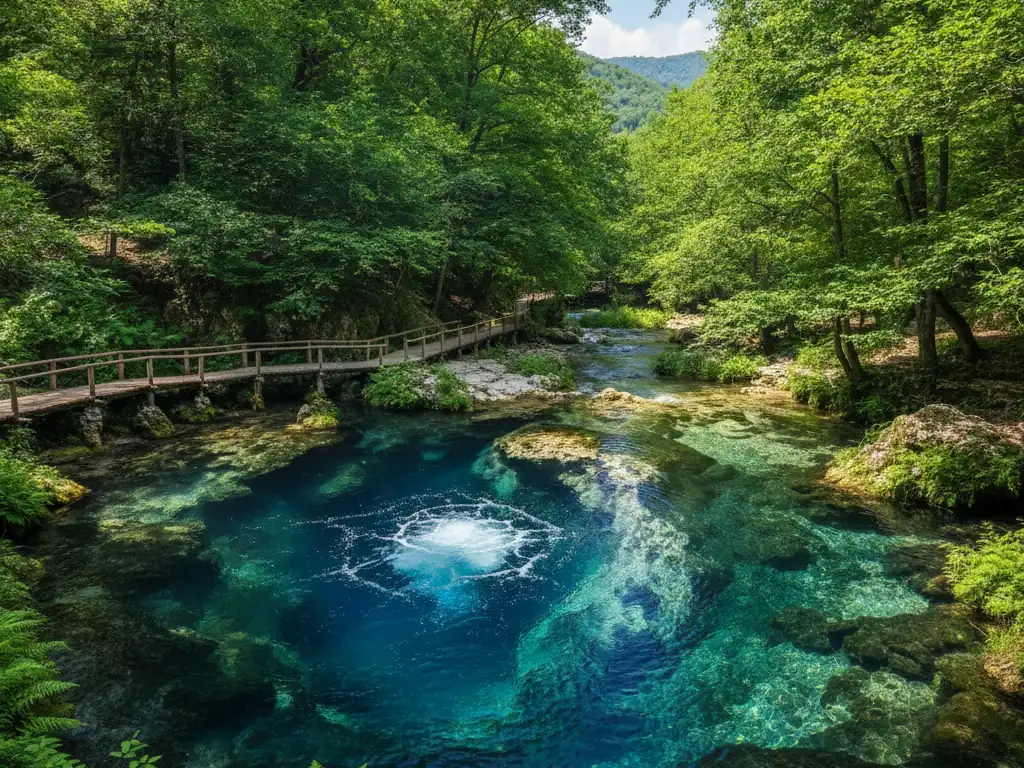
For beach holidays on Bulgaria's Black Sea coast, late June through August offers the warmest sea temperatures and longest sunshine hours, though July and August bring peak crowds to resorts like Sunny Beach and Golden Sands. Families wanting quieter beaches and pleasant weather should target early June or September, when temperatures remain comfortable in the low-to-mid twenties but resorts empty out after school returns. Mountain regions such as the Rila and Pirin ranges are ideal for hiking from late May through September, with wildflowers peaking in June and cooler air at altitude providing relief from lowland heat. Winter skiing runs from December through March, with January and February offering the most reliable snow cover but also the coldest temperatures.
Best Time to Visit Albania for Families
Albania's summer season is the clear winner for beach-focused families, with July and August delivering hot, dry days perfect for swimming and coastal exploration. The Ionian coast near Saranda and the Albanian Riviera enjoy calm seas and minimal rainfall during these months, though temperatures can feel intense for very young children during midday hours. June and September serve as excellent shoulder months, offering high-twenties warmth with fewer tourists and lower accommodation costs - though September sees a noticeable uptick in rainfall compared to the bone-dry summer. Spring visits from April through May bring lush landscapes and comfortable temperatures for sightseeing in Berat or Gjirokastër, but pack rain gear as showers remain frequent. Winter is mild enough for city exploration but too wet and cool for beach activities.
Crowds and Cost: When to Save Money
Both countries operate on a pronounced seasonal tourism model. Bulgaria sees its coastal resorts fill rapidly from late June onward, with August representing the absolute peak when Bulgarian and international families converge on the Black Sea. Prices rise accordingly, and advance booking becomes essential for family-friendly hotels. September offers a sweet spot: still-warm seas, emptying beaches, and noticeably lower rates. Albania's peak season compresses into July and August along the coast, with the Albanian Riviera and Saranda beaches packed with European visitors seeking undiscovered Mediterranean escapes. Shoulder season pricing in June and September can deliver significant savings, while May and October offer the lowest rates but less reliable beach weather - especially in Albania where autumn rains return with force.
Beaches and Activities for Kids
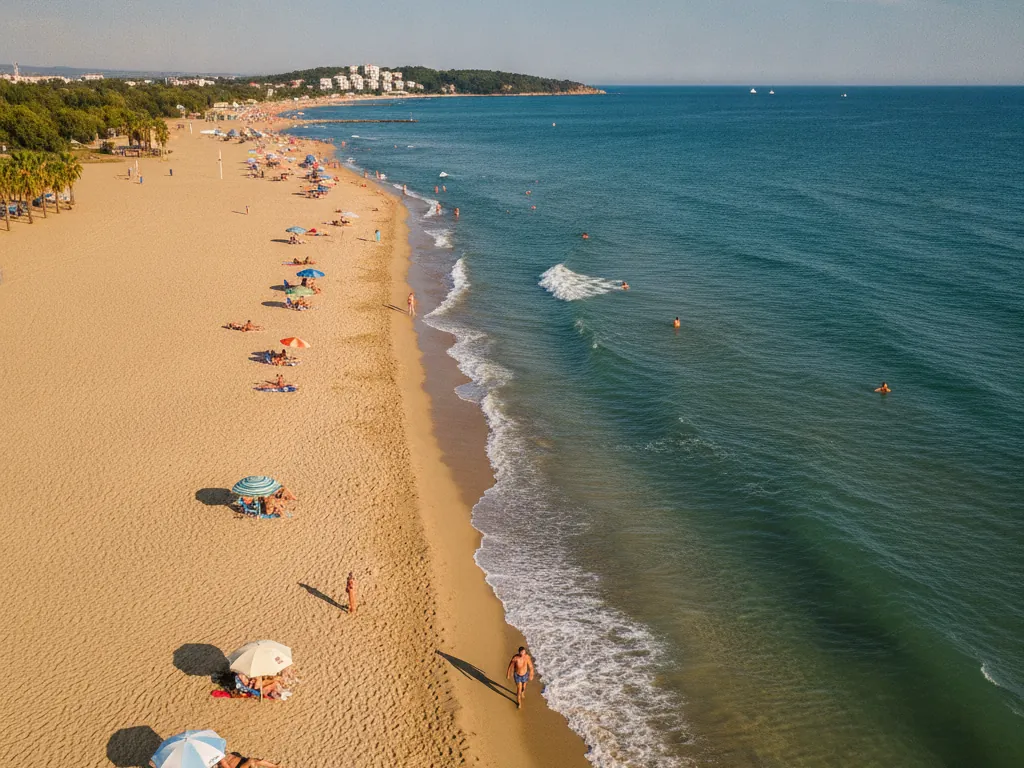
Bulgaria's Black Sea coast provides long, sandy beaches ideal for sandcastle builders, with shallow entry points at family resorts and plenty of waterslide parks and beach clubs to keep children entertained. Beyond the beach, families can explore the ancient town of Nesebăr, visit the Aquapolis water park near Nessebar, or take day trips to Varna's dolphinarium and Sea Garden. The cooler mountain regions offer chairlift rides, easy forest trails, and the stunning Rila Monastery - though altitude and cooler temperatures mean packing layers even in summer.
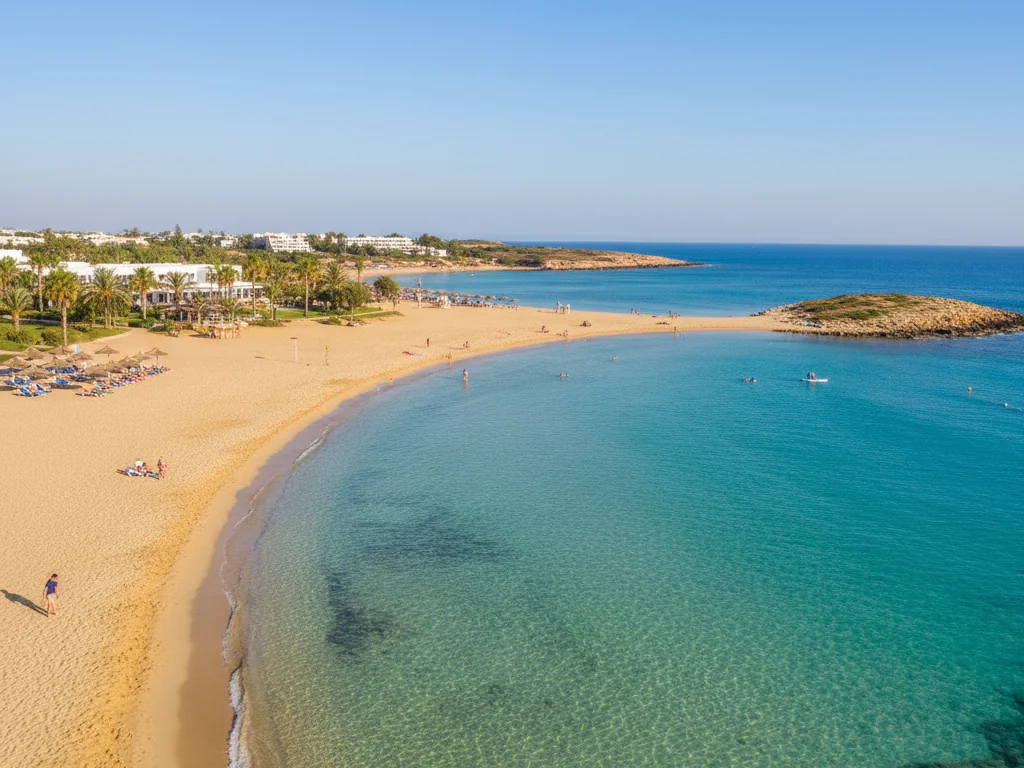
Albania delivers more dramatic coastal scenery with pebbly coves, turquoise water, and fewer commercial attractions - a trade-off that appeals to families seeking natural beauty over theme parks. The beaches near Ksamil offer Caribbean-quality water and small islands children can wade to at low tide, while Dhermi and Himara provide a mix of sand and pebble beaches backed by rugged mountains. Cultural activities include exploring the UNESCO-listed stone towns of Berat and Gjirokastër, visiting Butrint's ancient ruins near Saranda, or taking boat trips along the coast. The infrastructure is improving rapidly but remains less polished than Bulgaria's, so families should expect simpler facilities and fewer English speakers outside main tourist zones.
Which Family Should Pick Which Country?
Families with young children who prioritise convenience, gentle beaches, and resort amenities will find Bulgaria the safer bet. The established tourism infrastructure means English-speaking staff, familiar food options, and easy access to medical facilities if needed. Cooler summer temperatures make all-day outdoor play more comfortable for toddlers and primary-age children, and the mix of beach, mountains, and cultural sites allows for varied itineraries. Families traveling in late August or September benefit from Bulgaria's stable weather as Albanian rainfall begins to return.
Adventurous families with older children or teenagers who crave striking natural beauty and a sense of discovery will gravitate toward Albania. The dramatic coastline, crystal-clear water, and relative lack of crowds create a more exploratory holiday atmosphere. Families comfortable with basic accommodation, limited English, and fewer structured activities will be rewarded with authentic experiences and remarkable value. Those visiting in July or early August benefit most from Albania's reliably dry, hot weather - the country's climate sweet spot when Bulgaria feels cooler by comparison. For winter skiing or mountain hiking outside summer, Bulgaria offers far more developed infrastructure and reliable conditions.
FAQ
Is Bulgaria or Albania better for a beach holiday with young children in July?
Albania offers hotter, drier weather in July with highs of 31.1°C and only 34.1 mm of rain, compared to Bulgaria's 27.4°C and 52.0 mm. However, Bulgaria's Black Sea coast has gentler, sandier beaches with shallow water and more child-focused resort facilities, while Albania's beaches are often pebbly with deeper entry points. For very young children, Bulgaria's infrastructure and milder heat may outweigh Albania's superior climate and clearer water.
Which country has better weather for families visiting in September?
Bulgaria maintains more stable conditions in September, with average highs of 23.6°C and only 41.1 mm of rainfall over about 6 rainy days. Albania remains warmer at 26.6°C but sees significantly more rain - 108.7 mm over nearly 9 rainy days - as Mediterranean autumn storms arrive. Families seeking reliable beach weather should favour Bulgaria in September, though Albania's temperatures stay more comfortable for sightseeing if showers can be tolerated.
Can we visit both Bulgaria and Albania for winter skiing and sightseeing?
Bulgaria serves as the clear winter destination, offering developed ski resorts in Bansko, Borovets, and Pamporovo with reliable snow from December through March. January temperatures in Sofia average 4.8°C highs and -3.3°C lows, perfect for snow sports. Albania's milder winter - January highs around 11.0°C - rules out skiing, though cities like Tirana, Berat, and Gjirokastër remain accessible for cultural touring despite heavy rainfall exceeding 165 mm in January. Families wanting winter sports should choose Bulgaria exclusively.
Which country offers better value for families on a tight budget during peak summer season?
Both countries deliver excellent value compared to Western Europe, but Albania typically undercuts Bulgaria for accommodation and dining during July and August peak weeks. Bulgaria's more developed tourism infrastructure means higher baseline costs at family resorts, though all-inclusive packages can offer good value. Albania's simpler guesthouses and family-run tavernas provide rock-bottom prices, but families should weigh savings against fewer amenities, limited English, and less polished facilities - trade-offs that matter more with young children in tow.
Weather data: open-meteo (ERA5 reanalysis, 2014-2023 averages). Reviewed and updated periodically.