Maldives vs Mauritius for Families: Which to Pick?
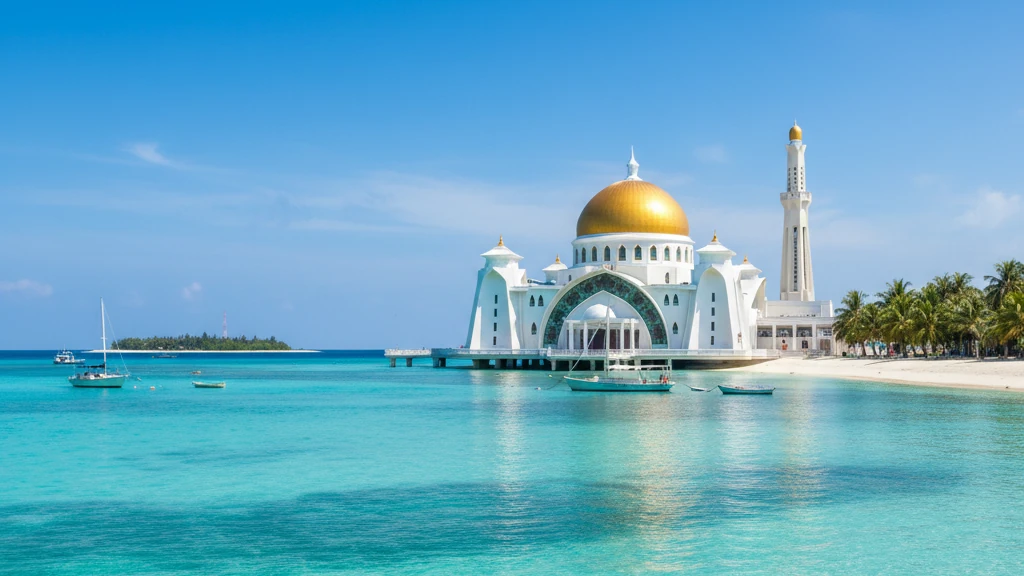
Choosing between the Maldives and Mauritius for a family holiday often comes down to what matters most: the Maldives delivers unparalleled overwater luxury and year-round warmth, while Mauritius offers diverse terrain, easier access, and a wider range of family activities beyond the beach. Both Indian Ocean destinations promise white sand and turquoise water, but their climates, crowds, and suitability for different family styles differ significantly. This comparison uses long-term climate data to help families decide which tropical paradise fits their travel calendar and priorities.
Quick Verdict: Who Should Pick Which?
Families seeking an exclusive, resort-focused escape with toddlers or young children who thrive in consistent heat will find the Maldives ideal between January and April. The Maldives in its dry season is reliably hot and sunny, with average high temperatures around 27.7°C to 29.0°C and minimal rainfall. Mauritius suits families with older children or teens who want variety - hiking, wildlife parks, cultural sites - alongside beach time. May through September in Mauritius brings cooler, drier weather (average highs from 25.0°C to 27.2°C), perfect for active days without overwhelming heat. Budget-conscious families often find Mauritius more accessible, with self-catering villas and shorter flights from Europe and Africa.

Weather Compared: Two Tropical Climates, Different Rhythms
The Maldives sits close to the equator, delivering steady warmth throughout the year with average high temperatures between 27.7°C and 29.0°C and lows from 26.1°C to 27.3°C. This narrow temperature range means families never face a cool spell, but the trade-off is a pronounced wet season. Rainfall peaks sharply in May at 259.3 mm over 24.8 days, with elevated precipitation continuing through November (257.1 mm over 22.1 days) and December (219.8 mm over 20.5 days). The driest window spans January to April, with February particularly favourable at just 38.5 mm across 8.1 rainy days.
| Month | Avg high | Avg low | Rainfall | Rainy days |
|---|---|---|---|---|
| January | 27.7°C | 26.5°C | 63.8 mm | 9.4 |
| February | 28.0°C | 26.7°C | 38.5 mm | 8.1 |
| March | 28.5°C | 27.0°C | 74.4 mm | 11.7 |
| April | 29.0°C | 27.3°C | 103.5 mm | 15.3 |
| May | 28.9°C | 27.0°C | 259.3 mm | 24.8 |
| June | 28.7°C | 27.1°C | 91.5 mm | 14.4 |
| July | 28.4°C | 26.7°C | 160.3 mm | 17.4 |
| August | 28.3°C | 26.7°C | 162.5 mm | 16.9 |
| September | 28.1°C | 26.3°C | 202.4 mm | 19.6 |
| October | 28.1°C | 26.3°C | 223.6 mm | 21.4 |
| November | 27.9°C | 26.1°C | 257.1 mm | 22.1 |
| December | 27.9°C | 26.2°C | 219.8 mm | 20.5 |
Mauritius experiences more seasonal variation. Summer months (December through March) are hot and humid, with average highs around 29.4°C to 29.6°C and considerable rainfall - January records 227.3 mm over 23.2 rainy days. The island's cooler, drier winter (May to September) sees daytime highs drop to 25.0°C to 27.6°C and nighttime lows between 19.9°C and 22.3°C. June and September are particularly dry, with June receiving only 26.2 mm over 6.8 rainy days and September just 23.2 mm across 7.3 days. This cooler spell is comfortable rather than cold, and families will find it ideal for exploring beyond the beach.
| Month | Avg high | Avg low | Rainfall | Rainy days |
|---|---|---|---|---|
| January | 29.4°C | 24.8°C | 227.3 mm | 23.2 |
| February | 29.4°C | 24.8°C | 157.5 mm | 22.0 |
| March | 29.4°C | 24.8°C | 144.6 mm | 21.2 |
| April | 28.6°C | 24.0°C | 89.7 mm | 17.8 |
| May | 27.2°C | 22.3°C | 48.9 mm | 10.7 |
| June | 25.6°C | 20.9°C | 26.2 mm | 6.8 |
| July | 25.0°C | 20.1°C | 31.0 mm | 9.7 |
| August | 25.3°C | 19.9°C | 31.5 mm | 8.2 |
| September | 26.0°C | 20.2°C | 23.2 mm | 7.3 |
| October | 27.6°C | 21.4°C | 42.5 mm | 9.6 |
| November | 28.8°C | 22.6°C | 50.6 mm | 13.5 |
| December | 29.6°C | 24.1°C | 121.6 mm | 19.4 |
Best Time to Visit Each: Matching Weather to Family Needs
For the Maldives, the prime family window runs January through early April. February stands out with the lowest rainfall (38.5 mm), warmest temperatures (28.0°C high, 26.7°C low), and fewest rainy days (8.1). March and early April remain excellent, though April sees rainfall begin to climb (103.5 mm over 15.3 days). Families should avoid May through November when frequent afternoon storms disrupt beach plans and boat transfers to resort islands become less predictable. December marks a transitional month - still wet (219.8 mm over 20.5 days) but improving as the dry season approaches.
Mauritius offers two family-friendly windows. The cooler dry season from May to October suits active families comfortable with light layers in the evening. June, July, August and September combine low rainfall (26.2 mm to 31.5 mm) with daytime temperatures between 25.0°C and 27.6°C - excellent for hiking, cycling and exploring nature reserves without overheating young children. Families who prefer classic beach weather should target late September through November or the shoulder period of late April and May, when temperatures warm up but rainfall remains moderate. December through March is the cyclone season, with January particularly wet (227.3 mm over 23.2 days) and February and March still recording over 144 mm monthly.
Crowds and Costs: Peak Season Trade-offs
Both destinations see peak demand during their respective dry seasons, when families on school holidays compete for limited resort inventory. The Maldives experiences its busiest period from late December through Easter, coinciding with Northern Hemisphere winter breaks and its optimal weather window. Expect resorts to reach capacity and require early booking, particularly those with family villas and kids' clubs. Shoulder and low season months offer quieter experiences and better availability, though the wet season trade-off means afternoon rain and occasional rough seas.
Mauritius follows a similar pattern, with European summer holidays (July and August) and Christmas through January driving peak occupancy despite the latter coinciding with the wet season. The island's winter months (June through September) attract families escaping Northern Hemisphere summer for mild, dry days, though this period also draws honeymooners and retirees. Shoulder seasons in late April to May and October to early November present opportunities for reduced crowds while weather remains generally favourable, particularly in May when rainfall drops sharply to 48.9 mm after the wet summer.
Beaches and Activities: What Families Actually Do
The Maldives centres almost entirely on water-based activities and resort amenities. Families spend days snorkelling off house reefs where visibility peaks during the dry months (January to April), swimming in shallow lagoons safe for young children, and enjoying resort pools and kids' clubs. Island-hopping excursions, dolphin watching and sandbank picnics are popular, though rough seas during the wet season can limit boat trips. The consistent warmth (water temperatures around 28°C to 30°C year-round) means children can spend hours in the water without chilling, and the compact resort islands keep young ones safely contained.
Mauritius provides broader variety beyond the beach. Families can visit Casela Nature Park, explore the Seven Coloured Earths at Chamarel, hike through Black River Gorges, or take catamaran trips to nearby islands. The cooler winter months (May to September, with highs from 25.0°C to 27.6°C) make inland activities comfortable, while the protected lagoons on the west and north coasts remain swimmable even when southeast trade winds affect the east coast. Port Louis markets, botanical gardens and historical sites offer cultural enrichment that older children appreciate. Self-catering accommodation allows families to manage meal times and budgets more flexibly than all-inclusive Maldives resorts.
Which Family Should Pick Which?
Choose the Maldives if your family values simplicity, luxury and dedicated beach time. Families with children under eight who need contained, safe environments thrive on private resort islands where the only decision is which infinity pool to visit. The narrow temperature range (27.7°C to 29.0°C highs year-round) suits those uncomfortable with cool evenings, and the dry season from January to April delivers reliably sunny days. Maldives suits families willing to invest in a premium experience where everything is on-site and no car rental or navigation is required.
Choose Mauritius if your family includes older children or teens who need variety, if budget flexibility matters, or if you prefer exploring independently. The island's cooler winter (June highs of 25.6°C, lows of 20.9°C) appeals to families who overheat easily or want active holiday options. Mauritius works well for multi-generational trips where different ages want different activities, and for families who enjoy self-catering apartments and local restaurants over all-inclusive resort dining. The cultural diversity, accessible wildlife experiences and developed infrastructure make Mauritius less isolating than a single Maldives resort island.
Practical Packing: Temperature and Season Considerations
For the Maldives, packing remains consistent regardless of season: lightweight cotton clothing, reef-safe sunscreen, and swimwear dominate the suitcase. Even during the wet season (May through November, when rainfall exceeds 160 mm monthly), temperatures stay warm (lows from 26.1°C to 27.3°C), so families need only light rain jackets or cover-ups rather than proper wet-weather gear. Evening temperatures rarely require more than a cotton cardigan, and children can wear sandals exclusively. The dry season (January to April, particularly February with only 38.5 mm rainfall) needs even less - sun protection becomes the main concern.
Mauritius requires more seasonal thought. Summer visits (December through March, with highs around 29.4°C) need similar tropical packing to the Maldives, plus proper rain gear for sudden downpours - January sees 227.3 mm across 23.2 rainy days. Winter travel (May through September) demands light layers: temperatures drop to 19.9°C at night in August, and daytime highs reach only 25.0°C to 27.2°C. Families should pack long trousers, light jackets for evening, and closed shoes for hiking. The dry winter months (June with just 26.2 mm, September with 23.2 mm) make waterproofs less essential than sun hats and comfortable walking shoes for inland exploration.
FAQ
Which destination is better for a family holiday during European summer holidays in July and August?
Mauritius is the better choice for European summer holidays. During July and August, Mauritius experiences its cool, dry winter with average highs of 25.0°C to 25.3°C, lows around 19.9°C to 20.1°C, and minimal rainfall (31.0 mm to 31.5 mm monthly). This is Mauritius's peak season, offering comfortable weather for both beach activities and inland exploration. The Maldives in July and August remains hot (28.3°C to 28.4°C highs) but sits in the wet season, with 160.3 mm to 162.5 mm of rainfall over approximately 17 rainy days each month, leading to frequent afternoon storms that can disrupt boat transfers and outdoor activities.
When is the absolute best month to visit the Maldives with young children who need consistent sunny weather?
February is the optimal month for families with young children visiting the Maldives. It records the lowest rainfall of any month at just 38.5 mm across 8.1 rainy days, while maintaining warm, stable temperatures with an average high of 28.0°C and low of 26.7°C. This combination delivers maximum sunshine for beach days, calm seas for snorkelling and boat trips, and minimal disruption from afternoon storms. March (74.4 mm rainfall) and January (63.8 mm) are also excellent, but February's exceptionally dry conditions make it the most reliable choice for families who cannot afford weather disruptions.
Is Mauritius too cold for beach holidays with toddlers during the winter months of June, July and August?
Mauritius during winter is not too cold for beach holidays, but families should adjust expectations. June through August sees daytime highs from 25.0°C to 26.0°C and nighttime lows from 19.9°C to 20.9°C - comfortable for most families, though cooler than classic tropical heat. Toddlers can swim in the protected lagoons on the west coast, especially during midday when temperatures peak, but may need light cover-ups after coming out of the water. The trade-off is exceptional weather stability: June records only 26.2 mm of rain over 6.8 days, and August just 31.5 mm over 8.2 days. Families prioritising dry, predictable weather for beach days will find the mild temperatures manageable with appropriate clothing.
Which destination is more affordable for families trying to avoid peak season prices but still get decent weather?
Mauritius in May or October offers the best shoulder-season value with favourable weather. May sees temperatures moderate to a comfortable 27.2°C high and 22.3°C low, with rainfall dropping sharply to 48.9 mm over just 10.7 days as the wet season ends. October warms to 27.6°C highs with 42.5 mm rainfall over 9.6 days, sitting between the cool dry winter and the hot wet summer. Both months fall outside peak European holiday periods and the December-January rush, typically offering better availability and rates. In the Maldives, shoulder months (late April or early December) still carry relatively high prices due to limited accommodation inventory and strong year-round demand, making Mauritius the more budget-friendly option for families seeking value without sacrificing weather quality.
Weather data: open-meteo (ERA5 reanalysis, 2014-2023 averages). Reviewed and updated periodically.