What to Pack for Switzerland with Kids (Season by Season)
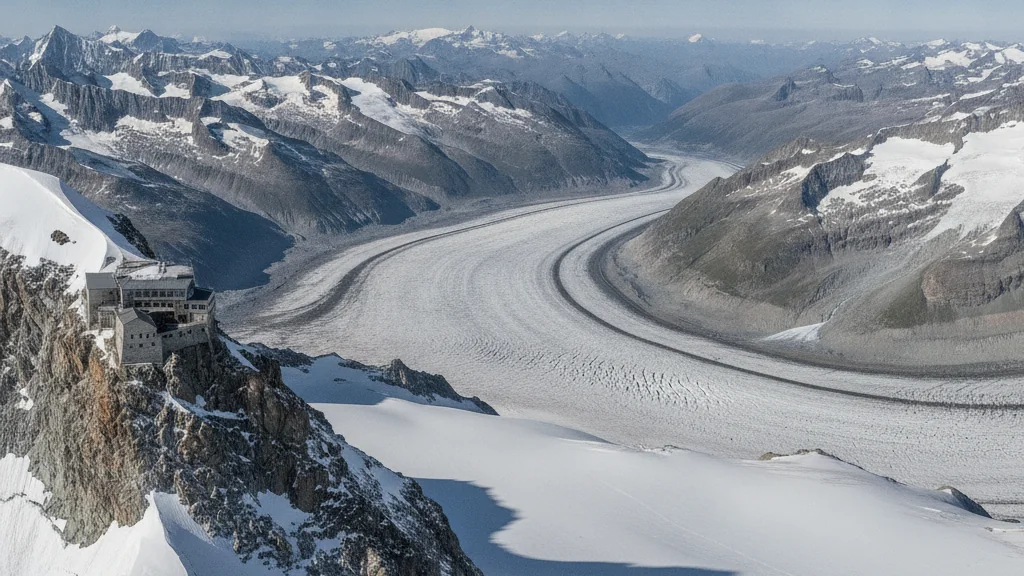
Switzerland's varied climate and dramatic elevation changes make packing for a family trip a strategic exercise. Temperatures in Zurich range from January lows of -1.4°C to July highs of 24.8°C, while rainfall remains fairly consistent year-round with May, July, and August seeing the heaviest precipitation. Families travelling with children need to account for Switzerland's unpredictable mountain weather, frequent rain showers, and the layering requirements that come with moving between lowland cities and alpine elevations. This guide breaks down essential packing considerations season by season, ensuring your family stays comfortable whether exploring Geneva's lakefront or hiking near the Matterhorn.
| Month | Avg high | Avg low | Rainfall | Rainy days |
|---|---|---|---|---|
| January | 4.6°C | -1.4°C | 99.3 mm | 14.2 |
| February | 7.1°C | -0.8°C | 71.8 mm | 12.0 |
| March | 10.8°C | 1.2°C | 66.3 mm | 12.0 |
| April | 14.7°C | 4.4°C | 89.7 mm | 12.1 |
| May | 17.8°C | 8.5°C | 131.5 mm | 16.7 |
| June | 23.2°C | 13.6°C | 117.6 mm | 14.3 |
| July | 24.8°C | 15.5°C | 133.3 mm | 15.0 |
| August | 24.2°C | 15.3°C | 125.5 mm | 13.3 |
| September | 20.1°C | 11.8°C | 83.1 mm | 11.4 |
| October | 15.5°C | 7.6°C | 86.1 mm | 11.6 |
| November | 9.1°C | 3.1°C | 94.8 mm | 13.0 |
| December | 5.7°C | 0.0°C | 97.6 mm | 14.3 |
Spring Packing Essentials (March-May)
Spring in Switzerland brings steadily warming temperatures, climbing from March highs of 10.8°C to May's 17.8°C, but this season also delivers substantial rainfall - particularly in May with 131.5 mm across nearly 17 rainy days. The unpredictable spring weather means families need a layered approach. Pack medium-weight jackets that can be worn over long-sleeve shirts, and include at least one warm fleece or hoodie per child for cooler mornings when temperatures hover around 1-8°C. Rain gear becomes critical by late spring - waterproof jackets with hoods are non-negotiable, and packable rain pants protect kids during outdoor excursions. Long pants and jeans work well as base layers, supplemented by one or two pairs of shorts for warmer April and May afternoons. Light cotton or merino wool layers allow for easy adjustment as the day warms. For alpine areas and evening outings, bring a warm hat and light gloves through April, as mountain elevations remain significantly cooler than published lowland averages.

Summer Packing Essentials (June-August)
Summer offers Switzerland's warmest weather with July highs reaching 24.8°C and August at 24.2°C, but this season paradoxically brings the heaviest rainfall of the year - July sees 133.3 mm across 15 rainy days, and August delivers 125.5 mm. Families need a summer wardrobe that balances warm-weather comfort with rain preparedness. Pack lightweight, breathable clothing including shorts, t-shirts, and sundresses, but ensure every family member has long pants and a long-sleeve layer for cooler mountain elevations and air-conditioned museums. A lightweight waterproof jacket remains essential despite summer temperatures - afternoon thunderstorms are common and can arrive suddenly. Quick-dry fabrics work best for children's clothing, allowing wet items to recover overnight. Include swimwear for lake activities and hotel pools. Nighttime temperatures remain mild at 13-15°C, so light sleepwear suffices for most accommodations. A thin fleece or cardigan handles evening restaurant outings and cable car rides into higher elevations where temperatures drop noticeably.
Autumn Packing Essentials (September-November)
Autumn temperatures decline steadily from September's pleasant 20.1°C highs to November's 9.1°C, with overnight lows dropping to 3.1°C by late season. Rainfall remains moderate through September and October at 83-86 mm, increasing to nearly 95 mm by November across 13 rainy days. This transitional season requires versatile layering systems. Start with a base of long-sleeve shirts and long pants, adding medium-weight sweaters or fleece pullovers that children can remove as needed. A warm, waterproof jacket with insulation becomes the primary outerwear by October - look for coats that extend below the waist for better coverage. Pack at least one warm layer more than seems necessary, as mountain destinations and lake-effect winds can make conditions feel colder than thermometer readings suggest. Include warm hats, gloves, and scarves starting in October, especially for families planning alpine excursions. September can still offer warm afternoons, so pack a few short-sleeve shirts and one pair of shorts per child for unexpected mild days.
Winter Packing Essentials (December-February)
Winter brings Switzerland's coldest conditions with January lows of -1.4°C and December highs reaching only 5.7°C. Rainfall ranges from 72-99 mm distributed across 12-14 days, often falling as snow at elevation. Winter packing for families centres on serious cold-weather protection. Heavy winter coats with insulation and waterproofing are essential - ensure children's coats extend below the hip and include hoods. Layering underneath should include thermal base layers, fleece mid-layers, and warm sweaters. Pack multiple pairs of warm socks, insulated gloves or mittens, winter hats that cover ears, and neck warmers or scarves for every family member. Long pants only - no shorts. For ski resort visits or mountain excursions, snow pants become necessary, though many families prefer renting ski-specific gear on location rather than packing bulky items. Indoor spaces are well-heated, so include comfortable indoor clothing that allows children to cool down after being outdoors. Warm pyjamas and slippers for hotel rooms add comfort during long winter evenings.
Footwear for All Seasons
Switzerland's cobblestone streets, mountain trails, and frequent wet conditions demand careful footwear planning for families. Every family member needs one pair of waterproof walking shoes or low hiking boots with good ankle support and grippy soles - Switzerland's terrain is rarely flat, and wet cobblestones become slippery hazards. Break in new shoes before the trip to avoid blisters during active sightseeing days. From June through September, sandals with back straps work for lakeside outings and hot city days, but avoid flip-flops which offer no support on uneven surfaces. Pack a second pair of closed-toe shoes per person so wet footwear can dry overnight - this becomes critical during rainy periods when a single pair won't dry between outings. Winter visitors need insulated, waterproof boots with substantial tread. For children, prioritize function over fashion - proper footwear prevents complaints and injuries that can derail family itineraries.
Sun and Rain Protection
Switzerland's alpine environment intensifies UV exposure, making sun protection necessary even during cooler months and overcast days. Pack broad-spectrum sunscreen with SPF 30 or higher and reapply regularly, especially during mountain activities where UV radiation increases with elevation. Sunglasses with UV protection are essential for adults and older children, and wide-brimmed hats provide additional facial protection during summer hikes and lake outings. Given that every month sees 11-17 rainy days, rain protection deserves equal attention. Compact travel umbrellas fit easily in daypacks but prove cumbersome during active outings - waterproof jackets with hoods offer better mobility for children. Pack a small dry bag or waterproof pouches for electronics and important documents. Consider rain covers for backpacks and strollers if travelling with very young children. Families planning mountain railways and gondola rides should carry rain gear regardless of morning weather, as conditions change rapidly at elevation.
Kids' Comfort and Entertainment Essentials
Beyond clothing, several items significantly improve family travel comfort in Switzerland. A lightweight backpack for each child old enough to carry one distributes the load and gives kids ownership of their snacks and entertainment. Pack refillable water bottles - Swiss tap water is excellent and fountains are ubiquitous, making single-use plastic unnecessary. High-energy snacks bridge the gap between European meal times and children's hunger schedules. A small first-aid kit should include blister treatments, children's pain reliever, any prescription medications, and motion sickness remedies for mountain roads and boat trips. Download entertainment for train journeys - Switzerland's efficient rail system means families spend considerable time on trains, and offline games or shows prevent boredom during longer routes. A universal power adapter with multiple USB ports charges family devices overnight. Consider packing a lightweight packable daypack that compresses when not needed but expands for souvenirs and layers as the day progresses.
What NOT to Bring
Overpacking remains the most common mistake families make when preparing for Switzerland. Leave behind excessive outfit changes - Swiss accommodations typically include laundry facilities or service, and children rarely need more than five or six tops and bottoms for a week-long trip. Skip bulky towels as hotels and vacation rentals provide them, and even swimming destinations have towel facilities. Heavy guidebooks add unnecessary weight when smartphone apps provide updated information with better maps. Avoid packing full-size toiletries when travel sizes suffice for trips under two weeks, and remember that Switzerland stocks all major brands if replenishment becomes necessary. Fancy dress clothes rarely see use - Swiss culture skews casual even in nice restaurants, and children comfortable in clean, neat everyday clothing fit in everywhere from Zurich cafes to alpine villages. Leave valuable jewellery at home where it won't be worried about or lost during active family days.
FAQ
What should I pack for a family trip to the Swiss Alps in July with young children?
Pack for warm days and cool mountain conditions simultaneously. Bring shorts and t-shirts for valley temperatures reaching 24-25°C, but include long pants, fleece jackets, and waterproof shells for cable car rides and alpine hiking where temperatures drop significantly. July sees heavy rainfall with 133.3 mm across 15 days, making rain gear essential. Sturdy waterproof shoes, sun protection including hats and sunscreen, and layering options allow families to adapt to rapid weather changes common at elevation.
How many layers should kids wear in Switzerland during spring shoulder season?
Spring requires three-layer systems: a base layer (long-sleeve shirt), mid-layer (fleece or sweater), and outer layer (waterproof jacket). March through May sees temperatures ranging from 10.8°C to 17.8°C with 12-17 rainy days per month, demanding flexibility. Children should be able to add or remove layers as they move between heated indoor spaces, outdoor activities, and elevation changes. Pack at least two complete layering sets per child so one can dry while the other is worn.
Do families need winter coats for Switzerland in September and October?
September typically doesn't require heavy winter coats, with highs around 20°C, but October's 15.5°C highs and 7.6°C lows call for substantial outerwear. A warm, waterproof jacket with moderate insulation works for October conditions. Families visiting mountain regions or staying into November should bring winter-weight coats as temperatures drop to 9°C with November lows reaching 3°C. The key is choosing adaptable outerwear that handles both cool mornings and milder afternoon temperatures.
What kind of rain gear works best for children travelling in Switzerland year-round?
Waterproof jackets with hoods provide better mobility than umbrellas for active children, especially during hiking or playground time. Every month sees 11-17 rainy days, with heaviest rainfall during May through August (117-133 mm monthly), making quality rain protection essential. Look for breathable waterproof materials that prevent overheating, and consider packable rain pants for extensive outdoor time. A compact umbrella in a parent's bag serves as backup, but shouldn't be the primary rain strategy for children under ten.
Weather data: open-meteo (ERA5 reanalysis, 2014-2023 averages). Reviewed and updated periodically.