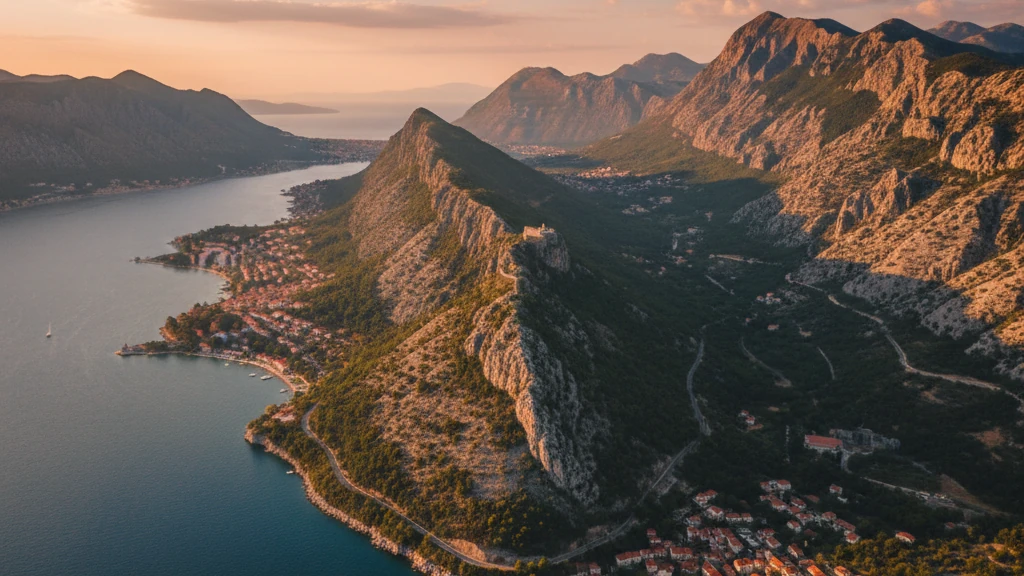
Milos vs Naxos

Milos vs Naxos

Key Takeaways

  • Milos features dramatic volcanic landscapes with unique white rock formations like Sarakiniko Beach and sea caves accessible only by boat
  • Naxos offers expansive golden sandy beaches, family-friendly facilities, and the largest land area in the Cyclades
  • Milos suits couples seeking romantic, intimate atmospheres with photogenic geological wonders and quieter fishing villages
  • Naxos appeals to families and active travelers with hiking trails, water sports, mountain villages, and lively nightlife
  • Both islands provide authentic Greek experiences but serve different travel styles. Milos for unique landscapes, Naxos for versatile activities

Overview: Milos and Naxos at a Glance

Both Milos and Naxos sit proudly in the Cyclades archipelago of the Aegean Sea, yet they couldn’t be more different in character. Milos, the southwestern-most island in the group, spans approximately 160 km² and displays dramatic volcanic landscapes shaped by ancient geological forces. Located about 155 nautical miles from Athens, this intimate island attracts visitors with its lunar-like beaches and colorful fishing villages.

Naxos commands the central Cyclades as the largest island in the group, offering a varied landscape that blends fertile valleys with mountain peaks. Unlike Milos’s volcanic origins, Naxos presents rolling agricultural lands that produce some of Greece’s finest cheeses and potatoes.

Ferry connections link both islands to Athens via Piraeus port, though Naxos enjoys more frequent sailings due to its central location and larger size [Source]. You’ll find Milos positioned near Kimolos and seasonal routes to Crete, while Naxos sits conveniently between Paros and the smaller Cyclades islands. The journey from Athens takes 3-5 hours to either destination, depending on ferry type and stops [Source].

First Impressions and Island Vibes

Your first glimpse of Milos reveals the intimate port of Adamantas, where colorful syrmata (traditional boat houses) line the waterfront against a backdrop of volcanic cliffs. The atmosphere feels immediately peaceful. Fishing boats bob gently while locals tend to their nets in this protected natural harbor.

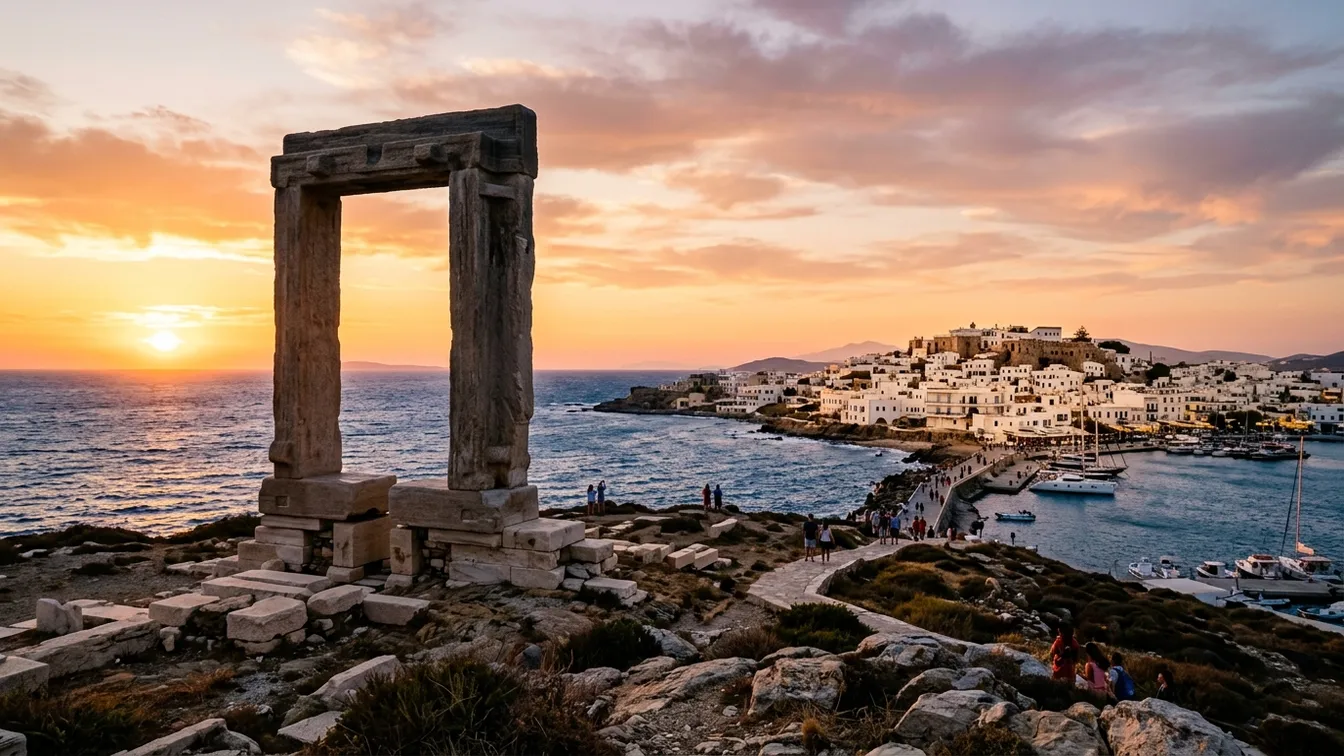
Naxos Town (Chora) greets you with bustling energy. The iconic Portara temple gateway dominates the harbor entrance, while the Venetian old town climbs the hillside behind busy waterfront cafes. You’ll sense the island’s larger scale immediately, with more ferries, more people, more activity.

Milos wraps you in serenity from the moment you arrive. The volcanic landscape creates an otherworldly beauty that photographers dream about. Naxos energizes with its blend of ancient history and modern Greek life, where Cycladic architecture meets mountain vistas and fertile plains.

The contrast extends to the surrounding scenery. Milos presents dramatic geological formations in every direction, including white cliffs, colorful mineral deposits, and barren beauty. Naxos unfolds in layers of green valleys, marble quarries, and traditional villages that seem untouched by time.

The Beaches: Comparing Coastal Beauty

Here’s where these Cyclades neighbors truly diverge. Milos serves up some of the Mediterranean’s most extraordinary beaches, geological masterpieces carved by volcanic activity and centuries of wind and waves. These aren’t your typical sandy stretches but rather natural art galleries where swimming feels like floating in a postcard.

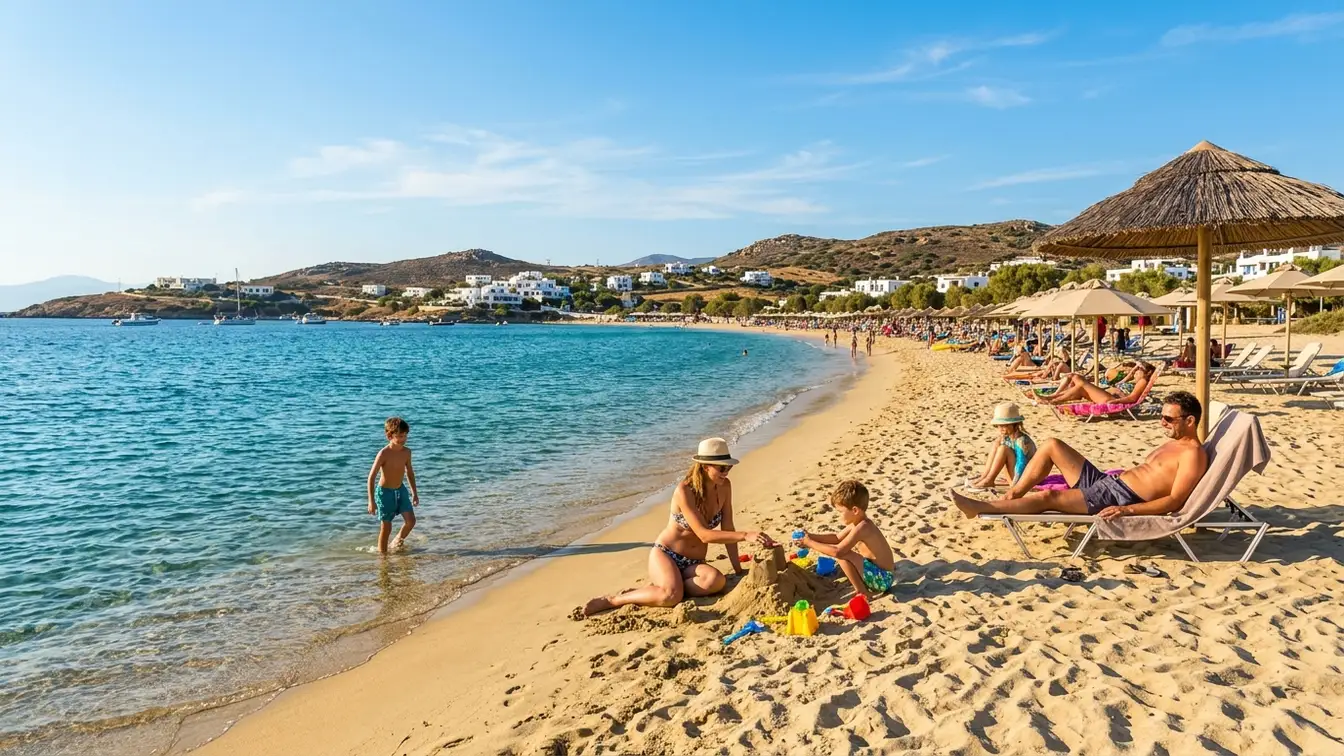
Naxos takes the conventional approach and perfects it. Long ribbons of golden sand stretch for kilometers along the western coast, backed by crystal-clear waters that shallow gradually, ideal for families with children. The beaches here offer everything you’d expect from a Greek island paradise: sunbeds, tavernas, water sports, and that perfect Aegean blue.

Both islands deliver exceptional water clarity thanks to the Aegean Sea’s pristine conditions. You’ll find excellent swimming on both, though the experiences differ dramatically. Milos challenges you to discover hidden coves and dramatic formations, while Naxos invites you to spread out on expansive sands and enjoy traditional beach life.

The accessibility factor plays a huge role in your beach experience. Many of Milos’s most spectacular beaches require boat tours or hiking, adding adventure to your day. Naxos beaches typically offer easy access via paved roads or short walks, making them perfect for families or those preferring convenience.

Beach ComparisonMilosNaxos
Top BeachSarakiniko (lunar landscape)Plaka (golden sand)
Unique FeatureVolcanic formations7km continuous sand
SwimmingExcellent, dramatic settingExcellent, shallow entry
AccessibilityOften requires boat/hikingEasy road access
FacilitiesLimited, natural settingFull amenities available

Milos’ Unique Geological Formations

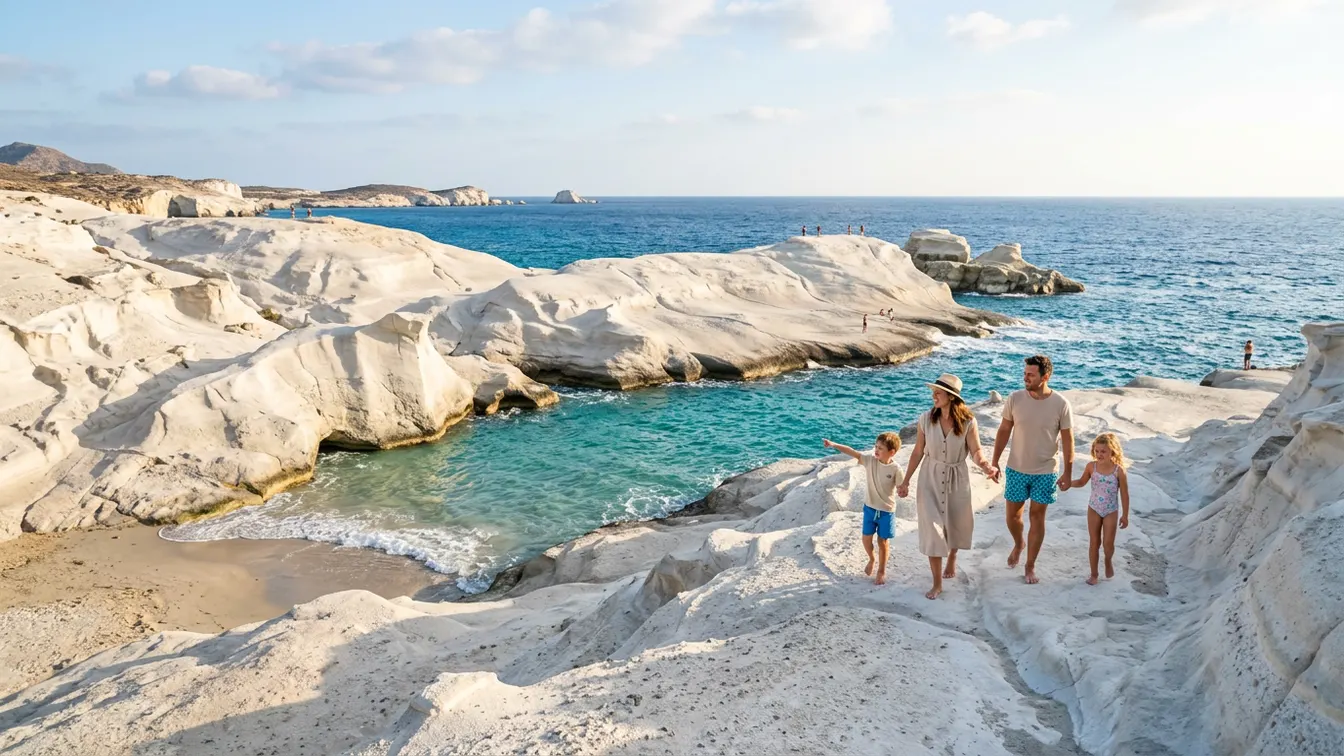
Sarakiniko Beach stands as Milos’s crown jewel, a lunar landscape of white volcanic rock carved into impossible sculptures by wind and sea. The pumice and tuff formations create natural diving platforms and hidden swimming holes that look more like science fiction than reality. Early morning visits reward you with fewer crowds and the best light for photography.

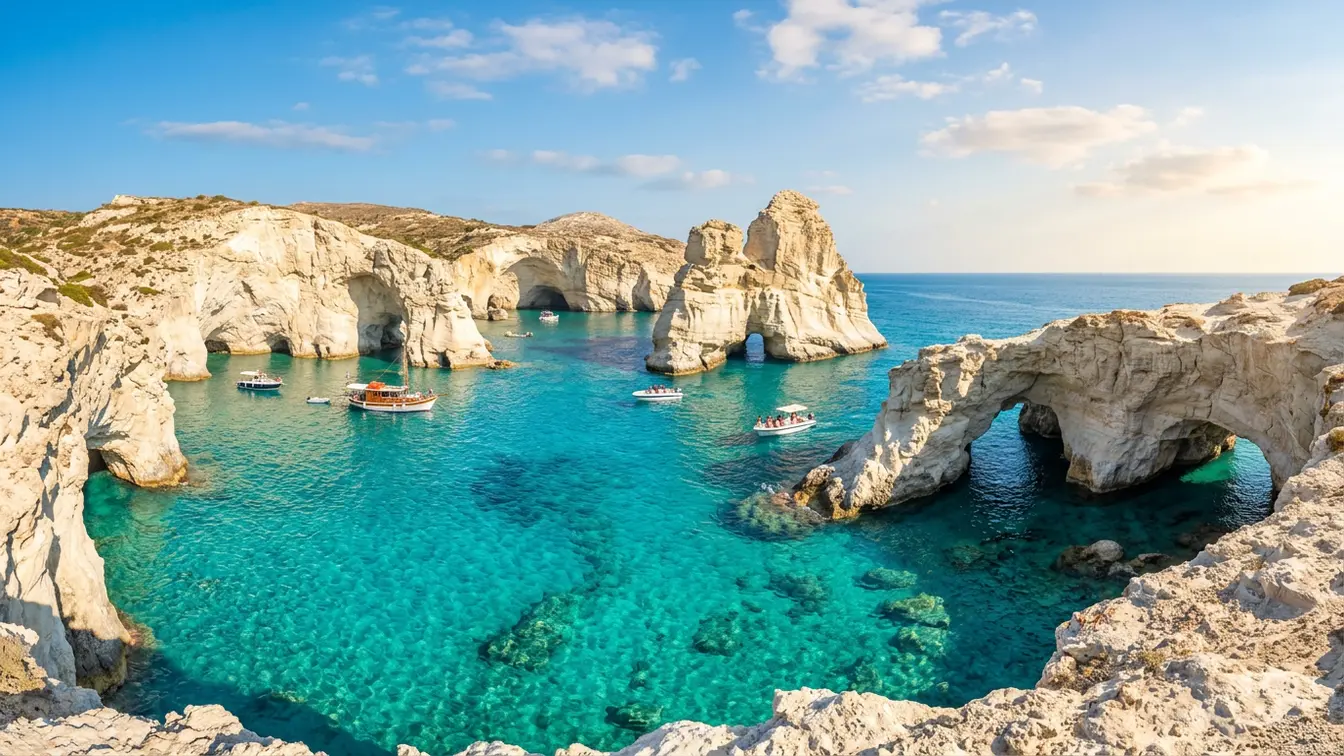
Kleftiko caves demand a boat tour but deliver unforgettable memories. These towering white cliffs rise from turquoise waters, creating sea caves you can swim through and natural arches that frame the endless Aegean. Most tours include snorkeling gear and lunch, making this a full-day adventure.

  • Sarakiniko Beach: White volcanic “moon” landscape with natural diving platforms
  • Kleftiko Caves: Dramatic sea caves accessible only by boat tour
  • Tsigrado Beach: Adventure access via rope ladder down cliff face
  • Fyriplaka Beach: Colorful cliffs meet golden sand in protected cove
  • Papafragas Beach: Narrow inlet with emerald waters between rock walls

Tsigrado challenges the adventurous with its rope ladder descent down a steep cliff. Not for everyone, but the reward is a pristine beach in a protected cove. Fyriplaka offers the best of both worlds: easier access plus stunning red and white cliffs that create natural windbreaks.

The geological variety means each beach tells a different story. Paleochori’s volcanic activity creates natural hot springs in the sand, while Papafragas hides in a narrow gorge that opens to a secret swimming spot.

Naxos’ Golden Sandy Stretches

Plaka Beach stretches for over 4 kilometers of fine golden sand, consistently ranking among Greece’s best beaches [Source]. The shallow, gradually deepening waters make it perfect for families, while the sheer length means you’ll always find space even in peak season. Cedar trees provide natural shade, and the sunset views are simply spectacular.

Naxos, Greece
Naxos, Greece

Agios Prokopios has earned multiple awards including TripAdvisor Travellers’ Choice and holds a Blue Flag for environmental standards [Source]. This organized beach offers the full Greek island experience: sunbeds, umbrellas, beachside tavernas, and water sports rentals. The champagne-colored sand and crystal-clear waters create postcard-perfect scenes.

  • Plaka Beach: 4km of golden sand with shallow waters and cedar shade
  • Agios Prokopios: Award-winning beach with full facilities and Blue Flag status
  • Agia Anna: Convenient location with excellent tavernas and calm waters
  • Mikri Vigla: Windsurfing and kitesurfing paradise with consistent winds
  • Aliko Beach: Wild, undeveloped stretch backed by sand dunes

Mikri Vigla attracts windsurfing enthusiasts from across Europe thanks to consistent Meltemi winds and professional rental centers. The beach splits into two sides, one sheltered for swimming, another exposed for wind sports.

The western coast beach chain connects Agios Prokopios, Agia Anna, and Plaka into one magnificent stretch. You can walk between them at low tide or hop between beach bars for the ultimate Greek island beach day.

Exploration and Activities

Beyond the beaches, these islands reveal completely different personalities. Milos focuses your attention on coastal and marine exploration, with boat tours dominating the activity scene, taking you to inaccessible beaches and geological wonders. The island’s volcanic nature creates unique opportunities for underwater exploration and photography.

Naxos offers balanced experiences between land and sea. Mountain hiking, village exploration, archaeological sites, and water sports create varied itineraries. You’ll find yourself choosing between windsurfing lessons, ancient temple visits, or traditional village walks, sometimes all in the same day.

The scale difference affects your exploration style. Milos keeps you focused on specific, spectacular locations that require planning and often guided tours. Naxos spreads attractions across its larger landscape, allowing for spontaneous discoveries and varied daily adventures.

Water-Based Adventures

Kleftiko boat tours represent Milos’s signature experience. Half-day trips (€30-50) typically include swimming stops at Sykia Cave and other inaccessible beaches, while full-day excursions (€149-190) add lunch and extended exploration time [Source]. The volcanic coastline creates natural swimming pools and snorkeling spots that feel like private discoveries.

Polyaigos day trips from Milos take you to Greece’s largest uninhabited island, where pristine beaches and crystal-clear waters remain untouched by development. These tours combine adventure with relaxation, often including BBQ lunches on secluded beaches.

Naxos counters with established water sports infrastructure. Mikri Vigla hosts professional windsurfing and kitesurfing schools offering lessons (€50-70) and equipment rentals [Source]. The consistent Meltemi winds create ideal conditions from June through September.

Naxos et Petites Cyclades, Grèce

Traditional sailing trips from Naxos explore the smaller Cyclades islands, offering different perspectives on Greek island life. Catamaran tours typically include swimming stops, snorkeling gear, and sunset viewing, perfect for couples or groups seeking relaxation over adventure.

The water clarity around both islands makes snorkeling rewarding, though Milos’s volcanic underwater landscapes offer more dramatic scenery. Naxos provides easier access to equipment and guided trips, while Milos rewards independent explorers with unique geological formations.

Land-Based Experiences

Milos keeps land exploration focused on coastal villages and geological sites. Plaka village, the island’s capital, offers the best sunset views in the Cyclades and serves as your base for exploring colorful fishing settlements like Klima and Mandrakia. These villages feature traditional syrmata, colorful boat houses built directly into the rocks.

The mining history around Plaka adds industrial archaeology to your exploration. Old sulfur mines and processing facilities create unusual landscapes that photographers love, especially during golden hour.

Naxos transforms land exploration into cultural immersion. Apeiranthos, built entirely from local marble, represents one of Greece’s most beautiful mountain villages. Narrow stone streets wind between traditional houses where locals still practice centuries-old crafts.

Mount Zeus, the Cyclades’ highest peak at 1,003 meters, challenges hikers with a 2-3 hour ascent rewarded by panoramic views across the Aegean [Source]. The trail passes through traditional villages and ancient sites, combining physical activity with cultural discovery.

  • Milos Villages: Plaka (sunset capital), Klima (colorful fishing houses), Mandrakia (traditional boat storage)
  • Naxos Villages: Apeiranthos (marble streets), Chalki (Venetian architecture), Filoti (mountain gateway)

Archaeological enthusiasts find more satisfaction on Naxos. The Portara temple gateway dates to 530 BC, while the Temple of Demeter features perfectly preserved ancient Greek architecture. These sites provide historical context often missing from smaller islands.

Chalki village demonstrates Naxos’s Venetian heritage with restored mansions and the famous Vallindras Distillery, where you can taste traditional Kitron liqueur made from local citrus leaves.

Day Trips to Nearby Islands

From Milos, Kimolos offers authentic island life just 55-60 minutes away by ferry [Source]. This traditional fishing island maintains old-world charm with minimal tourism development. The hot springs and Prassa Beach make worthwhile day trip destinations, though ferry schedules limit your time (typically 3-5 sailings per week).

Polyaigos, though uninhabited, attracts visitors via organized boat tours from Milos. The pristine beaches and crystal-clear waters provide a Robinson Crusoe experience without the survival challenges.

Naxos’s central location opens more day trip possibilities. Antiparos combines relaxed island vibes with fascinating cave systems, while Koufonisia delivers some of the Cyclades’ most exotic beaches in a compact package perfect for day exploration.

Day Trip OptionsFrom MilosFrom Naxos
Nearest IslandKimolos (55 min ferry)Paros (45 min ferry)
Best Beach TripPolyaigos (boat tour)Koufonisia (2 hr ferry)
Cultural OptionLimitedAntiparos caves (1.5 hr)
Frequency3-5 weekly to KimolosDaily to Paros/Antiparos

The ferry connections from Naxos run more frequently, making spontaneous day trips easier to arrange. Paros, just 45 minutes away, offers excellent beaches and the famous Parikia old town for cultural exploration.

Food and Dining Experiences

The culinary scenes reflect each island’s character and resources. Milos, with its fishing village heritage, focuses on exceptional seafood served in intimate waterfront tavernas. You’ll find octopus, lobster, and fresh catch prepared simply to highlight natural flavors.

Naxos uses its agricultural richness to create a farm-to-table dining culture. The island produces some of Greece’s finest cheeses, potatoes, and olive oil, creating a varied culinary landscape that extends far beyond seafood.

Both islands maintain authentic Greek taverna culture, but the dining experiences differ significantly. Milos offers romantic waterfront meals in small villages, while Naxos provides everything from mountain village tavernas to beachfront restaurants and sophisticated Chora dining.

Price points generally favor Naxos, where agricultural production keeps food costs lower and competition creates better value. Milos’s smaller scale and focus on seafood typically means higher prices, especially for signature dishes like lobster pasta.

  • Milos Specialties: Fresh lobster, octopus salad, local wine from volcanic soil, traditional fisherman’s soup
  • Naxos Specialties: Graviera PDO cheese, Arseniko cheese, famous Naxos potatoes, Kitron citrus liqueur

Naxos produces two protected designation cheeses, Graviera and Arseniko, that you’ll find in dishes across the island [Source]. The famous Naxos potatoes, a unique variety grown in the island’s sandy soil, appear in traditional preparations you won’t taste elsewhere.

Kitron liqueur, made from citrus leaves grown only on Naxos, provides a distinctive digestif experience. Local distilleries offer tastings and explain the traditional production methods passed down through generations.

Milos tavernas excel in waterfront settings where you can watch fishing boats return with the day’s catch. Pollonia and Klima offer romantic dining experiences where the catch determines the menu, ensuring ultimate freshness.

Nightlife Comparison

Milos embraces the quiet life after sunset. Plaka village offers the most sophisticated evening scene with sunset cocktail bars overlooking the Aegean, but don’t expect late-night parties. Most venues close by midnight, creating a romantic, relaxed atmosphere perfect for couples.

Adamantas provides waterfront cafes and bars that maintain a laid-back Greek island vibe. You’ll find locals playing backgammon and visitors enjoying quiet conversations over wine and mezze.

Naxos Town (Chora) delivers lively nightlife centered around the Castro neighborhood. Bars and clubs stay open until 3am during summer, with live music venues, cocktail bars, and traditional Greek music creating varied entertainment options.

Nightlife ComparisonMilosNaxos
AtmosphereRomantic, quietLively, varied
Closing TimeMidnight3am
Best AreaPlaka villageCastro, Chora
Live MusicLimitedRegular venues

The waterfront promenade in Naxos Town buzzes with activity as locals and visitors stroll between bars, restaurants, and cafes. Cultural events, including traditional music performances and festivals, add authentic Greek entertainment to the nightlife scene.

Beach bars along Naxos’s western coast extend the party atmosphere with sunset drinks and late-evening entertainment, particularly around Agios Prokopios and Agia Anna.

Accommodation Options

Accommodation variety reflects each island’s scale and tourism development. Milos offers boutique experiences with cave houses and sunset-view properties in Plaka village, plus beachfront options in Pollonia and budget stays in Adamantas. The smaller inventory means booking well ahead, especially for unique properties.

Naxos provides complete accommodation from luxury beach resorts near Agios Prokopios to charming old-town hotels in Chora. The larger scale creates better availability and competitive pricing across all categories.

Plaka village on Milos features some of the Cyclades’ most romantic accommodations. Cave houses carved into cliffs with private terraces overlooking sunset views. These unique properties command premium prices (€150-300/night) but deliver unforgettable experiences [Source].

Naxos Town offers atmospheric old-town hotels where you’ll fall asleep to church bells and wake to harbor activity. The Venetian architecture creates charming courtyards and traditional Greek hospitality experiences.

Accommodation TiersMilosNaxos
Luxury (€150-300)Cave houses, boutique hotelsBeach resorts, luxury suites
Mid-range (€80-150)Traditional hotels, studiosFamily hotels, apartments
Budget (€40-80)Basic rooms, hostelsBackpacker options, studios

Beach accommodations near Agios Prokopios and Agia Anna on Naxos offer resort-style amenities with pools, spas, and direct beach access. These properties cater to families and couples seeking convenience and comfort.

Adamantas on Milos provides the most budget-friendly options, though even basic accommodations maintain Greek island charm. The port location offers convenience for ferry arrivals and departures.

Booking 3-6 months ahead ensures better selection and rates, especially for summer travel. Naxos generally offers better value due to increased competition and larger accommodation inventory.

Getting Around: Transportation Considerations

Car rental becomes essential on Milos for accessing the island’s spectacular but remote beaches. Many of Milos’s best attractions require driving on unpaved roads or hiking from parking areas, making vehicles highly recommended for full exploration.

Naxos offers more flexibility with its complete KTEL bus network connecting major beaches and villages from Chora [Source]. While car rental improves your experience, you can rely on public transportation for main attractions, especially during summer when buses run every 15-30 minutes to popular beaches.

  • Milos Transportation: Car/ATV rental essential (€30-50/day), limited bus service from Adamantas
  • Naxos Transportation: KTEL buses excellent coverage (€2-5 per trip), car rental helpful but optional

Road conditions on both islands remain generally good, with paved roads to major destinations. Milos requires more off-road driving to reach unique beaches like Tsigrado or Firopotamos, while Naxos keeps most attractions accessible via sealed roads.

Parking presents different challenges. Milos offers easier parking at beaches and villages due to lower visitor numbers, while popular Naxos beaches can fill parking areas by mid-morning during peak season.

Ferry Travel connects both islands to Athens and other Cyclades destinations. Piraeus port serves both islands, though Naxos also connects via Rafina port (closer to the airport). KTEL buses and taxis provide reliable transfers between ports and accommodations.

Weather and Best Time to Visit

Both islands experience classic Mediterranean climate with hot, dry summers and mild winters. Peak season (July-August) brings temperatures of 28-32°C, sea temperatures of 24-26°C, and significant crowds that can overwhelm smaller Milos [Source].

Shoulder seasons (May-June, September-October) offer the best balance with temperatures of 22-28°C, sea temperatures of 20-24°C, and manageable crowds. These periods provide ideal conditions for hiking, exploration, and photography.

The Meltemi winds affect both islands during July and August, though Naxos experiences stronger impacts on its western beaches. These northern winds can disrupt ferry schedules and make beach conditions challenging, particularly for families with children.

MonthTemperatureSea TempCrowdsWeather
May22-26°C18-20°CLowPerfect
June26-30°C20-22°CModerateExcellent
July28-32°C24-26°CHighHot, windy
August28-32°C24-26°CVery HighHot, windy
September24-28°C22-24°CModerateExcellent

Winter months (November-March) see many accommodations and restaurants close, though both islands maintain basic services. Spring arrives early, with wildflowers blooming in April and swimming becoming comfortable by May.

Milos tends to be slightly less affected by strong winds due to its southwestern position, while Naxos’s central location makes it more susceptible to Meltemi impacts on ferry schedules.

Which Island Is Right for Your Travel Style?

Choosing between Milos and Naxos comes down to matching island characteristics with your travel priorities. Both islands deliver authentic Greek experiences within the Cyclades, but they serve different vacation styles and expectations.

Consider what matters most: unique geological landscapes or traditional sandy beaches, intimate romantic settings or energetic family-friendly environments, marine-focused exploration or balanced land and sea activities, photographic opportunities or cultural immersion.

Neither island disappoints, but understanding their distinct personalities helps ensure your choice aligns with your travel dreams. The following sections break down specific traveler profiles and preferences to guide your decision.

When to Choose Milos

Milos suits couples seeking intimate, romantic experiences with dramatic natural beauty as your backdrop. The island’s smaller scale creates cozy, uncrowded atmospheres perfect for romantic dinners in fishing villages and private moments on spectacular beaches.

Milos
Milos

Photography enthusiasts find Milos irresistible. Sarakiniko Beach’s lunar landscapes, Kleftiko’s dramatic sea caves, and colorful fishing villages provide endless shooting opportunities. The unique geological formations create scenes you won’t find elsewhere in Greece.

  • Couples seeking romantic, intimate island experiences with spectacular sunsets
  • Photographers attracted to unique volcanic landscapes and dramatic coastal formations
  • Geology enthusiasts interested in volcanic beaches, sea caves, and mineral formations
  • Travelers preferring quieter, less touristy destinations with authentic fishing village culture
  • Adventure seekers who enjoy boat tours, hiking to remote beaches, and discovering hidden coves

Geology enthusiasts appreciate Milos’s volcanic origins, which created varied beach compositions from white pumice at Sarakiniko to colorful mineral deposits at Fyriplaka. The island’s mining history adds industrial archaeology to natural wonders.

Those seeking authenticity over convenience find Milos rewarding. The island maintains traditional Greek island life without heavy tourism development, though this means fewer amenities and services.

When to Choose Naxos

Families with children find Naxos ideal thanks to shallow, sandy beaches with excellent facilities. Plaka Beach and Agios Prokopios offer lifeguards, beach bars, sunbed rentals, and gentle entry into crystal-clear waters, perfect for safe family enjoyment.

Naxos
Naxos

Active travelers appreciate Naxos’s varied activity options. Mount Zeus provides challenging hiking with panoramic rewards, while Mikri Vigla offers professional windsurfing and kitesurfing instruction. The larger island supports varied daily adventures.

  • Families needing child-friendly beaches, shallow waters, and complete amenities
  • Active travelers seeking hiking, water sports, and varied outdoor activities
  • History buffs attracted to ancient sites, Venetian architecture, and archaeological discoveries
  • Food enthusiasts wanting authentic local cuisine, cheese tastings, and traditional distilleries
  • First-time visitors to Greek islands seeking well-developed infrastructure and services

History and archaeology enthusiasts find substantial attractions including the Portara temple gateway, Temple of Demeter, and Venetian old town architecture. These sites provide cultural depth often missing from smaller islands.

Foodies discover authentic Greek cuisine beyond seafood. Naxos produces exceptional cheeses, unique potatoes, and traditional Kitron liqueur, creating farm-to-table dining experiences that display local agriculture.

First-Time Visitor Considerations

First-time Greek island visitors often find Naxos more approachable due to better infrastructure, English signage, and complete services. The island’s size supports varied experiences while maintaining authentic Greek character.

Naxos offers easier navigation with clear road signs, reliable bus service, and tourist information readily available. The larger scale means more accommodation options, restaurant choices, and activity providers, reducing planning stress.

First-Timer Checklist

  • English widely spoken on both islands
  • Naxos: Better signage, more services, easier navigation
  • Milos: More planning required, limited infrastructure
  • Both: Authentic Greek culture, excellent food, friendly locals
  • Naxos: More forgiving for mistakes, backup options available

Milos rewards those willing to plan ahead and embrace adventure. The island’s unique beauty justifies extra effort, but limited services mean backup plans become essential.

Both islands represent authentic Cyclades experiences, though Naxos provides a more complete introduction to Greek island life. Milos offers specialized experiences that appeal to specific interests rather than general tourism.

Ferry connections from both islands support onward travel to other Cyclades destinations, making either a good starting point for Greek island hopping adventures.

Visiting Both Islands: Is It Worth It?

Combining Milos and Naxos in one trip creates varied experiences but requires careful planning. Ferry connections between the islands take 3h45m-6h20m with operators like SeaJets and Blue Star Ferries, typically involving 6-7 weekly sailings [Source].

Minimum recommended durations include 3 days for Milos (essential beaches and boat tours) and 4-5 days for Naxos (beaches, villages, hiking). A 7-8 day combination trip provides adequate time for both islands without feeling rushed.

Sample 10-day itinerary: Athens → Milos (4 days) → ferry → Naxos (5 days) → Athens (1 day). This allows thorough exploration of Milos’s unique beaches and boat tours, plus Naxos’s varied activities and cultural sites.

Ferry costs between islands range €40-70 depending on season and vessel type. The journey time and expense justify combination trips only for vacations of 10+ days, where travel time doesn’t dominate your schedule.

Shorter trips (7-8 days) work better focusing on one island thoroughly rather than rushing between both. The distinct experiences on each island reward deeper exploration over surface-level visits.

Practical Travel Tips

Ferry booking requires advance planning, especially for summer travel. Use platforms like FerryHopper or Direct Ferries to compare schedules and prices, booking 1-2 months ahead for better rates and availability.

From Athens, Piraeus port serves both islands with metro accessibility from the city center. Naxos also connects via Rafina port, which sits closer to the airport but requires taxi or bus transfer.

  • Ferry Booking: Use FerryHopper or Direct Ferries, book 1-2 months ahead for summer
  • Athens Departure: Piraeus port for both (metro accessible), Rafina option for Naxos
  • Travel Times: Milos 3-5 hours, Naxos 3.5-5 hours depending on stops
  • Money Saving: Shoulder season saves 30-40%, local tavernas offer better value
  • Packing Essentials: Reef shoes for Milos rocky beaches, light layers for wind
  • Car Rental: Book ahead for summer, essential for Milos, helpful for Naxos

Money-saving strategies include traveling during shoulder seasons (May-June, September-October) for 30-40% savings on accommodations and fewer crowds. Local tavernas consistently offer better value than tourist-focused restaurants.

Pack reef shoes for Milos’s rocky beach entries and light layers for unexpected Meltemi winds. Sunscreen becomes essential due to strong Aegean sun and reflection off white volcanic rocks.

Car rental booking should happen 2-4 weeks ahead for summer travel. Milos requires vehicles for beach access, while Naxos offers more flexibility with public transportation options.

Final Verdict: Milos vs Naxos

Both Milos and Naxos deliver exceptional Greek island experiences within the Cyclades, but they cater to distinctly different travel styles and preferences. There’s no absolute “better” choice, only the better fit for your specific vacation dreams.

Milos excels in unique geological beauty, romantic atmospheres, and intimate experiences. The volcanic landscapes create photographic opportunities and natural wonders you won’t find elsewhere in the Aegean. Couples and photography enthusiasts consistently rate Milos among their favorite Greek destinations.

Naxos provides versatile, family-friendly experiences with cultural depth and varied activities. The combination of excellent beaches, mountain hiking, ancient sites, and lively village life appeals to varied travel styles and age groups.

Key ComparisonMilosNaxos
Best ForCouples, photographers, geology loversFamilies, active travelers, first-timers
BeachesUnique volcanic formationsGolden sandy stretches
ActivitiesBoat tours, coastal explorationHiking, water sports, culture
AtmosphereIntimate, romantic, quietLively, energetic, varied
InfrastructureLimited, authenticComplete, developed

Both islands represent authentic Cyclades culture without the overwhelming tourism of Santorini or Mykonos. Your choice ultimately depends on whether you prioritize unique natural beauty (Milos) or complete Greek island experiences (Naxos).

Consider your travel companions, activity preferences, and vacation goals. Couples seeking romance and unique landscapes lean toward Milos, while families and active travelers find Naxos more suitable. Either choice delivers memorable Greek island experiences that justify the journey.

Frequently Asked Questions

Which is better, Milos or Naxos?
Neither is objectively “better” as they serve different travel styles. Milos suits couples seeking unique volcanic landscapes and intimate atmospheres. Naxos appeals to families and active travelers wanting complete facilities and varied activities.

How do the beaches compare between Milos and Naxos?
Milos features dramatic volcanic beaches with unique white rock formations and sea caves, often requiring boat access. Naxos offers expansive golden sandy beaches with shallow waters and full amenities, easily accessible by road.

What activities are available on Milos compared to Naxos?
Milos focuses on boat tours to sea caves, geological exploration, and coastal photography. Naxos provides hiking Mount Zeus, water sports at Mikri Vigla, village exploration, archaeological sites, and complete beach activities.

When is the best time of year to visit Milos vs Naxos?
Both islands are best visited May-June or September-October for ideal weather, manageable crowds, and 30-40% savings. July-August brings peak heat, crowds, and Meltemi winds that affect Naxos more strongly.

How many days should I spend in Milos vs Naxos?
Milos requires minimum 3 days for essential boat tours and beach exploration. Naxos benefits from 4-5 days to experience beaches, hiking, villages, and cultural sites. Both reward longer stays for thorough exploration.

How does the food scene differ between Milos and Naxos?
Milos specializes in fresh seafood served in intimate waterfront tavernas with higher prices. Naxos offers varied farm-to-table cuisine featuring famous local cheeses, potatoes, and Kitron liqueur at better value.

Who is Milos best for vs who is Naxos best for?
Milos suits couples, photographers, geology enthusiasts, and travelers seeking unique landscapes and romantic atmospheres. Naxos appeals to families, active travelers, history buffs, and first-time Greek island visitors.

Which is better for families with children, Milos or Naxos?
Naxos significantly better for families with shallow sandy beaches, lifeguards, amenities, and easy access. Milos requires more adventure and planning, with rocky beaches and boat tours less suitable for young children.

Which island is less crowded or touristy, Milos or Naxos?
Milos remains quieter and less developed due to smaller size and limited infrastructure. Naxos attracts more visitors but its larger scale dilutes crowds except at major beaches during peak season.

How do you travel between Milos and Naxos?
Ferry connections take 3h45m-6h20m with SeaJets, Hellenic Seaways, or Blue Star Ferries. Approximately 6-7 weekly sailings available, costing €40-70 depending on season and vessel type. No direct flights available.

What are the main differences between Milos and Naxos?
Milos features volcanic landscapes, unique beaches, intimate scale, and romantic atmosphere. Naxos offers traditional sandy beaches, mountain villages, complete infrastructure, cultural sites, and family-friendly facilities with larger scale.

What’s the first impression when arriving in Milos vs Naxos?
Milos greets visitors with intimate Adamantas port, colorful boat houses, and peaceful volcanic scenery. Naxos impresses with bustling Chora harbor, iconic Portara temple gateway, and energetic waterfront energy.

How easy is it to get around Milos vs Naxos?
Milos requires car/ATV rental for beach access due to limited bus service and remote locations. Naxos offers excellent KTEL bus network covering main attractions, making car rental helpful but optional.

How does the culture and local life compare between Milos and Naxos?
Both maintain authentic Greek culture. Milos preserves traditional fishing village life with quieter pace. Naxos blends traditional mountain villages with lively town life, offering more varied cultural experiences.

Is Milos or Naxos more expensive to visit?
Milos typically costs more due to limited options and seafood focus, especially for dining and unique accommodations. Naxos offers better value with more competition, local agriculture, and complete facilities.

What unique geological features does Milos have compared to Naxos?
Milos displays volcanic origins with white pumice cliffs at Sarakiniko, sea caves at Kleftiko, colorful mineral deposits, and hot springs. Naxos features traditional Cycladic geology with marble quarries and fertile valleys.

Which island has better nightlife, Milos or Naxos?
Naxos offers lively nightlife in Chora with bars open until 3am, live music venues, and cultural events. Milos provides quiet, romantic evening atmosphere with sunset bars closing by midnight.

Are Milos and Naxos good for solo travelers?
Both welcome solo travelers. Naxos offers more social opportunities through hostels, group activities, and busy town life. Milos suits independent solo travelers comfortable with quieter environments and self-guided exploration.

How do the archaeological sites compare between Milos and Naxos?
Naxos significantly surpasses Milos with major sites including Portara temple gateway, Temple of Demeter, and Venetian architecture. Milos offers limited archaeological interest but compensates with unique geological and mining history.

Which is easier to get to from Athens, Milos or Naxos?
Both take 3-5 hours by ferry from Piraeus port. Naxos offers more frequent sailings and alternative Rafina port option closer to airport. Milos provides fewer weekly connections but similar overall accessibility.

Leave a Reply

Your email address will not be published. Required fields are marked *