
Best Places to Visit in Italy in Summer (2026): Beat the Crowds
Italy attracts millions of travelers during summer months, with families seeking historical sites, coastal retreats, and cultural experiences across the country. Peak tourism season stretches from June through August, when temperatures rise and school holidays draw visitors to major cities and resort areas. Planning strategies that prioritize less-visited destinations, early-morning visits, and regional diversity help families maximize enjoyment while minimizing time spent in crowded spaces.
Hidden Gem Destinations With Fewer Tourists
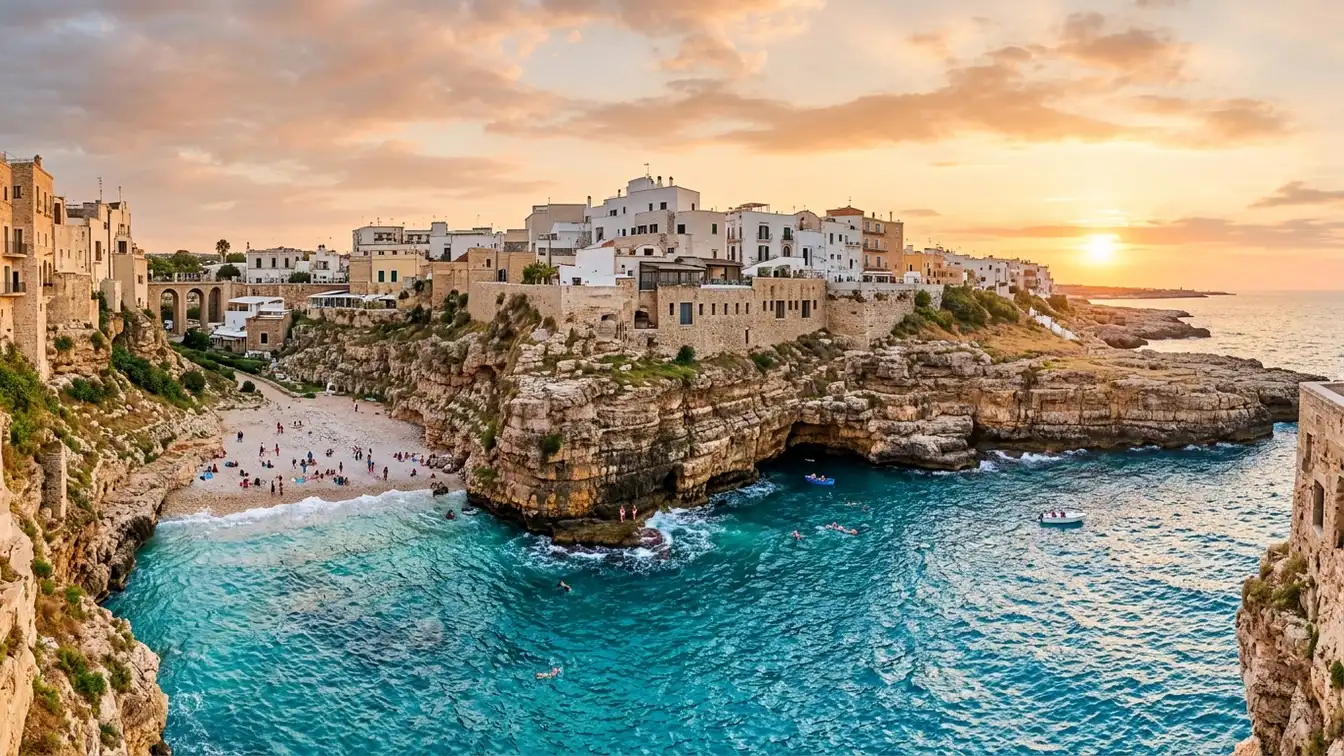
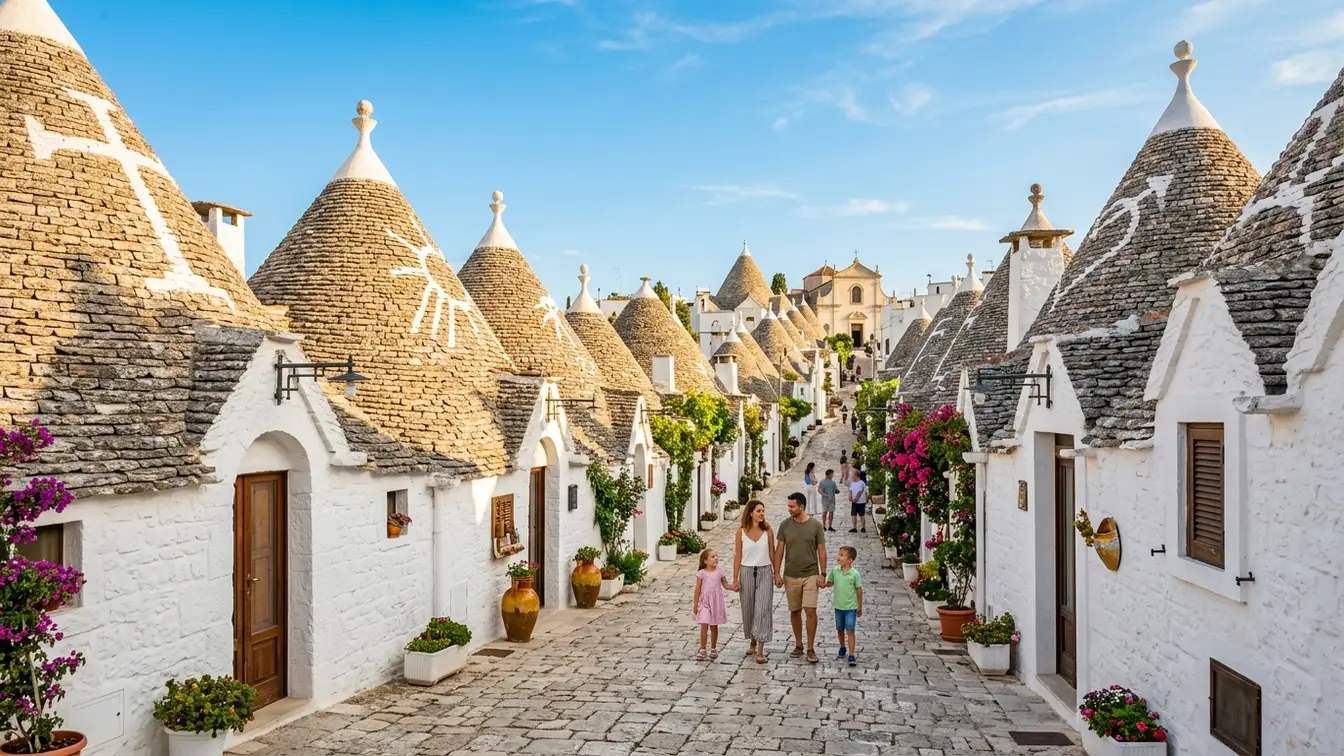
Several Italian regions offer authentic experiences without the overwhelming crowds that define Rome, Venice, and Florence during summer. Puglia in the southeastern heel of Italy features whitewashed towns, limestone caves, and Adriatic beaches that remain relatively undiscovered by mass tourism. The town of Matera showcases ancient cave dwellings known as sassi, which provide fascinating historical context for families interested in architecture spanning millennia. Basilicata region offers dramatic landscapes and medieval villages where daily life continues largely unaffected by tourist infrastructure.

The Marche region along the central Adriatic coast combines mountain scenery with seaside towns that maintain local character throughout summer months. Urbino presents Renaissance art and architecture in a compact hilltown setting that children can explore on foot without exhaustion. Lake Orta in Piedmont provides a quieter alternative to Lake Como, with walking paths, boat rides to Isola San Giulio, and family-friendly swimming areas that see a fraction of the visitor numbers at more famous northern lakes.
Strategic Timing for Popular Attractions
Major Italian landmarks accommodate visitors throughout the day, but crowd density varies significantly by hour and advance planning approach. The Colosseum in Rome experiences lowest visitor numbers during the first entry slot at 8:30 AM and final two hours before closing, when tour groups have typically departed. Reserved timed-entry tickets purchased several weeks in advance allow families to bypass general admission lines that can exceed 90 minutes during midday hours.
The Vatican Museums open at 9:00 AM, with the period from opening until 10:30 AM offering the most manageable crowd levels before group tours arrive in force. Early entry arrangements provide access to the Sistine Chapel when the space contains dozens rather than hundreds of simultaneous visitors. The Uffizi Gallery in Florence implements similar timed reservations, with early morning and late afternoon slots providing better viewing conditions for families trying to engage children with Renaissance masterworks.
Coastal Areas Beyond the Main Tourist Zones
Italian coastline extends for thousands of kilometers, with numerous beach destinations offering excellent facilities without the density of the Amalfi Coast or Cinque Terre. The Cilento Coast south of Salerno features protected marine areas, ancient Greek ruins at Paestum, and family-oriented beach towns like Agropoli and Castellabate. Sand beaches alternate with rocky coves, and accommodation options range from campgrounds to small hotels that maintain reasonable rates even in July and August.
Sardinia's northern Costa Verde presents wild beaches backed by sand dunes rather than development, where families find space to spread out even during peak season. The island's interior mountain villages provide cool respite from coastal heat, with hiking trails, traditional festivals, and local cuisine that differs markedly from mainland Italian food traditions. Sicily's northern coast between Cefalu and Palermo offers accessible beaches, Norman-Arab architecture, and proximity to mountain towns like Castelbuono where summer temperatures remain moderate.
Alternative Transportation and Accommodation Strategies
Italian rail network connects major cities efficiently, but regional trains and buses access smaller towns where accommodation costs remain lower and tourist saturation stays minimal. Renting an apartment or villa in a residential neighborhood rather than tourist-center hotels provides more space for families, kitchen facilities that reduce dining expenses, and authentic interaction with local daily life. Agriturismos throughout rural Italy offer working farm stays where children experience agricultural activities, home-cooked meals using estate products, and outdoor space for active play.
Bicycles serve as practical transportation in smaller cities and coastal areas with dedicated cycling infrastructure. Many Italian train stations offer bike rental services, and numerous towns have implemented bike-sharing systems that allow flexible short-term use. Electric-assist bicycles help families navigate hilly terrain without excessive physical strain, expanding the range of destinations accessible for day trips from a central base.
Regional Food Experiences and Market Visits
Local food markets operate in virtually every Italian town, typically running from early morning until early afternoon several days per week. These markets provide fresh produce, regional cheeses, cured meats, and prepared foods at prices significantly lower than restaurants while offering cultural immersion as families observe shopping customs and seasonal product cycles. Children often respond positively to the interactive nature of market shopping, where vendors offer samples and explain local specialties.
Cooking classes designed for families teach pasta-making, pizza preparation, or regional specialties in small-group settings that emphasize hands-on participation. These experiences typically last 2-4 hours and conclude with a shared meal, providing both an activity and dining solution. Agriturismos and small cooking schools in rural areas generally offer more personalized instruction and lower prices than similar experiences in major tourist cities.
Indoor Alternatives for Peak Heat Hours
Summer temperatures in Italian cities frequently exceed 30 degrees Celsius (86 degrees Fahrenheit) during afternoon hours, making outdoor sightseeing uncomfortable and potentially dangerous for young children. Museums, churches, and historical buildings provide air-conditioned respite while continuing educational engagement. The Domus Romana in underground spaces beneath several Italian cities showcase ancient Roman living quarters at consistently cool temperatures regardless of surface conditions.
Public libraries in Italian cities welcome visitors to air-conditioned reading rooms, often featuring children's sections with Italian-language books that provide language exposure even for non-speakers. Gelaterias serve as strategic cooling stops, with authentic Italian gelato containing less sugar and air than industrial ice cream, providing a refreshing break that parents can frame as a cultural experience rather than simple dessert.
FAQ
What are the best months to visit Italy with children if we want warm weather but smaller crowds than July and August?
June and September offer the most balanced combination of warm temperatures and reduced visitor numbers for families traveling to Italy. June features longer daylight hours and fully operational tourism infrastructure, with school groups from Europe diminishing after mid-month as academic years conclude. September maintains summer weather through the first three weeks in most regions while benefiting from the departure of August vacationers, when many European families return home for school start dates. Coastal water temperatures peak in September after warming throughout summer months, and agricultural harvest activities in rural areas provide engaging educational opportunities for children interested in food production.
How can families with young children manage the heat and walking distances when visiting Italian cities in summer?
Structuring daily schedules around temperature patterns helps families maximize comfort during Italian summer travel. Morning activities should begin as early as children's schedules allow, ideally by 8:00 or 8:30 AM, to take advantage of cooler temperatures and lower crowd levels at major attractions. Midday hours from noon to 4:00 PM work best for indoor museums, restaurants with extended lunch service, or returning to accommodation for rest periods that align with traditional Italian riposo customs. Strollers with good sun canopies remain practical on many Italian sidewalks and provide a mobile rest option for tired children, though families should verify that specific destinations can accommodate wheeled devices before visiting. Public fountains throughout Italian cities provide free drinking water that families can use to refill bottles continuously, and many churches welcome visitors seeking brief cooling breaks without expecting extended stays or admission fees.
Which Italian destinations work well for families who want beach time combined with cultural activities and day trip options?
Sicily offers the strongest combination of beach access, historical sites, and diverse day-trip possibilities for families seeking varied summer experiences. Taormina provides a beach area via cable car, Greek theater ruins with dramatic coastal views, and proximity to Mount Etna for families interested in volcanic landscapes. The area serves as a base for visiting Syracuse, Catania, and numerous smaller archaeological sites within an hour's drive. Puglia's Salento peninsula combines Adriatic and Ionian coastlines with Baroque architecture in Lecce, prehistoric cave paintings, and traditional craft workshops where families observe ceramics, papier-mache, and textile production. The area maintains more affordable pricing than northern resort areas while offering similar facility quality and cleaner water thanks to limited industrial development along this coastline.
Are there specific Italian destinations where families can experience authentic local life rather than primarily tourist-oriented environments during summer?
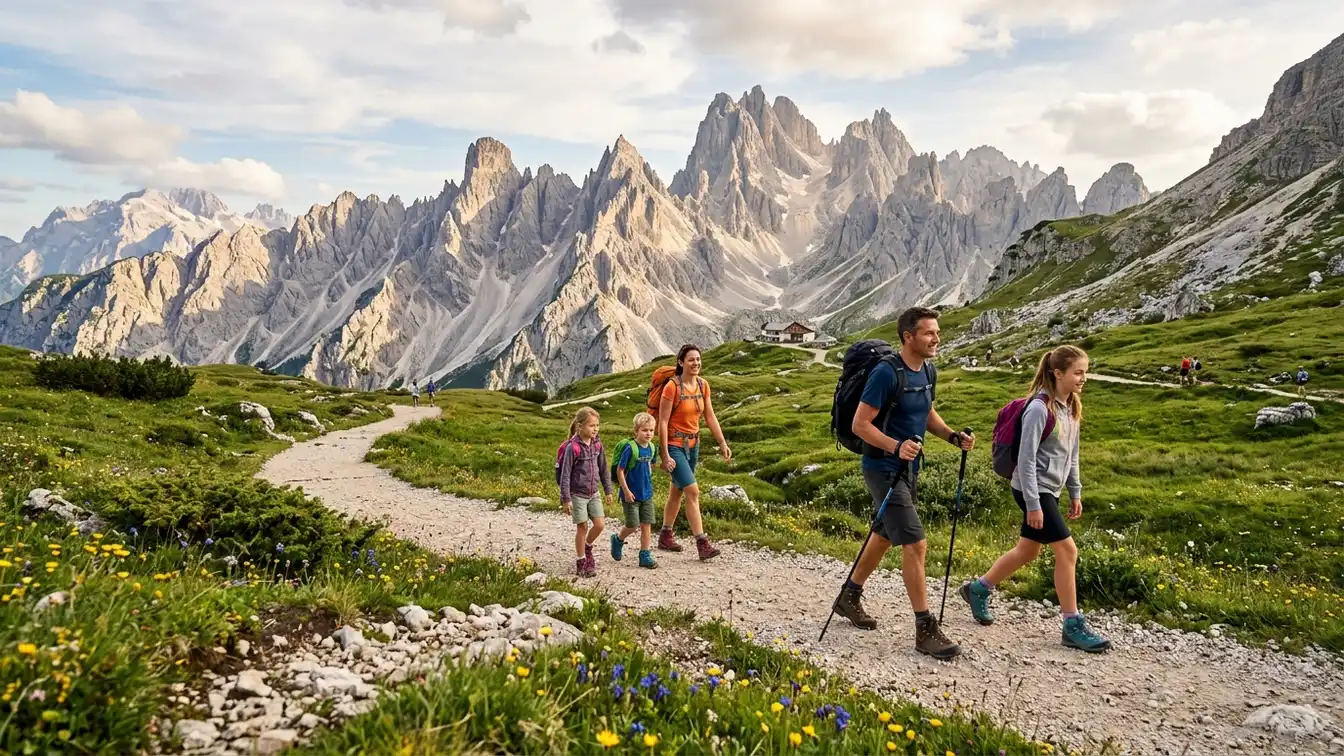
Mid-sized cities in northern Italy including Parma, Modena, and Cremona maintain strong local identities despite receiving visitors, as tourism represents a smaller percentage of their economic activity compared to Venice or Florence. These cities feature significant historical and cultural assets - Parma's Romanesque cathedral and Correggio frescoes, Modena's balsamic vinegar producers and Ferrari museum, Cremona's violin-making tradition - while their streets, markets, and restaurants primarily serve regional residents rather than international tourists. Families encounter authentic pricing, local dialect and customs, and daily rhythms that reflect Italian life beyond the tourism economy. The Trentino-Alto Adige region combines Italian and German cultural influences with mountain landscapes, hiking trails, and small towns where summer visitors include primarily Italian families from southern regions seeking cooler temperatures rather than international tourists following guidebook itineraries.


