Morocco vs Tunisia for Families: Which to Pick?
Choosing between Morocco and Tunisia for a family holiday means weighing two very different North African experiences. Morocco delivers dramatic landscapes, vivid souks and Saharan adventure, while Tunisia offers well-developed Mediterranean beaches, compact distances and Roman ruins that bring history lessons to life. Both countries welcome families warmly, serve child-friendly cuisine and operate in similar price brackets, yet their climates, peak seasons and practical logistics diverge in ways that matter when travelling with children. This head-to-head comparison uses ten years of climate data and on-the-ground seasonal patterns to help families decide which destination suits their needs, whether the priority is guaranteed sunshine, manageable temperatures or avoiding the densest crowds.
Quick Verdict: Who Suits Whom?
Families seeking year-round warmth, desert excursions and imperial cities tend to favour Morocco, especially those willing to handle higher summer heat and longer travel days between highlights. Tunisia appeals to families prioritising Mediterranean beach resorts, shorter transfer times and milder summer temperatures, particularly when travelling with younger children who need predictable routines. Both countries shine in spring and autumn, but Morocco's inland heat in July and August can challenge small children, while Tunisia's coastal location moderates summer extremes. Budget-conscious families will find both destinations affordable outside European school holidays, though Tunisia's compact geography often translates to lower transport costs within the country.
Weather and Climate Compared
Morocco's inland climate - represented here by Marrakech - swings between cooler, wetter winters and scorching, bone-dry summers. January sees average highs of 18.9°C and lows of 4.9°C with 34.4 mm of rain across 4.6 days, while July soars to 38.0°C during the day and 20.5°C at night with just 2.4 mm of rainfall. Spring arrives early: by April highs reach 25.9°C, and May climbs to 30.3°C. Autumn remains warm through October at 29.8°C, then cools rapidly into November at 23.3°C. Rainfall peaks in March at 48.9 mm over 6.3 days, making late autumn and early spring the wettest windows.
| Month | Avg high | Avg low | Rainfall | Rainy days |
|---|---|---|---|---|
| January | 18.9°C | 4.9°C | 34.4 mm | 4.6 |
| February | 20.6°C | 6.4°C | 38.0 mm | 6.3 |
| March | 22.9°C | 8.4°C | 48.9 mm | 6.3 |
| April | 25.9°C | 11.5°C | 34.0 mm | 5.0 |
| May | 30.3°C | 14.7°C | 18.8 mm | 4.3 |
| June | 33.0°C | 17.1°C | 2.7 mm | 0.8 |
| July | 38.0°C | 20.5°C | 2.4 mm | 0.8 |
| August | 37.7°C | 21.0°C | 4.8 mm | 1.9 |
| September | 32.6°C | 18.1°C | 7.1 mm | 1.6 |
| October | 29.8°C | 15.2°C | 18.3 mm | 2.6 |
| November | 23.3°C | 9.6°C | 39.3 mm | 5.0 |
| December | 20.5°C | 6.3°C | 26.8 mm | 4.4 |
Tunisia's coastal Mediterranean climate - shown through Tunis - runs cooler in winter and slightly milder in peak summer. January averages 15.9°C by day and 7.9°C at night with 28.5 mm of rain, while July reaches 35.0°C and 22.2°C with minimal rainfall of 1.3 mm. The spring warm-up lags Morocco's by a few weeks: April hits 21.9°C and May 25.7°C. October remains pleasant at 26.3°C before November drops to 21.2°C. Tunisia's wettest months are March (58.9 mm over 9.7 days) and October through December, when rainfall consistently exceeds 40 mm monthly. Summer drought is absolute in July with just 0.2 rainy days recorded.
| Month | Avg high | Avg low | Rainfall | Rainy days |
|---|---|---|---|---|
| January | 15.9°C | 7.9°C | 28.5 mm | 5.9 |
| February | 17.2°C | 8.3°C | 36.0 mm | 6.7 |
| March | 18.5°C | 9.6°C | 58.9 mm | 9.7 |
| April | 21.9°C | 11.9°C | 38.0 mm | 6.1 |
| May | 25.7°C | 15.1°C | 41.9 mm | 6.1 |
| June | 31.3°C | 19.3°C | 17.6 mm | 3.0 |
| July | 35.0°C | 22.2°C | 1.3 mm | 0.2 |
| August | 34.2°C | 22.6°C | 15.9 mm | 2.6 |
| September | 30.8°C | 21.0°C | 34.4 mm | 4.6 |
| October | 26.3°C | 17.0°C | 46.6 mm | 6.9 |
| November | 21.2°C | 12.8°C | 43.4 mm | 8.4 |
| December | 17.5°C | 9.7°C | 42.6 mm | 7.1 |
The key difference: Morocco heats faster in spring and runs hotter in summer, while Tunisia enjoys a gentler Mediterranean curve with slightly cooler peaks and wetter autumns. Families sensitive to extreme heat will notice Tunisia's four-to-five-degree advantage in July and August, a meaningful margin when managing children outdoors all day.
Best Time to Visit Morocco with Kids
March through May and September through early November offer the sweet spot for Moroccan family travel. April's 25.9°C highs and low rainfall (34.0 mm over 5.0 days) suit city exploration, atlas hikes and desert camps without overwhelming heat. May warms to 30.3°C - still manageable for active families - and rain drops to 18.8 mm. September cools from summer's peak to 32.6°C with minimal rainfall (7.1 mm), while October's 29.8°C feels ideal for souks, riads and coastal Essaouira. Winter months work for budget-focused families willing to pack layers; January's 18.9°C days are pleasant, though 4.9°C nights require warm bedding in unheated accommodations. June through August suit only families who embrace serious heat - July's 38.0°C and August's 37.7°C restrict midday activities and require frequent breaks, abundant hydration and sun protection.
Best Time to Visit Tunisia with Families
April through June and mid-September through October deliver Tunisia's most family-friendly conditions. May's 25.7°C highs and moderate rain (41.9 mm over 6.1 days) balance beach time with sightseeing comfort, while June warms to 31.3°C and dries out substantially (17.6 mm over 3.0 days). September pairs 30.8°C temperatures with calmer seas as crowds thin, though 34.4 mm of rain begins autumn's wetter pattern. October remains warm at 26.3°C but rain increases to 46.6 mm over 6.9 days - still workable with flexible planning. July and August offer guaranteed sunshine (1.3 mm and 15.9 mm respectively) and peak beach weather at 35.0°C and 34.2°C, though coastal resorts fill with European families and prices rise. Winter suits budget travellers and culture-focused itineraries; December's 17.5°C days and 42.6 mm rain over 7.1 days mean cooler ruins exploration and quieter medinas, but swimming becomes marginal.
Crowds and Costs Through the Year
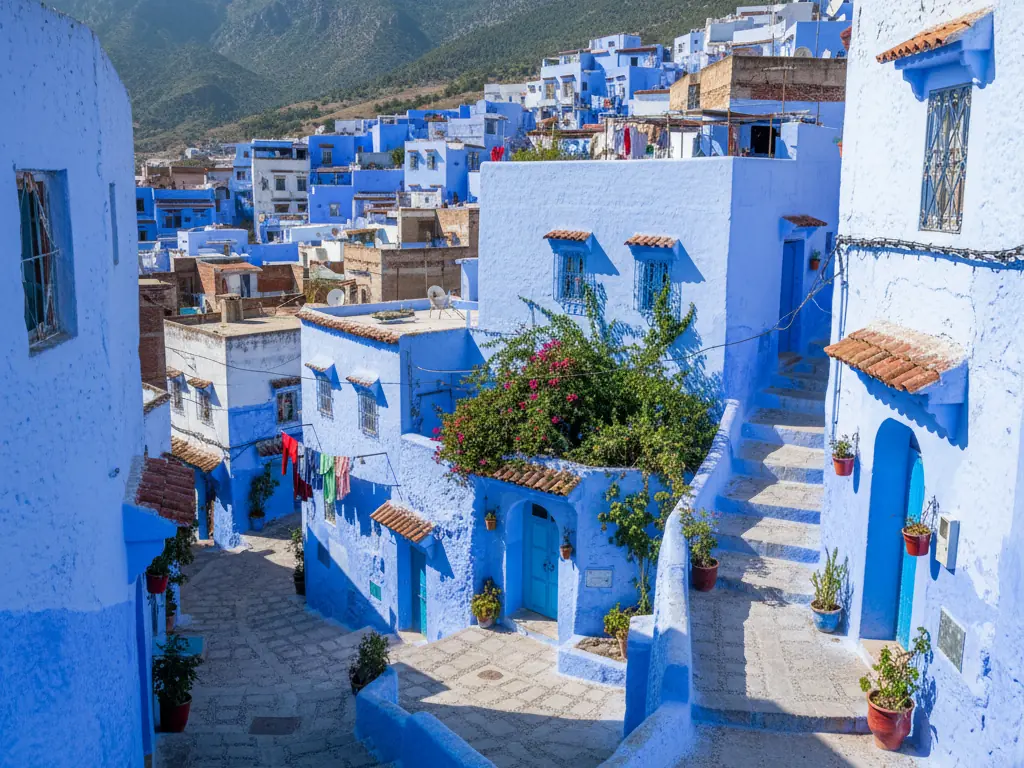
Both destinations see pronounced seasonality driven by European school holidays and climate. Morocco's peak season runs March through May and September through October, when hotels in Marrakech, Fes and Chefchaouen fill quickly and riads require advance booking. July and August draw visitors despite brutal heat, particularly to cooler coastal Essaouira and high-altitude mountain retreats. November through February mark low season; accommodation availability soars and negotiation becomes easier, though some desert camps and mountain lodges reduce operations. Tunisia's peak aligns tightly with summer beach season - mid-June through August - when Mediterranean resorts operate at capacity and prices reach annual highs. Shoulder months of April, May, September and early October offer excellent value as hotels drop rates while weather remains cooperative. Winter brings the quietest period and lowest prices, ideal for families prioritising budget over guaranteed beach days. Neither country approaches the expense of Western Europe even in peak season, but shoulder periods deliver noticeably better value without sacrificing experience quality.
Beaches and Activities for Kids
Tunisia wins the pure beach-holiday comparison with purpose-built Mediterranean resorts in Hammamet, Sousse and Djerba offering shallow, calm waters, supervised hotel pools, kids' clubs and predictable daily rhythms. The compact geography allows easy day trips to Carthage ruins, Sidi Bou Said's blue-and-white village and the Bardo Museum without exhausting travel days. Camel rides, quad biking in coastal dunes and medina treasure hunts engage children without extreme physical demands. Morocco counters with more dramatic adventures: overnight desert camps with star-filled Saharan skies, Atlas mountain valleys for gentle hiking, vivid Marrakech souks where haggling becomes a game and surfing lessons in laid-back Essaouira. Distances between highlights stretch longer - Marrakech to Merzouga takes ten hours - requiring families to embrace road time as part of the adventure. Both countries serve bread-based, mildly spiced cuisines (tagines, couscous, grilled meats) that most children accept readily, and hospitality culture genuinely welcomes young travellers.
Which Family Should Pick Which?
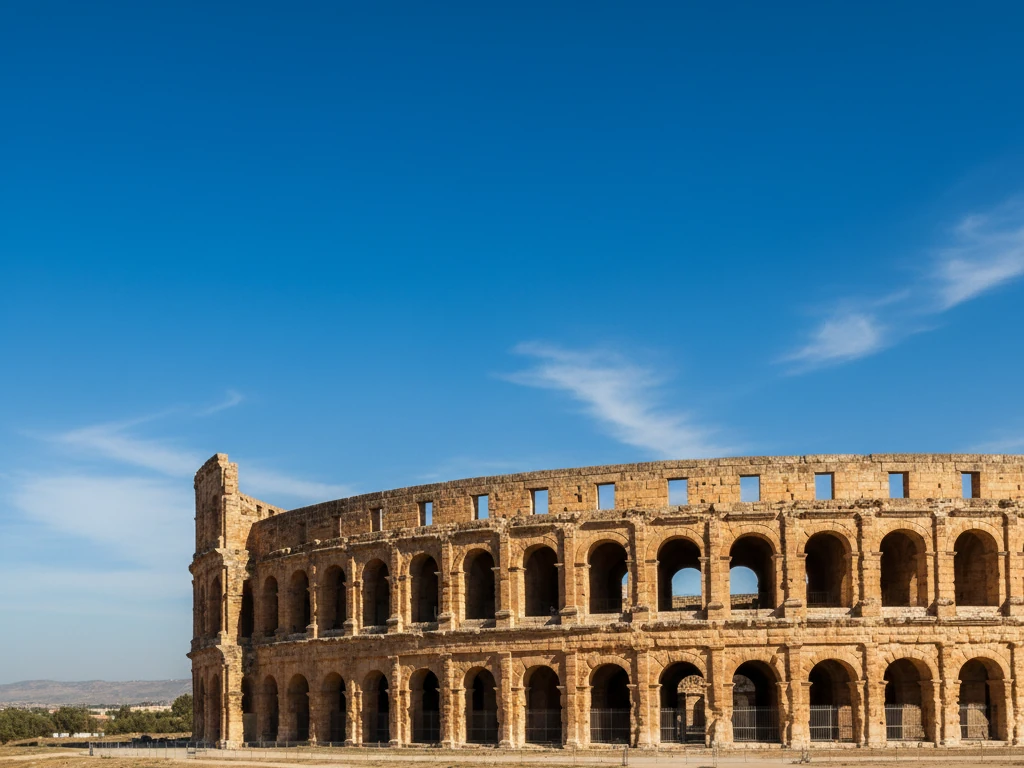
Choose Tunisia if the family priorities list includes guaranteed Mediterranean beaches, shorter distances between activities, milder peak-summer temperatures and younger children (under seven) who thrive on resort structure and routine. The country's compact size means less time in vehicles, while coastal resorts provide predictable amenities and supervised entertainment. Families interested in ancient history will find Tunisia's Roman sites - El Djem amphitheatre, Dougga, Bulla Regia - more accessible and better preserved than Morocco's, often with fewer crowds. Select Morocco when the family seeks more varied landscapes, desert experiences, vibrant souk culture and adventure activities for older children (eight and up) who can handle longer travel days and more rugged conditions. Families willing to time visits for shoulder seasons (April, May, October) will find Morocco's imperial cities, mountain kasbahs and Saharan camps unforgettable. Those with teenagers often prefer Morocco's dramatic contrasts and immersive cultural encounters, while families with toddlers and preschoolers gravitate toward Tunisia's easier logistics and child-friendly beach infrastructure.
FAQ
Is Morocco or Tunisia hotter during the summer school holidays in July and August?
Morocco runs significantly hotter inland during peak summer. Marrakech hits 38.0°C in July and 37.7°C in August with overnight lows of 20.5°C and 21.0°C, while coastal Tunis reaches 35.0°C and 34.2°C with warmer nights at 22.2°C and 22.6°C. Tunisia's Mediterranean location moderates extremes, and beach resorts benefit from sea breezes. Families sensitive to heat will find Tunisia's coast more manageable for all-day outdoor activities with children, though Morocco's Atlantic coast around Essaouira stays cooler than inland cities.
Which country has better weather for families travelling during Easter and spring break?
Both countries perform well in spring, with Morocco slightly warmer and drier. April in Marrakech averages 25.9°C with 34.0 mm of rain over 5.0 days, while Tunis sits at 21.9°C with 38.0 mm over 6.1 days. Morocco's faster spring warm-up and lower rainfall make it marginally better for guaranteed sunshine, though both destinations offer comfortable temperatures for sightseeing and outdoor activities. May sees Morocco reach 30.3°C against Tunisia's 25.7°C, giving Morocco the edge for families wanting warmer beach weather before summer crowds arrive.
Can families visit Morocco or Tunisia during Christmas and New Year holidays with young children?
Yes, both countries remain accessible and affordable during winter holidays, though expectations should adjust for cooler, wetter conditions. Morocco in December averages 20.5°C days and 6.3°C nights with 26.8 mm of rain, while Tunisia sees 17.5°C days and 9.7°C nights with 42.6 mm over 7.1 days. Morocco offers warmer daytime temperatures for exploring cities and mild coastal areas, making it the better winter choice. Swimming becomes marginal in both countries, so focus itineraries on cultural sites, medinas and indoor activities. Pack layers, waterproofs and warm sleepwear, especially for Morocco's unheated traditional accommodations.
What months should families avoid if they want to miss the rain and still have comfortable temperatures?
June and September deliver the optimal balance in both countries. Morocco in June reaches 33.0°C with minimal rain (2.7 mm over 0.8 days), while September cools to 32.6°C with just 7.1 mm. Tunisia in June hits 31.3°C with 17.6 mm over 3.0 days, and September offers 30.8°C though rain picks up to 34.4 mm. Both months dodge the wettest periods (March through May in Tunisia, November through April in Morocco) while avoiding July-August's most extreme heat. Families travelling in these windows benefit from reliable sunshine, warm-but-not-scorching temperatures and shoulder-season pricing before or after peak summer crowds.
Weather data: open-meteo (ERA5 reanalysis, 2014-2023 averages). Reviewed and updated periodically.