Oman Tourist Places

Rub al Khali Oman

Introduction to Oman: A Land of Contrasts

I’ll never forget my first glimpse of Oman from the airplane window. The rugged coastline stretched endlessly below, dotted with pristine beaches and backed by dramatic mountains that seemed to rise directly from the sea. After years of exploring the Arabian Peninsula, I thought I knew what to expect, but Oman surprised me completely.

The Sultanate of Oman sits like a hidden gem on the southeastern edge of the Arabian Peninsula, offering something genuinely different from its flashier neighbors. Where Dubai dazzles with skyscrapers and Qatar impresses with modern architecture, Oman charms through authenticity. Here’s a country that’s managed to modernize thoughtfully while preserving its soul.

What struck me most during my first week there wasn’t just the stunning diversity: from the vast dunes of Wahiba Sands to the emerald pools hidden in oasis canyons. It was the genuine warmth of the people and the sense that I was experiencing the real Middle East, not a polished tourist version.

Oman top places
Escape in the mountains, Oman

Oman feels refreshingly unhurried. You won’t find the crowds that swarm other regional hotspots, nor the aggressive commercialization that can make travel feel transactional. Instead, you’ll discover a country where traditional dhow boats still dot ancient harbors, where frankincense trees grow wild in the mountains, and where Bedouin hospitality remains a living tradition rather than a marketing concept.

Why Oman Deserves a Spot on Your Travel Bucket List

After returning to Oman six times over the past decade, I’ve identified exactly why this country keeps drawing me back. It’s not just one thing; it’s a perfect storm of factors that create an unmatched travel experience.

The geographic diversity alone is staggering. In a single day, I’ve watched sunrise over desert dunes, hiked through mountain villages where roses bloom at 2,000 meters, and ended with sunset over fjord-like coastlines that rival Norway’s beauty. Few countries pack this much variety into such accessible distances.

But it’s the people who make Oman truly special. I’ve been invited for coffee by strangers countless times, helped when my car broke down in remote areas, and treated with kindness that goes far beyond polite hospitality. The harassment that plagues solo travelers (especially women) in many destinations simply doesn’t exist here.

Safety-wise, Oman consistently ranks among the world’s top destinations. According to the HelloSafe World Safety Index, Oman ranks 8th globally with a safety score of 72.6, ahead of countries like Malaysia. The Oman Foreign Ministry notes that Oman ranks in the top 10 globally for resident safety perception, with particularly high marks for night safety.

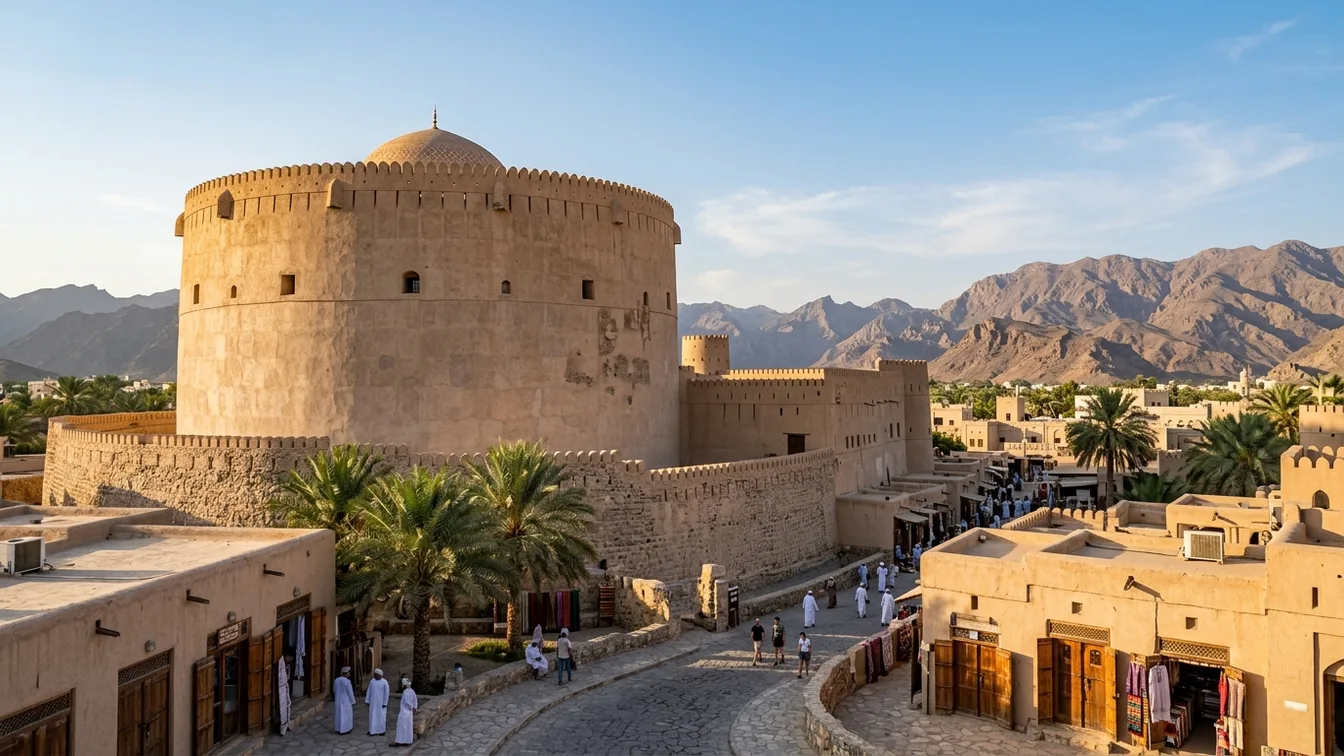
Fort Nizwa Oman
Fort Nizwa, Oman

The infrastructure impressed me from day one. Roads are excellent, signage is clear in English and Arabic, and everything runs efficiently without feeling sterile. It’s orderly in a way that makes travel smooth, yet retains character that makes it memorable.

  • Geographic diversity: Mountains, deserts, beaches, and wadis within driving distance
  • Cultural authenticity: Real Arabian experiences without tourist theater
  • Safety and stability: Top 10 global safety rankings with low crime rates
  • Excellent infrastructure: Modern amenities with traditional charm
  • Warm hospitality: Genuine kindness from locals throughout the country

How Many Days to Spend in Oman

Through multiple visits of varying lengths, I’ve learned that 10 days hits the sweet spot for most first-time visitors. This gives you enough time to experience Oman’s main highlights without feeling rushed, while leaving room for spontaneous discoveries.

In 10 days, you can comfortably explore Muscat’s cultural landmarks, venture into the mountains around Nizwa, spend a night under the stars in Wahiba Sands, and still have time for coastal adventures or a quick trip to Salalah. I’ve guided friends through exactly this itinerary, and they’ve consistently felt satisfied rather than overwhelmed.

That said, I’ve had wonderful shorter trips too. A long weekend can give you a taste of Muscat and nearby attractions like Wadi Shab. For those with more time, two weeks allows for deeper exploration of remote regions like Musandam or extended stays in the Empty Quarter.

The key is matching your timeframe to realistic expectations. Distances in Oman are substantial, and the joy lies in savoring experiences rather than checking boxes.

Muscat: The Captivating Capital

Muscat defies every stereotype about Middle Eastern capitals. There are no gleaming towers reaching for the sky, no traffic-choked highways cutting through the city center. Instead, Oman’s capital spreads gracefully along a natural harbor, its low-rise buildings painted in warm earth tones that complement the surrounding mountains.

What makes Muscat special is its thoughtful urban planning. Building height restrictions preserve the city’s human scale, while architectural guidelines ensure new construction harmonizes with traditional aesthetics. The result feels both timeless and thoroughly modern: a city that’s embraced progress without sacrificing its identity.

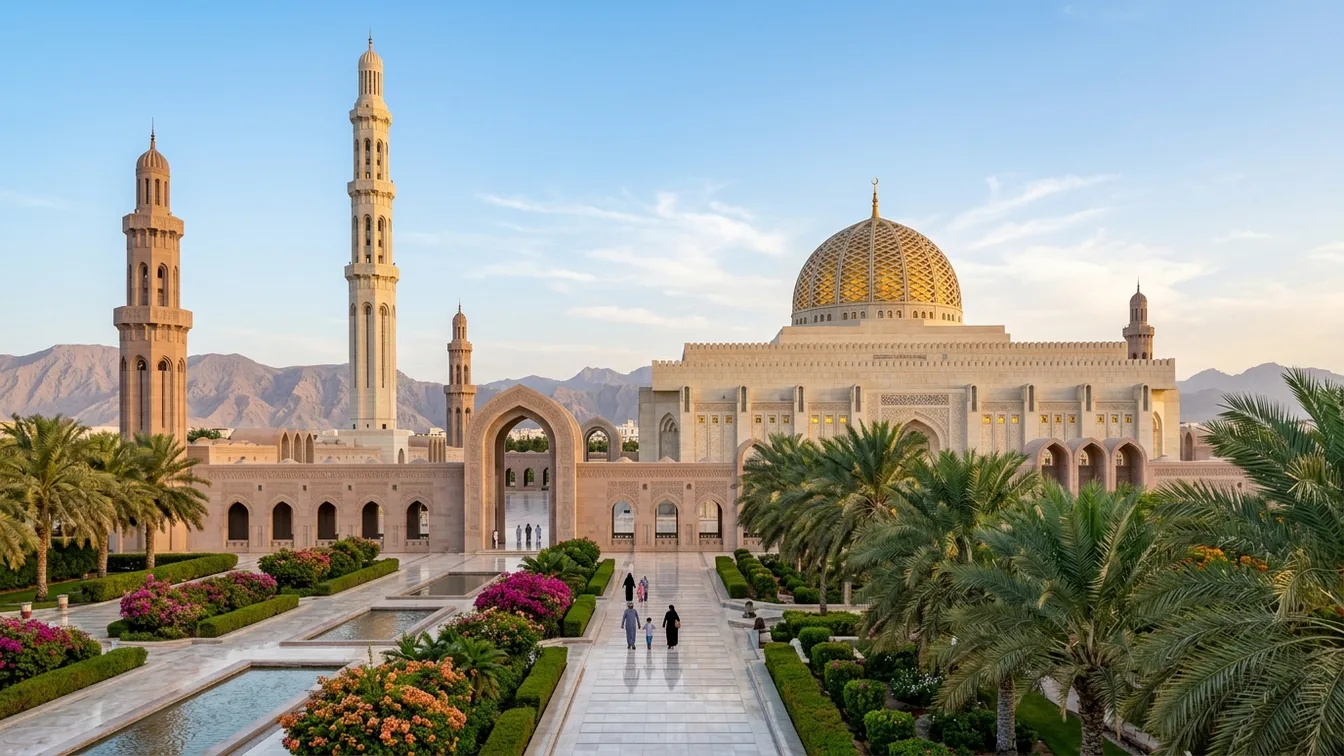
Mosque Al Hamriya Muscat Oman
Mosque Al Hamriya, Muscat, Oman

I typically begin and end my Oman adventures in Muscat, using its central location and excellent infrastructure as a base for exploring the country. The city divides into several distinct areas: historic Muttrah with its famous souq and corniche, governmental Muscat proper with the Sultan’s palace, modern Qurum with shopping and dining, and the airport area of Seeb.

The beauty of Muscat lies in its contrasts. You can explore a 500-year-old fort in the morning, browse traditional crafts in an ancient market at midday, and dine at a world-class restaurant while watching sunset over the Gulf of Oman in the evening.

Most visitors find three to four days perfect for experiencing Muscat thoroughly, though I’ve never tired of returning to favorite spots or discovering new corners of this endlessly fascinating capital city.

Cultural Landmarks and Modern Marvels

Muscat’s attractions blend spiritual grandeur, historical significance, and contemporary cultural achievements in ways that few capitals manage. I’ve visited each of these landmarks multiple times, in different seasons and times of day, and they continue to reveal new facets.

The Sultan Qaboos Grand Mosque stands as Muscat’s crown jewel: a masterpiece of Islamic architecture that welcomes non-Muslim visitors with remarkable openness. During my first visit, a guide spent nearly an hour explaining the intricate Persian carpet that covers the main prayer hall, sharing details about its creation that aren’t found in any guidebook. The mosque’s proportions create an almost overwhelming sense of peace, while its modern amenities (including air conditioning that works miracles in Oman’s heat) make extended visits comfortable.

Muttrah Souq offers the opposite experience: intimate, bustling, and delightfully chaotic. I’ve developed relationships with several shopkeepers over the years, learning which stalls offer the finest frankincense and where to find authentic Omani silver. The key to enjoying the souq is patience and a willingness to haggle gently. Don’t rush through; instead, accept the inevitable cups of tea and let conversations develop naturally.

The Royal Opera House Muscat represents contemporary Oman’s cultural ambitions beautifully. I attended a performance by the Berlin Philharmonic there, and the acoustics rivaled any European concert hall. Even if you’re not attending a show, the building itself merits a visit for its stunning blend of traditional and modern architectural elements.

Al Alam Palace, the Sultan’s ceremonial residence, provides Muscat’s most photographed vista. The palace itself isn’t open to visitors, but the surrounding area offers perfect vantage points for capturing the building’s distinctive blue and gold facade against the backdrop of 16th-century Portuguese forts.

  1. Sultan Qaboos Grand Mosque: Open Saturday-Thursday 8:00-11:00 AM (dress modestly)
  2. Muttrah Souq: Daily 9:00 AM-1:00 PM, 4:00-9:00 PM (Friday mornings closed)
  3. Royal Opera House: Check performance schedule; building tours available
  4. Al Alam Palace: External viewing only; best photos from surrounding forts
  5. Muttrah Corniche: 24/7 access; early morning and sunset optimal for photos

Coastal Escapes Near Muscat

Muscat’s location on Oman’s west coast provides access to some incredible turquoise inlets and hidden beaches that most visitors never discover. My favorite escape is Bandar Al Khairan, a protected area about 45 minutes south of the city where dramatic cliffs meet crystal-clear waters.

I’ve rented boats there multiple times to explore the secluded coves that are only accessible from the water. The sensation of swimming in these pristine waters, surrounded by towering cliffs and complete silence except for gentle waves, ranks among my most memorable travel experiences. The marine life is spectacular: I’ve snorkeled alongside sea turtles, spotted dolphins, and marveled at coral formations that seem impossibly vibrant.

Finding reliable boat operators can be tricky, but I’ve had excellent experiences with the team at Bandar Al Khairan Resort, who offer half-day and full-day trips with snorkeling equipment included. Fair warning: my attempt at paddleboarding there ended with an undignified tumble into the water after about thirty seconds, much to the amusement of my Omani guide.

Qantab Beach offers a more accessible option for those preferring to stay on land. It’s a working fishing village with a beautiful beach that’s particularly stunning at sunset. The small restaurants serve fresh fish caught that morning, and the relaxed atmosphere provides a perfect contrast to Muscat’s urban energy.

Yiti Beach, further east, remains relatively undeveloped despite its proximity to the capital. The drive there passes through dramatic mountain scenery, and the beach itself offers excellent swimming and snorkeling opportunities.

Where to Stay in Muscat

Muscat offers accommodation options that range from intimate boutique properties to sprawling luxury resorts, each with distinct advantages depending on your travel style and priorities.

I’ve stayed at The Chedi Muscat multiple times and consistently been impressed by its understated elegance. The property’s minimalist design displays Omani craftsmanship beautifully, while the beach location provides easy access to water activities. Request a room in the newer section if you prioritize modern amenities, though the original building has more character.

For those seeking traditional luxury, the Ritz Carlton’s Al Bustan Palace delivers in spectacular fashion. Set against the backdrop of the Al Hajar Mountains, this property feels like a palace from Arabian Nights. The breakfast alone justifies the rate: I’ve never seen such variety or quality anywhere in the Middle East. The private beach is excellent, though the property’s size means you’ll do a fair amount of walking.

Jumeirah Muscat Bay impressed me with its innovative architecture and exceptional service. The infinity pools seem to blend seamlessly with the Gulf of Oman, creating Instagram-worthy moments at every turn. The spa here ranks among the best I’ve experienced globally.

W Muscat brings contemporary style to the traditional resort concept. It’s particularly popular with younger travelers and those seeking vibrant nightlife options. The rooftop bar offers stunning city views, though be prepared for higher prices than other venues.

For a more intimate experience, Shangri-La Al Husn provides adult-only luxury with impeccable service. The property feels exclusive without being stuffy, and the attention to detail is remarkable.

HotelPrice RangeKey FeaturesPersonal Notes
The Chedi Muscat$$$$Minimalist luxury, beach accessRequest newer section for modern amenities
Al Bustan Palace$$$$Traditional palace setting, mountain viewsOutstanding breakfast, large property
Jumeirah Muscat Bay$$$$Modern architecture, infinity poolsExcellent spa, great for photos
W Muscat$$$Contemporary style, vibrant nightlifeYounger crowd, rooftop bar with views
Shangri-La Al Husn$$$$Adult-only, intimate luxuryExceptional service, quiet atmosphere

Dining in Muscat

Muscat’s culinary scene reflects the country’s position at the crossroads of Arabia, Persia, and the Indian Ocean. The city offers everything from traditional Omani cuisine to exceptional international options, often in settings that add to the dining experience significantly.

Bait Al Luban remains my go-to recommendation for authentic Omani cuisine. Located in a restored traditional house in Muttrah, the restaurant serves dishes like shuwa (slow-roasted lamb) and majboos (spiced rice with meat) that display local flavors beautifully. The rooftop terrace provides stunning views of Muttrah harbor, especially at sunset.

For upscale beachfront dining, The Pavilion at Al Bustan Palace consistently delivers exceptional meals in a spectacular setting. I’ve celebrated several special occasions there, and the combination of fresh seafood, attentive service, and dramatic mountain backdrop never fails to impress. Their grilled hammour with Omani spices has become my standard order.

Tokyo Taro might seem an unlikely choice in Muscat, but this Japanese restaurant serves some of the finest sushi I’ve had outside Japan. The chef sources fish directly from Muscat’s fish market each morning, ensuring remarkable freshness. Reservations are essential.

Turkish House offers a welcome change from Arabic cuisine with authentic Ottoman dishes in an atmospheric setting. The mixed grill platter provides excellent value, and the traditional Turkish coffee service concludes meals perfectly.

For casual dining with a view, head to any of the restaurants along Muttrah Corniche. The outdoor terraces come alive in the evening, offering fresh seafood and traditional dishes while you watch dhow boats move through the harbor.

  • Shuwa: Slow-roasted lamb with aromatic spices (weekend specialty)
  • Majboos: Fragrant rice with meat or fish, similar to biryani
  • Mashuai: Grilled kingfish with spiced rice
  • Halwa Omani: Traditional sweet made with rosewater and nuts
  • Qahwa Omani: Traditional coffee served with dates
  • Laban: Refreshing buttermilk drink perfect for hot days

Natural Wonders of Oman

Oman’s natural landscape reads like a geography textbook come to life. Within a few hours’ drive, you can transition from coastal plains to towering mountains, from verdant wadis to endless desert dunes. This diversity surprised me completely during my first visit: I’d expected sand and heat, not the incredible variety that makes Oman a natural wonderland.

The country’s position at the intersection of different climate zones creates these dramatic contrasts. Monsoon rains transform southern Oman into a green paradise during Khareef season, while the northern mountains capture enough moisture to support terraced agriculture and rose gardens. Meanwhile, the interior deserts display the raw beauty that has shaped Arabian culture for millennia.

What makes these natural wonders particularly special is their accessibility. Unlike similar attractions in other countries that require expensive expeditions or extreme physical fitness, Oman’s natural sites welcome visitors with well-maintained access roads and reasonable facilities. You can swim in emerald pools, explore limestone caves, and camp under star-filled skies without sacrificing comfort or safety.

The geological forces that created these landscapes continue to shape the country today. Tectonic activity formed the dramatic mountains, while water erosion carved the spectacular wadis and sinkholes that provide oases of green in otherwise arid terrain.

Exploring Oman’s Stunning Wadis

Wadis (dry riverbeds that fill with water during rains) represent some of Oman’s most magical destinations. These natural swimming pools and hidden gorges provide refreshing escapes from the desert heat while displaying the country’s geological diversity.

Wadi Shab stands as the crown jewel among Oman’s wadis. The adventure begins with a short boat ride across a lagoon (don’t worry, it’s just a few minutes), followed by a moderate hike through increasingly dramatic canyon walls. The real prize lies at the end: a swim through a narrow cave opening that leads to an emerald pool illuminated by natural skylights. I’ve made this swim dozens of times, and it never loses its magic. The water stays refreshingly cool even in summer, and the acoustics inside the cave create an almost cathedral-like atmosphere.

Wadi Bani Khalid offers a completely different experience. Here, multiple pools cascade down natural terraces, creating perfect spots for swimming and relaxation. I’ve found that arriving early in the morning allows you to enjoy the main pools in relative solitude before day-trippers arrive. The water here comes from underground springs, so it’s crystal clear year-round. Don’t miss the smaller pools higher up the wadi: they’re often completely private and equally beautiful.

Wadi Al Arbeieen provides the most dramatic setting of the three. The narrow canyon walls tower overhead, creating a natural air conditioning system that keeps temperatures comfortable even during Oman’s hottest months. The pools here are smaller but incredibly scenic, with waterfalls during the rainy season.

Practical tips from experience: wear water shoes or sturdy sandals with good grip (the rocks can be slippery). Bring a waterproof bag for your electronics and don’t underestimate how much water you’ll need for the hikes. The best time to visit is early morning or late afternoon when the lighting is perfect for photography and temperatures are most comfortable.

WadiDistance from MuscatDifficulty LevelFacilitiesBest Time to Visit
Wadi Shab140 km (1.5 hours)ModerateBasic toilets, small shopEarly morning or late afternoon
Wadi Bani Khalid203 km (2.5 hours)EasyRestaurant, toilets, parkingYear-round, avoid Friday afternoons
Wadi Al Arbeieen180 km (2 hours)Easy to moderateLimited facilitiesMorning preferred for photography

Bimmah Sinkhole and Other Geological Wonders

The Bimmah Sinkhole stopped me in my tracks during my first visit to Oman. After hours of driving through arid landscape, suddenly there’s this perfectly round pool of the most incredible turquoise water you’ve ever seen, as if someone dropped a piece of the Maldives into the Arabian Peninsula.

According to Atlas Obscura, this natural wonder measures approximately 50m x 70m wide and 20m deep, formed by the dissolution of limestone through groundwater erosion. Local legend attributes its formation to a meteorite impact, reflected in the Arabic name ‘Hawaiyat Najm’ meaning ‘The Falling Star,’ though geological evidence confirms the more mundane but equally fascinating process of limestone dissolution.

Swimming in the sinkhole feels otherworldly. The water is a mix of fresh and salt water, creating perfect buoyancy for floating while small fish provide a natural spa experience by gently nibbling dead skin from your feet. The Vagabundler guide notes that the site has been developed into Hawiyat Najm Park with a concrete staircase providing safe access to the water.

The sinkhole’s location (just 600 meters from the sea and approximately 113 km from Muscat) makes it perfect for a day trip or as a stop on longer journeys along the coast. I’ve visited at different times of day, and the lighting changes dramatically affect the water’s color, ranging from deep turquoise in morning shadows to brilliant azure under midday sun.

What struck me most about the Bimmah Sinkhole compared to similar natural swimming spots I’ve visited worldwide is how accessible and well-maintained it is while retaining its wild character. The local municipality has struck an excellent balance between preservation and visitor access.

Mountain Adventures in Jebel Akhdar and Jebel Shams

Oman’s mountains offer a completely different perspective on Arabian Peninsula geography. The drive up to Jebel Akhdar (the Green Mountain) provides one of the most dramatic elevation changes I’ve experienced anywhere. As you climb the winding road, temperatures drop noticeably, and suddenly you’re surrounded by terraced farms growing roses, pomegranates, and other crops that seem impossible in this climate.

The Wikipedia entry for Jebel Akhdar notes that the Saiq Plateau sits at 2,000 meters elevation, where a mild Mediterranean-like climate supports agriculture thanks to approximately 300mm of annual precipitation. During my visit in April, the famous damask roses were in full bloom, filling the air with an intoxicating fragrance that perfume makers have prized for centuries.

Jebel Shams (literally “Mountain of the Sun”) offers even more dramatic scenery. As Oman’s highest peak at 3,018 meters, it provides access to what locals call Oman’s Grand Canyon. The rim walk offers spectacular views into Wadi Ghul, where villages cling to seemingly impossible cliff-side locations.

I learned the hard way that altitude adjustment matters even at these relatively modest elevations. During my first mountain visit, I pushed too hard too fast and ended up with a splitting headache. Take your time, drink plenty of water, and listen to your body.

Vehicle requirements are serious here: Jebel Akhdar requires 4WD vehicles due to steep, rough roads. The checkpoints at the base aren’t just for show; they will turn you back if your vehicle doesn’t meet requirements. For Jebel Shams, the Walkopedia hiking guide describes the challenging W4 trail as 18-23km with 1,000-1,400m elevation gain, taking 8-12 hours and recommended only from September to May.

The mountain experience in Oman goes beyond scenery. These peaks have shaped the country’s culture, providing refuge during invasions and water sources that enabled civilization to flourish in an otherwise harsh environment.

Desert Experiences in Wahiba Sands

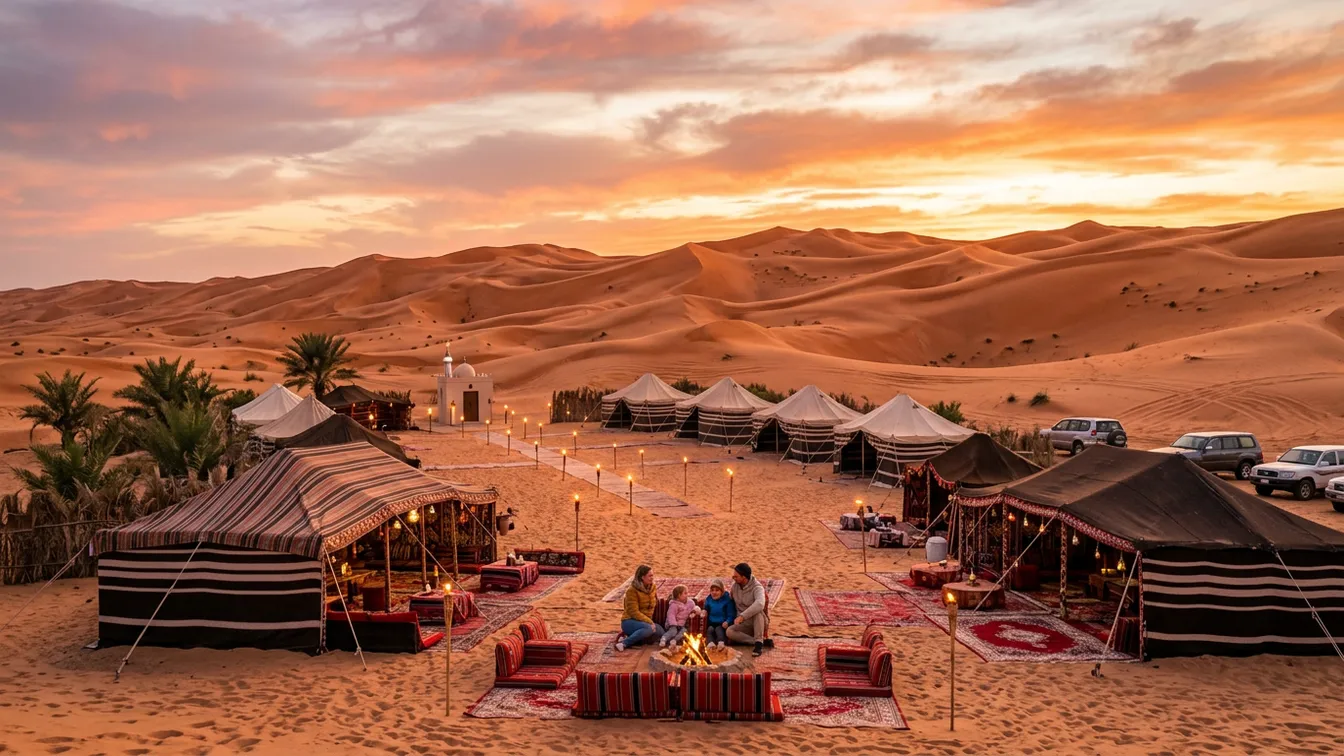
Nothing quite prepares you for your first sunset over the Wahiba Sands. The endless dunes stretch to every horizon, their colors shifting from gold to amber to deep orange as the sun descends. In that moment, surrounded by silence broken only by the whisper of wind-blown sand, you understand why the desert has fascinated travelers for millennia.

Wahiba Sands offers the quintessential Arabian desert experience just a few hours’ drive from Muscat. These aren’t the manicured dunes of tourist brochures: this is a living desert where Bedouin families still follow traditional lifestyles, moving with their herds and maintaining customs passed down through generations.

My first night under the stars there ranks among my most memorable travel experiences. After the initial excitement of dune bashing and camel rides wore off, I found myself sitting quietly with my Bedouin guide, learning to identify constellations by their Arabic names and hearing stories about desert navigation that his grandfather had taught him. The silence was profound: a complete absence of mechanical noise that city dwellers rarely experience.

Musandam Oman
Musandam, Oman

The desert camps range from basic Bedouin-style setups to luxury properties with air-conditioned tents and gourmet dining. I’ve stayed at both ends of the spectrum, and each offers distinct advantages. The simpler camps provide more authentic cultural immersion, while luxury options prove that you can experience the desert’s magic without sacrificing comfort.

Preparing for a desert stay requires some thought. Temperatures can swing dramatically between day and night, especially during winter months. I learned to pack layers after shivering through my first desert evening in just a t-shirt, despite the day’s blazing heat.

Desert Camps and Activities

Choosing the right desert camp significantly impacts your Wahiba Sands experience. I’ve stayed at several different properties over the years, each offering distinct advantages depending on your priorities and budget.

Thousand Nights Camp provides the most authentic Bedouin experience I’ve found. The accommodations are basic but comfortable: traditional goat-hair tents with simple bedding and shared facilities. What makes this camp special is the genuine cultural interaction. The hosts are actual Bedouin families who share stories, demonstrate traditional crafts, and teach desert survival skills. The meals, cooked over open fires, taste better than anything from fancy hotel kitchens.

For those seeking luxury without losing authenticity, Desert Nights Camp strikes an excellent balance. The tented accommodations include private bathrooms and air conditioning, while activities maintain traditional elements. I’ve particularly enjoyed their falconry demonstrations and the opportunity to learn basic Arabic phrases from the staff.

Luxury Desert Camp lives up to its name with spacious tents featuring modern amenities and gourmet dining. It’s perfect for travelers who want to experience the desert without roughing it. The infinity pool seems almost surreal against the backdrop of endless dunes.

The real magic happens during activities. Dune bashing with skilled local drivers provides an adrenaline rush unlike anything else: imagine a roller coaster with no tracks, just skilled navigation over constantly shifting sand. If you’re prone to motion sickness, sit in the front seat and focus on the horizon. Trust me on this one.

Camel rides offer a more contemplative pace. These aren’t the tourist-trap photo ops you might expect: proper camel treks provide insight into how these remarkable animals enabled desert travel for centuries. The swaying motion takes getting used to, but there’s something deeply peaceful about moving across the dunes at camel pace.

Stargazing in the desert reveals the night sky as our ancestors knew it. Without light pollution, the Milky Way appears as a brilliant river of stars stretching across the darkness. My Bedouin guides taught me to find my way using star positions, skills that remain relevant for desert travel today.

Camp TypePrice RangeAmenitiesActivitiesPersonal Rating
Thousand Nights$$Basic tents, shared facilitiesCultural immersion, traditional mealsAuthentic experience ★★★★★
Desert Nights$$$Private bathrooms, A/CFalconry, camel rides, stargazingGreat balance ★★★★☆
Luxury Desert$$$$Full amenities, pool, gourmet diningAll activities plus spa servicesComfortable luxury ★★★★☆

Historical Treasures: Nizwa, Bahla, and Beyond

Exploring Oman’s historical sites transformed my understanding of the Arabian Peninsula’s strategic importance throughout history. These aren’t just tourist attractions: they’re tangible connections to trading routes that linked East and West, to Islamic scholarship that preserved knowledge through dark ages, and to architectural innovations that solved practical problems in harsh climates.

What impressed me most about Oman’s approach to heritage preservation is the balance between conservation and accessibility. Unlike some countries where historical sites feel sterile or overly commercialized, Oman’s forts and castles retain their authentic atmosphere while providing enough context for visitors to appreciate their significance.

Sultan Qaboos Grand Mosque

The restoration work I’ve witnessed over multiple visits demonstrates remarkable commitment to historical accuracy. Traditional building techniques are employed using original materials wherever possible, ensuring that repairs blend seamlessly with original construction. This attention to detail preserves the integrity of these structures for future generations.

Compared to similar historical sites in other countries I’ve visited, Oman’s heritage locations feel refreshingly unrushed. You can spend hours exploring without feeling pressured to move along, and the lack of crowds allows for contemplative experiences that connect you to the past in meaningful ways.

Nizwa: Oman’s Ancient Capital

Nizwa served as Oman’s capital for centuries, and walking through its streets today reveals layers of history that span nearly a millennium. The city’s importance derived from its strategic location at the intersection of caravan routes, making it a natural center for trade, learning, and governance.

The Friday goat market provided one of my most authentic cultural experiences in Oman. Arriving before dawn, I watched Bedouin herders bring their animals to trade using methods unchanged for generations. The negotiations happen in rapid Arabic punctuated by theatrical gestures, with deals sealed by handshakes and shared tea. It’s a window into rural Omani life that few visitors experience.

Nizwa Souq operates daily but comes alive on Fridays when the animal market draws traders from across the region. I’ve learned to find my way through the maze of stalls over multiple visits, developing relationships with craftsmen who create traditional silver jewelry using techniques passed down through families. The quality varies dramatically, so take time to compare before purchasing. Authentic pieces feature intricate filigree work and solid weight that distinguishes them from tourist reproductions.

Nizwa Fort dominates the city center with its massive circular tower: an architectural marvel that took twelve years to complete in the 17th century. I made the mistake during my first visit of climbing the tower during midday heat. Early morning provides perfect lighting for photography while temperatures remain comfortable. The guard who unlocked the upper levels shared stories about the fort’s defensive features, including the ingenious traps designed to stop invaders.

The fort’s interior reveals sophisticated water management systems and storage facilities that enabled the garrison to withstand lengthy sieges. The museum displays traditional weapons, household items, and historical documents that bring the past to life. Don’t rush through: the details reward careful observation.

From the tower’s summit, the view encompasses the entire oasis that made Nizwa’s prosperity possible. Palm groves stretch in every direction, fed by ancient falaj irrigation systems that continue to function today. It’s a perfect illustration of how human ingenuity enabled civilization to flourish in challenging environments.

Forts and Castles of Central Oman

The fortifications scattered across central Oman tell the story of a region that has been contested, conquered, and defended for over a thousand years. Each structure reflects different architectural influences and defensive strategies, creating a fascinating study in military engineering evolution.

Bahla Fort earns its UNESCO World Heritage Site designation through its outstanding example of medieval Islamic fortification. Built primarily by the Banu Nebhan tribe between the 12th and 15th centuries, it demonstrates advanced water engineering through its falaj system and pre-gunpowder defensive architecture. The fort was on the List of World Heritage in Danger from 1988 to 2004 due to deterioration, but careful restoration has returned it to its former glory.

Walking through Bahla’s massive walls and towers, you can almost hear the echoes of ancient battles. The fort’s size (it’s enormous) reflects the wealth and power of its builders. Local guides share legends about hidden treasures and secret passages, though I suspect some stories have grown more colorful over time.

Jibreen Castle represents the pinnacle of Omani palatial architecture. Unlike the purely defensive structures elsewhere, Jibreen was designed as a residence for the Imam and his court. The intricate ceiling paintings in the main halls display artistic traditions that blend Persian, Indian, and Arabic influences. I got thoroughly lost during my first visit, wandering through seemingly endless corridors and chambers. The castle’s layout was designed to confuse invaders, and it still works effectively on modern visitors.

Al Hamra Mud Village provides insight into traditional Omani architecture before stone fortifications became common. The 400-year-old village displays building techniques using local materials: mud brick, palm wood, and stone foundations. Many houses remain inhabited, offering glimpses into daily life that has changed remarkably little over centuries.

Birkat Al Mouz Village Ruins tell a more melancholy story. This once-prosperous settlement was abandoned when its water sources dried up, leaving behind empty houses that nature is slowly reclaiming. The ruins provide sobering reminders of how dependent civilization remains on reliable water sources, even in modern times.

Coastal Gems and Island Escapes

Oman’s coastline stretches for over 3,000 kilometers, encompassing everything from dramatic fjords that rival Norway’s beauty to pristine white-sand beaches that could grace any tropical paradise. The variety surprised me completely: I’d expected a fairly uniform Arabian Gulf coastline, not the remarkable diversity that makes coastal exploration endlessly rewarding.

The character of the coast changes dramatically as you travel from north to south. In the north, around Musandam, towering cliffs plunge directly into deep blue waters, creating fjord-like inlets perfect for boat exploration. The central coast around Muscat offers a gentler landscape where mountains meet the sea through gradual slopes, creating perfect conditions for beaches and water sports.

Moving south toward Sur and beyond, the coastline becomes more tropical, with palm-fringed beaches and coral reefs that support incredible marine biodiversity. The far south around Salalah transforms completely during Khareef season, when monsoon rains create lush coastal plains that feel more like Southeast Asia than the Arabian Peninsula.

Sultan Quaboos Grand Mosque Muscat, Oman

My favorite coastal drives aren’t found in most guidebooks. The road from Quriyat to Sur hugs the coastline for hours, revealing hidden beaches and fishing villages where traditional life continues largely unchanged. Another spectacular route follows the coast north of Muscat toward Seeb, offering sunset viewpoints that photographers dream about.

Daymaniyat Islands and Marine Life

The Daymaniyat Islands Nature Reserve represents one of Oman’s best-kept secrets: a chain of nine uninhabited islands just off the coast near Muscat that harbor some of the region’s most pristine marine ecosystems. These islands provide sanctuary for endangered species while offering visitors world-class snorkeling and diving opportunities.

My most memorable snorkeling experience happened during a calm morning in the protected waters between the islands. The visibility was extraordinary (easily 30 meters) allowing me to observe the intricate coral formations that thrive in these nutrient-rich waters. I encountered green sea turtles, reef sharks, and schools of tropical fish that seemed impossibly vibrant against the blue water.

The islands serve as important nesting sites for various seabird species and marine turtles. During nesting season (May through July), access is restricted to protect these vulnerable populations. Even outside nesting season, strict regulations govern visitor activities to minimize environmental impact.

Finding reliable boat operators requires some research. I’ve had excellent experiences with several companies based at Marina Bandar Al Rowdha, but quality varies significantly. Look for operators who prioritize environmental protection and employ knowledgeable guides who can identify marine life and explain the ecosystem’s importance.

Practical advice from hard-won experience: bring high-SPF sunscreen and reapply frequently (the sun’s reflection off the water intensifies its effects dramatically). Seasickness medication is wise even if you’re normally unaffected; the boat ride can be choppy depending on conditions. For underwater photography, a waterproof housing is essential, but even basic waterproof cameras capture the vibrant colors effectively.

The marine life varies seasonally. Whale sharks occasionally visit during summer months, while winter brings different species of rays and sharks. Dolphins are common year-round and often approach boats curiously.

Sur and the Eastern Coast

Sur embodies Oman’s maritime heritage better than any other coastal city. This charming port has built and launched dhow boats for over 500 years, maintaining traditions that connect modern Oman to its seafaring past. Walking through Sur’s boat yards feels like stepping back in time: craftsmen still shape hulls using techniques passed down through generations.

I spent hours watching master boat builders work, fascinated by their ability to create seaworthy vessels using nothing more than hand tools and inherited knowledge. The craftsmen I spoke with expressed pride in maintaining these traditions despite modern alternatives. Several explained that dhow construction represents more than just boat building; it’s a connection to ancestors who used these same techniques to build the vessels that made Oman a maritime power.

Sur’s lighthouse, built by the British in the 1960s, provides excellent views over the harbor and surrounding coastline. The climb to the top is worth the effort, especially during late afternoon when the lighting is perfect for photography.

Ras Al Jinz Turtle Reserve, just outside Sur, offers one of the world’s most important green turtle nesting sites. I’ve visited multiple times, and each experience has been different. The emotional impact of watching these ancient creatures emerge from the sea to nest never diminishes. The reserve operates carefully managed viewing programs that allow visitors to observe nesting without disturbing the turtles.

For the best turtle viewing experience, book the night tour during peak season (June through September). Arrive early to secure spots: the reserve limits visitor numbers to protect the turtles. Bring a red flashlight if you have one; white light disturbs nesting females. The guides are excellent, providing context about turtle biology and conservation efforts that add to the experience significantly.

The drive from Sur to Muscat via the coastal route passes the famous Bimmah Sinkhole and offers spectacular scenery throughout. Allow extra time for photo stops and spontaneous exploration of small fishing villages along the way.

Khasab and the Musandam Peninsula

The Musandam Peninsula feels like a different country entirely: geographically separated from mainland Oman by the United Arab Emirates, culturally distinct due to its isolation, and scenically unlike anywhere else in the Arabian Peninsula. The dramatic fjords that earned Musandam the nickname “Norway of the East” create some of the most spectacular coastal scenery I’ve encountered anywhere.

Reaching Khasab requires crossing through the UAE, which means passport controls and potential visa complications depending on your nationality. The drive from Dubai takes about two hours through increasingly dramatic mountain scenery. Alternatively, flights operate from Muscat to Khasab’s small airport, though schedules are limited.

The fjords themselves are best explored by traditional dhow boat, and I’ve never had a disappointing trip. Local operators understand the waters intimately, finding their way between towering cliff faces to reach secluded beaches and hidden coves accessible only from the sea. The water clarity is remarkable: you can often see the bottom even in deep areas.

Dolphin watching in Musandam consistently delivers spectacular encounters. The resident spinner dolphin population seems genuinely curious about boats, often approaching close enough for incredible photography opportunities. I’ve watched pods of 50 or more dolphins playing in the bow waves, leaping and spinning in displays that never get old.

Rub al Khali Oman

The geological formations here tell fascinating stories about tectonic forces that shaped the region. The limestone cliffs reveal ancient coral reefs that were thrust upward millions of years ago, creating the dramatic vertical landscapes that define Musandam today.

For dhow cruise operators, I recommend booking through established companies rather than random offers on the street. The quality difference is significant, and reputable operators prioritize safety and environmental responsibility. Half-day trips provide sufficient time to explore the main fjords, while full-day excursions allow for swimming stops and beach visits.

Salalah and Southern Oman

Salalah challenges every assumption about Arabian Peninsula geography and climate. During my first visit in August (peak summer elsewhere in Oman) I found myself wearing a jacket in the evening and marveling at green hillsides dotted with waterfalls. The monsoon season, known locally as Khareef, transforms this region into something that feels more like Ireland than Arabia.

The transformation is genuinely dramatic. I’ve visited Salalah during both dry and wet seasons, and they feel like completely different destinations. During Khareef (late June through early September), temperatures drop to a comfortable average of 25°C while the rest of Oman swelters at 40°C or higher. Light rain and persistent fog create lush landscapes where cattle graze in emerald meadows: scenes that seem impossible in the Arabian Peninsula.

The Khareef Festival coincides with this natural transformation, celebrating the season with cultural events, traditional music, and local crafts. The festival takes place across multiple venues including Ittin and Samharam Village Awqad, while the Salalah Balloons Festival in Sahalnout adds colorful spectacles to the misty skies.

Al Mughsail Beach, west of Salalah, displays the region’s dramatic coastal scenery. The beach itself is beautiful, but the real attraction lies in the blowholes where waves crash against limestone cliffs, sending spectacular water spouts high into the air. The timing has to be right: high tide with moderate swells produces the most impressive displays.

Based on multiple visits, I recommend timing your Salalah trip according to your preferences. Khareef offers unique experiences and comfortable temperatures but attracts crowds and higher prices. The dry season provides clear skies perfect for photography and lower accommodation costs, though temperatures can be intense.

Practical Travel Tips for Oman

Planning a trip to Oman has become significantly easier over my years of visiting, as the country has invested heavily in tourism infrastructure while maintaining its authentic character. My approach to planning has evolved from extensive research and careful preparation to a more relaxed style that leaves room for spontaneous discoveries.

The visa process is straightforward for most nationalities. According to the official Oman Foreign Ministry, citizens of 103 countries can enter visa-free for up to 14 days, while others can obtain eVisas online or visas on arrival. Tourist visas cost 5 OMR (approximately $13 USD) for 10 days or 20 OMR (approximately $52 USD) for 30 days.

Budget planning requires understanding that Oman sits in the middle range for Middle Eastern destinations. Accommodation costs vary dramatically: from $30 per night for basic hotels to $500+ for luxury resorts. Meals range from $5 for local restaurants to $50+ for fine dining. Car rental typically costs $25-40 per day, while fuel remains relatively inexpensive at around $0.50 per liter.

Cultural considerations matter more than in some destinations, though Oman’s tolerance and hospitality make minor mistakes forgivable. I learned early to dress conservatively, especially when visiting religious sites or rural areas. The key is showing respect through your choices rather than worrying about perfect compliance with complex rules.

Connectivity has improved dramatically in recent years. Mobile data coverage extends to most tourist destinations, though remote desert and mountain areas may have limited service. I’ve found local SIM cards provide the best value for extended stays, while international roaming works adequately for shorter visits.

One cultural misunderstanding I worked through involved photography. I enthusiastically photographed everything during my first visit, not realizing that some subjects (particularly women and military installations) require sensitivity. A polite explanation from a local guide taught me to ask permission and observe local customs rather than assuming universal acceptance of photography.

  • High-SPF sunscreen: The sun is intense year-round, especially near water
  • Light layers: Desert nights can be surprisingly cool
  • Water shoes: Essential for wadi exploration and rocky beaches
  • Modest clothing: Long pants and sleeves for cultural sites
  • Power bank: Long days exploring can drain devices quickly
  • Cash in small bills: Many local vendors prefer cash transactions

Getting Around: Transportation in Oman

Driving in Oman ranks among the most pleasant road trip experiences I’ve had anywhere in the world. The highways are wide, well-maintained, and remarkably uncrowded. Traffic flows smoothly, and the scenery provides constant entertainment during longer drives between regions.

Renting a car is straightforward with proper documentation. You’ll need a valid driver’s license (international driving permits are recommended for most nationalities), passport, valid Oman tourist visa, and credit card for payment and deposit. According to Saadatrent.com, minimum age requirements typically range from 21-25 years depending on the rental company.

I’ve had consistently good experiences with international rental companies like Thrifty and Budget, as well as local operators like Saada Rent. The key is inspecting vehicles thoroughly before departure: I once spent an entire day dealing with a flat tire that could have been avoided with better pre-rental inspection.

Road conditions vary significantly by region. Main highways are excellent (often better than what you’ll find in many developed countries). However, reaching destinations like Jebel Akhdar requires 4WD vehicles due to steep, rough mountain roads. The checkpoints at mountain bases aren’t just suggestions; they will turn back unsuitable vehicles.

GPS reliability is generally excellent on main routes, though I’ve learned to download offline maps as backup for remote areas. Road signage appears in both Arabic and English, making navigation straightforward for international visitors. Speed limit enforcement is strict with automated cameras, so maintaining legal speeds isn’t just advisable: it’s financially prudent.

Police checkpoints are common but routine. Officers are typically courteous and professional, usually just checking documents and asking about your destination. Keep your passport, driving license, and rental agreement easily accessible.

  • Download offline maps: Cell coverage can be spotty in remote areas
  • Carry extra water: Essential for desert and mountain driving
  • Check vehicle condition thoroughly: Inspect tires, fluids, and spare tire
  • Respect speed limits: Automated enforcement is common and effective
  • Plan fuel stops: Stations can be far apart in remote regions
  • Drive defensively: Some local drivers can be aggressive in cities

When to Visit and What to Pack

Oman’s climate varies dramatically by region and season, making timing important for an enjoyable visit. I’ve traveled there in every month except February, and each season offers distinct advantages and challenges that affect both itinerary planning and packing decisions.

The optimal visiting period for most of Oman runs from October through April, when temperatures range from pleasantly warm (25-30°C) during the day to comfortably cool (15-20°C) at night. This is peak tourist season, so expect higher accommodation costs and more crowded attractions, but the weather makes outdoor activities genuinely enjoyable.

Summer months (May through September) bring intense heat to most regions: temperatures often exceed 40°C with high humidity along the coast. However, this is peak season for Salalah, where the Khareef monsoon creates cool, misty conditions perfect for hiking and outdoor exploration.

I learned about regional variations the hard way during a July trip that included both Muscat and the mountains. While Muscat was swelteringly hot, Jebel Akhdar was pleasantly cool with temperatures 15-20 degrees lower. This experience taught me to pack layers even during summer months.

My personal packing list has evolved significantly over multiple visits. Early trips found me under-prepared for temperature variations and sun intensity. Now I pack systematically based on planned activities and seasons.

For desert camping, the temperature swing between day and night can be dramatic: I’ve experienced 35°C afternoons followed by 10°C nights during winter months. Layering becomes essential, as does sun protection during the day.

Wadi exploration requires specific gear. Water shoes with good grip are non-negotiable: the rocks can be extremely slippery when wet. Quick-dry clothing is practical for activities involving swimming and hiking in the same day.

MonthMuscat/CoastMountainsDesertSalalahPersonal Recommendation
Oct-NovExcellent (25-30°C)Cool (15-25°C)Perfect (20-35°C)Hot & DryBest overall time
Dec-FebGood (20-25°C)Cold (5-20°C)Cool (15-30°C)MildGreat for activities
Mar-AprWarm (25-35°C)Mild (15-30°C)Hot (25-40°C)Getting hotStill comfortable
May-JunHot (35-45°C)Warm (25-35°C)Very hot (35-45°C)Pre-monsoonAvoid except mountains
Jul-SepVery hot (40-50°C)Hot (30-40°C)Extreme (40-50°C)Khareef seasonSalalah only

Flights and Entry to Oman

Muscat International Airport serves as Oman’s primary gateway, with modern facilities and efficient processing that make arrival and departure straightforward. I’ve transited through this airport dozens of times, and it consistently provides smooth experiences with minimal delays or complications.

Oman Air, the national carrier, offers direct flights from numerous international destinations and maintains high service standards. I’ve flown with them multiple times and appreciate their attention to detail and genuine Omani hospitality. The airline’s hub-and-spoke model through Muscat provides convenient connections throughout the region.

For travelers from North America and Europe, connections through Dubai (Emirates), Doha (Qatar Airways), or Abu Dhabi (Etihad) often provide the most convenient routing. These airlines offer excellent service and frequent schedules, though total travel time may be longer than direct options.

The airport experience at Muscat International has improved significantly with the new terminal that opened in 2018. Immigration processing is efficient, and the duty-free shopping offers good selections of local products including frankincense, dates, and traditional crafts.

Visa requirements are straightforward for most travelers. According to official sources, tourist visas require a valid passport (6+ months validity), return ticket, confirmed hotel reservation, health insurance, and proof of funds. The eVisa system allows online applications, while visa on arrival is available at airports and land crossings.

Salalah Airport provides an alternative entry point for travelers focusing on southern Oman, with direct flights from several Gulf cities and some European destinations during Khareef season.

RouteAirlinesApproximate Flight TimePersonal Notes
London-MuscatOman Air, British Airways7 hours directMost convenient for UK travelers
Dubai-MuscatEmirates, flydubai1.5 hoursExcellent connection hub
Doha-MuscatQatar Airways1 hourPremium service, good schedules
Frankfurt-MuscatOman Air6 hours directGood European gateway
Mumbai-MuscatOman Air, Air India3 hoursStrong India connections

Accommodations: Where to Stay in Oman

Oman’s accommodation landscape has evolved dramatically during my years of visiting, expanding from a limited selection of basic hotels to an impressive range of options that cater to every budget and travel style. The country has successfully attracted international luxury brands while nurturing authentic local properties that provide genuine cultural experiences.

In Muscat, I’ve stayed at properties ranging from the ultra-luxurious Al Bustan Palace to charming boutique hotels in Muttrah. The Ritz-Carlton’s Al Bustan Palace remains my favorite for special occasions: the setting against the Hajar Mountains is spectacular, and the service consistently exceeds expectations. However, the property’s size means you’ll walk considerable distances between facilities.

For a more intimate luxury experience, The Chedi Muscat offers understated elegance with exceptional attention to detail. I’ve returned there multiple times and always request rooms in the newer section for modern amenities, though the original building has more character. The minimalist design displays Omani craftsmanship beautifully while providing contemporary comfort.

Jebel Akhdar’s mountain resorts provide completely different experiences. Anantara Al Jebel Al Akhdar Resort offers luxury accommodations perched dramatically on the cliff edge, with views that are simply breathtaking. I’ve watched sunrise from their infinity pool, which ranks among my most memorable hotel experiences anywhere. Alila Jebel Akhdar takes a more contemporary approach with sleek design that complements the natural setting.

Desert camping in Wahiba Sands ranges from authentic Bedouin-style camps with shared facilities to luxury properties with air-conditioned tents and full amenities. I’ve found that the simpler camps often provide more meaningful cultural interactions, while luxury options suit travelers who want to experience the desert without roughing it.

Salalah’s accommodation options have expanded significantly to handle Khareef season crowds. The Marriott and Hilton properties provide reliable international standards, while local boutique hotels offer more authentic experiences at lower prices.

Budget travelers will find clean, comfortable options throughout the country, though luxury dominates in prime locations. Guesthouses and smaller hotels in places like Nizwa and Sur provide excellent value while maintaining local character.

RegionLuxury OptionsMid-Range ChoicesBudget AlternativesPersonal Favorites
MuscatAl Bustan Palace, The ChediMutrah Hotel, Golden TulipHaffa House, OYO HotelsThe Chedi for elegance
Jebel AkhdarAnantara, AlilaSahab HotelMountain guesthousesAnantara for views
Wahiba SandsLuxury Desert CampDesert Nights CampThousand Nights CampThousand Nights for authenticity
SalalahMarriott, HiltonCrowne PlazaLocal guesthousesCrowne Plaza for value
NizwaGolden TulipAntique InnFalaj Daris HotelAntique Inn for character

Omani Cuisine: What to Eat and Drink

My culinary journey through Oman began with skepticism and evolved into genuine appreciation for a cuisine that reflects the country’s position at the crossroads of ancient trade routes. Omani food blends Arabian, Persian, Indian, and East African influences into dishes that are both familiar and distinctly local.

Shuwa represents the pinnacle of Omani cuisine: lamb slow-cooked in underground ovens for 24-48 hours until it becomes incredibly tender and infused with aromatic spices. I first tasted shuwa at a family celebration in Nizwa, where the host explained the elaborate preparation process that begins days before serving. The meat literally falls off the bone, and the flavor is unlike anything you’ll find elsewhere.

Majboos, similar to biryani but with distinctly Omani characteristics, appears at virtually every meal. The rice is fragrant with saffron and various spices, while the meat (usually chicken, lamb, or fish) is tender and flavorful. Each family has their own variation, and I’ve never had two versions that tasted exactly the same.

Mashuai (grilled kingfish served with spiced rice) displays Oman’s maritime heritage. The fish is typically caught the same day and grilled over charcoal, creating a smoky flavor that pairs perfectly with the aromatic rice. Coastal restaurants serve the best versions, often with spectacular seaside settings.

The ritual of Omani coffee (qahwa) and dates provides insight into local hospitality customs. The coffee is lighter and more aromatic than Turkish or Arabic coffee, often flavored with cardamom and rosewater. It’s always served with fresh dates, and refusing either is considered impolite. I learned to appreciate this combination during long conversations with locals who used coffee service as a way to extend hospitality and build relationships.

Halwa Omani, a traditional sweet made with rosewater, nuts, and various spices, concludes many meals. The preparation is an art form: I watched a master halwa maker in Nizwa who had learned the craft from his grandfather, using techniques that haven’t changed in generations.

Dining etiquette in Oman emphasizes respect and appreciation. Meals are often communal affairs where food is shared from common dishes. I learned to eat with my right hand only, to accept offered food graciously, and to leave a small amount on my plate to show satisfaction rather than continuing hunger.

Language and Communication

Arabic serves as Oman’s official language, but English is widely spoken throughout the country, making communication easier than in many Middle Eastern destinations. My experiences communicating with locals have ranged from fluent English conversations in Muscat to creative gesturing and phrase-book Arabic in remote villages.

In urban areas and tourist destinations, most service staff speak excellent English. Hotel employees, restaurant servers, and tour guides typically communicate effortlessly in English, often with impressive vocabulary and clear pronunciation. Government offices and major businesses also maintain English-speaking staff.

Rural areas present more communication challenges, though the warmth of Omani hospitality transcends language barriers. I’ve had memorable interactions in remote villages where neither party spoke the other’s language fluently, yet we managed to communicate through gestures, drawings, and shared laughter.

Learning basic Arabic phrases significantly improves interactions and demonstrates respect for local culture. Simple greetings like “As-salamu alaikum” (peace be upon you) and “Shukran” (thank you) open doors and create smiles wherever I use them.

One particularly memorable language misunderstanding occurred in a Nizwa restaurant when I confidently ordered what I thought was grilled chicken but received an entire roasted fish instead. The mix-up led to a delightful conversation with the restaurant owner, who spoke excellent English and shared stories about his family’s restaurant while I enjoyed the unexpected but delicious meal.

Technology helps bridge communication gaps. Translation apps work reasonably well for basic needs, though they sometimes produce amusing results when dealing with cultural concepts that don’t translate directly.

  • As-salamu alaikum (AH-sah-LAH-mu ah-LAY-kum): Peace be upon you (formal greeting)
  • Marhaba (mar-HAH-bah): Hello (casual greeting)
  • Shukran (SHOO-kran): Thank you
  • Afwan (AHF-wan): You’re welcome
  • Ma’a salama (MAH-ah sah-LAH-mah): Goodbye (go in peace)
  • Kam hatha? (kam HAH-thah): How much is this?
  • La atakallam arabi (lah ah-tah-KAL-lam ah-rah-BEE): I don’t speak Arabic

Cultural Etiquette and Responsible Tourism

Finding your way through Omani culture requires understanding and respecting local customs while maintaining authenticity in your travel experience. My approach has evolved from nervous over-compliance during early visits to confident respect based on genuine understanding of local values.

Dress codes matter throughout Oman, though enforcement varies by location and context. Conservative clothing is required in religious sites, government buildings, and rural areas. I learned this lesson during my first visit to the Sultan Qaboos Grand Mosque when I was turned away for wearing shorts, despite the 40°C temperature outside. Now I always carry long pants and a shirt with sleeves when visiting cultural sites.

Photography etiquette requires sensitivity and common sense. Never photograph people (especially women) without permission, avoid military installations and government buildings, and be respectful in religious contexts. I’ve found that asking permission often leads to wonderful interactions and better photos than surreptitious shooting.

Religious respect extends beyond dress codes to behavior and timing. Prayer times are observed throughout the country, with businesses closing briefly five times daily. Rather than seeing this as an inconvenience, I’ve learned to appreciate these moments of reflection and plan my schedule accordingly.

Alcohol availability is limited but not prohibited. Licensed hotels and restaurants serve alcohol to non-Muslims, though public consumption outside designated areas is forbidden. I’ve never felt restricted by these policies, and the excellent local coffee and fresh fruit juices provide refreshing alternatives.

Responsible tourism in Oman means supporting local communities while minimizing environmental impact. I try to buy crafts directly from artisans, eat at family-run restaurants, and choose tour operators who employ local guides. When camping in the desert or visiting wadis, I follow Leave No Trace principles and respect fragile ecosystems.

Interactions with locals have taught me that genuine interest in Omani culture is always appreciated. Learning about falaj irrigation systems, traditional crafts, or local history demonstrates respect that goes beyond superficial politeness.

  • DO dress modestly, especially at religious sites and in rural areas
  • DO remove shoes when entering homes or mosques
  • DO accept offered hospitality graciously: coffee and dates are traditional
  • DO use your right hand for eating and greeting
  • DON’T photograph people without permission, especially women
  • DON’T show the soles of your feet when sitting
  • DON’T refuse offered hospitality: it can be considered rude
  • DON’T display affection publicly: hold hands at most

Conclusion: Creating Your Perfect Oman Itinerary

My Oman itineraries have evolved significantly over multiple visits as I’ve discovered new regions and learned to balance must-see attractions with spontaneous exploration. The country rewards both careful planning and flexible spontaneity, offering structured experiences for first-time visitors while hiding countless surprises for those willing to venture off established routes.

For first-time visitors with one week, I recommend focusing on the classic triangle: Muscat for cultural immersion and coastal activities, Nizwa for historical context and mountain access, and Wahiba Sands for authentic desert experiences. This provides a thorough introduction to Oman’s diversity without feeling rushed.

Ten-day itineraries allow for deeper exploration and more relaxed pacing. Add Jebel Akhdar for mountain scenery and cooler temperatures, or Salalah for a completely different climate and landscape. The extra time permits spontaneous detours and unhurried enjoyment of each destination.

Two weeks opens possibilities for complete exploration including remote regions like Musandam or extensive desert adventures in the Empty Quarter. You can also combine multiple regions during optimal seasons: mountains during summer heat, or Salalah during Khareef season.

Based on my experiences with travel times and road conditions, I’ve learned to be realistic about daily distances. Oman’s roads are excellent, but the country is larger than many visitors realize. Building buffer time for spontaneous stops and unexpected discoveries improves rather than complicates travel plans.

What keeps drawing me back to Oman isn’t just the spectacular scenery or fascinating history: it’s the genuine hospitality and authentic experiences that feel increasingly rare in our interconnected world. This is a destination that reveals its treasures gradually, rewarding visitors who approach it with respect and curiosity.

I believe Oman will continue growing in popularity as travelers seek alternatives to overcrowded destinations, but its commitment to sustainable tourism and cultural preservation suggests it will retain the authentic character that makes it special.

  • 1 Week: Essential Oman
    1. Days 1-3: Muscat (Grand Mosque, Muttrah Souq, coastal activities)
    2. Day 4: Nizwa and surrounding forts
    3. Days 5-6: Wahiba Sands desert experience
    4. Day 7: Wadi Shab and return to Muscat
  • 10 Days: Complete Discovery
    1. Days 1-3: Muscat and coastal attractions
    2. Days 4-5: Nizwa, Jebel Akhdar, and mountain exploration
    3. Days 6-7: Wahiba Sands with luxury desert camp
    4. Day 8: Eastern coast (Sur, Ras Al Jinz)
    5. Days 9-10: Return via wadis and sinkholes
  • 2 Weeks: In-Depth Exploration
    1. Days 1-4: Muscat region including Daymaniyat Islands
    2. Days 5-7: Mountain region (Jebel Akhdar, Jebel Shams)
    3. Days 8-10: Desert experiences (Wahiba Sands, Empty Quarter)
    4. Days 11-14: Salalah and southern Oman OR Musandam Peninsula

Frequently Asked Questions

What are the top tourist places to visit in Oman? Muscat (Sultan Qaboos Grand Mosque, Muttrah Souq), Nizwa (historic fort and souq), Wahiba Sands (desert camping), Jebel Akhdar (mountain villages), Wadi Shab (swimming in emerald pools), and Salalah (monsoon season) represent Oman’s essential destinations.

What is the best time of year to visit Oman? October through April offers ideal weather for most regions with temperatures 25-30°C. Summer (May-September) is extremely hot except in Salalah, where Khareef monsoon season (June-September) creates cool, green conditions perfect for hiking and outdoor activities.

Do I need a visa to visit Oman from India? Indian citizens can obtain a 10-day tourist visa for 5 OMR or 30-day visa for 20 OMR through eVisa system or on arrival. Requirements include valid passport (6+ months), return ticket, hotel confirmation, and proof of funds.

How many days are ideal for exploring Oman? Ten days provides optimal balance for first-time visitors, covering Muscat, Nizwa, desert camping, and coastal activities without rushing. One week covers essentials, while two weeks allows complete exploration including remote regions like Musandam or extended Salalah stays.

Is Oman safe for tourists, especially solo travelers? Oman ranks 8th globally in safety indices with extremely low crime rates. Solo travelers, including women, report minimal harassment and exceptional hospitality. The country maintains top-10 global rankings for resident safety perception and night safety specifically.

What are the must-visit attractions in Muscat? Sultan Qaboos Grand Mosque (open to non-Muslims), Muttrah Souq (traditional market), Royal Opera House (cultural performances), Al Alam Palace (ceremonial residence), and Muttrah Corniche (waterfront promenade) display Muscat’s blend of tradition and modernity effectively.

What activities can you enjoy at Wahiba Sands? Desert camping in traditional or luxury camps, dune bashing with expert drivers, camel rides through golden dunes, stargazing without light pollution, sand boarding, quad biking, and cultural interactions with Bedouin families maintaining traditional lifestyles.

What currency is used in Oman and where can I exchange money? Omani Rial (OMR) is the official currency. Exchange money at banks, hotels, or licensed exchange houses in major cities. ATMs are widely available and accept international cards. Credit cards are accepted in hotels and restaurants but cash preferred for souqs.

What are the cultural norms and dress codes to be aware of when visiting Oman? Dress modestly with covered shoulders and knees, especially at religious sites. Remove shoes when entering homes or mosques. Accept offered hospitality (coffee and dates) graciously. Use right hand for eating and greeting. Photography requires permission, particularly for people.

Is car rental necessary in Oman? Car rental is highly recommended for maximum flexibility and access to remote attractions. Roads are excellent, traffic is manageable, and distances between destinations require personal transportation. 4WD vehicles necessary for mountain regions like Jebel Akhdar and desert exploration.

Why is Oman considered an exotic destination? Oman combines dramatic geographic diversity (mountains, deserts, beaches, wadis), authentic Arabian culture without commercialization, exceptional safety and hospitality, well-preserved historical sites, and unique experiences like monsoon season in Salalah creating an exotic yet accessible destination.

What makes Muscat a must-visit destination in Oman? Muscat serves as Oman’s gateway with excellent international connections, displays traditional architecture alongside modern amenities, offers world-class cultural attractions like the Grand Mosque, provides access to pristine beaches and islands, and maintains authentic Arabian character without overtourism.

What can you do in Salalah? Experience Khareef monsoon season (June-September) with lush green landscapes, visit Al Mughsail Beach with dramatic blowholes, explore frankincense trees and historical sites, enjoy waterfalls and natural springs, attend cultural festivals, and discover tropical scenery unique in Arabia.

What is the Khareef festival? Khareef Festival celebrates Salalah’s monsoon season (late June through early September) when temperatures drop to 25°C and green landscapes emerge. The festival features cultural events, traditional music, local crafts, and celebration of the unique climatic phenomenon that transforms southern Oman.

What historical sites can you visit in Nizwa? Nizwa Fort with its massive 17th-century tower, traditional souq with authentic crafts, Friday goat market displaying rural life, nearby Bahla Fort (UNESCO World Heritage Site), Jibreen Castle with intricate ceiling paintings, and ancient falaj irrigation systems demonstrating traditional engineering.

What attractions does Sohar offer? Sohar features historical significance as ancient trading port, Sohar Fort museum, traditional souq, coastal areas for fishing and water sports, proximity to Batinah Coast attractions, and cultural sites related to Sinbad the Sailor legends, though it’s less developed for tourism than other regions.

Why is Khasab called the “Norway of the East”? Khasab’s dramatic fjords with towering limestone cliffs plunging into deep blue waters create scenery remarkably similar to Norwegian fjords. Traditional dhow boat cruises find their way between cliff faces to hidden beaches, while dolphin watching and spectacular geological formations add to the Nordic comparison.

What makes Wadi Dayqah Dam special? Wadi Dayqah Dam creates Oman’s largest reservoir, providing vital water storage while creating recreational opportunities. The surrounding area offers hiking trails, wildlife viewing, and scenic drives. However, it’s primarily an engineering achievement rather than a major tourist destination compared to natural wadis.

Is Oman an expensive place to visit? Oman sits in the middle range for Middle Eastern destinations. Budget travelers can manage $50-80 daily, mid-range visitors spend $100-200, while luxury travelers pay $300+ daily. Accommodation varies from $30 budget hotels to $500+ luxury resorts, with meals ranging $5-50 depending on venue choice.

What is the official language of Oman? Arabic is the official language, but English is widely spoken in tourist areas, hotels, restaurants, and by educated professionals. Government services often provide English support. Rural areas may have limited English, but basic Arabic phrases and translation apps help bridge communication gaps effectively.

What traditional Omani dishes should visitors try? Shuwa (slow-roasted lamb), majboos (spiced rice with meat), mashuai (grilled kingfish), halwa Omani (traditional sweet), and qahwa (traditional coffee served with dates). These dishes reflect Oman’s position at trading route crossroads, blending Arabian, Persian, Indian, and East African influences.

What family-friendly places are there in Oman? Muscat’s beaches and cultural sites, Wahiba Sands desert camping, easy wadis like Wadi Bani Khalid for swimming, Daymaniyat Islands for snorkeling, mountain areas with cooler temperatures, and Salalah during Khareef season offer family activities with good infrastructure and safety standards.

What should tourists avoid doing in Oman? Don’t photograph people without permission, avoid public displays of affection, don’t refuse offered hospitality, avoid revealing clothing especially at religious sites, don’t show shoe soles when sitting, don’t use left hand for eating, and don’t consume alcohol outside licensed venues.

What are the best beaches near Muscat? Bandar Al Khairan offers pristine turquoise inlets accessible by boat, Qantab Beach provides working fishing village atmosphere with excellent sunset views, Yiti Beach remains undeveloped with good swimming, and Qurum Beach offers urban convenience with restaurants and facilities nearby.

What are the recommended hotels in Muscat? Al Bustan Palace (luxury with mountain setting), The Chedi Muscat (understated elegance), Jumeirah Muscat Bay (modern architecture), W Muscat (contemporary style), Shangri-La Al Husn (adult-only luxury), and Mutrah Hotel (mid-range with character) offer various price points and experiences.

What restaurants should you try in Muscat? Bait Al Luban (authentic Omani cuisine in traditional setting), The Pavilion at Al Bustan Palace (upscale beachfront dining), Tokyo Taro (exceptional Japanese with fresh local fish), Turkish House (Ottoman cuisine), and Muttrah Corniche restaurants (casual seafood with harbor views) display culinary diversity.

What are the Daymaniyat Islands and why visit them? Nine uninhabited islands forming a nature reserve off Muscat’s coast, offering pristine coral reefs, excellent snorkeling and diving, sea turtle and seabird nesting sites, dolphin watching opportunities, and some of the region’s clearest waters with 30+ meter visibility for marine life observation.

What wadis and sinkholes are worth visiting in Oman? Wadi Shab (emerald pools through cave swimming), Wadi Bani Khalid (terraced natural pools), Wadi Al Arbeieen (narrow canyon setting), and Bimmah Sinkhole (turquoise limestone pool) offer swimming, hiking, and photography in spectacular natural settings with varying difficulty levels.

What can you experience in the desert of Oman? Overnight camping in traditional or luxury camps, dune bashing adventures, camel rides across golden sands, stargazing without light pollution, sand boarding and quad biking, cultural interactions with Bedouin families, traditional falconry demonstrations, and sunrise/sunset photography over endless dunes.

What desert camps are recommended in Oman? Thousand Nights Camp (authentic Bedouin experience), Desert Nights Camp (good balance of comfort and authenticity), Luxury Desert Camp (full amenities with spa services), and various operators offer different comfort levels from basic traditional setups to air-conditioned luxury with gourmet dining options.

What can you see in Nizwa and Jebel Akhdar? Nizwa Fort with 17th-century architecture, traditional souq and Friday goat market, terraced rose gardens and fruit orchards in Jebel Akhdar’s cooler climate, mountain villages with traditional architecture, falaj irrigation systems, and dramatic views from 2,000+ meter elevation with temperature differences from lowlands.

What are the international airports in Oman? Muscat International Airport serves as the primary gateway with modern facilities and Oman Air hub, while Salalah Airport provides southern access with seasonal international flights. Both airports offer efficient immigration processing, duty-free shopping, and good ground transportation connections to major cities.

What cities have direct flights to Oman? London, Frankfurt, Mumbai, Dubai, Doha, Abu Dhabi, Bangkok, Kuala Lumpur, and various other destinations offer direct flights to Muscat. Connection options through major Gulf hubs (Dubai, Doha, Abu Dhabi) provide access from most global cities with convenient scheduling.

How is the public transportation system in Oman? Public transportation is limited with basic bus services in major cities. Most visitors rely on rental cars, taxis, or organized tours. Ride-sharing apps operate in Muscat. The road infrastructure is excellent, making self-driving the preferred option for maximum flexibility and access to remote attractions.

Are there any UNESCO World Heritage sites in Oman? Bahla Fort, inscribed in 1987, represents an outstanding example of medieval Islamic fortification. Built by the Banu Nebhan tribe (12th-15th centuries), it demonstrates advanced water engineering and pre-gunpowder defensive architecture. It was on the endangered list from 1988-2004 but has been restored.

What outdoor activities and adventures can you experience in Oman? Hiking in Jebel Shams and Jebel Akhdar mountains, wadi swimming and rock scrambling, desert camping and dune bashing, snorkeling and diving in Daymaniyat Islands, dolphin watching in Musandam fjords, rock climbing, canyoning, and 4WD exploration of remote regions offer diverse adventure options.

How expensive is Oman compared to other Middle Eastern countries? Oman is moderately priced compared to UAE and Qatar but more expensive than Jordan or Egypt. Daily budgets range from $50 (budget) to $200+ (luxury). Accommodation and dining costs are reasonable, fuel is inexpensive, and activities offer good value compared to similar experiences in neighboring countries.

What are the entry requirements and COVID protocols for visiting Oman? Valid passport (6+ months validity), tourist visa (eVisa or on arrival), confirmed accommodation, return ticket, and health insurance. COVID protocols change frequently, so check current requirements with official sources. Most restrictions have been lifted, but health insurance remains recommended for all travelers.

What is the typical weather like in different regions of Oman? Coastal areas: hot and humid summers (40-45°C), mild winters (20-25°C). Mountains: cooler year-round, 15-20°C lower than coast. Desert: extreme temperature variations, hot days, cool nights. Salalah: reversed seasons with cool monsoon (June-September), hot dry period (October-May). Regional variations significant.

Can you recommend a 7-day itinerary for first-time visitors to Oman? Day 1-2: Muscat (Grand Mosque, Muttrah Souq, coastal activities). Day 3: Drive to Nizwa, explore fort and souq. Day 4: Jebel Akhdar or nearby wadis. Day 5-6: Wahiba Sands desert experience. Day 7: Return via Wadi Shab or eastern coast. This covers essential highlights without rushing.

What souvenirs should I buy in Oman? Frankincense (high-quality resin and oils), traditional Omani silver jewelry with intricate filigree work, handwoven textiles, Omani halwa sweets, traditional daggers (khanjar), pottery from Bahla, dates from local farms, and rose water from Jebel Akhdar represent authentic local crafts and products.

Are credit cards widely accepted in Oman or should I carry cash? Credit cards are accepted in hotels, restaurants, and major shops, but cash is preferred in souqs, local restaurants, and rural areas. ATMs are widely available in cities. Carry cash for tips, small purchases, and areas with limited card infrastructure. Both Visa and Mastercard work well.

How reliable is the internet and mobile connectivity in Oman? Internet and mobile coverage are excellent in cities and tourist areas. Rural and remote regions may have limited connectivity. Local SIM cards provide good value for extended stays. International roaming works adequately for short visits. WiFi is standard in hotels and many restaurants and cafes.”}

Leave a Reply

Your email address will not be published. Required fields are marked *