What to Pack for Albania with Kids (Season by Season)
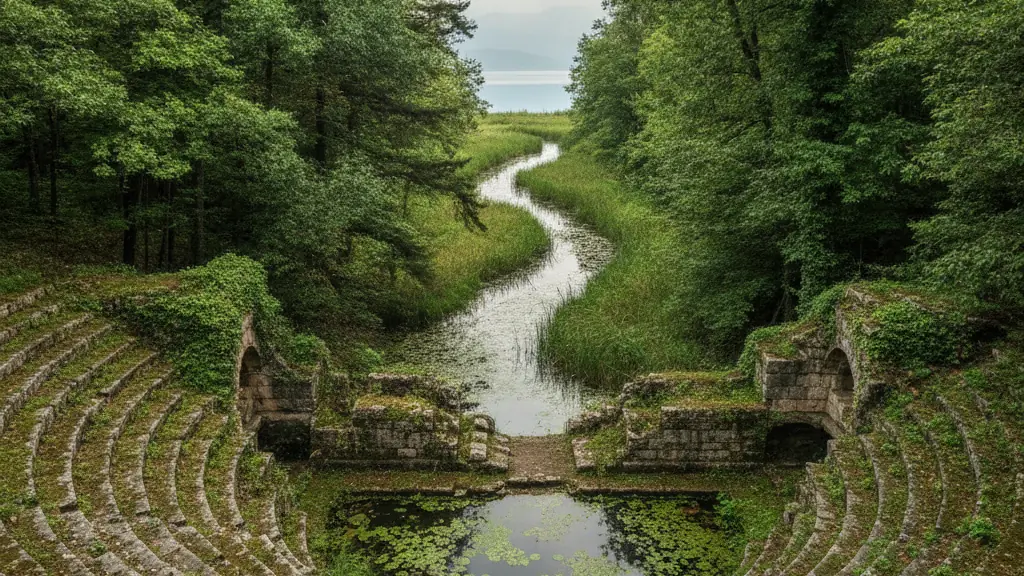
Albania offers families a diverse landscape spanning Mediterranean coastlines, mountain valleys, and historic cities - each demanding thoughtful packing choices. With climate patterns that shift dramatically through the year, from wet winter months averaging over 165mm of rainfall in January to dry summer stretches with just 29.8mm in August, packing strategies must adapt season by season. Understanding what to bring for each period ensures children stay comfortable whether exploring Berat's stone streets in spring drizzle or splashing along the Ionian coast during peak summer heat. This guide breaks down essential gear, clothing layers, and family-specific items based on Albania's actual temperature and rainfall patterns throughout the year.
| Month | Avg high | Avg low | Rainfall | Rainy days |
|---|---|---|---|---|
| January | 11.0°C | 2.7°C | 165.2 mm | 12.4 |
| February | 13.4°C | 4.4°C | 115.0 mm | 10.2 |
| March | 15.6°C | 5.8°C | 129.4 mm | 11.6 |
| April | 18.8°C | 8.9°C | 119.5 mm | 11.9 |
| May | 22.8°C | 13.1°C | 117.9 mm | 13.0 |
| June | 27.6°C | 17.5°C | 69.6 mm | 7.9 |
| July | 31.1°C | 20.2°C | 34.1 mm | 4.9 |
| August | 31.4°C | 20.3°C | 29.8 mm | 5.4 |
| September | 26.6°C | 16.9°C | 108.7 mm | 8.6 |
| October | 22.1°C | 12.8°C | 123.2 mm | 9.0 |
| November | 17.5°C | 9.2°C | 188.6 mm | 11.1 |
| December | 13.0°C | 4.7°C | 136.9 mm | 10.3 |
Spring Packing (March-May)
Spring in Albania brings gradually warming temperatures from 15.6°C highs in March to 22.8°C by May, but rainfall remains substantial with 117.9-129.4mm monthly and 11-13 rainy days. This transitional season requires versatile layering and reliable rain protection. Pack lightweight long-sleeved shirts and breathable trousers that children can wear comfortably as temperatures climb from morning lows of 5.8°C in early spring to 13.1°C by late May. A fleece or hoodie proves essential for cooler mornings and evenings, while a compact rain jacket with hood becomes daily carry gear given the consistent precipitation. Families visiting archaeological sites like Butrint or mountain villages will appreciate the moderate temperatures that make walking tours manageable, but the frequency of rain means waterproof outer layers for every family member. Include quick-dry fabrics where possible - cotton takes too long to dry in spring humidity. For younger children, pack extra outfits in daypacks since springtime puddles prove irresistible and wet clothing becomes uncomfortable quickly.
Summer Packing (June-August)
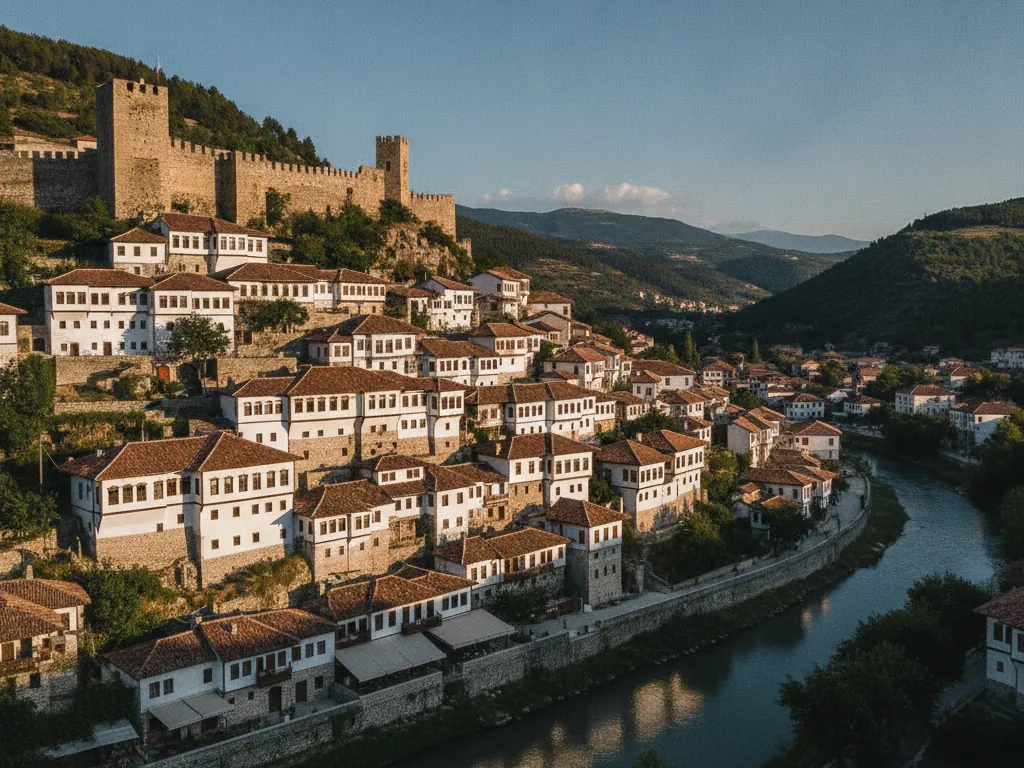
Summer transforms Albania into peak beach season territory, with July and August seeing highs of 31.1-31.4°C and minimal rainfall at just 29.8-34.1mm monthly. June offers slightly cooler conditions at 27.6°C with 69.6mm of rain, serving as a gentler introduction to summer heat. Packing priorities shift entirely toward sun protection, heat management, and lightweight fabrics. Bring loose-fitting cotton or linen clothing in light colours for both adults and children - breathable materials become non-negotiable when temperatures consistently exceed 30°C. Multiple swimsuits allow rotation while one dries, particularly important for families spending consecutive days at coastal destinations like Ksamil or Dhermi. The dramatic drop in rainy days to just 4-5 monthly means rain gear can be minimal, though a light rain shell still earns its weight for the occasional summer storm. Evening temperatures remain warm at 17.5-20.3°C, so heavy layers stay home - a single long-sleeved shirt suffices for air-conditioned restaurants or evening strolls. Pack sun hats with wide brims, UV-protective rash guards for water activities, and consider lightweight long sleeves for sun-sensitive children who burn easily during midday outdoor exploration.
Autumn Packing (September-November)
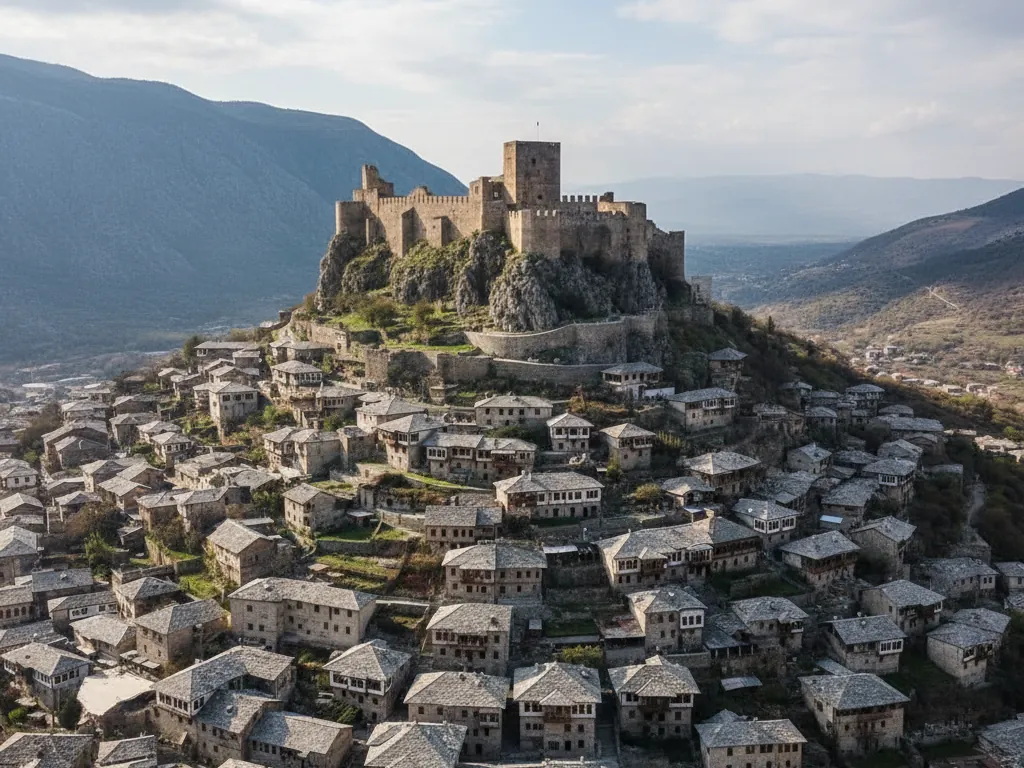
Autumn sees a steady return of rainfall and cooling temperatures, with September still pleasant at 26.6°C but November dropping to 17.5°C highs and 188.6mm of precipitation across 11.1 rainy days. This season demands the most adaptable packing strategy as conditions shift week by week. Early autumn requires summer-weight clothing with rain backup, while late autumn approaches winter layering needs. Pack a medium-weight waterproof jacket with good coverage as rainfall intensifies through October and November - cheap ponchos won't withstand the 123.2-188.6mm monthly totals. Convertible trousers that zip into shorts offer flexibility for September's warmth while providing coverage during November's cooler days. Include several moisture-wicking base layers and a warm fleece for everyone, as morning temperatures drop to 9.2°C by November. Families exploring inland cities like Gjirokaster or hiking in national parks will face more variable weather than coastal visitors, so pack assuming worst-case scenarios. The shoulder season brings fewer tourists but more challenging weather - waterproof backpack covers protect electronics and documents during sudden downpours.
Winter Packing (December-February)
Winter brings Albania's wettest conditions with December recording 136.9mm and January peaking at 165.2mm across 10-12 rainy days monthly, while temperatures range from 11.0-13.4°C highs and 2.7-4.7°C lows. Coastal areas rarely see snow, but the persistent rain and cool temperatures require proper cold-weather and waterproof gear. Pack insulated, waterproof winter coats for all family members - not heavy ski jackets, but substantial rain jackets with warm linings or layerable fleece inserts. Children lose heat quickly in wet conditions, so thermal underlayers become essential base pieces. Bring warm hats, gloves, and scarves particularly for morning and evening when temperatures approach 2.7°C. Water-resistant or waterproof trousers prove valuable for children who still want outdoor play despite drizzle. Winter in Albania means damp cold rather than dry cold, so moisture-wicking fabrics matter more than maximum insulation. Families venturing to mountain regions or considering Theth in winter need genuine cold-weather gear, but coastal city visitors can manage with layered mid-weight clothing and excellent rain protection. Pack extra socks and consider waterproof bags for storing wet items separately from dry clothing in luggage.
Footwear for All Seasons
Footwear choices can make or break a family trip to Albania, where cobblestone streets, archaeological sites, mountain trails, and beaches all demand different solutions. For spring through autumn, sturdy walking sandals with proper arch support and back straps serve as versatile primary shoes - they handle beach days, dry quickly after rain, and provide enough support for moderate walking tours. However, closed-toe walking shoes or lightweight hiking boots remain essential for everyone, particularly during the wetter months from October through May when rainfall reaches 115.0-188.6mm monthly. These should be water-resistant or waterproof with good tread for slippery stones after rain. Children need properly fitted shoes rather than fashion choices - poorly supported feet lead to complaints and shortened sightseeing days. Pack dedicated water shoes for rocky beaches along the Albanian Riviera where sea urchins and sharp stones make barefoot entry uncomfortable. Flip-flops suffice for hotel rooms and pool areas but offer inadequate support for walking tours. During winter months when temperatures drop to 2.7°C lows and rain falls frequently, insulated waterproof boots become the primary footwear rather than optional backup. Bring a second pair for each family member to allow rotation and drying time - wet shoes breeding blisters is a common family travel complaint that proper planning prevents.
Sun and Rain Protection
Albania's climate extremes demand dual-focus protection strategies that shift with seasons. Summer months with just 29.8-34.1mm of rain and temperatures exceeding 31°C make sun protection the absolute priority. Pack reef-safe, high-SPF sunscreen in quantities larger than typical since reapplication every two hours in intense sun depletes supplies quickly - purchasing quality sunscreen in small Albanian towns may prove difficult. Wide-brimmed hats with chin straps prevent loss during windy coastal days and provide better face protection than baseball caps. Lightweight UV-protective clothing including long-sleeve rash guards and swim leggings reduces sunscreen dependence for children spending hours in water. Seek polarized sunglasses for children old enough to keep track of them - glare off Mediterranean waters causes genuine discomfort. Conversely, from October through May when monthly rainfall reaches 108.7-188.6mm, waterproof protection becomes essential daily gear. Invest in quality rain jackets with taped seams and hoods that actually stay on children's heads rather than cheap ponchos that tear and tangle. A compact travel umbrella provides backup coverage, though wind along the coast can render umbrellas useless. Waterproof phone pouches and dry bags protect electronics and documents during unexpected downpours - even April and May see 11-13 rainy days monthly.
Kids' Essentials and Comfort Items
Beyond clothing and weather protection, specific items dramatically improve family travel experiences in Albania. Pack a basic first-aid kit including children's pain relievers, antihistamines, bandages, and any prescription medications with extra supply beyond the trip duration - rural areas have limited pharmacy access. Motion sickness remedies prove valuable for winding mountain roads and ferry crossings to beach towns. Bring refillable water bottles for everyone as staying hydrated matters year-round but becomes critical during summer months with 31°C temperatures - public fountains and refill opportunities exist but having dedicated bottles ensures consistent access. Include familiar snacks that travel well for picky eaters, particularly during longer drives between destinations where restaurant options may not suit young palates. Packable day bags or small backpacks for older children encourage ownership of their belongings and reduce parent load during walking tours. Bring entertainment for travel days including downloaded movies, books, or activity pads since wifi reliability varies. A portable phone charger ensures device availability for navigation and emergency contact. Include plastic bags for wet swimsuits, dirty clothes, or motion sickness - they solve multiple problems. For babies and toddlers, bring adequate supplies of nappies, wipes, and any specialized food items as brand availability differs from home markets. A compact travel stroller that handles cobblestones makes coastal town exploration manageable with younger children.
What to Leave at Home
Overpacking remains the most common family travel mistake, and Albania's improving infrastructure means many items travellers traditionally brought now prove unnecessary. Skip bulky guidebooks in favour of digital resources - mobile data and wifi availability in hotels and restaurants provides adequate connectivity for research and navigation. Excessive formal clothing rarely gets worn since Albania maintains casual dress standards even at nicer restaurants, and the climate makes dressy layers uncomfortable except during winter months. Hair dryers appear in most mid-range and all upscale accommodations, saving significant luggage space and weight. Beach toys including buckets, spades, and inflatables can be purchased inexpensively at coastal destinations rather than packed from home - the space they consume outweighs their value. Avoid packing heavy towels since accommodations provide them and beach towels are available for purchase or rent at popular swimming spots. Excessive electronics and adapters often remain unused - focus on essential devices rather than packing every possible gadget. Skip specialized outdoor gear like tents or camping equipment unless specific plans require them, as Albania's tourism infrastructure now includes adequate accommodation options. Large quantities of toiletries prove unnecessary since supermarkets and pharmacies in Albanian cities stock familiar brands - bring travel sizes and purchase full-size replacements if needed. Multiple pairs of shoes beyond the essential walking shoes, sandals, and water shoes consume disproportionate luggage space for their utility.
FAQ
Should I bring different packing lists for Albania's coastal areas versus mountain regions when travelling with kids?
Yes, mountain regions run consistently cooler than coastal areas year-round and require additional layering even during summer. While coastal destinations in July and August see 31°C temperatures, mountain elevations remain 5-10 degrees cooler with more frequent rain. If your itinerary includes both zones, pack layers that work across environments - a fleece or warm mid-layer proves valuable in mountains even when coastal areas require only t-shirts. Mountain accommodations may also have less consistent heating, making warm sleepwear important during shoulder seasons.
What kind of rain jacket works best for kids in Albania during the wet season from October through April?
Choose rain jackets with taped seams, adjustable hoods that stay positioned, and length covering the hips rather than ending at the waist. Given monthly rainfall of 115.0-188.6mm during wet months with 10-12 rainy days, jackets will see regular use and cheap options fail quickly. Bright colours help visibility during gloomy weather, and pit zips or vents prevent overheating when temperatures reach 17.5-22.1°C during autumn. Packability matters less than waterproof reliability - a bulkier jacket that keeps children dry outperforms a compact one that soaks through.
How many swimsuits should I pack for a week-long Albania beach holiday with children in July or August?
Bring at least two swimsuits per child to allow rotation while one dries. Despite minimal rainfall during summer months (just 29.8-34.1mm in July and August), swimsuits remain damp from pool and sea use. Having a dry option ready each morning prevents discomfort and potential skin irritation from wearing damp suits. For families planning daily water activities, a third suit provides additional backup, though two typically suffices for a week with evening drying time.
Do I need to pack insect repellent when visiting Albania with young children during spring and summer months?
Yes, particularly for evening hours and visits to wetland areas, national parks, or locations near lakes and rivers. Mosquitoes become active as temperatures rise above 22°C in May through September. Bring child-safe repellent from home as concentration preferences vary - Albanian pharmacies stock repellent but specific formulations for young children may differ from familiar brands. Apply during dawn and dusk when insects are most active, and consider lightweight long sleeves and trousers for evening outdoor dining as a complement to repellent.
Weather data: open-meteo (ERA5 reanalysis, 2014-2023 averages). Reviewed and updated periodically.