Thailand vs Vietnam for Families: Which to Pick?
Choosing between Thailand and Vietnam for a family holiday means weighing two Southeast Asian neighbours with strikingly different weather patterns, cultural experiences, and practical considerations. Both countries offer spectacular beaches, rich history, and welcoming atmospheres, yet their climates follow opposite rhythms that directly shape when families can travel comfortably. Understanding these seasonal differences - alongside crowd patterns, activity options, and logistical ease - helps families match the right destination to their schedule and travel style.
Quick Verdict: Who Suits Whom?
Thailand generally works better for families seeking a classic tropical beach holiday during northern hemisphere winter, with reliably dry, sunny weather from November through February. Vietnam suits families who can travel in spring or prefer cooler temperatures, offering pleasant conditions from February through May in central regions, though the country's north-south geography creates more complexity. Budget-conscious families often find Vietnam slightly more affordable for accommodation and meals, while Thailand offers more developed tourist infrastructure and English-language support. Neither choice is objectively better - the decision hinges on when you can travel and what weather trade-offs you're willing to accept.
Weather Patterns Compared: Two Different Monsoon Calendars
Thailand and Vietnam sit close geographically but experience their wet and dry seasons at different times, a crucial distinction for family planning. Thailand's climate follows a predictable pattern: a dry, cooler season from November through February, scorching heat in March and April, then steady monsoon rains from May through October. September receives 279.7 mm of rainfall across 25.6 rainy days, making it the wettest month. Vietnam's central coast tells a more complex story, with its heaviest rains arriving much later - October logs 441.0 mm over 25.6 days, and the wet period extends through December with 364.3 mm. This inverted schedule means Vietnam's driest, most pleasant months (February through May) coincide with Thailand's transition into intense heat.
| Month | Avg high | Avg low | Rainfall | Rainy days |
|---|---|---|---|---|
| January | 30.8°C | 21.7°C | 22.7 mm | 3.9 |
| February | 31.9°C | 23.2°C | 28.5 mm | 4.8 |
| March | 33.4°C | 25.7°C | 39.9 mm | 7.1 |
| April | 34.1°C | 26.6°C | 87.7 mm | 12.0 |
| May | 33.7°C | 26.7°C | 141.8 mm | 19.7 |
| June | 32.6°C | 26.2°C | 138.7 mm | 22.3 |
| July | 31.7°C | 25.7°C | 174.8 mm | 24.1 |
| August | 31.4°C | 25.5°C | 185.5 mm | 26.0 |
| September | 31.0°C | 25.0°C | 279.7 mm | 25.6 |
| October | 30.6°C | 24.4°C | 238.1 mm | 22.4 |
| November | 31.2°C | 23.8°C | 71.7 mm | 11.2 |
| December | 30.7°C | 22.3°C | 18.9 mm | 4.2 |
Temperature curves also differ significantly. Thailand remains consistently hot year-round, with highs ranging from 30.6°C in October to 34.1°C in April. Vietnam's central regions show greater variation: January reaches only 23.5°C, climbing to 33.4°C by June. For families with young children sensitive to extreme heat, Vietnam's cooler winter months (December through February) may feel more manageable than Thailand's relentless warmth, though you'll trade that comfort for much higher rainfall during Vietnam's winter wet season.
| Month | Avg high | Avg low | Rainfall | Rainy days |
|---|---|---|---|---|
| January | 23.5°C | 19.9°C | 165.3 mm | 19.3 |
| February | 24.2°C | 19.9°C | 80.6 mm | 12.5 |
| March | 26.9°C | 22.4°C | 52.6 mm | 9.4 |
| April | 29.3°C | 24.4°C | 78.1 mm | 8.7 |
| May | 31.8°C | 26.4°C | 70.0 mm | 12.2 |
| June | 33.4°C | 27.3°C | 59.8 mm | 10.1 |
| July | 32.5°C | 26.8°C | 135.8 mm | 16.9 |
| August | 32.6°C | 26.7°C | 130.0 mm | 17.5 |
| September | 30.6°C | 25.7°C | 229.7 mm | 21.3 |
| October | 28.1°C | 24.4°C | 441.0 mm | 25.6 |
| November | 26.7°C | 23.3°C | 321.3 mm | 24.5 |
| December | 24.1°C | 21.3°C | 364.3 mm | 25.4 |

Best Time to Visit Each Country with Kids
For Thailand, the sweet spot falls between mid-November and February, when rainfall drops dramatically - January sees just 22.7 mm over 3.9 days, and December registers 18.9 mm over 4.2 days. Temperatures hover around 30-31°C with cooler evenings dipping to 21-23°C, ideal for beach days and temple visits without exhausting small children. March and April grow uncomfortably hot (33-34°C highs), though they remain relatively dry if families can tolerate the heat. The monsoon months from June through October bring daily afternoon downpours and high humidity, challenging for keeping children entertained and comfortable.
Vietnam's optimal family window runs from February through May along the central coast. February offers 24.2°C highs with moderate rainfall of 80.6 mm, while March through May warm progressively to 31.8°C in May with manageable precipitation under 80 mm monthly. June and July stay relatively dry (59.8 mm and 135.8 mm respectively) but grow quite hot at 32-33°C. Families should avoid October through January when relentless rains (321-441 mm monthly) disrupt outdoor plans and can cause flooding. Northern Vietnam (Hanoi) follows yet another pattern with cooler, dryer winters, adding complexity for multi-region itineraries.
Crowds and Cost: Peak vs Shoulder Season Dynamics
Thailand's peak season aligns with its best weather - December through February attracts maximum tourist numbers, resulting in higher accommodation rates, crowded beaches, and advance booking requirements for popular islands like Phuket and Krabi. Shoulder months (November and March) offer slightly better value while maintaining decent weather, though March's heat deters some families. The monsoon months qualify as low season with reduced prices and empty beaches, appealing if you can work around afternoon storms and accept some activity limitations.
Vietnam experiences less dramatic seasonal price swings overall, partly because its fragmented weather patterns spread tourism more evenly. Central coastal areas like Da Nang and Hoi An see peak demand from February through April when weather conditions optimise, but the increases remain more modest than Thailand's winter spike. The long wet season from September through January keeps costs lower and attractions quieter, though families must weigh savings against weather disruption. Vietnam's domestic tourism patterns also influence pricing, with Vietnamese holidays like Tet (lunar new year, typically late January or February) driving up costs regardless of international visitor numbers.
Beaches, Activities, and Kid-Friendly Infrastructure
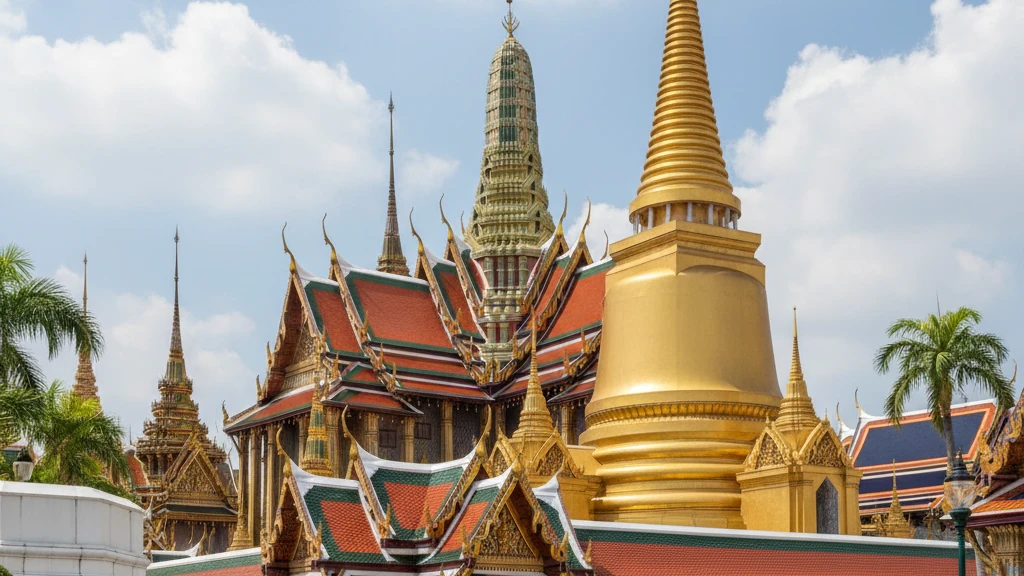
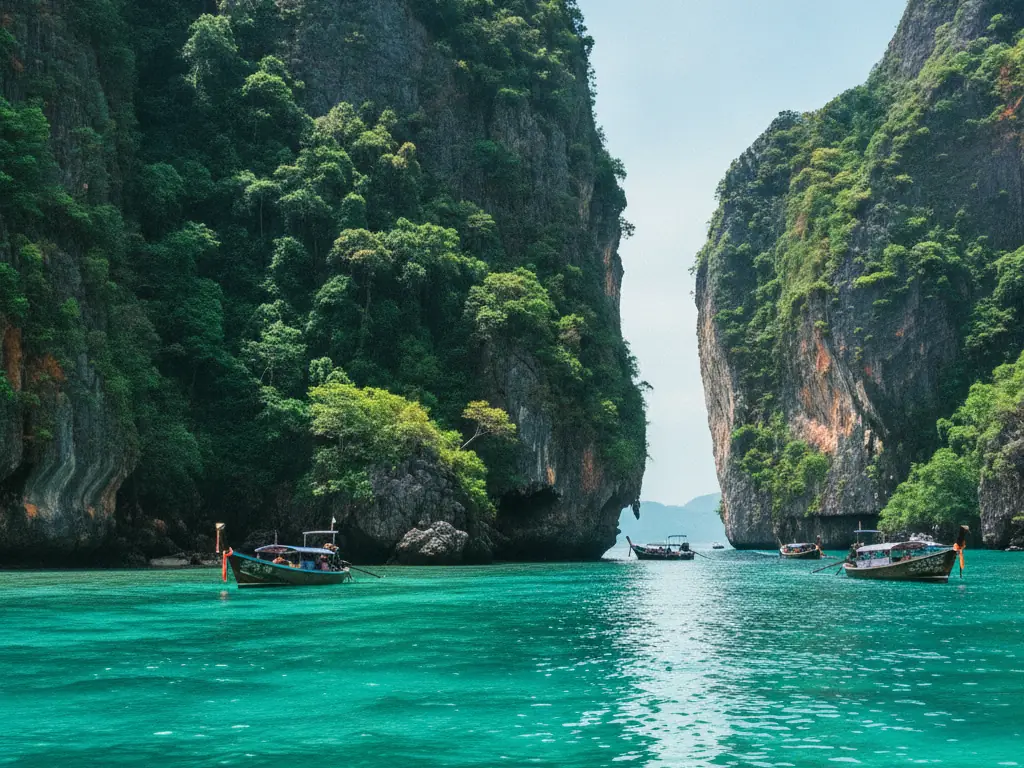
Thailand has built extensive family tourism infrastructure over decades, with calm Gulf islands (Koh Samui, Koh Phangan) and Andaman coast destinations (Phuket, Krabi) offering everything from baby equipment rental to English-speaking medical care. Beach conditions generally suit young swimmers, with many sheltered bays and child-focused resorts. Cultural activities - elephant sanctuaries, cooking classes, temple visits - come with well-established family programmes. The prevalence of English and familiarity with Western dietary needs reduces stress for first-time Asia visitors with children.
Vietnam rewards families willing to handle slightly more adventure with equally stunning beaches - Phu Quoc island, the Con Dao archipelago, and central coast stretches near Hoi An provide beautiful settings with developing but less intensive tourism. Activities lean more toward cultural immersion: exploring Hoi An's ancient town, cyclo rides through Hue, boat trips in Ha Long Bay. English proficiency varies more widely, and Western amenities are less universal outside major tourist zones. Older children and teens often find Vietnam's authentic atmosphere more engaging than Thailand's polished tourist scene, while families with toddlers may prefer Thailand's convenience.
Which Family Should Pick Which Destination?
Choose Thailand if you're travelling during December through February school holidays, want maximum convenience and English-language support, have younger children (under 8) who need predictable infrastructure, or prioritise classic beach-resort relaxation. Thailand's dry-season reliability and developed family amenities make it the safer bet for a first Asia trip or when weather predictability matters most. Families seeking villa rentals, resort kids' clubs, and easy logistics will find Thailand delivers consistently.
Choose Vietnam if you can travel in March, April, or May when the central coast shines, have older children or teenagers interested in history and culture, work with a tighter budget, or want a more authentic, less touristy Southeast Asian experience. Vietnam rewards families with flexibility to adjust plans around weather and comfort with moderate language barriers. The country offers exceptional value and cultural depth, but requires more patience and adaptability - traits easier to muster with school-age children than toddlers.
Practical Packing Considerations: What the Weather Data Means for Your Suitcase
Thailand's dry season allows lighter packing - swimwear, shorts, sundresses, sun protection, and a single light layer for air-conditioned spaces suffice. The minimal rainfall in December (18.9 mm) and January (22.7 mm) means you can skip bulky rain gear. If travelling during shoulder months like November (71.7 mm over 11.2 days) or March (39.9 mm over 7.1 days), pack a compact umbrella but don't plan around rain. Monsoon-season visitors need quick-dry clothing, waterproof bags for electronics, and alternative indoor activities planned.
Vietnam's variable climate demands more versatile packing. Even during the drier February through May window, monthly rainfall ranges from 52.6 mm to 80.6 mm, warranting light rain jackets. The cooler temperatures in early spring (January highs of 23.5°C, lows of 19.9°C) require long sleeves and light trousers, especially for mornings and evenings. Families visiting multiple regions must pack for temperature variations - Hanoi in January might need fleeces, while southern beaches stay warm. The extended wet season (September's 229.7 mm through December's 364.3 mm) necessitates serious rain preparation if travelling then: waterproof shoes for kids, multiple outfit changes, covered bags.
FAQ
Is Thailand or Vietnam better for families with very young children under 5 years old?
Thailand generally works better for families with toddlers and preschoolers due to more widespread availability of childcare amenities, baby equipment, familiar food options, and English-speaking medical facilities. The predictable dry-season weather from November through February also simplifies logistics when travelling with nap schedules and frequent outfit changes. Vietnam can work well for this age group but requires more advance planning and flexibility.
Can we visit both Thailand and Vietnam in one trip with kids, and how does the weather affect that plan?
Combining both countries works best during the February-to-April window when Thailand's dry season overlaps with Vietnam's central coast optimal period, though Thailand will be hotter (33-34°C in March-April). Many families fly into Bangkok, spend time on Thai islands, then continue to Hanoi or Ho Chi Minh City and central Vietnam. The logistics add complexity with children - multiple flights, packing/unpacking, different currencies - so most families find two weeks insufficient for both countries. Three weeks allows a more comfortable pace.
What's the difference in cost between Thailand and Vietnam for a family of four on a two-week vacation?
Vietnam typically costs less for mid-range accommodation and local meals, with family rooms and street food considerably cheaper than Thai equivalents. However, the gap narrows when booking international-standard hotels or staying in tourist-developed areas like Phu Quoc. Internal flights cost similarly in both countries. The biggest cost difference appears during Thailand's December-February peak season when prices spike significantly, while Vietnam maintains more moderate year-round rates. Budget-conscious families can travel well in either country by eating locally and choosing shoulder seasons.
If we can only travel during summer school holidays in July and August, which country has better weather for families?
Neither country offers ideal conditions during July-August, but Thailand edges ahead slightly. Thailand records 174.8 mm over 24.1 days in July and 185.5 mm over 26.0 days in August - expect daily afternoon storms but often clear mornings for activities. Vietnam's central coast sees similar patterns (135.8 mm in July, 130.0 mm in August) with slightly less total rain, but September deteriorates quickly into the October-December deluge. Both locations remain hot (31-32°C) and humid. Families travelling these months should book accommodations with good pools and indoor options, plan outdoor activities for mornings, and maintain flexible itineraries around weather.
Weather data: open-meteo (ERA5 reanalysis, 2014-2023 averages). Reviewed and updated periodically.