What to Pack for Bulgaria with Kids (Season by Season)
Bulgaria offers families striking seasonal contrasts, from snowy mountain winters to warm Black Sea summers, and packing smartly makes all the difference when travelling with children. The country's continental climate means temperatures swing widely throughout the year - Sofia sees winter lows around -3°C in January and summer highs near 28°C in August - so families need to prepare differently depending on travel dates. This guide breaks down exactly what clothing, footwear and gear to pack for each season, using climate data to help you avoid overpacking while ensuring everyone stays comfortable, dry and ready for Bulgaria's churches, fortress ruins, hiking trails and beaches.
| Month | Avg high | Avg low | Rainfall | Rainy days |
|---|---|---|---|---|
| January | 4.8°C | -3.3°C | 62.4 mm | 8.9 |
| February | 8.7°C | -1.1°C | 37.1 mm | 7.6 |
| March | 11.2°C | 1.1°C | 72.2 mm | 12.0 |
| April | 16.1°C | 5.3°C | 67.1 mm | 11.2 |
| May | 20.5°C | 10.2°C | 71.4 mm | 13.6 |
| June | 24.2°C | 14.3°C | 79.2 mm | 12.7 |
| July | 27.4°C | 16.6°C | 52.0 mm | 7.2 |
| August | 28.0°C | 16.7°C | 36.2 mm | 6.1 |
| September | 23.6°C | 12.8°C | 41.1 mm | 6.1 |
| October | 17.8°C | 7.6°C | 59.6 mm | 7.2 |
| November | 11.7°C | 3.5°C | 59.5 mm | 9.4 |
| December | 6.5°C | -0.9°C | 53.7 mm | 9.1 |
Spring Packing Essentials (March-May)
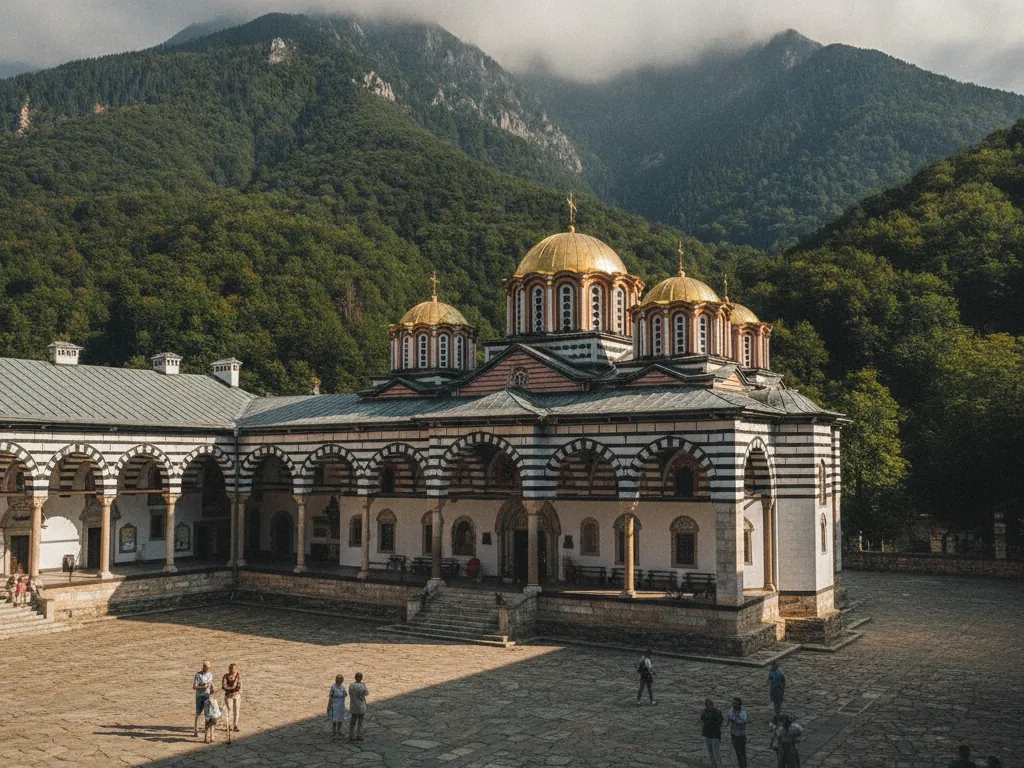
Spring in Bulgaria brings steadily warming temperatures but considerable rainfall, with March seeing 72.2 mm across 12 rainy days, April 67.1 mm over 11.2 days, and May 71.4 mm across 13.6 days - the wettest month of the year. Daytime highs climb from 11.2°C in March to 20.5°C by May, while mornings and evenings remain cool, with May lows still around 10.2°C. Pack versatile layers that children can add or remove as the day warms: long-sleeved shirts, light sweaters and a medium-weight jacket work well. Include at least one waterproof shell or packable rain jacket for each family member, since more than one day in three will see precipitation. Lightweight trousers and a few pairs of shorts for May are sensible, along with one warmer outfit for chilly evenings. A compact travel umbrella fits easily in a day pack and saves scrambling for cover during sudden showers. Spring is ideal for exploring Sofia's museums and mountain monasteries, so comfortable walking clothes that dry quickly are key.
Summer Packing Essentials (June-August)
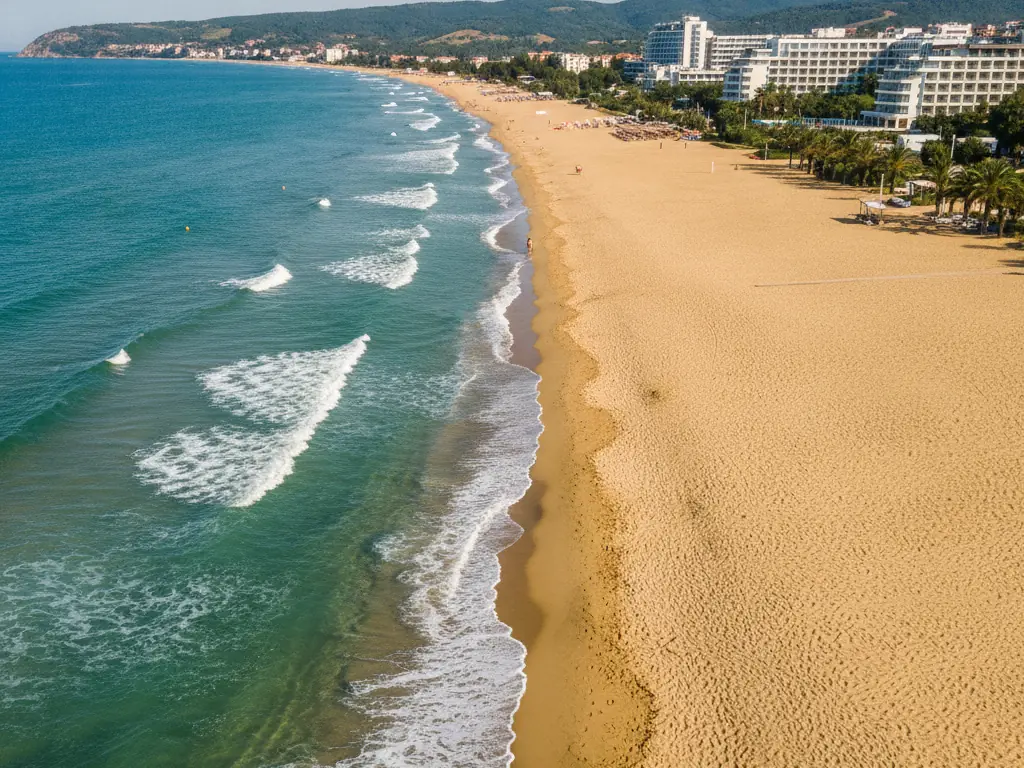
Bulgaria's summer is the warmest and driest period, with July and August reaching 27.4°C and 28°C respectively, and August seeing only 36.2 mm of rain across 6.1 days. Even June, with 79.2 mm over 12.7 days, is noticeably drier than spring, and rainfall tapers off sharply as the season progresses. Pack primarily lightweight, breathable clothing: cotton or moisture-wicking T-shirts, shorts, sundresses and light trousers. Bring a sun hat with a wide brim for each child and at least one long-sleeved shirt for sun protection during extended outdoor time at Black Sea beaches or Balkan hiking trails. Evenings remain mild - July lows around 16.6°C - but a light cardigan or hoodie is useful for air-conditioned restaurants or breezy terraces. Swimwear and a quick-dry towel are essential if visiting coastal resorts. Despite the warmth, one pair of long trousers per person is wise for visits to Orthodox monasteries, which require modest dress. July and August see the fewest rainy days of any season, so waterproofs can stay near the bottom of the bag, though a compact rain layer still makes sense for mountain excursions where weather shifts quickly.
Autumn Packing Essentials (September-November)
Autumn temperatures in Bulgaria cool steadily, from 23.6°C highs in September down to 11.7°C in November, with nights dropping to 3.5°C by late season. September is relatively dry - just 41.1 mm over 6.1 days - but October and November see rainfall return to around 59-60 mm over 7-9 days. Layer strategically: start with T-shirts and add long-sleeved base layers, sweaters and a warm fleece or light down jacket as the weeks progress. September often feels like extended summer, so shorts and light clothing still work, but by October families need jeans, warmer trousers and closed-toe shoes. Include a waterproof outer layer for each person, as rainy days increase through autumn. A knit hat and gloves for children become necessary by November, particularly for morning starts or mountain regions. Autumn is popular for cultural city breaks in Plovdiv and Veliko Tarnovo, where comfortable walking shoes and adaptable layers handle both sunny afternoons and cooler, damp mornings.
Winter Packing Essentials (December-February)
Bulgaria's winters are cold, with December to February seeing daytime highs between 4.8°C and 8.7°C and nighttime lows from -3.3°C to -1.1°C. Rainfall is moderate - ranging from 37.1 mm in February to 62.4 mm in January - and often falls as snow in Sofia and mountain areas, with 8-9 rainy or snowy days per month. Warm, insulated clothing is essential: thermal base layers, thick sweaters, insulated winter coats, warm trousers and waterproof snow pants for children if skiing or playing outdoors. Pack winter hats, insulated gloves or mittens, and scarves for everyone. Layering is especially important for families moving between heated interiors and freezing outdoor temperatures at Christmas markets or Rila Monastery. If visiting ski resorts like Bansko or Borovets, bring or plan to rent full snow gear. For city exploration, a warm coat over thermal layers usually suffices. Include hand warmers for very cold days and lip balm to protect against dry winter air.
Footwear for All Seasons
Choosing the right footwear for Bulgaria depends on both season and planned activities, since families may encounter cobblestone streets in old towns, mountain trails and beach sand. For spring and autumn, waterproof trainers or hiking shoes with good tread are ideal - they handle wet pavements and light trails while drying relatively quickly. Summer calls for breathable trainers or walking sandals with back straps for active children, plus flip-flops or water shoes for beach days. Avoid open-toed sandals for extensive walking, as Bulgaria's archaeological sites and fortress ruins often feature uneven terrain. Winter requires insulated, waterproof boots with non-slip soles, particularly if snow or ice is likely. Bring one pair of smarter closed-toe shoes for dining out or religious sites. Breaking in new footwear before the trip prevents blisters during long sightseeing days, and packing a small pack of blister plasters is sensible insurance.
Sun and Rain Protection
Bulgaria's sunshine is strong, particularly in summer and at altitude, making sun protection a priority alongside rain readiness. Pack high-SPF sunscreen - at least SPF 30, ideally SPF 50 for children - and reapply throughout the day during beach visits or mountain hikes. Sunglasses with UV protection are essential for everyone, including young children, and a wide-brimmed hat or cap with a neck flap provides crucial face and neck coverage. Summer sun exposure accumulates quickly on reflective surfaces like water and snow. For rain protection, lightweight packable jackets in bright colours help spot children in crowded places and work across multiple seasons. Spring and autumn require more substantial waterproofs given the higher rainfall - May sees 13.6 rainy days - so consider jackets with sealed seams rather than just water-resistant shells. A small travel umbrella per adult provides backup, though children often prefer hoods. Waterproof backpack covers or dry bags protect electronics, snacks and spare clothes during unexpected downpours.
Kids' Essentials and Comfort Items
Packing strategically for children means balancing practical necessities with comfort items that ease transitions and long travel days. Include a small daypack for each child to carry their own water bottle, snacks and a favourite toy or book, which builds responsibility and keeps essentials accessible. Baby wipes or hand sanitiser are invaluable throughout the year, particularly when visiting outdoor attractions or markets where facilities may be basic. A basic first-aid kit with children's pain relief, plasters, antiseptic wipes and any prescription medications is essential - pharmacies are widely available but language barriers can complicate requests. Pack a refillable water bottle per person, as staying hydrated matters year-round and Bulgarian tap water is generally safe to drink in cities. A small supply of familiar snacks helps bridge meal times or address fussy eating. For younger children, a lightweight stroller that handles cobblestones makes city exploration easier, though a baby carrier works better for mountain trails. One comfort item - a stuffed toy, blanket or special pillowcase - helps children settle in unfamiliar accommodation.
What NOT to Bring
Avoiding unnecessary items keeps luggage manageable when travelling as a family. Skip bulky guidebooks in favour of downloaded maps and information on phones or tablets, which also entertain children during transit. There is no need to pack excessive toiletries, as pharmacies and supermarkets stock familiar brands across Bulgaria at reasonable prices. Resist overpacking clothing 'just in case' - laundry facilities are common in family accommodation, and washing a few items mid-trip beats dragging heavy bags. Formal wear is rarely needed; even upscale restaurants in Sofia and Plovdiv are relatively casual, especially when families with children are dining. Leave expensive jewellery at home to avoid worry. Hair dryers are standard in most hotels, so personal ones add needless weight. Finally, avoid packing single-use plastic items like disposable water bottles or cutlery, as Bulgaria increasingly focuses on reducing waste and refillable options work better long-term.
FAQ
What should families pack for visiting Bulgarian monasteries with children in different seasons?
Monasteries like Rila and Bachkovo require modest dress year-round: long trousers or skirts covering knees, and shoulders covered. In summer, pack lightweight long trousers and a light long-sleeved shirt or shawl for each family member - these also provide sun protection. Winter visits need the same coverage but with warmer layers underneath, as monastery interiors can be cold. Comfortable closed-toe walking shoes are essential in all seasons, since monastery complexes involve cobblestone courtyards and stairs. Some monasteries provide wraps at entrances, but having your own ensures smoother entry with children.
Do families need special clothing for visiting Bulgaria's mountains with kids during spring and autumn?
Mountain areas are cooler and wetter than Sofia, so pack an extra insulating layer and waterproofs even if lowland forecasts look mild. Spring sees significant rainfall - May records 71.4 mm - and mountain trails can be muddy, so waterproof hiking boots or sturdy trainers are essential. Autumn temperatures drop quickly at altitude, with November lows around 3.5°C in Sofia meaning mountain areas will be near freezing. Bring fleece jackets, warm hats and gloves for children from October onwards. Layering is key, as exertion warms children quickly but rest stops get chilly. A lightweight backpack to stash shed layers prevents carrying armfuls of clothing.
How much warmer clothing do families need for Bulgaria in winter compared to typical European city breaks?
Bulgaria's winter is colder than many Western European cities, with Sofia seeing lows from -3.3°C to -1.1°C from December through February, compared to milder Atlantic-influenced climates. Families need proper insulated winter coats, not just heavy fleeces, plus thermal base layers for children who feel cold easily. Hats, gloves and scarves are non-negotiable, as are insulated waterproof boots - regular trainers will not suffice. Snow is common in Sofia and mountain regions, so waterproofing matters as much as warmth. Plan for genuine winter conditions similar to Central or Eastern European winters, and layer so clothing can adapt to heated indoor spaces.
What type of rain gear works best for families travelling to Bulgaria during the wettest months with young children?
May is Bulgaria's wettest month with 71.4 mm over 13.6 rainy days, and spring generally sees frequent precipitation. Lightweight waterproof jackets with hoods are more practical than ponchos, which tangle and limit movement for active children. Choose bright colours to spot kids easily in crowds or dim weather. Waterproof trousers are useful for toddlers and younger children who sit or kneel frequently, but older kids usually manage with waterproof footwear and a good jacket. A compact umbrella for adults provides flexible shelter. Importantly, ensure rain gear packs small, as carrying bulky waterproofs on dry days is frustrating, and spring weather can shift from sunny to rainy within hours.
Weather data: open-meteo (ERA5 reanalysis, 2014-2023 averages). Reviewed and updated periodically.