What to Pack for Iceland with Kids (Season by Season)
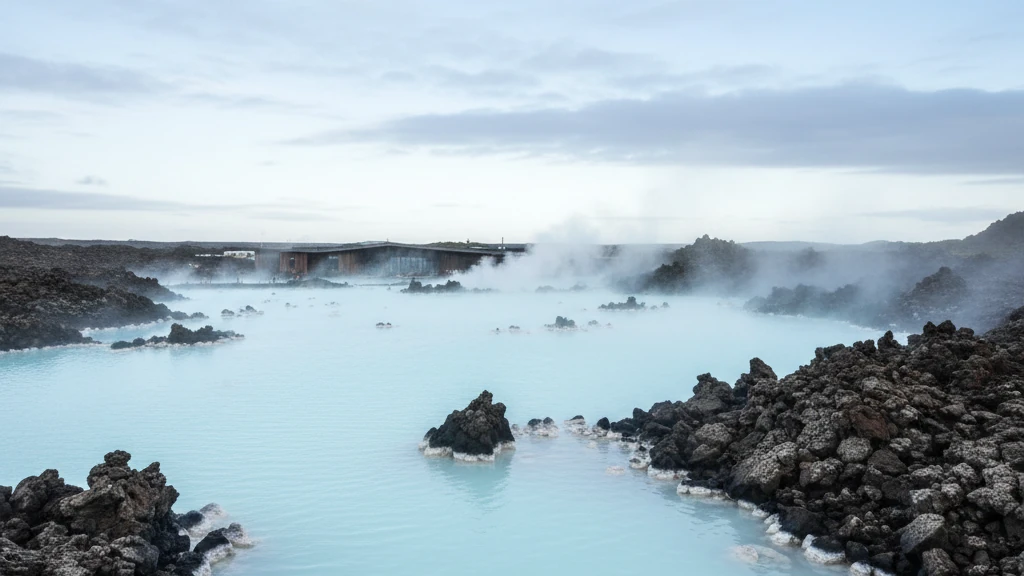
Iceland's dramatic landscapes and family-friendly attractions make it a compelling destination year-round, but packing appropriately for Iceland's maritime subarctic climate is essential for keeping children comfortable and happy. With temperatures ranging from sub-zero winter lows to mild summer highs barely reaching 13.6°C, and rainfall distributed throughout the year, families need to prepare for rapid weather changes regardless of season. This guide breaks down exactly what to pack for Iceland with kids, using actual climate data to ensure your family stays warm, dry, and ready for adventure across all four seasons.
| Month | Avg high | Avg low | Rainfall | Rainy days |
|---|---|---|---|---|
| January | 1.6°C | -2.9°C | 144.6 mm | 17.7 |
| February | 2.0°C | -2.3°C | 145.5 mm | 16.3 |
| March | 3.0°C | -1.5°C | 136.3 mm | 17.5 |
| April | 6.4°C | 1.3°C | 134.6 mm | 17.5 |
| May | 8.9°C | 3.7°C | 117.9 mm | 18.3 |
| June | 11.9°C | 7.1°C | 96.0 mm | 16.6 |
| July | 13.6°C | 8.7°C | 84.8 mm | 15.6 |
| August | 13.3°C | 8.4°C | 96.2 mm | 13.8 |
| September | 10.5°C | 6.1°C | 146.4 mm | 18.4 |
| October | 6.8°C | 2.9°C | 153.1 mm | 17.7 |
| November | 4.2°C | 0.5°C | 121.4 mm | 16.0 |
| December | 1.5°C | -2.7°C | 130.6 mm | 17.1 |
Spring Packing for Iceland (March-May)
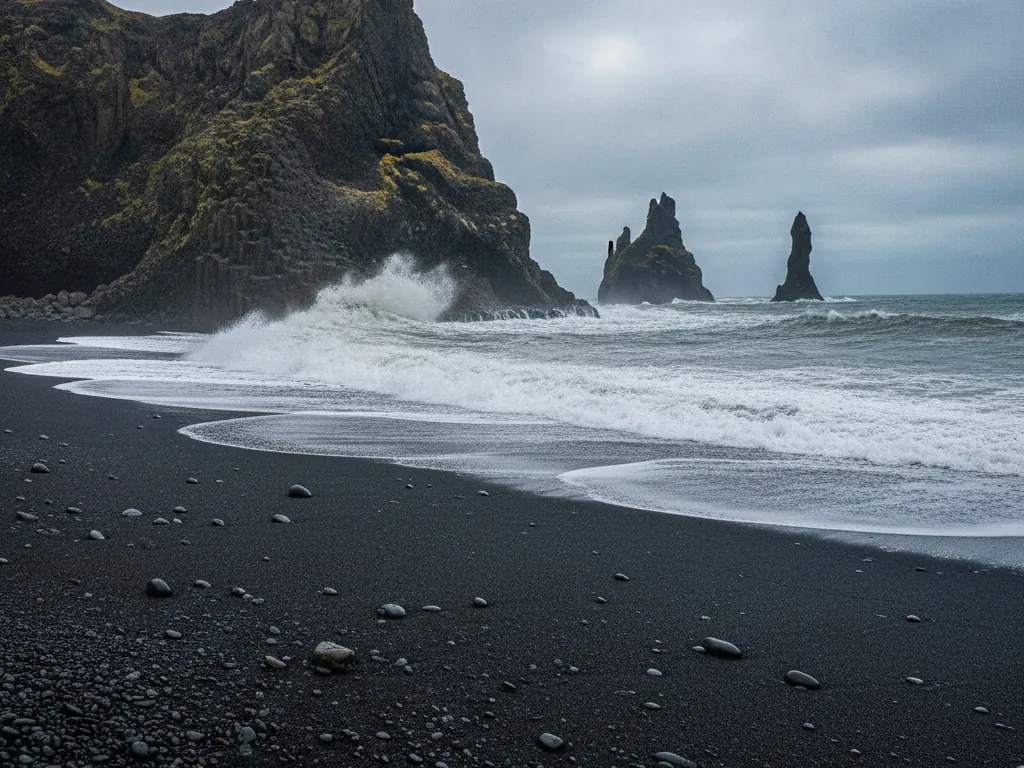
Spring in Iceland brings gradually warming temperatures, with highs climbing from 3.0°C in March to 8.9°C by May, while lows rise from -1.5°C to 3.7°C. Rainfall remains substantial at 136.3mm to 117.9mm monthly, with rainy days occurring on approximately 17-18 days each month. The key to spring packing for families is versatile layering that adapts to cool mornings and unpredictable afternoon showers. Start with thermal base layers for children - merino wool or synthetic materials that wick moisture away from skin. Pack mid-weight fleece jackets as insulating layers, and ensure each family member has a waterproof, windproof outer shell. April temperatures averaging 6.4°C high and 1.3°C low mean lightweight winter jackets work better than heavy parkas, giving kids freedom to move while exploring geothermal areas or coastal trails. Include waterproof trousers for children, as wet grass and puddles are inevitable with May's 18.3 rainy days. Warm hats and gloves remain necessary for early spring, transitioning to lighter versions by late May. Pack at least two pairs of long trousers per child and avoid shorts entirely - even on clearer days, the wind chill makes bare legs uncomfortable.
Summer Packing for Iceland (June-August)
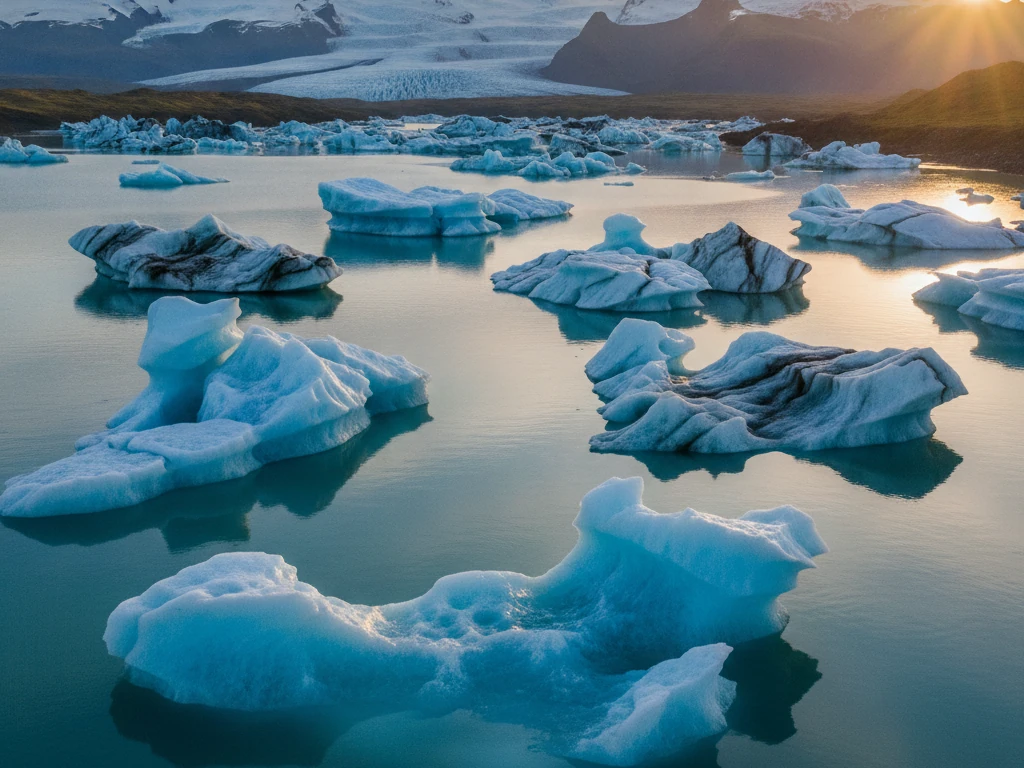
Iceland's summer offers the warmest conditions families will encounter, with July reaching a peak of 13.6°C high and 8.7°C low, while rainfall drops to its annual minimum of 84.8mm in July. Despite being the warmest season, summer in Iceland is cool by most standards, and families should pack as if visiting a chilly autumn climate elsewhere. The three-layer system remains essential: breathable base layers, insulating mid-layers like lightweight fleeces or soft-shell jackets, and waterproof outer layers for the inevitable rain. June sees 96.0mm of rainfall across 16.6 days, while August brings 96.2mm over 13.8 days, making waterproof gear non-negotiable even during the best weather season. Long-sleeved shirts and full-length trousers should form the foundation of children's wardrobes, with perhaps one pair of convertible zip-off trousers for warmer afternoons. Temperatures of 11.9°C to 13.3°C mean traditional summer clothing like t-shirts and shorts will leave kids uncomfortably cold, particularly in wind or near glaciers and waterfalls where temperatures drop further. Pack lightweight wool or synthetic sweaters that can be layered under waterproofs. Swimming gear is essential for Iceland's abundant geothermal pools - quick-dry towels and swimsuits for hot spring visits are used year-round. Despite the midnight sun and extended daylight, evenings with lows of 7.1°C to 8.7°C require warm layers for outdoor activities.
Autumn Packing for Iceland (September-November)
Autumn brings increasingly challenging weather for families, with temperatures dropping from September's 10.5°C high and 6.1°C low to November's 4.2°C and 0.5°C. Rainfall intensifies significantly, with September recording 146.4mm over 18.4 days and October reaching the year's peak of 153.1mm across 17.7 days. This season demands the most comprehensive waterproofing and warmth of any period except deep winter. Pack heavier winter coats for children by October, ensuring they're genuinely waterproof rather than water-resistant. The combination of cold temperatures and high rainfall at 121.4mm to 153.1mm monthly creates conditions where inadequate clothing quickly leads to miserable children. Thermal underwear becomes essential by late September, with October temperatures averaging just 6.8°C high and 2.9°C low requiring the same winter approach as colder destinations. Waterproof trousers transition from optional to mandatory, and families should pack waterproof covers for backpacks and electronics. Warm, windproof hats and insulated gloves return to the packing list by October. November's near-freezing lows of 0.5°C mean winter boots and heavy-duty rain gear are necessary. The persistent rain across 16-18 days per month makes having spare dry clothing critical - pack extra socks, backup gloves, and at least one complete change of warm clothes accessible in day bags. Autumn is when layering becomes most complex, requiring quick adjustments as families move between heated vehicles, outdoor attractions, and sheltered indoor spaces.
Winter Packing for Iceland (December-February)
Winter in Iceland brings the coldest temperatures, with January averaging 1.6°C high and -2.9°C low, while December and February see similar conditions at 1.5°C to 2.0°C highs and -2.7°C to -2.3°C lows. Rainfall remains substantial at 130.6mm to 145.5mm monthly across 16-17 days, often falling as mixed precipitation or wet snow. Winter packing requires serious cold-weather gear designed for sub-zero temperatures combined with persistent dampness. Heavy winter parkas with insulation rated for freezing conditions are essential for all family members, along with waterproof outer shells to shed the 144.6mm of January precipitation. Thermal base layers should be heavyweight, and mid-layers should include thick fleece or wool sweaters. The combination of freezing lows and high moisture means cotton clothing is dangerous - stick entirely to synthetic or wool materials that retain warmth when wet. Pack insulated, waterproof winter boots for everyone, ensuring children's boots have good traction for icy conditions. Heavy winter accessories are mandatory: insulated gloves or mittens (pack both, as mittens are warmer but gloves offer better dexterity), warm wool hats that cover ears, and neck gaiters or scarves. December through February see 16-17 rainy days monthly, so having waterproof mittens or glove shells prevents the common problem of soaked hand protection. For children, one-piece snowsuits or waterproof snow pants with suspenders stay in place better than separates. Hand and toe warmers provide backup heat during extended outdoor activities like Northern Lights viewing. Pack lip balm and moisturizer for the dry cold, and consider ski goggles for children if planning snowy outdoor activities where wind-driven precipitation is likely.
Footwear for All Seasons
Footwear choices can make or break a family trip to Iceland, where terrain ranges from urban sidewalks to volcanic rock fields and muddy trails. For all seasons except deep summer, waterproof hiking boots with good ankle support should be the primary footwear for both adults and children. Iceland's rainfall ranging from 84.8mm in July to 153.1mm in October, combined with frequent puddles, streams, and wet grass, makes waterproofing essential rather than optional. Boots should have aggressive tread for traction on wet rocks and potentially icy surfaces, particularly from September through May when temperatures drop to freezing or below. Children's boots must fit properly with room for thick socks but not so loose that they cause blisters during day-long wear. Pack a second pair of closed-toe shoes as backup - waterproof trail runners or casual waterproof shoes work well. Avoid fabric sneakers entirely, as they'll be soaked within hours and take days to dry in Iceland's humid climate. For accommodations and indoor attractions, bring lightweight slip-on shoes or sandals, as many Icelandic homes and some pools require shoe removal. In winter months with sub-zero lows, insulated boots rated for freezing temperatures become necessary. Consider wool or synthetic hiking socks in multiple pairs - pack at least one pair per family member per day, plus extras, as wet feet are the most common discomfort children experience in Iceland's climate.
Sun and Rain Protection
Despite Iceland's cool temperatures and frequent rain, sun protection requires as much attention as waterproofing. The combination of high latitude, reflective water surfaces, and snow or ice cover can cause severe sunburn, particularly during summer's extended daylight hours. Pack high-SPF sunscreen suitable for children's sensitive skin and apply it liberally even on overcast days - UV rays penetrate cloud cover. Sunglasses with UV protection are essential for all family members year-round, becoming critical when near glaciers or during winter months with low-angle sun reflecting off snow. Wide-brimmed waterproof hats serve double duty, providing both sun and rain protection during summer months. For rain protection beyond waterproof jackets, pack waterproof stuff sacks or dry bags for electronics, documents, and backup clothing. Small umbrellas can work in Reykjavik but become useless in Iceland's frequent winds at outdoor attractions. Rain covers for backpacks and strollers protect gear during the 13.8 to 18.4 rainy days families will encounter monthly. Consider waterproof phone cases or pouches, allowing kids to take photos without risking devices in sudden showers. Microfiber towels dry quickly and pack small, useful for wiping down wet gear or drying children's faces after rain. The persistent precipitation ranging from 84.8mm in July to 153.1mm in October means waterproofing strategy matters as much as the gear itself - teach children to seek shelter during heavy downpours rather than pushing through and getting thoroughly soaked.
Kids' Essentials Beyond Clothing
Family-specific packing for Iceland extends beyond clothing to items that keep children comfortable and entertained during variable weather. Pack multiple layers of entertainment for accommodations and vehicle time during the rainy days that occur 13-18 times monthly throughout the year. Books, tablets loaded with content, and compact games help pass time during weather delays or early darkness in winter months. Snacks familiar to children provide comfort when Icelandic cuisine doesn't appeal - pack favorites that travel well and don't require refrigeration. Reusable water bottles are essential, as Iceland's tap water is excellent and reduces plastic waste. For younger children, bring a compact first-aid kit with basics like bandages, children's pain reliever, and any prescription medications, though Icelandic pharmacies are well-stocked. Baby wipes or hand sanitizer prove useful when facilities are limited at remote attractions. Backup pacifiers, comfort items, or special blankets shouldn't be forgotten - replacing them in Iceland is difficult. A small daypack for each child who can carry one distributes weight and gives kids responsibility for their own layers and snacks. Consider compression bags for bulky winter clothing, maximizing luggage space. If traveling with infants or toddlers, a good quality rain cover for strollers is essential, as many attractions are stroller-accessible but exposed to weather. Motion sickness medication may help children unaccustomed to winding coastal roads, particularly during stormy conditions with high winds common year-round.
What NOT to Bring
Understanding what to leave home is as important as knowing what to pack for Iceland with kids. Skip traditional summer clothing like shorts, tank tops, and flip-flops entirely - temperatures maxing at 13.6°C in the warmest month make these items useless and waste precious luggage space. Avoid cotton-heavy wardrobes, as cotton retains moisture and loses insulating properties when wet, a serious problem with 84.8mm to 153.1mm of monthly rainfall. Leave hair dryers and most styling tools behind, as Icelandic accommodations provide these, and the humid climate makes elaborate hairstyles impractical anyway. Skip large umbrellas, which prove ineffective in Iceland's persistent winds and take up space better used for functional rain gear. Formal clothing rarely proves necessary - Iceland's culture is casual, and even upscale restaurants in Reykjavik welcome families in smart-casual outdoor wear. Don't pack excessive toiletries, as standard items are readily available in Icelandic supermarkets and pharmacies at reasonable prices. Avoid single-use plastic bags and disposable items where possible, as Iceland emphasizes environmental responsibility and many attractions have limited waste facilities. Leave delicate electronics or valuables that can't tolerate moisture exposure, as even inside bags, the persistent humidity from year-round precipitation creates risk. Skip lightweight fashion jackets or decorative outerwear that prioritizes style over function - Iceland's climate from sub-zero winter lows to cool summer highs of 11.9°C to 13.6°C demands genuinely functional clothing. Finally, don't bring a rigid itinerary mindset - Iceland's weather ranging from 13.8 rainy days in August to 18.4 in September requires flexibility, and the best family trips embrace spontaneous changes when conditions demand adaptation.
FAQ
Can we get away with regular rain jackets instead of serious waterproof gear for a summer family trip to Iceland?
Regular rain jackets rarely provide sufficient protection for Iceland, even in summer. With July recording 84.8mm of rainfall across 15.6 days and August seeing 96.2mm over 13.8 days, families encounter sustained precipitation that quickly overwhelms water-resistant shells. Genuinely waterproof jackets with sealed seams and water-resistant zippers keep children comfortable during the extended outdoor time typical of family sightseeing. The combination of rain and cool temperatures - July highs reach only 13.6°C - means wet clothing leads to cold children quickly, so investing in proper waterproofs prevents misery and allows families to enjoy attractions regardless of weather conditions.
What kind of layers work best for keeping kids comfortable when Iceland weather changes multiple times in one day?
The most effective layering system for children in Iceland's variable climate uses three distinct levels that can be added or removed quickly. Start with moisture-wicking base layers in merino wool or synthetics that regulate temperature across Iceland's range from -2.9°C winter lows to 13.6°C summer highs. Add insulating mid-layers like fleece or lightweight down that trap warmth but compress easily into backpacks when conditions improve. Top with waterproof-breathable shells that block wind and rain without causing overheating. This combination allows families to adjust quickly as they move between heated vehicles, outdoor attractions exposed to wind, and sheltered areas, keeping children comfortable through weather changes without requiring complete wardrobe swaps.
Is it worth packing winter gear for an Iceland trip in May or September with kids, or will spring and fall clothing be enough?
Both May and September occupy transition zones where packing strategy significantly impacts family comfort. May averages 8.9°C high and 3.7°C low with 117.9mm rainfall, while September sees 10.5°C and 6.1°C with 146.4mm - both requiring more than typical spring or fall clothing. May demands warm layers including fleece, waterproof shells, hats, and gloves for early mornings and evenings near freezing, though full winter parkas are usually excessive. September's cooler, wetter conditions with 18.4 rainy days mean packing approaches light winter gear, particularly for children who feel cold more quickly than adults. Rather than gamble on mild weather, families should pack assuming colder conditions and celebrate if they need fewer layers than anticipated.
How many complete changes of warm, waterproof clothing should we pack per child for a week-long Iceland family vacation?
For a week-long trip, pack at least four to five complete outfits per child, emphasizing backup waterproof layers and abundant socks. Iceland's persistent rainfall ranging from 84.8mm in the driest summer month to 153.1mm in rainy October means clothing gets wet despite best efforts. Children exploring waterfalls, geothermal areas, or beaches inevitably get soaked, and drying time in humid Icelandic conditions can take days without heated drying facilities. Include seven to ten pairs of socks per child - wet feet are the primary complaint from young travelers. Pack two waterproof jacket options if possible, allowing one to dry while wearing the backup. For longer trips or families with limited luggage space, many Icelandic accommodations offer laundry facilities, allowing mid-trip washing and reducing the total volume needed while ensuring genuinely dry clothing remains available regardless of weather conditions.
Weather data: open-meteo (ERA5 reanalysis, 2014-2023 averages). Reviewed and updated periodically.