What to Pack for Ireland with Kids (Season by Season)
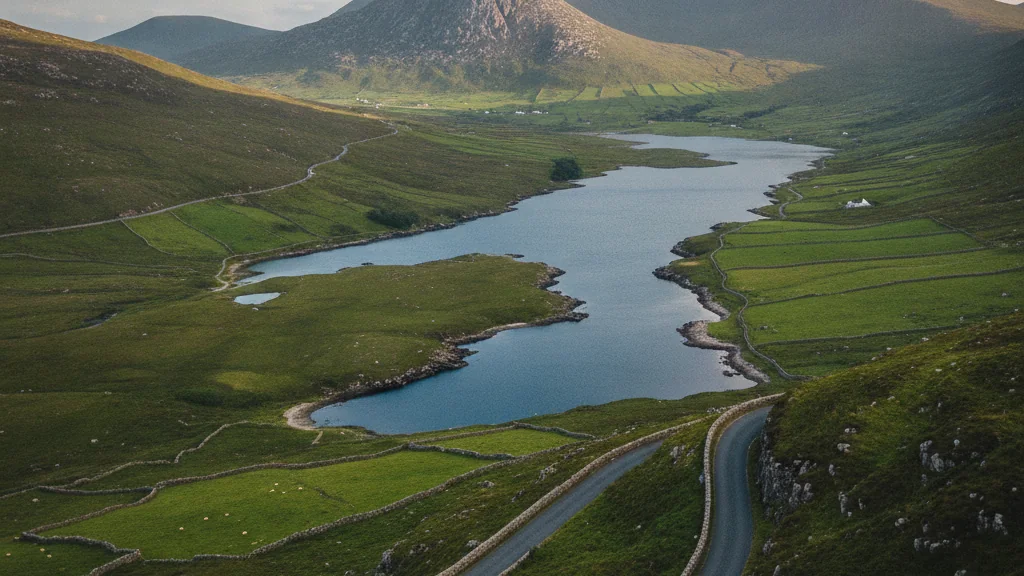
Ireland's maritime climate means families should prepare for cool temperatures and frequent rain throughout the year, with rainfall averaging 68mm to 94mm per month and rainy days occurring 11 to 15 times monthly regardless of season. Packing the right layers, waterproofs and flexible clothing for children makes the difference between a soggy struggle and a comfortable adventure across this green island. The climate data below shows that even summer highs reach only 17°C to 19°C, while winter lows hover around 4°C to 5°C, requiring thoughtful preparation for families visiting any time of year.
| Month | Avg high | Avg low | Rainfall | Rainy days |
|---|---|---|---|---|
| January | 8.3°C | 3.7°C | 68.2 mm | 13.1 |
| February | 8.9°C | 3.8°C | 71.6 mm | 13.5 |
| March | 10.1°C | 4.3°C | 72.7 mm | 13.6 |
| April | 11.7°C | 5.7°C | 56.1 mm | 11.4 |
| May | 14.9°C | 8.6°C | 68.6 mm | 13.0 |
| June | 17.7°C | 11.6°C | 72.3 mm | 13.1 |
| July | 19.4°C | 13.3°C | 75.2 mm | 14.3 |
| August | 18.7°C | 12.9°C | 85.7 mm | 13.5 |
| September | 17.1°C | 11.4°C | 76.1 mm | 11.8 |
| October | 14.1°C | 9.3°C | 89.4 mm | 14.1 |
| November | 10.7°C | 6.3°C | 93.9 mm | 13.6 |
| December | 9.2°C | 4.9°C | 92.3 mm | 15.0 |
Spring Packing Essentials (March - May)
Spring in Ireland brings gradually warming temperatures from 10°C highs in March to nearly 15°C by May, but families will encounter 57mm to 73mm of rain monthly with 11 to 14 rainy days per month. Layering becomes essential during this transitional season when morning chill at 4°C to 9°C gives way to milder afternoons. Pack medium-weight jackets that children can remove as the day warms, along with long-sleeve shirts in breathable fabrics like cotton or merino wool that regulate temperature without overheating. Lightweight waterproof shells work better than heavy coats since spring rain tends toward showers rather than prolonged downpours, and kids can slip them on and off easily when exploring castles or coastal paths. Include at least two pairs of long trousers per child, plus one pair of shorts for unexpectedly mild May afternoons when temperatures climb above average. Closed-toe shoes with good traction prevent slips on wet cobblestones and muddy trails that characterize spring conditions across Irish tourist sites.
Summer Packing Strategy (June - August)
Summer represents Ireland's warmest period with highs reaching 18°C to 19°C and overnight lows staying mild at 11°C to 13°C, yet families should not expect Mediterranean heat. Rainfall actually increases during summer months, with August recording the year's highest precipitation at 86mm across 14 rainy days, followed closely by July's 75mm over 14 rainy days. Pack a mix of short and long sleeves for children, as even July afternoons rarely feel hot enough to wear only t-shirts all day. Lightweight hoodies or fleece pullovers provide warmth during breezy coastal visits and cool evenings without taking up excessive luggage space. Waterproof jackets remain non-negotiable even in peak summer, since rain falls frequently and Irish families know that "summer" means dressing in removable layers rather than swimwear and sandals. Include one warmer layer like a light insulated vest for each child, particularly useful during evening activities or boat trips when temperatures drop and wind increases. Quick-dry fabrics for both tops and bottoms help clothes recover overnight in hotel rooms, essential when rain leaves garments damp despite waterproof outer layers.
Autumn Preparation (September - November)
Autumn temperatures cool steadily from 17°C September highs down to 11°C by November, while rainfall escalates dramatically toward year-end with October seeing 89mm and November reaching 94mm across 14 rainy days each month. Families visiting during autumn should pack as if for winter, with warm base layers, insulated mid-layers and robust waterproofs forming the foundation of every child's daily outfit. Thermal underwear becomes valuable from mid-October onward when morning lows drop to 6°C and damp conditions make the air feel colder than thermometer readings suggest. Waterproof trousers join waterproof jackets as essential items rather than optional extras, since November's near-daily rain and wind-driven showers soak through regular pants quickly during outdoor activities. Pack gloves and warm hats starting in October, along with scarves or neck warmers that children tolerate better than restrictive turtlenecks. Fleece-lined leggings for girls and thermal joggers for boys provide warmth without the bulk of heavy jeans, drying faster when dampness inevitably penetrates outer layers during extended sightseeing.
Winter Wardrobe Planning (December - February)
Winter in Ireland stays surprisingly mild compared to continental climates, with December through February averaging 8°C to 9°C for daytime highs and 4°C overnight lows, yet the combination of rain, wind and humidity creates bone-chilling conditions. December records 92mm of rainfall over 15 rainy days, making it the wettest month for precipitation frequency, while January and February deliver similar patterns with 68mm to 72mm across 13 to 14 rainy days monthly. Pack insulated winter coats with hoods for every family member, prioritizing waterproof outer shells over fashion-forward puffer jackets that lose warmth when wet. Multiple thin layers work better than single thick sweaters, allowing families to adjust to temperature changes between heated indoor attractions and cold outdoor explorations. Include waterproof snow pants or rain trousers for children who play actively, since wet knees and seats make everyone miserable regardless of age. Warm socks prove essential, with families needing at least one pair per day plus extras since footwear rarely dries completely overnight during Ireland's damp winter months. Hand warmers and insulated water bottles that keep drinks hot provide comfort during outdoor castle visits and coastal walks when wind chill makes the effective temperature feel well below the actual 8°C reading.
Footwear for Irish Family Adventures
Footwear choices make or break family comfort across Ireland's varied terrain and persistent wet conditions, regardless of season. Waterproof hiking boots or trail shoes with ankle support serve as the primary footwear for children, providing traction on slick stone steps, muddy farm paths and rain-soaked city sidewalks that dominate Irish sightseeing. Pack a second pair of closed-toe shoes for each child as backup, since even waterproof boots need recovery time between wearing and no shoe truly stays dry through multiple rainy days. Rubber wellies work well for toddlers and young children visiting farms or doing beach explorations, taking up minimal luggage space while offering complete water protection. Avoid packing white sneakers, mesh running shoes or any footwear that cannot handle puddles, as Ireland's 11 to 15 rainy days per month mean encountering wet surfaces daily. Bring indoor shoes or slippers for hotel rooms and guesthouses, since many accommodations prefer guests remove outdoor footwear, and children need comfortable options for downtime. Older children and teens benefit from waterproof sneaker-style hikers that look less utilitarian than traditional boots while providing equivalent protection, reducing resistance to wearing appropriate footwear during family activities.
Sun and Rain Protection
Rain protection takes obvious priority in Ireland where monthly rainfall never drops below 56mm and rainy days occur at least 11 times monthly even during the driest periods. Pack a quality waterproof jacket with sealed seams for each family member rather than cheaper water-resistant shells that fail in prolonged exposure. Umbrella use becomes challenging during Ireland's frequent winds, but compact models provide backup during city walking tours and brief dashes between car and attractions. Waterproof backpack covers or dry bags protect electronics, snacks and spare clothes from moisture damage that accumulates even inside supposedly water-resistant day packs. Despite limited sunshine, Ireland's northern latitude means strong UV exposure during summer months when days stretch past 9pm, requiring families to pack reef-safe sunscreen rated SPF 30 or higher. Sun hats with chin straps prevent loss during coastal winds while protecting children's faces and necks during outdoor activities in May through August. Sunglasses suit older children and adults for reducing glare off water and wet surfaces, though toddlers rarely tolerate them consistently. Pack a small microfiber towel for each child to wipe rain off faces and hands, more practical than tissues that disintegrate when wet.
Kids' Comfort and Entertainment Essentials
Beyond clothing and weather gear, families should pack items that maintain children's comfort and cooperation during Ireland's long, often wet days. Bring extra plastic bags for separating wet clothes from dry items in luggage, essential when returning to accommodations after rainy day trips with no time for laundry. Pack favorite snacks from home, as familiar comfort foods help manage hunger during drives between attractions when Irish meal schedules or menu options do not align with children's preferences or dietary needs. Small entertainment items like card games, travel-size activity books or downloaded content on tablets provide distraction during frequent weather delays and extended car journeys between Ireland's spread-out regions. Hand sanitizer and wet wipes serve multiple purposes from cleaning sticky hands after ice cream to wiping down restaurant high chairs and picnic tables. Include any prescription medications plus basic first aid supplies, as finding specific brands or formulations in Irish pharmacies adds unnecessary stress during family vacations. A small laundry kit with sink-washing detergent helps extend clothing between hotel laundry services, particularly important for families staying in rural guesthouses without on-site facilities.
What Not to Bring to Ireland
Leave behind summer dresses, shorts-only wardrobes and any expectation of wearing sandals as primary footwear, since Ireland's cool temperatures and frequent rain make these items impractical year-round. Skip heavy towels as most accommodations provide them, and beach towels see limited use given that Ireland's highest average temperature reaches only 19°C. Avoid packing excessive electrical appliances beyond essential phone and camera chargers, as voltage differences and plug types complicate use despite adapters being available. Do not bring formal clothing unless attending specific events, since Ireland's family attractions favor practical casual wear and even upscale restaurants accommodate children in neat casual attire. Leave hair dryers at home as hotels provide them, saving luggage space and weight for more essential items. Skip cotton hoodies and sweatshirts that absorb moisture and take days to dry, instead prioritizing synthetic or wool blend options that shed water and dry overnight. Avoid bringing only one waterproof jacket per child as backup proves essential when primary coats become soaked through or develop damage during active play. Do not pack white or light-colored clothing for children, as Ireland's muddy paths and frequent rain make stain management difficult without immediate washing access.
FAQ
What type of rain jacket works best for toddlers visiting Ireland year-round?
Choose waterproof jackets with sealed seams, bright colors for visibility, and elastic cuffs that prevent rain from running down sleeves, since toddlers encounter rain 11 to 15 days monthly regardless of season. Jackets with attached hoods eliminate the separate hat issue, while front zippers allow independent dressing for older toddlers. Prioritize breathable waterproof fabrics over plastic-coated options that trap perspiration during active play, and select sizes with room for layering underneath since Ireland's temperatures range from 8°C winter highs to 19°C summer peaks requiring flexible clothing combinations.
How many complete outfit changes should families pack per child for a week in Ireland?
Pack five to six complete outfits per child for week-long trips, planning for clothing to become damp even with waterproofs during Ireland's persistent rain that occurs 11 to 15 days monthly. Include extra socks and underwear beyond the one-per-day rule, as these items become wet first and take longest to dry in humid conditions. Quick-dry synthetic or wool-blend fabrics allow overnight drying in hotel rooms between wears, extending wardrobe capacity without overpacking. Families staying in accommodations with laundry facilities can reduce outfit counts to four per child, though washing and drying times should be factored into itinerary planning.
Do children need winter coats when visiting Ireland during July and August summer months?
Skip heavy winter coats during July and August when average highs reach 18°C to 19°C, but pack insulated vests or light fleece jackets since overnight lows stay around 12°C to 13°C and coastal winds create wind chill. Summer rainfall actually increases during these months with August recording 86mm across 14 rainy days, making waterproof shells with light insulation more practical than unlined rain jackets alone. Children comfortable in t-shirts during midday still need warm layers for morning starts, evening activities and indoor attractions with minimal heating during Ireland's mild summer season.
What footwear prevents blisters and keeps kids' feet dry during multi-day Ireland road trips with daily walking?
Waterproof hiking boots or trail shoes with broken-in fit prevent blisters better than new footwear during trips involving daily walking across Ireland's wet surfaces and uneven terrain. Pack two pairs of closed-toe waterproof shoes per child, alternating daily to allow drying time since even quality boots become damp inside after exposure to Ireland's 56mm to 94mm monthly rainfall. Merino wool or synthetic hiking socks wick moisture away from skin while providing cushioning, reducing friction that causes blisters during extended wear. Apply preventive blister patches to known hot spots before problems develop, and bring backup footwear that accommodates bandages if blisters occur despite precautions.
Weather data: open-meteo (ERA5 reanalysis, 2014-2023 averages). Reviewed and updated periodically.