What to Pack for Maldives with Kids (Season by Season)
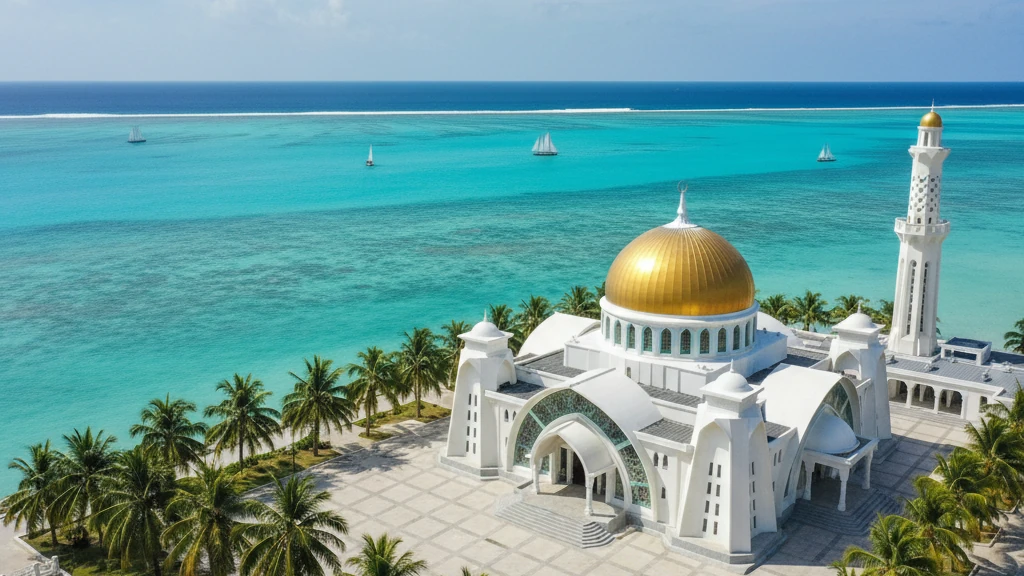
Packing for a family trip to the Maldives requires careful consideration of the tropical climate, which remains warm year-round but varies significantly in rainfall patterns. With temperatures consistently ranging from 26°C to 29°C across all months, the key packing challenge lies in preparing for the monsoon seasons rather than temperature extremes. The dry northeast monsoon from January to March brings minimal rainfall, while the southwest monsoon from May to November delivers heavy downpours and increased humidity. Families will find that waterproof gear, sun protection, and quick-dry clothing form the foundation of a successful Maldives packing list, with seasonal adjustments ensuring comfort whether visiting during the drier or wetter months.
| Month | Avg high | Avg low | Rainfall | Rainy days |
|---|---|---|---|---|
| January | 27.7°C | 26.5°C | 63.8 mm | 9.4 |
| February | 28.0°C | 26.7°C | 38.5 mm | 8.1 |
| March | 28.5°C | 27.0°C | 74.4 mm | 11.7 |
| April | 29.0°C | 27.3°C | 103.5 mm | 15.3 |
| May | 28.9°C | 27.0°C | 259.3 mm | 24.8 |
| June | 28.7°C | 27.1°C | 91.5 mm | 14.4 |
| July | 28.4°C | 26.7°C | 160.3 mm | 17.4 |
| August | 28.3°C | 26.7°C | 162.5 mm | 16.9 |
| September | 28.1°C | 26.3°C | 202.4 mm | 19.6 |
| October | 28.1°C | 26.3°C | 223.6 mm | 21.4 |
| November | 27.9°C | 26.1°C | 257.1 mm | 22.1 |
| December | 27.9°C | 26.2°C | 219.8 mm | 20.5 |
Packing for Spring (March-May)
Spring in the Maldives marks the transition from dry to wet season, with temperatures holding steady around 28-29°C but rainfall escalating dramatically. March sees 74.4mm across 11.7 rainy days, while May brings the monsoon onset with 259.3mm and nearly 25 rainy days. Families should pack lightweight, breathable clothing that dries quickly, as humidity rises sharply during this period. Cotton-blend T-shirts, shorts, and sundresses work well for daytime activities, but synthetic quick-dry fabrics become essential as May approaches. Include at least two swimsuits per child so one can dry while the other is in use. A lightweight rain jacket or packable poncho for each family member is non-negotiable for May travel, when afternoon showers become a daily occurrence. Long-sleeved UV-protective rash guards serve double duty, shielding skin from intense equatorial sun and providing modest coverage for excursions to local islands. Pack swim diapers for toddlers, as regular diapers disintegrate in water and are prohibited in many resort pools.

Packing for Summer (June-August)
Summer coincides with the southwest monsoon, though rainfall moderates slightly compared to May. June receives 91.5mm over 14.4 days, while July and August see higher totals of 160.3mm and 162.5mm respectively, with rainy days hovering around 17. Temperatures remain consistent at 28-28.7°C during daytime highs. Waterproof protection becomes the priority for summer packing, with quick-dry clothing essential for unpredictable showers. Synthetic athletic wear and swim clothing that transitions easily from water to land activities minimizes the need for frequent outfit changes. Pack waterproof bags or dry sacks to protect electronics, passports, and other valuables during boat transfers and beach outings. Sandals that perform well when wet are preferable to shoes that take hours to dry. Include a lightweight sarong or cover-up for each family member, useful both as a towel alternative and for respectful attire when visiting inhabited islands. Bring more clothing changes than typically needed, as the combination of humidity and rain means items may not dry overnight. Mosquito repellent becomes more important during wetter months, particularly for evening activities.
Packing for Autumn (September-November)
Autumn represents the wettest season in the Maldives, with rainfall peaking in October and November at 223.6mm and 257.1mm respectively, spread across 21-22 rainy days each month. September sees 202.4mm over nearly 20 days. Temperatures dip slightly to 27.9-28.1°C for highs. This season demands the most comprehensive rain protection for families, as showers occur frequently throughout the day rather than in brief bursts. Pack full rain gear including waterproof jackets with hoods for both adults and children, not just ponchos. Waterproof phone cases and camera bags prevent costly damage during unexpected downpours. Quick-dry travel towels take up minimal luggage space and prove invaluable when regular towels remain damp. Bring extra sets of lightweight pajamas, as nighttime humidity can leave clothing feeling sticky. Water shoes with good grip prevent slips on wet pool decks and boat surfaces. Despite the rain, UV protection remains critical - the sun is fierce when clouds part. Indoor entertainment for children, such as travel games, tablets with downloaded content, and activity books, helps fill rainy stretches when outdoor play is limited. Zippered plastic bags in various sizes protect clean clothes from damp items in shared luggage.
Packing for Winter (December-February)
Winter brings the driest, most popular travel season, with December still experiencing monsoon tail-end effects (219.8mm over 20.5 days) before conditions improve dramatically. January sees just 63.8mm across 9.4 rainy days, while February is the driest month at 38.5mm over 8.1 days. Temperatures range from 27.7-28°C, providing ideal beach conditions. Families can pack lighter during this season, focusing on sun protection rather than rain gear. Multiple swimsuits, reef-safe sunscreen, and sun hats form the core of winter packing. Lightweight cotton clothing breathes well in the dry heat, and laundry dries quickly between uses. While rain protection is less critical than other seasons, a light rain jacket still proves useful for January and the occasional December shower. This is the best time to pack nicer resort wear if dining at upscale restaurants, as humidity is lower and clothing stays fresh longer. Bring reef-safe mineral sunscreen in quantity - it's expensive or unavailable at many resorts. Pack aloe vera gel for inevitable sunburns despite best precautions. Snorkel masks that fit children's faces properly are worth bringing from home, as resort equipment may not accommodate smaller heads comfortably.
Footwear Essentials
Footwear choices for the Maldives require careful planning, as sandy environments and water-based activities dominate family time. Water shoes with sturdy soles protect feet from sharp coral fragments and sea urchins during reef walks and beach entries, essential for children who run without watching their step. These should fit snugly to prevent loss in waves. Sport sandals with back straps provide secure, quick-drying footwear for boat trips and poolside activities, while flip-flops work well for room-to-restaurant walks. One pair of closed-toe sneakers per family member proves useful for seaplane terminals and long airport transits, though these rarely get worn at resorts. Avoid packing multiple pairs of shoes - most time is spent barefoot or in water shoes. For toddlers still mastering walking, flexible water shoes with good traction prevent slips on wet surfaces. Break in all footwear before the trip to avoid blisters that saltwater will aggravate. Consider packing baby powder to prevent sand from sticking to feet when transitioning from beach to room.
Sun and Rain Protection
The Maldives' equatorial location means intense sun exposure year-round, while seasonal rainfall patterns determine rain protection needs. Broad-spectrum reef-safe sunscreen with SPF 50+ is mandatory for all family members, with reapplication every 90 minutes during water activities. Long-sleeved UV-protective swimwear (UPF 50+) dramatically reduces sunscreen needs while providing constant protection during extended beach and snorkel sessions. Wide-brimmed hats that secure with chin straps prevent loss in ocean breezes while shading faces, necks, and ears. UV-protective sunglasses protect children's developing eyes from reflected glare off water and sand. For rain protection, lightweight waterproof jackets pack smaller than umbrellas and free hands for holding children during boat transfers. Waterproof phone pouches with lanyard attachments allow photos during rain showers without risk. A small waterproof backpack protects spare clothes, snacks, and valuables during excursions when weather turns. During wetter months (May through November), pack one poncho per person as backup to jackets. Pop-up beach tents provide shade for infants and toddlers who need breaks from direct sun, though these are bulky and some resorts provide them.
Kids' Essentials and Family Comfort Items
Beyond basic clothing and footwear, specific items ensure young children remain comfortable in the tropical environment. Swim diapers are essential for babies and toddlers, as regular diapers are prohibited in pools and disintegrate in seawater. Pack more than estimated - they're expensive at resort shops when available. Rash-free diaper cream in travel sizes helps with increased diaper wearing time during all-day beach activities. Bring familiar snacks for picky eaters, as children's menus at resorts may not accommodate all tastes. Insulated water bottles keep drinks cool under hot sun and reduce single-use plastic bottle waste. Mesh bags for collecting shells and beach toys prevent sand from invading luggage. Children's antihistamine, fever reducer, and rehydration salts address common travel ailments without urgent resort clinic visits. Nightlights ease anxiety in unfamiliar villa environments, while white noise apps mask unfamiliar ocean sounds that might disrupt sleep. Baby carriers or wraps help navigate sand with infants, as strollers are nearly useless on beaches. Pack children's ear plugs for flights and seaplane transfers, as cabin pressure changes affect small ears more severely. Bring favorite bedtime books or comfort items that maintain routine despite time zone changes and exciting surroundings.
What Not to Bring
Equally important as knowing what to pack is understanding what to leave home. Bulky beach towels waste precious luggage space and weight allowance - resorts provide abundant towels for rooms, pools, and beaches. Hair dryers, straighteners, and styling tools are universally provided in resort villas and rarely work properly when voltage converters are involved. Formal clothing and dress shoes serve no purpose - even upscale resort restaurants maintain island-casual dress codes where sundresses and collared shirts represent dressing up. Heavy jeans and thick fabrics remain unworn in the consistent heat. Expensive jewelry and valuables create unnecessary worry in beach environments. Beach toys and floaties are available at resorts, and inflatable items consume luggage space better used for clothing. Alcohol is prohibited from import into the Maldives and will be confiscated at customs. Books can be replaced with e-readers to save weight. Excessive toiletries are unnecessary - bring only what cannot be purchased locally, as most resorts stock basics. Umbrellas are less practical than rain jackets for tropical downpours. Skip the snorkel gear unless children require special fits - complimentary equipment is standard at family resorts.
FAQ
What type of clothing works best for Maldives' high humidity with young children?
Quick-dry synthetic fabrics and moisture-wicking athletic wear perform better than cotton in the Maldives' humidity, which remains high year-round regardless of rainfall patterns. Clothing dries faster between washes, prevents that sticky feeling in temperatures around 27-29°C, and transitions seamlessly from water activities to casual wear. For children who change outfits frequently due to spills and sand, synthetic materials mean less time waiting for laundry and more outfits that can be hand-washed and dried overnight even during wetter months with 200mm+ rainfall.
How much reef-safe sunscreen should families pack for a week-long Maldives trip?
Plan for approximately 500ml of reef-safe sunscreen per family member per week, accounting for full-body applications every two hours during beach and water activities under intense equatorial sun. A family of four typically requires 2 liters total for seven days. Reef-safe formulations (mineral-based zinc oxide or titanium dioxide without oxybenzone or octinoxate) are mandatory at many resorts to protect fragile coral ecosystems, but they're expensive or unavailable locally. Children require more frequent application after water play, and the Maldives' position near the equator means stronger UV exposure than many families anticipate even during cloudier monsoon months.
Is rain gear really necessary during the Maldives dry season from January to March?
While January and February are the driest months with only 63.8mm and 38.5mm of rainfall respectively, families should still pack lightweight rain jackets or ponchos. Even during peak dry season, occasional showers occur - January averages 9.4 rainy days - and boat transfers between islands expose families to wind-driven spray regardless of actual rainfall. March sees rainfall increase to 74.4mm across nearly 12 days as transition toward monsoon begins. Packable rain protection takes minimal luggage space while preventing a single unexpected downpour from ruining excursion days. December, though considered dry season, still experiences monsoon tail effects with 219.8mm, making rain gear essential rather than optional.
What should families pack for children who are sensitive to new foods when traveling to the Maldives?
Bring familiar non-perishable snacks such as granola bars, crackers, dried fruit, and individual nut butter packets to supplement resort meals for selective eaters. While Maldives resorts offer children's menus, the isolation of island locations means limited variety compared to mainland destinations, and ingredient availability varies seasonally. Pack enough comfort foods to bridge meals rather than replacing them entirely - customs regulations limit quantities, and liquids face restrictions. Instant oatmeal packets, favorite cereal in zippered bags, and preferred breakfast items help start days successfully. Resort restaurants can prepare plain rice, pasta, and grilled proteins upon request, but having backup snacks prevents meltdowns when children reject unfamiliar preparations during what should be relaxing family time.
Weather data: open-meteo (ERA5 reanalysis, 2014-2023 averages). Reviewed and updated periodically.