Best Time to Visit Czechia with Kids
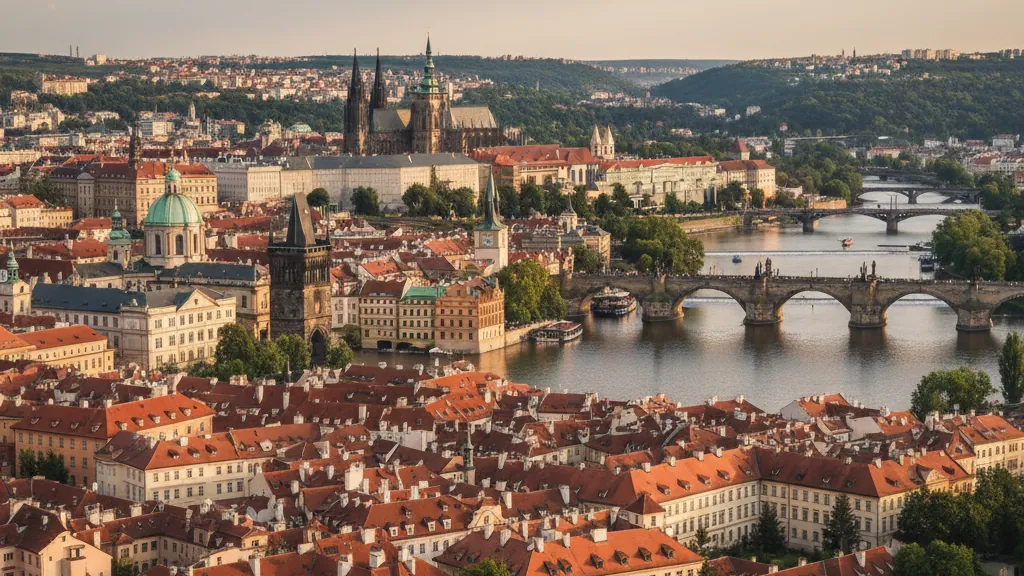
Czechia offers families a captivating mix of fairy-tale castles, interactive museums, scenic river valleys, and vibrant city squares that appeal to children and adults alike. Choosing the right time to visit can make the difference between a magical family adventure and a trip spent dodging crowds or huddling indoors during cold snaps. The country experiences a continental climate with warm summers, cold winters, and distinct shoulder seasons that each offer unique advantages for families. Understanding the interplay of weather, school holidays, crowd levels, and seasonal attractions helps families plan a trip that balances comfortable conditions with the best opportunities for exploration and fun.
| Month | Avg high | Avg low | Rainfall | Rainy days |
|---|---|---|---|---|
| January | 3.8°C | -1.6°C | 36.9 mm | 11.1 |
| February | 6.3°C | -1.2°C | 35.4 mm | 8.9 |
| March | 10.1°C | 0.9°C | 38.7 mm | 10.3 |
| April | 14.7°C | 4.4°C | 40.1 mm | 9.3 |
| May | 19.1°C | 9.0°C | 67.8 mm | 12.2 |
| June | 24.3°C | 14.0°C | 74.0 mm | 11.0 |
| July | 25.9°C | 15.7°C | 63.1 mm | 10.8 |
| August | 25.4°C | 15.4°C | 78.7 mm | 10.6 |
| September | 20.8°C | 11.4°C | 51.8 mm | 9.0 |
| October | 15.3°C | 7.3°C | 51.9 mm | 10.4 |
| November | 8.7°C | 2.8°C | 43.0 mm | 9.2 |
| December | 5.3°C | 0.2°C | 45.9 mm | 11.2 |
Best Overall Months for Families
May and September stand out as the two best months to visit Czechia with kids. May in Czechia brings pleasant temperatures with highs around 19°C and lows near 9°C, making it comfortable for outdoor exploration without the intense heat of summer. The month sees moderate rainfall at 67.8 mm spread across approximately 12 rainy days, so packing layers and a light rain jacket is essential. Spring blooms transform parks and castle gardens into colorful playgrounds, and most major attractions operate on extended schedules without the peak summer crush. September offers similar advantages with daytime highs around 21°C and nighttime lows near 11°C, slightly drier conditions at 51.8 mm of rain, and the added bonus of harvest festivals and autumn foliage that create a storybook atmosphere in the countryside. Both months fall outside the main European school holiday periods, meaning shorter queues at Prague Castle, easier restaurant reservations, and a more relaxed pace that suits families traveling with younger children.
Month-by-Month Breakdown for Family Travel
Understanding what each month offers helps families align their visit with their priorities and constraints. Winter months from December through February bring cold temperatures, with January seeing highs of just 3.8°C and lows dipping to -1.6°C. February warms slightly to 6.3°C during the day but remains chilly at -1.2°C overnight. These months suit families interested in Christmas markets, winter sports in the mountains, or exploring heated indoor attractions like the National Technical Museum or Lego Museum in Prague. Rainfall is relatively low, but snow and ice can make stroller navigation challenging.
Spring arrives gradually, with March reaching 10.1°C during the day and 0.9°C at night, while April climbs to 14.7°C and 4.4°C respectively. March still requires warm jackets and sees 38.7 mm of rain across about 10 days, while April brings 40.1 mm over roughly 9 rainy days. Easter holidays often fall in this period, which can increase crowds at popular sites but also brings special events and puppet shows geared toward children.
Summer peaks in July and August, when temperatures reach their highest points. July averages 25.9°C during the day and 15.7°C at night, while August is nearly identical at 25.4°C and 15.4°C. June is slightly cooler at 24.3°C and 14°C. Rainfall increases substantially in summer, with June recording 74 mm, July 63.1 mm, and August the wettest month at 78.7 mm, though rain typically arrives in afternoon thunderstorms rather than all-day drizzle. These months offer the longest daylight hours and the warmest swimming conditions at outdoor pools and lakes, but also coincide with peak European school holidays and the busiest tourist season.
Autumn cools comfortably through October, with highs around 15.3°C and lows near 7.3°C, and rainfall at 51.9 mm over approximately 10 days. November transitions toward winter with 8.7°C daytime temperatures and 2.8°C overnight, plus 43 mm of rain across 9 days. October remains excellent for families who want fewer crowds while still enjoying pleasant weather for castle visits and forest hikes.
School Holidays vs Shoulder Season Trade-offs
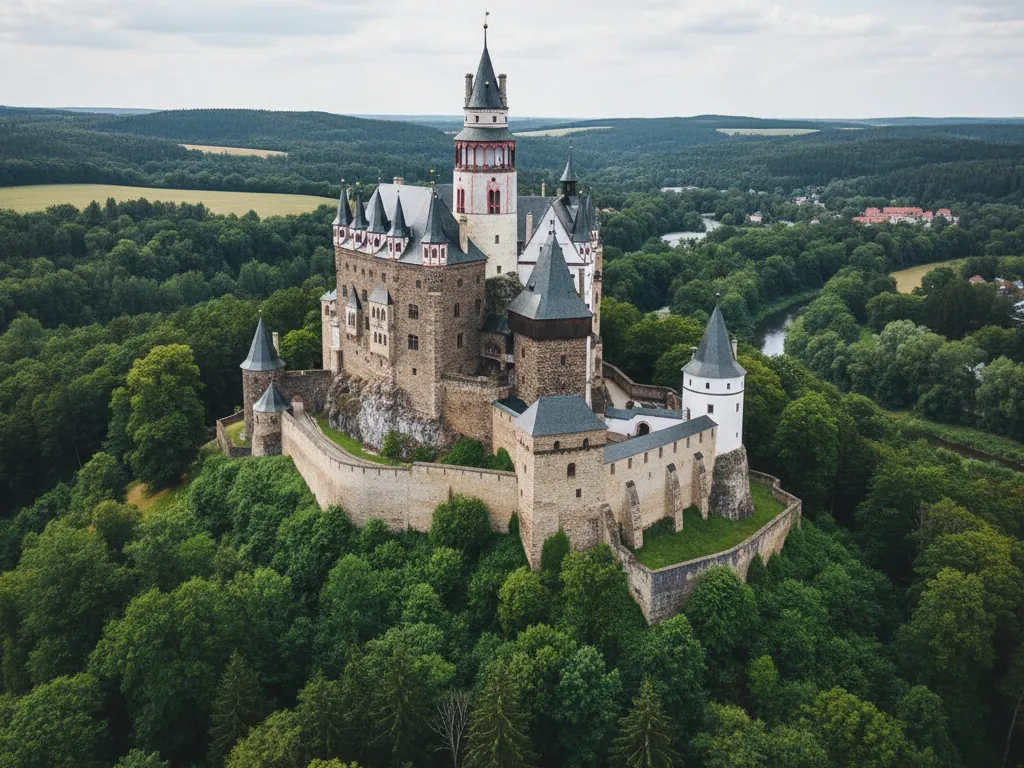
Families face a fundamental choice between traveling during school breaks or pulling children out for a few days to capture shoulder-season advantages. Summer school holidays from late June through August offer the warmest weather and longest days, with temperatures in Czechia hovering around 24-26°C and attractions operating at full capacity with extended hours. However, this period also brings the highest visitor numbers to Prague's Old Town Square, Charles Bridge, and popular castles like Karlstejn and Cesky Krumlov. Booking accommodations and popular restaurants requires advance planning, and patience is necessary when navigating crowded streets with strollers or tired children.
Shoulder months of May, early June, September, and early October offer compelling alternatives. Temperatures remain family-friendly, typically ranging from 15-21°C during the day, which is warm enough for comfortable sightseeing without the exhaustion that intense heat can bring to young travelers. Attractions are less crowded, making it easier to engage children in castle tours or museum visits without long waits. Many families find that the educational and experiential benefits of shoulder-season travel - more personal space, better opportunities to interact with locals, and lower stress levels - outweigh the inconvenience of missing a few school days. The key consideration is regional school calendar variations, as some European regions have staggered holiday schedules that can still bring crowds during what might otherwise be quieter periods.
Weather by Season and What to Expect
Czechia experiences four distinct seasons that each shape the family travel experience differently. Winter, spanning December through February, brings cold continental conditions with highs between 3.8°C and 6.3°C and lows often below freezing. Snow transforms Prague and smaller towns into winter wonderlands, particularly appealing during the December holiday season, though outdoor activities require significant bundling up. Rainfall is relatively modest at 36-46 mm per month, but precipitation often falls as snow or sleet.
Spring from March through May shows dramatic warming, with temperatures climbing from 10.1°C in March to 19.1°C by May. Rainfall increases through the season, peaking at 67.8 mm in May with about 12 rainy days. This variability means packing for multiple weather scenarios is essential, but the reward is watching the countryside burst into bloom and outdoor cafes reopen for the season. Late spring is particularly lovely in southern Bohemia and the Moravian wine regions.
Summer from June through August delivers the warmest conditions, with highs consistently between 24-26°C and comfortable overnight lows around 14-16°C. Rainfall is highest during summer months, ranging from 63-79 mm, with August receiving 78.7 mm across nearly 11 rainy days. Storms typically arrive in late afternoon, clearing by evening, so planning major outdoor activities for morning hours makes sense. Summer evenings stay light until 21:00 or later, giving families extended time for outdoor dining and river walks.
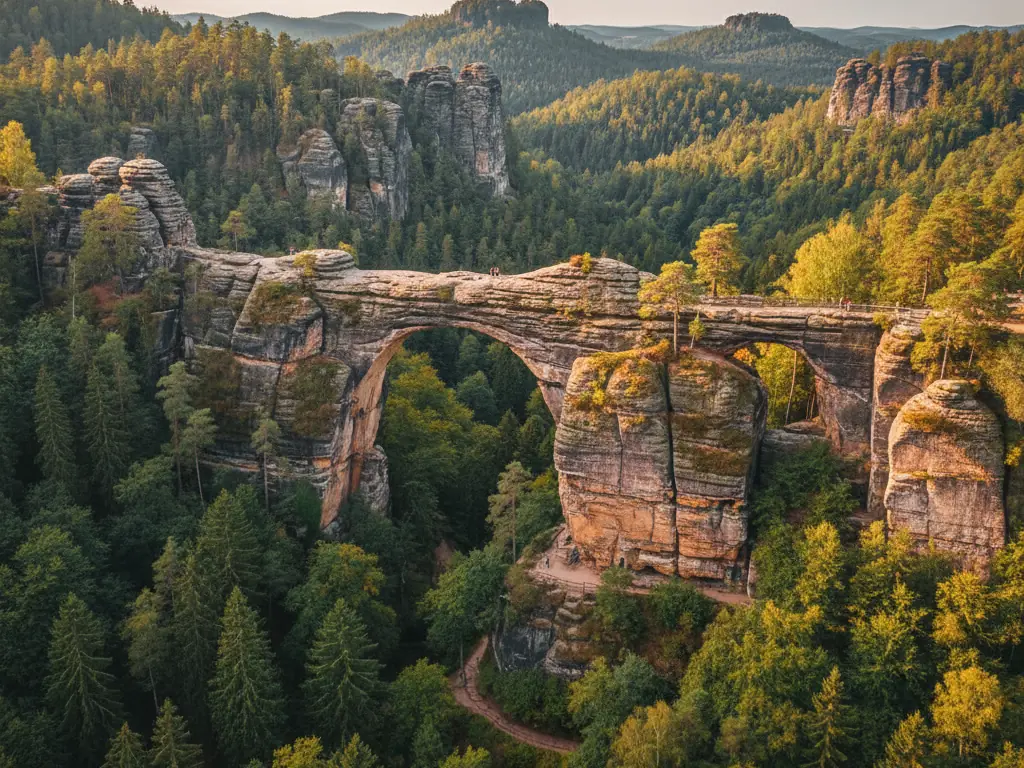
Autumn from September through November offers perhaps the most variable conditions. September retains summer warmth at 20.8°C with moderate rainfall of 51.8 mm, while October cools to 15.3°C and November drops to 8.7°C. The season is drier than summer, making it excellent for hiking in Bohemian Switzerland or exploring open-air folk architecture museums. Autumn colors peak in October, creating stunning backdrops for family photos at countryside chateaux.
What to Pack for Family Travel to Czechia
Packing for Czechia requires adapting to the season and preparing for weather variability. For spring and autumn visits, layering is essential. Base layers should include long-sleeve shirts and lightweight sweaters, topped with a waterproof jacket that can handle the 40-68 mm of rainfall these seasons bring. Comfortable walking shoes with good traction are non-negotiable given the cobblestone streets throughout historic towns, and a backup pair protects against the inevitable puddle splashing. A compact umbrella fits easily in day bags, and a small backpack per child helps distribute snacks, water, and entertainment for longer sightseeing days.
Summer visits from June through August call for lighter clothing, but don't skip the rain gear. With 63-79 mm of monthly rainfall, afternoon thunderstorms are common. Pack breathable cotton or moisture-wicking fabrics, sun hats, and sunscreen for the long, bright days when temperatures reach 24-26°C. A light cardigan or long-sleeve shirt handles cooler mornings and air-conditioned museums. Comfortable sandals work for warm afternoons, but closed-toe shoes are better for active exploration and variable terrain.
Winter travel demands serious cold-weather gear. With temperatures hovering near or below freezing from December through February, thermal underlayers, insulated coats, warm hats, gloves, and scarves are essential for everyone. Waterproof boots with good insulation keep feet warm and dry during snowy or slushy conditions. For families with young children, a weather-protected stroller cover or carrier with wind protection helps keep little ones comfortable during outdoor exploration. Hand warmers tucked into pockets or mittens provide extra comfort during extended outdoor activities like Christmas market visits.
Regardless of season, a small first-aid kit, any necessary medications, and basic entertainment for children (books, small toys, tablets with downloaded content) make travel smoother. A refillable water bottle for each family member and a stash of favorite snacks help bridge the gaps between meals and accommodate picky eaters encountering unfamiliar cuisine.
Crowd Levels and Price Seasonality
Tourism patterns in Czechia follow predictable seasonal rhythms that significantly impact the family travel experience. Peak season runs from late June through August, aligning with European school holidays and the warmest weather when temperatures in Czechia reach 24-26°C. During this period, major attractions in Prague - particularly Prague Castle, the Astronomical Clock, and Charles Bridge - see their highest visitor numbers. Accommodations in popular areas fill quickly and reach their highest rates, while restaurants in tourist zones require reservations. For families, this means more time spent in queues and navigating crowded spaces, though the extended daylight hours and full schedule of summer festivals provide compensating benefits.
Shoulder seasons in May, early June, September, and early October offer the most favorable balance for families. Visitor numbers drop notably compared to peak summer, creating a more relaxed atmosphere for sightseeing and making it easier to engage children in historical and cultural experiences. Accommodations become more available and prices moderate, providing better value for family budgets. Attractions maintain regular operating hours, and the weather remains suitable for outdoor activities with temperatures ranging from 15-21°C.
Low season from November through March sees the fewest visitors outside of the December holiday period. The Christmas market season from late November through early January brings a temporary surge, particularly on weekends, but January through March are genuinely quiet. Prices for accommodations reach their lowest points, and attractions are nearly empty, though reduced hours and some seasonal closures at outdoor sites require advance planning. Winter temperatures between 3-10°C suit families interested in a winter-wonderland experience or those prioritizing indoor cultural activities and low-key exploration over packed itineraries.
FAQ
What is the best month to visit Czechia with young children who tire easily in heat?
May and September offer the ideal combination for families with heat-sensitive young children, with comfortable daytime temperatures around 19-21°C that allow for extended outdoor exploration without exhaustion. These months avoid the peak summer heat of July and August when temperatures reach 25-26°C, while still providing warm enough conditions for outdoor activities. The moderate pace of shoulder-season travel also means shorter queues and less crowded attractions, reducing the stress on tired little ones.
How much rain should we expect if we visit Prague with kids in summer?
Summer months in Czechia bring the highest rainfall of the year, with June recording 74 mm, July 63.1 mm, and August reaching 78.7 mm spread across 10-11 rainy days per month. Rain typically arrives as afternoon thunderstorms rather than all-day precipitation, so planning outdoor activities for morning hours and having indoor backup options like museums or puppet theaters helps families work around the weather without disrupting the entire day.
Is it worth visiting Czechia with kids during winter for the Christmas markets?
December offers a magical experience for families at Czech Christmas markets, particularly in Prague, Cesky Krumlov, and Brno, though the cold temperatures with highs around 5.3°C and lows near 0.2°C require serious winter gear. The festive atmosphere, seasonal treats like trdelnΓk (chimney cakes), and special holiday programming at attractions create memorable experiences for children. Families should balance outdoor market time with warm indoor activities and ensure everyone is properly dressed for extended periods in cold conditions.
What should families pack for an April visit to Czechia during Easter break?
April in Czechia brings variable spring conditions with daytime highs around 14.7°C and nighttime lows near 4.4°C, plus approximately 40.1 mm of rain across 9 days. Families should pack layers including long-sleeve shirts, medium-weight sweaters, waterproof jackets, comfortable closed-toe walking shoes, and an umbrella. The weather can shift quickly in spring, so having options for both cooler mornings and warmer afternoons, plus rain protection, ensures comfort throughout the day regardless of conditions.
Weather data: open-meteo (ERA5 reanalysis, 2014-2023 averages). Reviewed and updated periodically.