What to Pack for Netherlands with Kids (Season by Season)
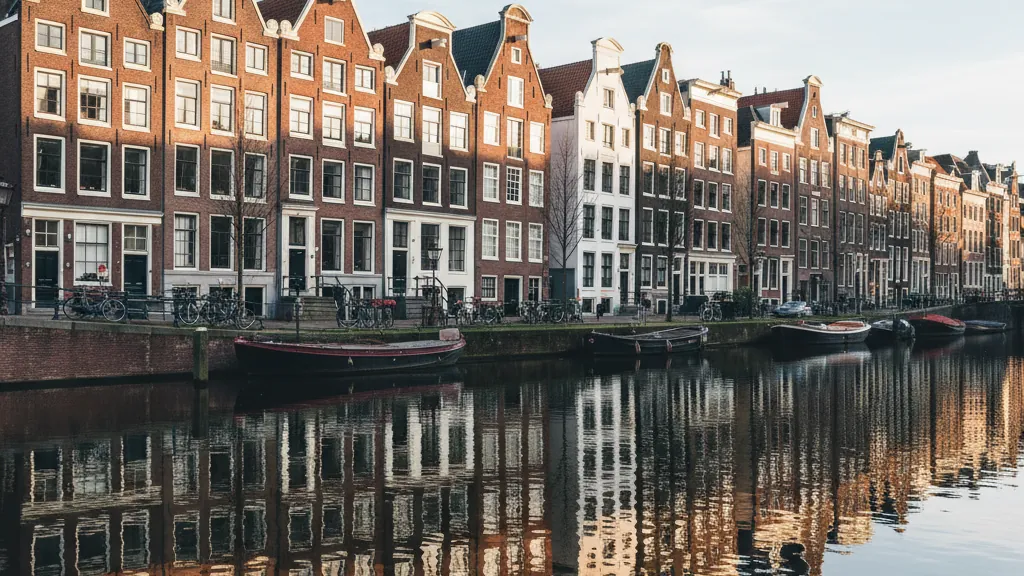
The Netherlands experiences a temperate maritime climate with mild temperatures year-round, but rainfall is consistent across all seasons and weather can shift quickly. Families visiting with children need to pack layers, waterproofs, and versatile clothing to handle the country's changeable conditions - whether cycling through tulip fields in spring, exploring Amsterdam's canals in summer, or visiting festive markets in winter. This guide breaks down essential packing by season, using climate data from Amsterdam as a reference point, so families can prepare for comfortable days of sightseeing, biking, and outdoor play no matter when you travel.
| Month | Avg high | Avg low | Rainfall | Rainy days |
|---|---|---|---|---|
| January | 6.8°C | 2.5°C | 80.6 mm | 15.1 |
| February | 7.8°C | 2.4°C | 70.6 mm | 12.6 |
| March | 10.0°C | 3.3°C | 62.8 mm | 12.4 |
| April | 13.1°C | 5.5°C | 53.9 mm | 10.8 |
| May | 16.8°C | 9.0°C | 60.5 mm | 10.9 |
| June | 20.5°C | 12.9°C | 70.2 mm | 11.0 |
| July | 21.7°C | 14.4°C | 79.0 mm | 13.9 |
| August | 21.6°C | 14.5°C | 83.9 mm | 14.9 |
| September | 19.3°C | 12.2°C | 69.2 mm | 11.7 |
| October | 15.1°C | 9.7°C | 92.7 mm | 14.6 |
| November | 10.3°C | 5.6°C | 75.5 mm | 15.2 |
| December | 7.8°C | 3.7°C | 80.7 mm | 15.1 |
Spring Packing Essentials (March, April, May)
Spring in the Netherlands brings gradually warming temperatures from 10.0°C highs in March to 16.8°C by May, with overnight lows climbing from 3.3°C to 9.0°C. Rainfall ranges between 53.9mm and 62.8mm per month, spread across 10 to 12 rainy days. Families should pack for mild but unpredictable weather, with cool mornings and occasional wet spells interrupting otherwise pleasant days.
- Layering clothing: Long-sleeve shirts, lightweight sweaters, and cardigans that children can add or remove as temperatures fluctuate throughout the day
- Spring jacket: A water-resistant windbreaker or light rain jacket for each family member - essential for April showers and breezy canal walks
- Long pants and jeans: Comfortable trousers for cycling and walking, as shorts will be too cool most spring days
- Light scarves and beanies: Useful for chilly March mornings and evenings, especially when temperatures drop below 5°C
- Backup outfit: One complete change of clothes in your day bag, since spring drizzle can catch families off-guard during tulip season outings

Summer Packing Essentials (June, July, August)
Summer delivers the warmest weather, with highs between 20.5°C and 21.7°C and comfortable overnight lows from 12.9°C to 14.5°C. Rainfall is surprisingly consistent at 70.2mm to 83.9mm monthly, with August seeing nearly 15 rainy days. The Netherlands never becomes truly hot, so families should pack for warm but not sweltering conditions, with rain gear always at hand.
- Light layers: T-shirts, short-sleeve tops, and one lightweight long-sleeve option for cooler evenings or air-conditioned museums
- Mix of shorts and pants: Both are useful, as temperatures hover around 21°C - warm enough for shorts during midday, but comfortable in light pants morning and evening
- Compact rain jacket: Waterproof layers remain essential even in summer, with July and August each averaging 13-14 rainy days
- Light sweater or hoodie: Evenings can feel cool when temperatures drop to 14°C, particularly near water or during boat tours
- Sun protection clothing: Lightweight long-sleeve sun shirts for children who burn easily, though the weather is rarely intensely hot
Autumn Packing Essentials (September, October, November)
Autumn temperatures decline steadily from 19.3°C in September to 10.3°C by November, with lows ranging from 12.2°C down to 5.6°C. October is the wettest month at 92.7mm across nearly 15 rainy days, while November sees 15.2 rainy days. Families need robust rain gear and increasingly warm layers as the season progresses toward winter conditions.
- Medium-weight jacket: A warmer coat than spring requires, preferably waterproof or with a waterproof shell, particularly for October and November
- Layering essentials: Long-sleeve base layers, sweaters, fleeces, and vests that can be combined as temperatures drop through the season
- Warm accessories: Hats, gloves, and scarves become necessary by November when temperatures approach 5°C in early morning
- Waterproof outerwear: Rain pants for young children who will be playing outdoors or cycling, given October's heavy rainfall
- Warm socks: Multiple pairs of thicker socks for cooler autumn days, especially when feet get wet during rainy-day exploration
Winter Packing Essentials (December, January, February)
Winter brings the coldest conditions, with daytime highs between 6.8°C and 7.8°C and overnight lows from 2.4°C to 3.7°C. Rainfall remains steady at 70.6mm to 80.7mm monthly, with 12 to 15 rainy days. While the Netherlands rarely experiences severe cold, the damp maritime climate makes these temperatures feel chillier, and families need proper insulation and waterproofing.
- Winter coat: A warm, waterproof coat rated for near-freezing temperatures - essential for all-day outdoor activities and cycling
- Warm base layers: Thermal underwear or fleece-lined leggings for children who feel the cold, particularly during canal boat rides
- Full winter accessories: Warm hats, insulated gloves or mittens, and scarves for everyone - temperatures consistently hover just above freezing
- Layering pieces: Multiple sweaters, hoodies, and fleeces to create adjustable warmth when moving between heated indoor spaces and cold streets
- Waterproof gloves: Regular gloves become uncomfortably damp during December and January's 15 monthly rainy days
Footwear for All Seasons
Footwear choices in the Netherlands need to balance comfort for extensive walking and cycling with waterproof protection against frequent rain. Cobblestone streets in historic centers and long museum days require supportive shoes, while wet weather demands water-resistant materials year-round.
- Waterproof walking shoes or boots: The single most important footwear item - comfortable, broken-in shoes with water-resistant treatment or waterproof membranes
- Closed-toe design: Essential for cycling safely and keeping feet dry during rain showers in any season
- Backup pair: A second set of shoes lets wet footwear dry overnight, critical when rain occurs 10-15 days per month
- Winter boots: Insulated, waterproof boots for December through February when temperatures drop to 2-3°C
- Indoor shoes for accommodation: Lightweight slip-ons or sandals for wearing inside hotels or vacation rentals
Sun and Rain Protection
The Netherlands requires year-round rain preparation and seasonal sun protection. Rain gear is non-negotiable given consistent monthly rainfall between 53.9mm and 92.7mm, while summer months warrant sun protection despite moderate temperatures around 21°C.
- Compact umbrella: One per adult and sturdy child-size umbrellas for older children - useful in any season but particularly during October's heavy rainfall
- Rain ponchos: Lightweight, packable ponchos for children provide full coverage and work over backpacks during sudden showers
- Waterproof day bag covers: Protect electronics, snacks, and spare clothing during the 10-15 rainy days expected each month
- Sunscreen SPF 30+: Essential for summer months June through August, and for spring tulip field visits when sun exposure increases
- Sunglasses and sun hats: Important for summer days and bright spring weather, though not as critical as in Mediterranean climates
Kids' Essentials and Comfort Items
Family travel to the Netherlands involves extensive walking, cycling, and outdoor time. Kid-specific packing should prioritize comfort during active days, adaptability to weather changes, and entertainment during rainy periods.
- Backpack for each child: Child-size daypacks let kids carry their own water, snacks, and rain jacket - building responsibility and distributing weight
- Reusable water bottles: Tap water is safe throughout the Netherlands, and refillable bottles reduce costs and plastic waste
- Blister prevention: Band-aids, moleskin, and well-broken-in shoes prevent discomfort during high-mileage sightseeing days
- Quiet activities: Small toys, coloring supplies, or tablets with downloaded content for indoor time during the 10-15 monthly rainy days
- Snack containers: Reusable snack boxes for carrying Dutch treats from markets or grocery stores during day trips
- Comfort item: One small stuffed animal or blanket for younger children to ease unfamiliar accommodation transitions
What NOT to Bring
Avoiding unnecessary items reduces luggage weight and leaves room for purchases and souvenirs. Several common packing choices are unnecessary for Netherlands family travel.
- Heavy winter gear beyond season: Unless traveling December through February, bulky parkas and insulated snow pants are excessive - temperatures rarely drop below freezing
- Excessive formal clothing: The Netherlands maintains a casual culture, and even nice restaurants welcome families in smart-casual attire
- Beach/swimming focus: Despite summer warmth to 21.7°C, the Netherlands is not a beach destination - one swimsuit per person suffices
- Large quantities of toiletries: Pharmacies and supermarkets stock all essentials, often at lower prices than travel-size products
- Bulky towels: Accommodations provide towels, and quick-dry travel towels work for any special needs
- Full rain suits for adults: Unless planning serious cycling tours, a good rain jacket and umbrella provide adequate protection without the bulk
FAQ
What should I pack for visiting the Netherlands with kids in April during tulip season?
April in the Netherlands averages 13.1°C highs and 5.5°C lows with 53.9mm of rain across nearly 11 days. Pack layering clothing including long-sleeve shirts, sweaters, and light jackets, plus waterproof outerwear for everyone. Comfortable waterproof walking shoes are essential for tulip field visits, and bring a light scarf or beanie for cool mornings. April weather is unpredictable, so layers that can be added or removed throughout the day work best for families spending time outdoors.
Do I need to pack warm clothes for summer travel to the Netherlands with children?
Yes, summer temperatures reach only 20.5-21.7°C during the day and drop to 12.9-14.5°C at night. While shorts and t-shirts work for midday, families should pack lightweight long pants, long-sleeve layers, and a sweater or hoodie for cooler evenings and air-conditioned museums. A light rain jacket remains essential, as June through August each see 11-15 rainy days. The Netherlands never becomes hot by Mediterranean standards, so pack for warm rather than sweltering conditions.
How much rain gear do families really need when packing for the Netherlands?
Rain gear is essential year-round, as monthly rainfall ranges from 53.9mm to 92.7mm with 10-15 rainy days expected regardless of season. Each family member needs a waterproof jacket or windbreaker, and compact umbrellas are highly recommended. Consider rain ponchos for young children and waterproof covers for day bags to protect electronics and spare clothing. October is the wettest month at 92.7mm, but even drier months like April still see substantial rain, making waterproof footwear and layers non-negotiable for comfortable family travel.
What type of shoes should kids wear for cycling and walking around Amsterdam and other Dutch cities?
Children need comfortable, broken-in, waterproof walking shoes with closed toes for safe cycling and protection during frequent rain. Given monthly rainy days between 10 and 15 throughout the year, water-resistant treatment or waterproof membranes are essential. Bring a backup pair so wet shoes can dry overnight. Avoid brand-new shoes that cause blisters during high-mileage days, and skip open-toe sandals as primary footwear since they offer no protection during showers or when cycling. Winter months require insulated waterproof boots when temperatures drop to 2-3°C.
Weather data: open-meteo (ERA5 reanalysis, 2014-2023 averages). Reviewed and updated periodically.