Best Time to Visit Switzerland with Kids
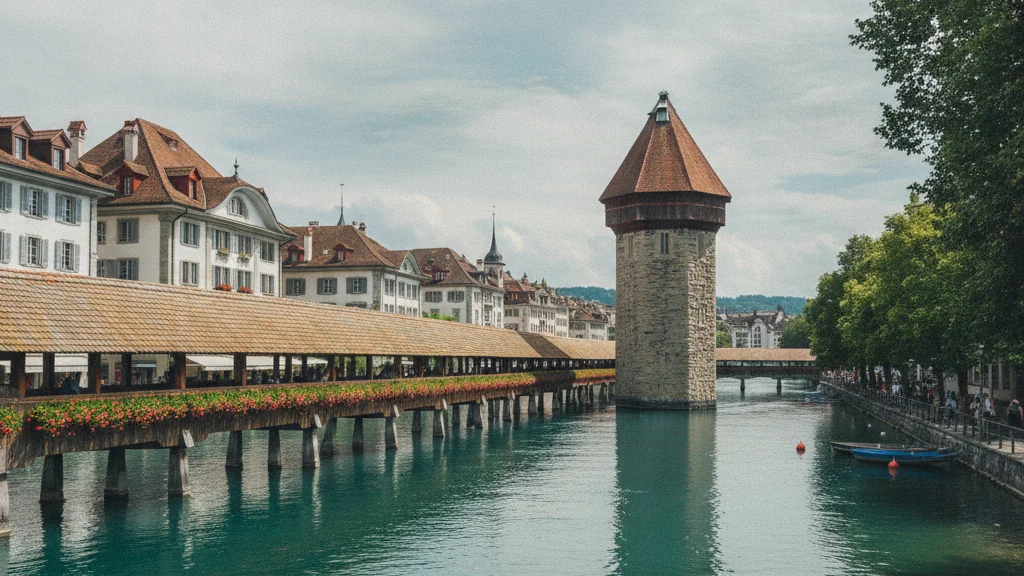
Switzerland offers families a rich blend of alpine scenery, efficient transport, and year-round activities, but choosing the right season makes all the difference when travelling with children. The best months for visiting Switzerland with kids depend on whether families prioritise skiing, hiking, lower prices, or comfortable weather. Summer brings warm temperatures ideal for outdoor exploration, while winter transforms the Alps into a snowy playground. Shoulder seasons offer quieter attractions and milder conditions, though rainfall can be frequent. Understanding Switzerland's climate patterns, crowd cycles, and family-friendly timing helps parents plan a trip that balances adventure, budget, and the needs of younger travellers.
| Month | Avg high | Avg low | Rainfall | Rainy days |
|---|---|---|---|---|
| January | 4.6°C | -1.4°C | 99.3 mm | 14.2 |
| February | 7.1°C | -0.8°C | 71.8 mm | 12.0 |
| March | 10.8°C | 1.2°C | 66.3 mm | 12.0 |
| April | 14.7°C | 4.4°C | 89.7 mm | 12.1 |
| May | 17.8°C | 8.5°C | 131.5 mm | 16.7 |
| June | 23.2°C | 13.6°C | 117.6 mm | 14.3 |
| July | 24.8°C | 15.5°C | 133.3 mm | 15.0 |
| August | 24.2°C | 15.3°C | 125.5 mm | 13.3 |
| September | 20.1°C | 11.8°C | 83.1 mm | 11.4 |
| October | 15.5°C | 7.6°C | 86.1 mm | 11.6 |
| November | 9.1°C | 3.1°C | 94.8 mm | 13.0 |
| December | 5.7°C | 0.0°C | 97.6 mm | 14.3 |
Best Overall Months for Families
June through September represents the peak family travel window in Switzerland, when temperatures are warmest and outdoor activities are most accessible. June sees average highs of 23.2°C and lows of 13.6°C in Zurich, creating comfortable conditions for lake swimming, mountain cable cars, and city sightseeing with children. July and August remain similarly warm, with highs around 24.8°C and 24.2°C respectively, though these months also bring the highest rainfall - July averages 133.3mm across 15 rainy days, and August 125.5mm over 13.3 days. September emerges as a sweet spot for families seeking pleasant weather with fewer tourists, offering 20.1°C highs, 11.8°C lows, and reduced rainfall of 83.1mm over just 11.4 days. For winter sports enthusiasts, December through March provides reliable snow cover in alpine regions, though lowland temperatures drop significantly - January sees highs of only 4.6°C and lows of -1.4°C in Zurich.
Month-by-Month Family Suitability
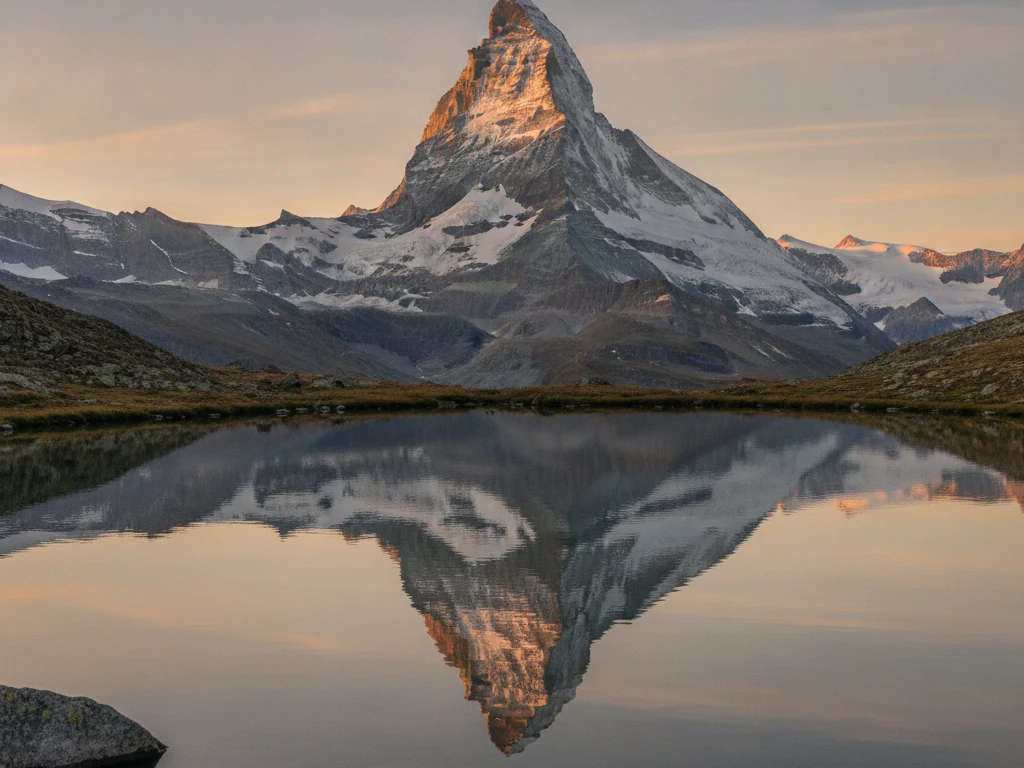
Each month in Switzerland brings distinct advantages and challenges for families with children, shaped by temperature, precipitation, and seasonal activities.
- January and February: Prime skiing months with cold temperatures (January: 4.6°C high, -1.4°C low; February: 7.1°C high, -0.8°C low) and moderate rainfall (99.3mm and 71.8mm respectively). Mountain resorts are busy but lowland cities remain quiet and affordable.
- March and April: Transitional shoulder months as temperatures climb (March: 10.8°C high; April: 14.7°C high). Rainfall decreases in March to 66.3mm, though April sees 89.7mm. Lower-altitude hiking trails begin to open, and ski season winds down.
- May: Spring warmth arrives with 17.8°C highs and 8.5°C lows, but May is the wettest month at 131.5mm across 16.7 rainy days. Wildflowers bloom at mid-elevations, though higher alpine passes may still be snowbound.
- June, July, and August: Peak summer with warmest temperatures and longest daylight hours. All mountain lifts and trails operate, lakes are swimmable, and festivals abound. Expect significant rainfall (117.6mm to 133.3mm monthly) and the largest crowds at major attractions.
- September: Ideal shoulder month combining warm temperatures (20.1°C highs), reduced rainfall (83.1mm), and thinner crowds. Harvest festivals and comfortable hiking conditions make this excellent for families.
- October and November: Autumn cooling brings highs of 15.5°C and 9.1°C respectively, with moderate rainfall. Many mountain facilities close for seasonal maintenance, limiting alpine activities.
- December: Early winter with 5.7°C highs and 0.0°C lows. Christmas markets enliven cities, ski resorts open, and holiday atmosphere peaks, though prices rise significantly.
School Holidays vs Shoulder Season Trade-Offs
Families bound by school calendars face a classic dilemma: summer and winter breaks coincide with Switzerland's busiest and most expensive periods, while shoulder seasons offer better value but fall outside holiday windows. July and August see peak crowds at iconic attractions like the Matterhorn, Jungfraujoch, and Lake Geneva, with accommodation rates at their highest and popular mountain railways requiring advance booking. Winter school breaks in December and February similarly drive up prices at ski resorts, though the festive atmosphere and guaranteed snow conditions justify the premium for many families. Shoulder months - particularly June, September, and early October - deliver significant savings on lodging and fewer queues at family attractions, but require pulling children from school or travelling with pre-school-age kids. September stands out as the optimal compromise, offering summer-like weather (20.1°C highs, 11.8°C lows) with noticeably reduced crowds just as the school year begins, though families must weigh this against missing the first weeks of term.
Seasonal Weather Patterns
Switzerland's climate varies dramatically by season and elevation, requiring families to plan activities and packing accordingly. Summer (June through August) brings the warmest and wettest conditions, with temperatures peaking at 23.2°C to 24.8°C in lowland areas while alpine regions remain significantly cooler. Rainfall is frequent and often heavy - June through August average 117.6mm to 133.3mm monthly - with afternoon thunderstorms common in the mountains. Autumn (September through November) sees steady cooling from 20.1°C highs in September to 9.1°C in November, with September notably drier at 83.1mm rainfall. Winter (December through February) transforms lowlands into cold, grey environments with temperatures hovering near freezing (December to February: 4.6°C to 7.1°C highs, -1.4°C to 0.0°C lows), while mountains receive abundant snow perfect for skiing. Spring (March through May) brings gradual warming from 10.8°C to 17.8°C, though May becomes surprisingly wet at 131.5mm across 16.7 rainy days. Elevation changes these patterns significantly: expect temperatures roughly 6°C cooler per 1,000 metres of altitude gain, meaning summer days comfortable in Zurich require warm layers at mountaintop viewpoints.
What to Pack for Family Travel
Switzerland's variable weather and emphasis on outdoor activities demand versatile packing strategies for families with children. For summer visits (June through August), layering is essential: pack lightweight breathable clothing for warm valley temperatures (23°C to 25°C), but include fleece jackets and long trousers for mountain excursions where temperatures drop considerably. Waterproof jackets and compact umbrellas are non-negotiable given the 117.6mm to 133.3mm monthly rainfall and frequent afternoon storms. Sturdy walking shoes suit both city cobblestones and gentle trails, while swimsuits enable lake and hotel pool use. Winter travel (December through February) requires full cold-weather gear if skiing: insulated jackets, waterproof trousers, gloves, hats, and thermal base layers for the -1.4°C to 0.0°C overnight lows. Ski gear can often be rented at resorts, saving luggage space. Shoulder season months (April, May, September, October) demand the most flexible wardrobe - combine light summer items with warm layers and rain protection. Year-round essentials include sun protection (alpine sun is intense), reusable water bottles, day packs for excursions, and power adapters for Swiss Type J outlets. Families with young children should add snacks for train journeys, though Switzerland's excellent rail dining cars provide reliable meal options.
Crowd and Price Seasonality
Switzerland's tourism industry operates on a pronounced high-season, shoulder-season, and low-season cycle that significantly impacts family budgets and experience quality. Peak season spans July and August for summer activities and mid-December through February for winter sports, when accommodation rates reach their highest levels and popular attractions fill quickly. Iconic mountain excursions like the Jungfraujoch railway and Gornergrat cog railway see long queues during these windows, and family-friendly hotels in resort towns book out months in advance. Shoulder seasons - particularly June, September, and early October - offer substantially better value, with lower lodging rates and shorter waits at cable cars and museums, while weather remains quite favourable (September: 20.1°C highs, 83.1mm rainfall). Low season runs from November through early December and March through April, when accommodation is cheapest but many mountain facilities close for maintenance and weather becomes unpredictable. Budget-conscious families gain the most advantage by targeting early June or September, capturing near-peak weather conditions without peak-season premiums. Winter sports families can find better deals in early December before Christmas holidays or in March as the season winds down, though March snow conditions may be less reliable than mid-winter.
FAQ
What is the best month to visit Switzerland with young children who don't ski?
September offers the best combination of warm weather (20.1°C average highs), reduced rainfall (83.1mm over 11.4 days), and smaller crowds for families focused on sightseeing, lake activities, and mountain cable cars. June runs a close second with slightly warmer temperatures of 23.2°C, though it sees more rainfall at 117.6mm and begins the busy summer season.
How much rain should families expect when visiting Switzerland in summer?
Summer months receive significant rainfall, with May through August averaging 117.6mm to 133.3mm monthly across 13 to 17 rainy days. July is the wettest month at 133.3mm over 15 days, often featuring afternoon thunderstorms in alpine areas. Families should pack waterproof layers and plan flexible daily schedules that can shift between indoor and outdoor activities.
Is it worth visiting Swiss mountain attractions with kids during shoulder season in May or October?
May presents challenges with the highest rainfall of the year (131.5mm across 16.7 days) and many high-altitude trails still snowbound, though temperatures are pleasant at 17.8°C. October offers better conditions with moderate temperatures (15.5°C highs) and lower rainfall (86.1mm), but many mountain lifts close for autumn maintenance. September and early October provide the most reliable shoulder-season mountain access, while late May improves as the month progresses.
What temperatures can families expect in Switzerland during winter school holidays in December and February?
Lowland cities like Zurich experience cold conditions with December averaging 5.7°C highs and 0.0°C lows, while February is slightly colder at 7.1°C highs and -0.8°C lows. Alpine ski resorts at elevation see much colder temperatures, often well below freezing, requiring full winter clothing and ski gear. Rainfall in these months (97.6mm in December, 71.8mm in February) falls primarily as snow in mountain areas, creating excellent skiing conditions.
Weather data: open-meteo (ERA5 reanalysis, 2014-2023 averages). Reviewed and updated periodically.