Visiting Albania with Kids in the School Holidays
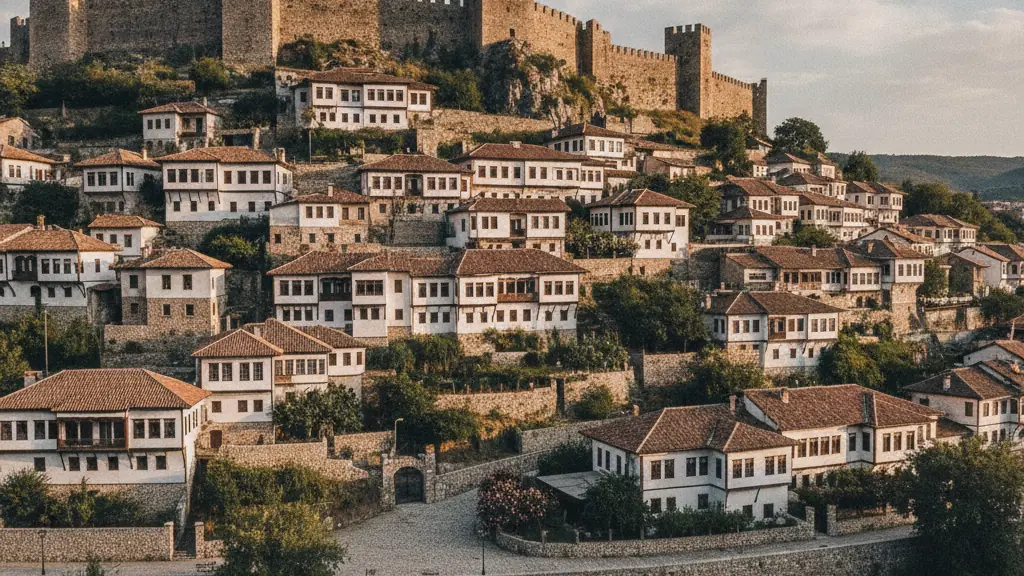
Albania has emerged as a compelling family destination for the Balkans - combining Adriatic beaches, mountain scenery, UNESCO heritage sites and genuinely affordable dining. For families bound by term dates, understanding what to expect during peak school holidays helps set realistic plans. July and August bring serious heat, Easter can be unpredictable, and October half-term sits in a sweet spot before winter rain arrives. This guide focuses exclusively on travelling during those fixed holiday windows when families have no choice but to join the crowds.
| Month | Avg high | Avg low | Rainfall | Rainy days |
|---|---|---|---|---|
| January | 11.0°C | 2.7°C | 165.2 mm | 12.4 |
| February | 13.4°C | 4.4°C | 115.0 mm | 10.2 |
| March | 15.6°C | 5.8°C | 129.4 mm | 11.6 |
| April | 18.8°C | 8.9°C | 119.5 mm | 11.9 |
| May | 22.8°C | 13.1°C | 117.9 mm | 13.0 |
| June | 27.6°C | 17.5°C | 69.6 mm | 7.9 |
| July | 31.1°C | 20.2°C | 34.1 mm | 4.9 |
| August | 31.4°C | 20.3°C | 29.8 mm | 5.4 |
| September | 26.6°C | 16.9°C | 108.7 mm | 8.6 |
| October | 22.1°C | 12.8°C | 123.2 mm | 9.0 |
| November | 17.5°C | 9.2°C | 188.6 mm | 11.1 |
| December | 13.0°C | 4.7°C | 136.9 mm | 10.3 |
The Summer Holidays Reality: July and August Heat
The six-week break means most UK families visit Albania in July or August, when temperatures in Tirana reach highs of 31.1°C and 31.4°C respectively. Coastal areas often push higher. Rainfall drops dramatically - July sees just 34.1mm across 4.9 rainy days, August even drier at 29.8mm over 5.4 days - which guarantees sunshine but also relentless heat. Beaches along the Albanian Riviera from Dhermi to Ksamil become packed with Albanian families, Italian tourists and increasingly British visitors. Accommodation prices peak, restaurants fill early, and popular sites like Butrint require morning visits before the midday blaze. The heat is dry rather than humid, but small children struggle with afternoon temperatures, and shade becomes a valuable commodity at archaeological sites.
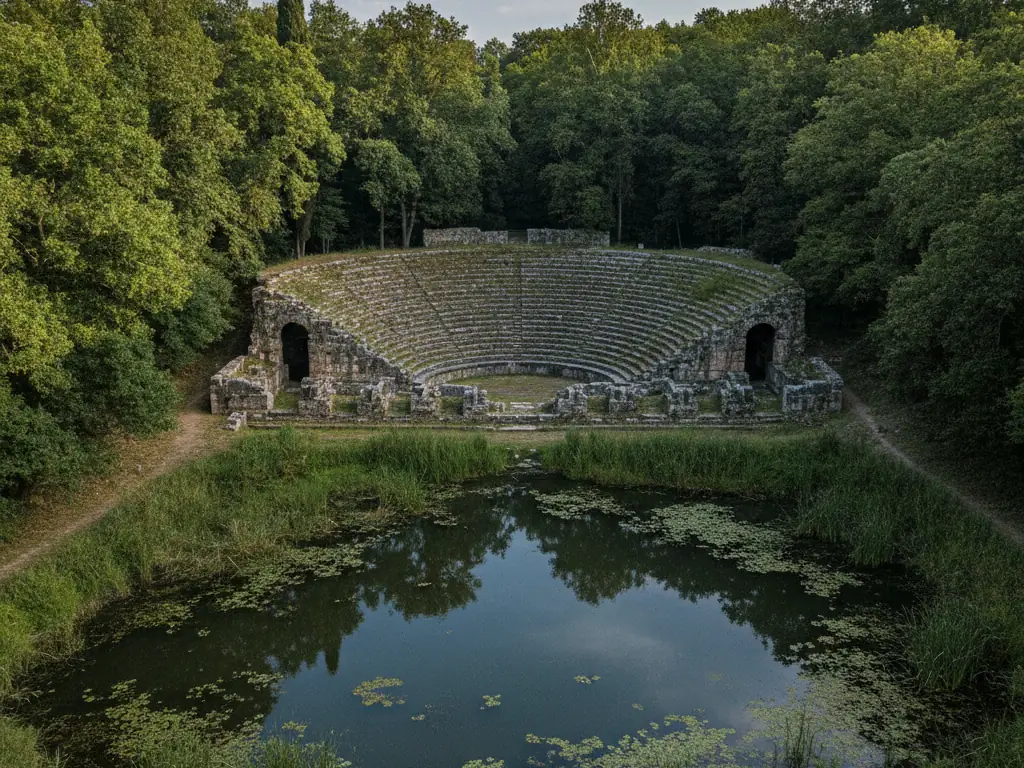
Easter: A Gamble on Weather
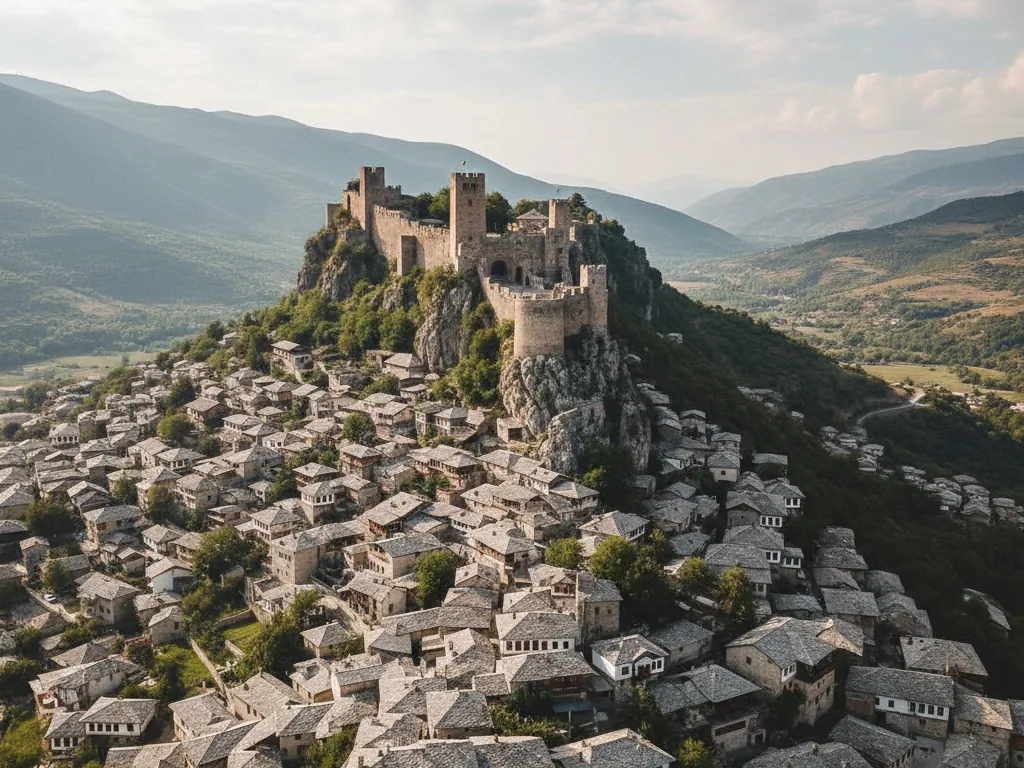
Easter holidays fall between late March and late April, straddling a transitional period in Albania's climate. April averages highs of 18.8°C with lows around 8.9°C - mild and pleasant for sightseeing, though evenings need layers. Rainfall sits at 119.5mm across 11.9 days, meaning showers are frequent but rarely all-day affairs. March is slightly cooler at 15.6°C highs and wetter at 129.4mm over 11.6 days. The Adriatic remains too cold for comfortable swimming, making this a better window for cultural exploration - Berat's Ottoman quarters, Gjirokastra's stone architecture, and Kruja's castle all suit cooler weather. Crowds are lighter than summer, and families can secure better value accommodation. The uncertainty lies in rain: pack waterproofs and build flexible days that can shift between outdoor and indoor activities.
October Half-Term: The Best Compromise
The week-long October break offers the most balanced conditions for school-bound families. Average highs sit at 22.1°C with lows of 12.8°C - warm enough for beach time on calm days but comfortable for active exploration. Rainfall increases to 123.2mm across 9.0 days, so occasional showers arrive but the weather remains largely settled. The Adriatic cools but stays swimmable for hardy children, especially in sheltered southern bays. Crucially, Albanian domestic tourism winds down after September, meaning beaches, restaurants and hotels return to reasonable occupancy levels. Prices drop from summer peaks, and families find it easier to book preferred properties at short notice. The trade-off is shorter days and the possibility of a rainy stretch, but overall October half-term delivers the most pleasant touring conditions within fixed school calendars.
Managing Heat with Young Children
July and August in Albania demand tactical planning when travelling with children. Mornings before 11am and late afternoons after 5pm become prime activity windows - use them for walking tours, archaeological sites and mountain villages. Midday hours suit beach time, pool breaks or air-conditioned museum visits. Hydration becomes critical: carry refillable bottles and budget for frequent cafe stops. Many Albanian guesthouses lack air conditioning, so prioritise accommodation with fans at minimum, especially for inland destinations like Berat. Coastal properties catch sea breezes that make sleeping easier. Pack high-factor sun cream, hats with neck protection, and lightweight long-sleeved shirts for sensitive skin. The intense summer sun reflects strongly off pale stone in historic towns, creating glare that troubles young eyes - bring quality sunglasses. Albanian tap water is generally safe in cities, but bottled water gives peace of mind and costs very little.
Beating the Crowds During Peak Season
Even during July and August, strategies exist to avoid the worst congestion. Popular southern beaches like Ksamil and Mirror Beach see daytrippers arriving from 10am onwards - get there by 8am or wait until after 4pm when families depart. Midweek visits to Butrint archaeological park encounter fewer tour buses than weekends. Albanian families holiday in August more than July, making early summer marginally quieter. Explore lesser-known coastal stretches between Himara and Qeparo where development remains limited and beaches stay relatively empty. Inland destinations like Theth in the Albanian Alps see summer visitors but never reach coastal saturation levels - mountain temperatures stay cooler, with stone houses offering natural air conditioning. Book restaurants for dinner by lunchtime during peak weeks, especially in small resort towns with limited dining options. Museums and castles open early; arriving at opening time often means exploring alone for the first hour.
Booking Strategy for School Holiday Windows
Albanian accommodation fills rapidly for July and August, with UK families now competing against Italian, German and domestic tourists. Secure coastal hotels and guesthouses at least four months ahead for summer holidays, earlier for premium properties with pools. October half-term needs less advance planning - six to eight weeks usually suffices - though popular family spots like Dhermi and Saranda benefit from earlier booking. Easter availability sits between the two extremes: aim for two to three months ahead. Rental cars also require advance booking for summer, as fleets are limited and demand high. Check cancellation terms carefully; flexible bookings cost slightly more but prove valuable if school calendars shift or family circumstances change. Many Albanian guesthouses remain family-run operations that prefer direct email contact over booking platforms - prices often drop when cutting out commission, and owners provide better local advice.
Which Peak Holiday Window Works Best?
For families with flexibility to choose which school holiday to use, October half-term offers the strongest all-round experience. Weather at 22.1°C high and 12.8°C low suits active families, rain remains manageable at 123.2mm, and crowds thin considerably compared to summer. Children can still enjoy beach time without the exhausting heat of July and August when 31°C-plus temperatures limit midday activities. Easter works well for culture-focused trips where swimming is not essential - April's 18.8°C days and 119.5mm rainfall support museum visits, castle exploration and mountain drives, though the 8.9°C evenings require warm layers. July and August suit families whose children thrive in heat and who prioritise beach days above all else - just accept that early starts, late dinners and midday pool breaks become necessary routines. The minimal rainfall of 34.1mm and 29.8mm guarantees sunshine, but touring historic sites in that heat tests patience.
FAQ
Is Albania too hot for young children during the summer school holidays?
July and August temperatures of 31.1°C and 31.4°C challenge families with children under five, but manageable with adjustments. Focus activities before 11am and after 5pm, choose accommodation with pools or near beaches, and embrace a Mediterranean rhythm of early dinners and late bedtimes. Coastal locations benefit from sea breezes that inland cities lack.
What should families pack for Albania during October half-term?
October's 22.1°C days allow shorts and t-shirts, but 12.8°C evenings need jumpers and light jackets. Pack swimming gear for beach visits and a rain jacket for the 9.0 rainy days typically recorded. Comfortable walking shoes suit the mix of beach and cultural activities, and sun protection remains important despite the cooler temperatures.
Can you visit Albania during Easter school holidays without guaranteed sunshine?
April brings 119.5mm rainfall across 11.9 days, meaning showers feature regularly but rarely dominate entire days. Easter works well for families who prioritise castles, Ottoman architecture and mountain scenery over beach time - the 18.8°C temperatures suit active exploration. Build flexible itineraries that allow indoor alternatives when rain arrives, and embrace the quieter atmosphere and lower prices compared to summer.
How far in advance should families book Albania accommodation for August?
Coastal properties for August require booking four to six months ahead, particularly for guesthouses with pools or sea views. Albanian domestic tourism peaks in August alongside European visitors, creating genuine scarcity in popular spots like Saranda, Dhermi and Ksamil. Inland destinations like Berat offer more last-minute availability, but advance booking still secures better properties and prices.
Weather data: open-meteo (ERA5 reanalysis, 2014-2023 averages). Reviewed and updated periodically.